Welcome to an extraordinary journey into the world of marine aquariums, where passion meets scale in the form of my Backyard Reef Tank. This massive 40-foot (approximately 12.2 meters) long outdoor aquarium holds an astonishing 13,000 gallons (about 49,210 litres) of seawater, creating a breathtaking habitat for a diverse array of marine life. Whether you're a seasoned reef keeper or simply fascinated by marine ecosystems, this detailed overview will walk you through the setup, inhabitants, and care of this stunning aquatic environment.
My goal with this backyard reef tank is not only to create a visually stunning display but also to cultivate a thriving, balanced ecosystem where corals, fish, anemones, clams, and other marine creatures can flourish. In this article, I’ll share insights into the tank's layout, the acclimation process for new coral colonies, the separation of different marine species, and the feeding routines that keep this underwater community healthy and vibrant.
Table of Contents
- The Scale and Setup of the Backyard Reef Tank
- Acclimating Coral Colonies: The Importance of a Holding Station
- Feeding and Maintenance: Keeping the Reef Tank Healthy
- Why Outdoor Reef Tanks? Advantages and Challenges
- Frequently Asked Questions About Backyard Reef Tanks
- Conclusion: Creating a Thriving Backyard Reef Tank Ecosystem
The Scale and Setup of the Backyard Reef Tank
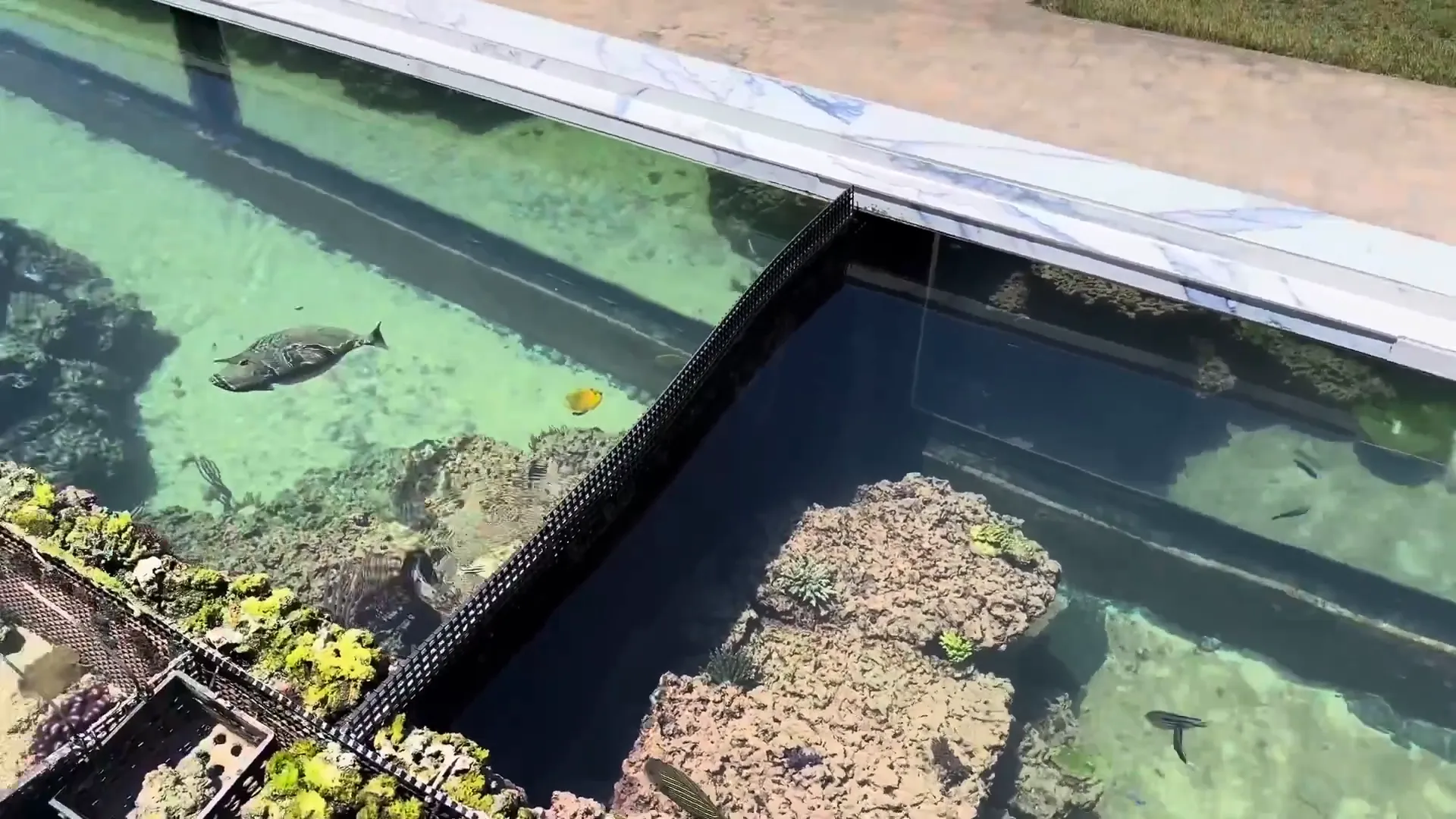
To truly appreciate this project, it helps to understand the sheer size and complexity involved. The aquarium stretches an impressive 40 feet (approximately 12.2 metres) in length and contains a massive 13,000 gallons (around 49,210 litres) of saltwater. This outdoor setup allows for natural lighting and environmental interaction, which benefits many of the coral species housed within.
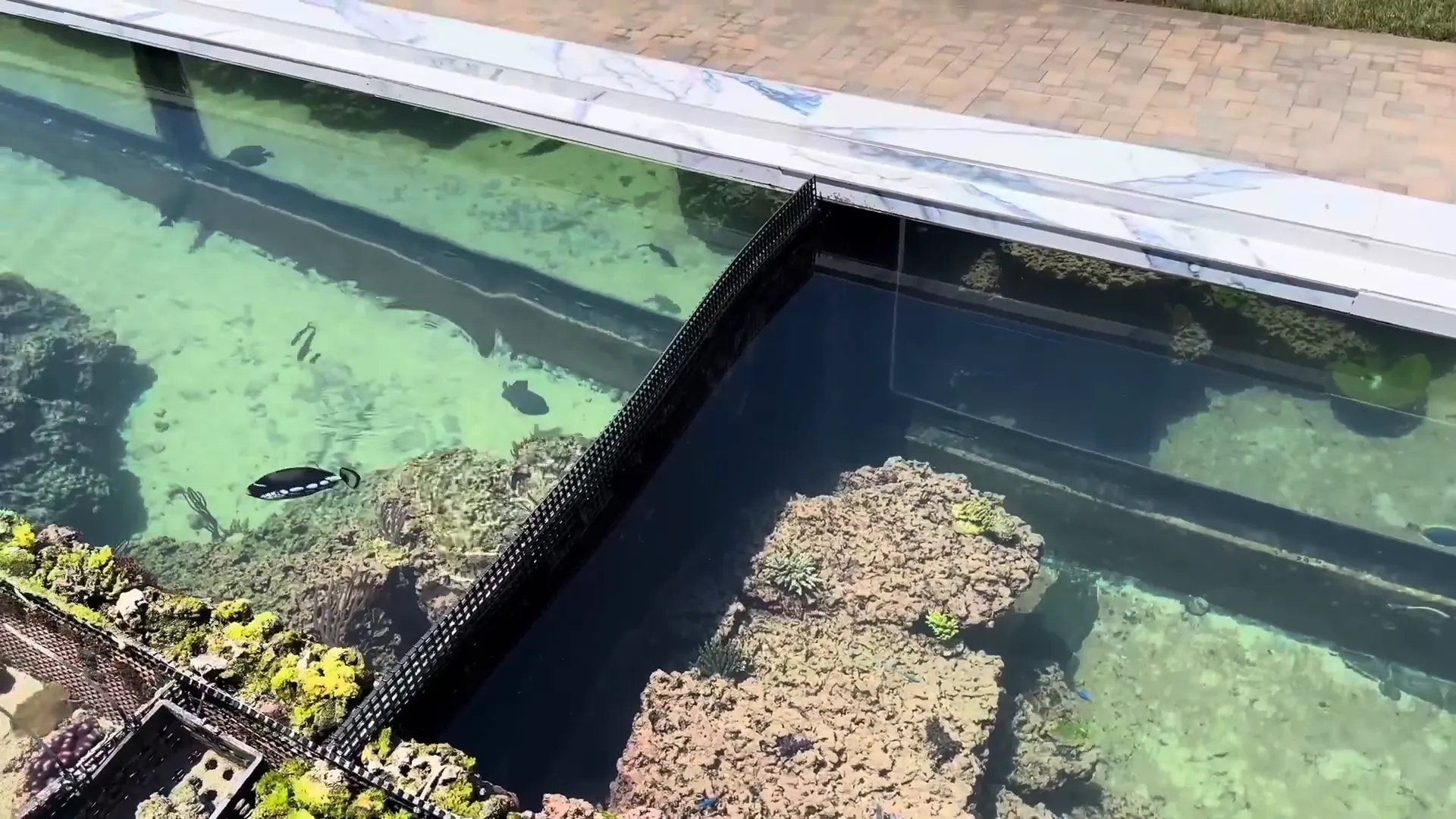
The tank is thoughtfully divided into two main sections, each spanning about 20 feet (6.1 metres). One half is dedicated primarily to coral colonies, while the other half primarily houses fish along with some anemones and gordonian soft corals. This separation helps maintain an optimal environment for the different species, managing their specific needs while minimising stress and competition.
Coral Section: A Vibrant Marine Garden
The coral section of the tank is a vibrant marine garden where various hard and soft corals thrive. This half of the tank is a 20-foot (6.1 metre) stretch dedicated to nurturing coral colonies, including some newly introduced species like gordonians, which have recently been added and are showing promising signs of health with beautiful extension.
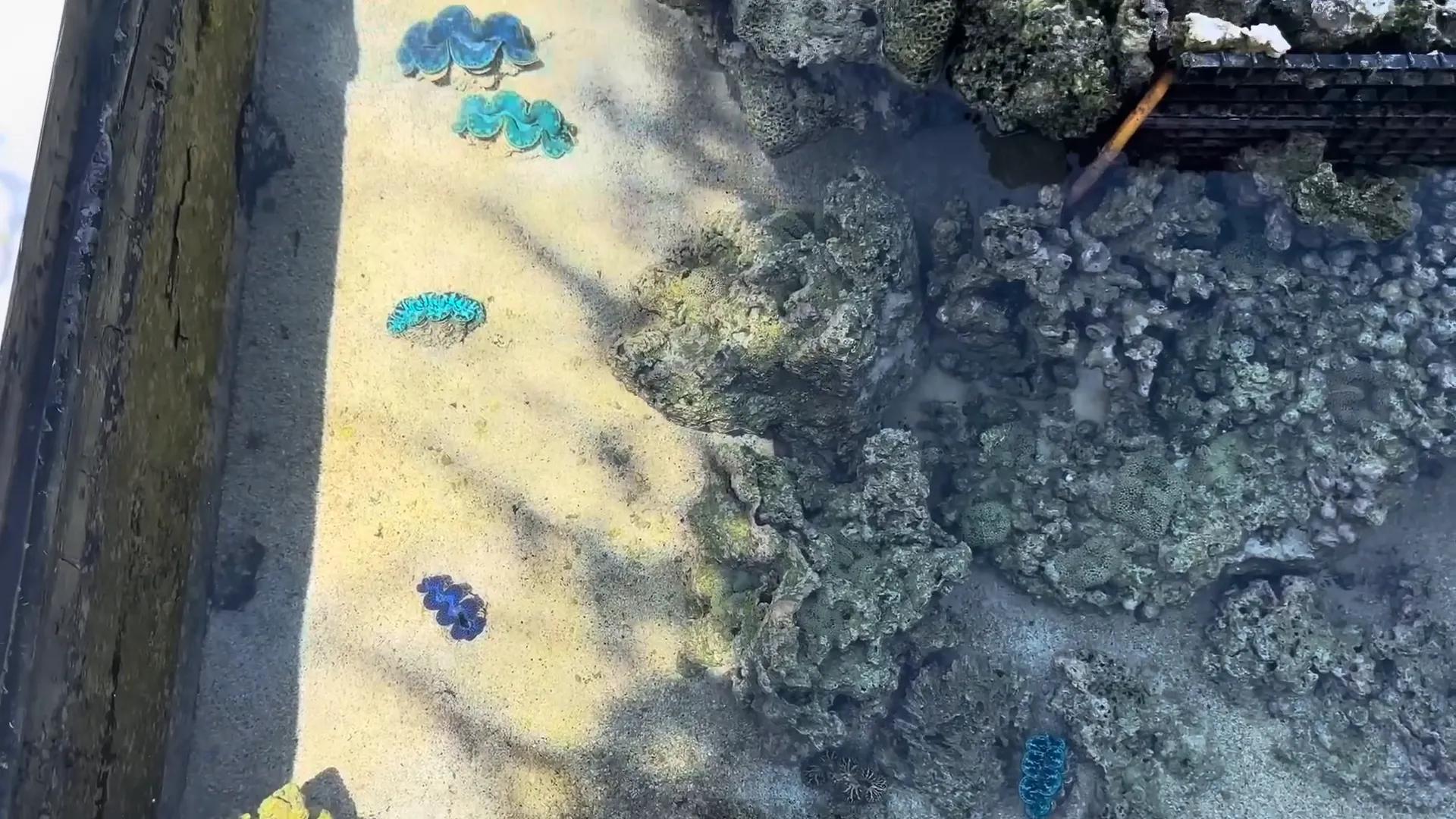
One of the highlights here is the "clam garden" – a dedicated area where different species of clams are housed. Clams add a unique visual and biological component to the reef, filtering water and providing natural beauty with their iridescent mantles. Alongside the clams, there are also ricordias, a type of mushroom coral known for their bright colours and interesting textures. Although the ricordias are currently subtle in colour, I’m planning to introduce some vibrant orange ones to enhance the visual appeal.
Fish Section: A Dynamic Underwater Community
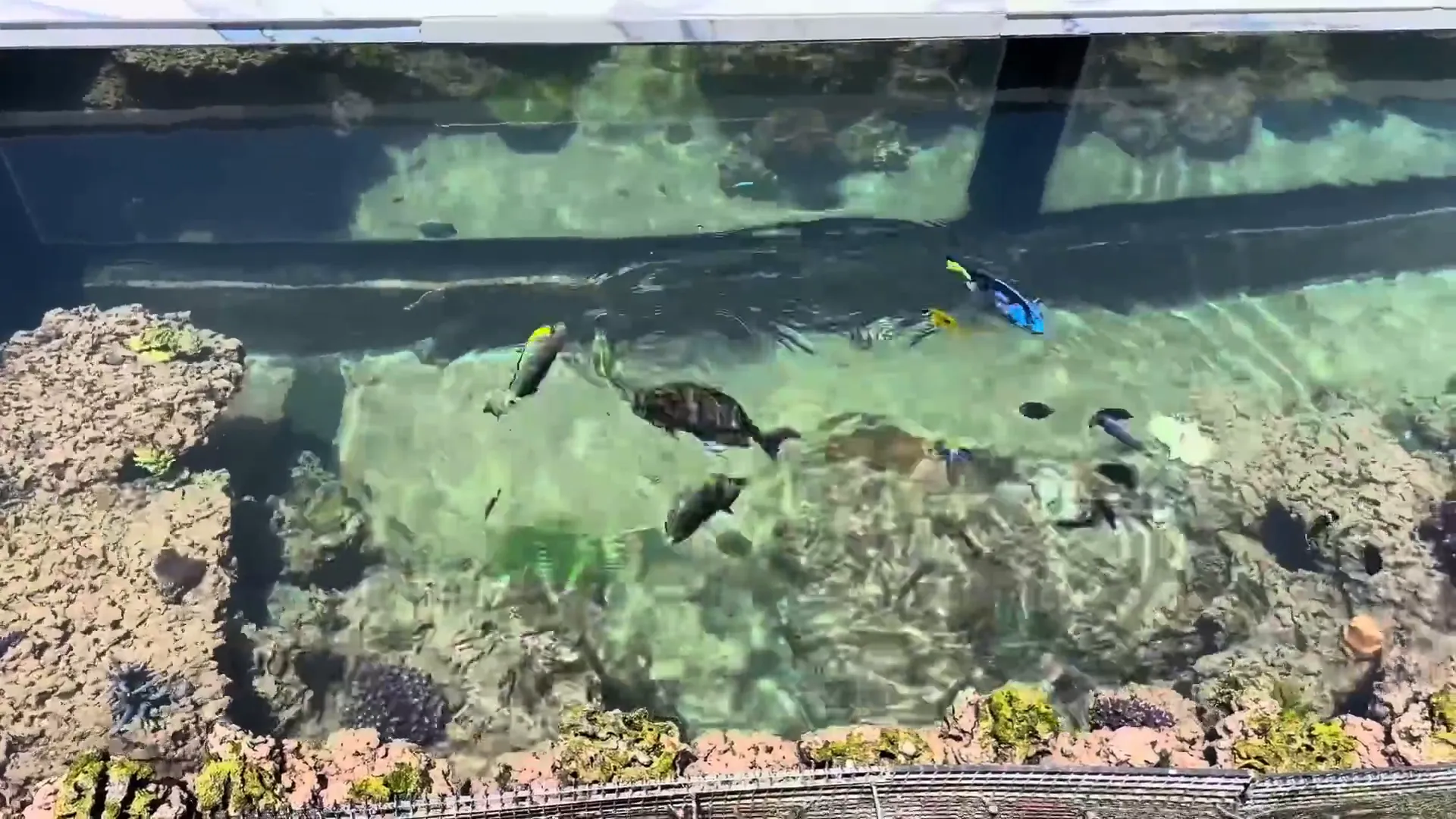
The other 20-foot (6.1 metre) section of the tank is home to a diverse collection of fish species, complemented by anemones and soft corals. This section is designed to provide ample swimming space and a naturalistic habitat that mimics the fish’s wild environment. The inclusion of anemones not only adds to the biodiversity but also creates symbiotic relationships with certain fish species, such as clownfish, which can be fascinating to observe.
Acclimating Coral Colonies: The Importance of a Holding Station
Before introducing any new coral colonies or frags into the main tank, I always start them in a dedicated holding station. This acclimation process is critical for ensuring the health and longevity of the corals. The holding station allows the corals to adjust to the water parameters, lighting, and flow conditions gradually, reducing the stress associated with sudden environmental changes.
Many of the corals I add are aquacultured frags, which means they’ve been propagated in controlled environments rather than collected from the wild. This not only supports sustainable reef keeping but also often means the frags are hardier and better adapted to aquarium life.
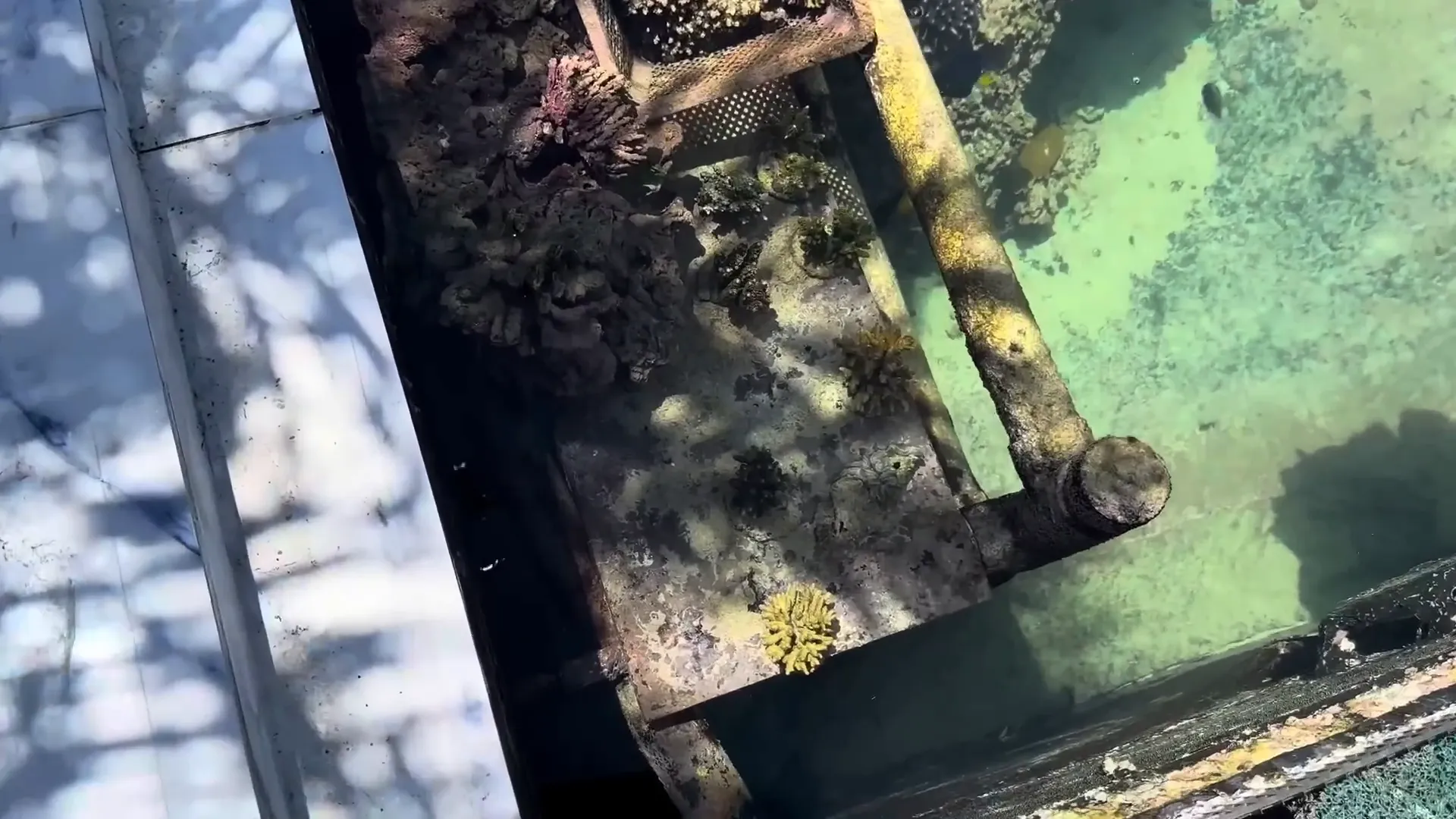
During this period, I monitor the corals closely to make sure they are opening up, extending their polyps, and showing no signs of distress. This careful observation helps me decide when they are ready to be moved into the main tank, where they can integrate with the existing ecosystem.
Feeding and Maintenance: Keeping the Reef Tank Healthy
Feeding the inhabitants of such a large reef tank is an involved but rewarding process. The diversity of species means that different feeding strategies and food types are necessary. For example, corals often benefit from targeted feeding with planktonic foods or specially formulated coral foods, while fish require a diet suitable to their species, including pellets, flakes, or frozen foods.
Before feeding the main tank, I use the holding station to introduce food to some of the more delicate species, ensuring they get their share without competition or stress. This also helps me observe their feeding behaviour and health status up close.
Why Outdoor Reef Tanks? Advantages and Challenges
Choosing an outdoor setup for a reef tank of this scale comes with unique advantages and challenges. Natural sunlight provides a broad spectrum of light that is ideal for photosynthetic corals, often difficult to replicate entirely with artificial lighting. The outdoor environment also allows for natural temperature fluctuations and airflow, which can benefit some species.
However, outdoor tanks require careful management to protect against environmental variables such as temperature swings, rainwater dilution, and potential contaminants. In my setup, I use a combination of monitoring equipment and regular maintenance routines to keep water chemistry stable and optimal for the marine life.
Frequently Asked Questions About Backyard Reef Tanks
How do you maintain water quality in such a large outdoor reef tank?
Maintaining water quality in a 13,000-gallon outdoor reef tank involves regular testing of parameters such as salinity, pH, nitrate, and phosphate levels. I use high-quality filtration systems, protein skimmers, and natural biological filtration through live rock and sand. Additionally, regular water changes and careful monitoring of the environment help maintain stability.
What are the benefits of using aquacultured coral frags?
Aquacultured coral frags are propagated in controlled environments, making them more sustainable and often more resilient than wild-collected corals. They help reduce the impact on natural reefs and are typically healthier and easier to acclimate to aquarium conditions.
How do you acclimate new coral colonies before adding them to the main tank?
I use a dedicated holding station where new coral colonies and frags are introduced first. This allows them to adjust gradually to the water parameters, lighting, and flow of the main tank. I monitor their health closely during this period, looking for signs of stress or disease before transferring them to the main display.
What types of marine life are best suited for a large outdoor reef tank?
Large outdoor reef tanks can support a wide variety of marine life, including hard and soft corals, clams, anemones, and many species of reef fish. The key is to select species that can handle outdoor conditions and coexist peacefully within the same environment.
How do you feed the inhabitants of a large reef tank efficiently?
Feeding involves providing species-specific diets and ensuring that all inhabitants get adequate nutrition. Using a holding station to feed delicate species separately before introducing food to the main tank is an effective strategy. Additionally, regular feeding schedules and a varied diet help maintain health and vibrancy.
Conclusion: Creating a Thriving Backyard Reef Tank Ecosystem
Building and maintaining a 13,000-gallon backyard reef tank is a labour of love that combines patience, knowledge, and dedication. The scale of this project allows for an incredibly diverse and dynamic marine ecosystem, showcasing the beauty and complexity of coral reefs right in the backyard.
From the careful acclimation of aquacultured coral frags to the thoughtful separation of corals and fish, every aspect of this setup is designed to promote health and longevity. The inclusion of a clam garden and the ongoing addition of colourful species like ricordias add layers of interest and biodiversity.
For anyone passionate about marine life or considering their own Backyard Reef Tank, this project demonstrates what is possible with commitment and the right approach. Whether you’re inspired by the size, the variety of species, or the intricate care routine, I hope this detailed look encourages you to explore the fascinating world of reef keeping.
This article was inspired from the video Introducing my 13,000 gallon backyard reef tank | Drop a like and subscribe to show your support!