If you’ve ever looked at your reef tank and seen a slimy red or purple film covering your sand bed, rocks, or even smothering your corals, you’re likely dealing with cyanobacteria—commonly called “red slime algae.” While it can feel like a catastrophe, cyanobacteria is a common and manageable nuisance in saltwater aquariums. In this guide, inspired by expert advice from BRStv - Saltwater Aquariums & Reef Tanks, we’ll explore why cyanobacteria shows up, how it gets into your tank, and most importantly, the best ways to get rid of it for good.
Table of Contents
- What Is Cyanobacteria and Why Does It Show Up?
- How Does Cyanobacteria Enter Your Reef Tank?
- Building a Healthy Microbiome: The First Step in Treating Cyanobacteria
- Five Key Strategies for Tackling a Cyanobacteria Outbreak
- Conclusion: Stay Consistent and Let Nature Do Its Thing
- Frequently Asked Questions About Treating Cyanobacteria
What Is Cyanobacteria and Why Does It Show Up?
Despite its algae-like appearance, cyanobacteria is actually a photosynthetic bacteria—one of the oldest life forms on Earth. It exists in almost every aquatic environment, including your reef tank. The type most hobbyists encounter is filamentous cyanobacteria, which can range in colour from red and purple to green, blue, brown, and even black mats.
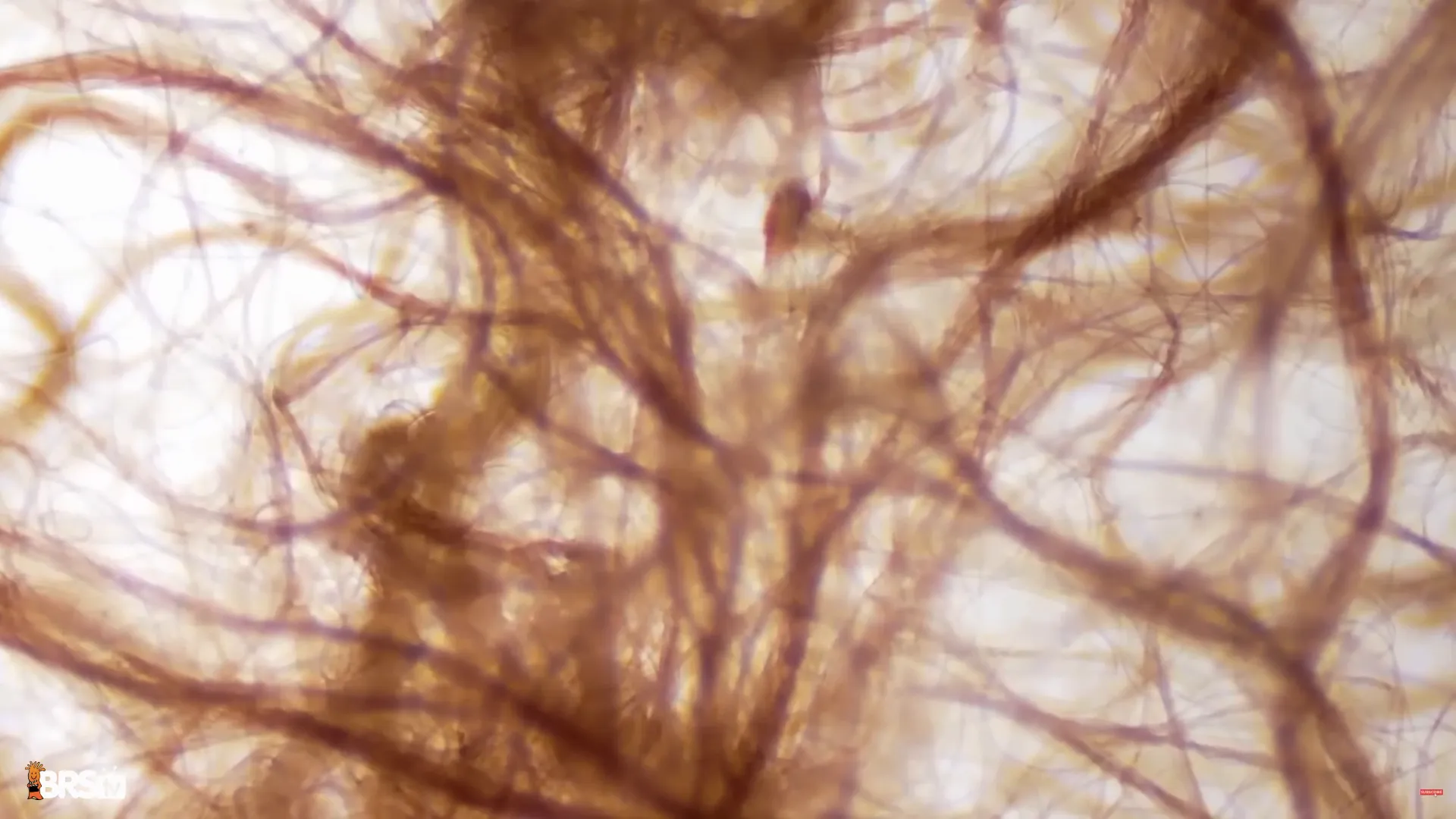
Cyanobacteria reproduces rapidly through cell division, and some types can form climate-resistant spores that survive harsh conditions. This resilience allows cyanobacteria to remain dormant in your tank’s environment—especially in newly set up aquariums—and then spread quickly once conditions improve.
It’s this fast growth and persistence that can make cyanobacteria outbreaks seem overwhelming, but understanding its nature is the first step toward effective treatment.
How Does Cyanobacteria Enter Your Reef Tank?
Unfortunately, cyanobacteria doesn’t just appear out of thin air. It is introduced into your system in several ways, often unintentionally:
- Live rock and live sand—even sources that appear clean can contain dormant cyanobacteria cells.
- Frag plugs, coral skeletons, invertebrates, and fish—cyanobacteria can hitchhike on just about anything, including a fish’s slime coat.
- Water from other systems—just a drop of water from a bag or another aquarium can carry cyanobacteria spores.
- Airborne spores—some cyanobacteria species can travel through the air, though this is less common.
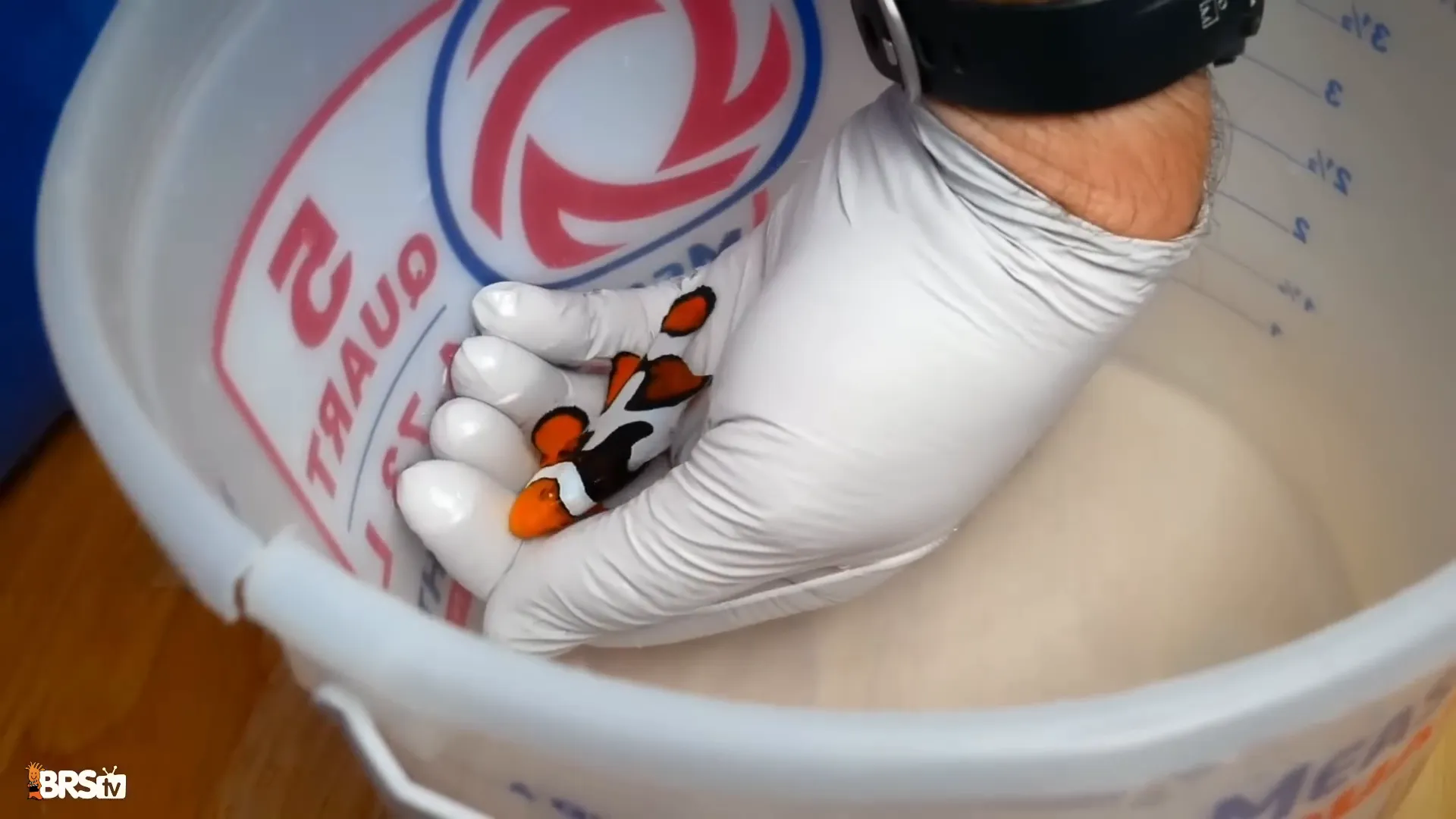
Because cyanobacteria is so prevalent, it’s nearly impossible to completely prevent its introduction. Almost every new tank will experience some level of cyanobacteria growth, especially on the sand bed. This is often part of “new tank syndrome,” where the microbiome—the community of beneficial microbes in your tank—isn’t yet fully established to outcompete cyanobacteria.
Building a Healthy Microbiome: The First Step in Treating Cyanobacteria
One of the most effective ways to combat cyanobacteria is to strengthen your tank’s microbiome. A mature and diverse microbiome can naturally compete with and suppress cyanobacteria growth.
For new tanks, starting with high-quality live sand or rubble that contains beneficial microbes is crucial. Products like CaribSea’s Ocean Direct live sand or AquaBiomics cultured live reef sand are excellent options. For established tanks, supplements such as Aquaforest’s LifeSource can help introduce missing beneficial bacteria and microbes.
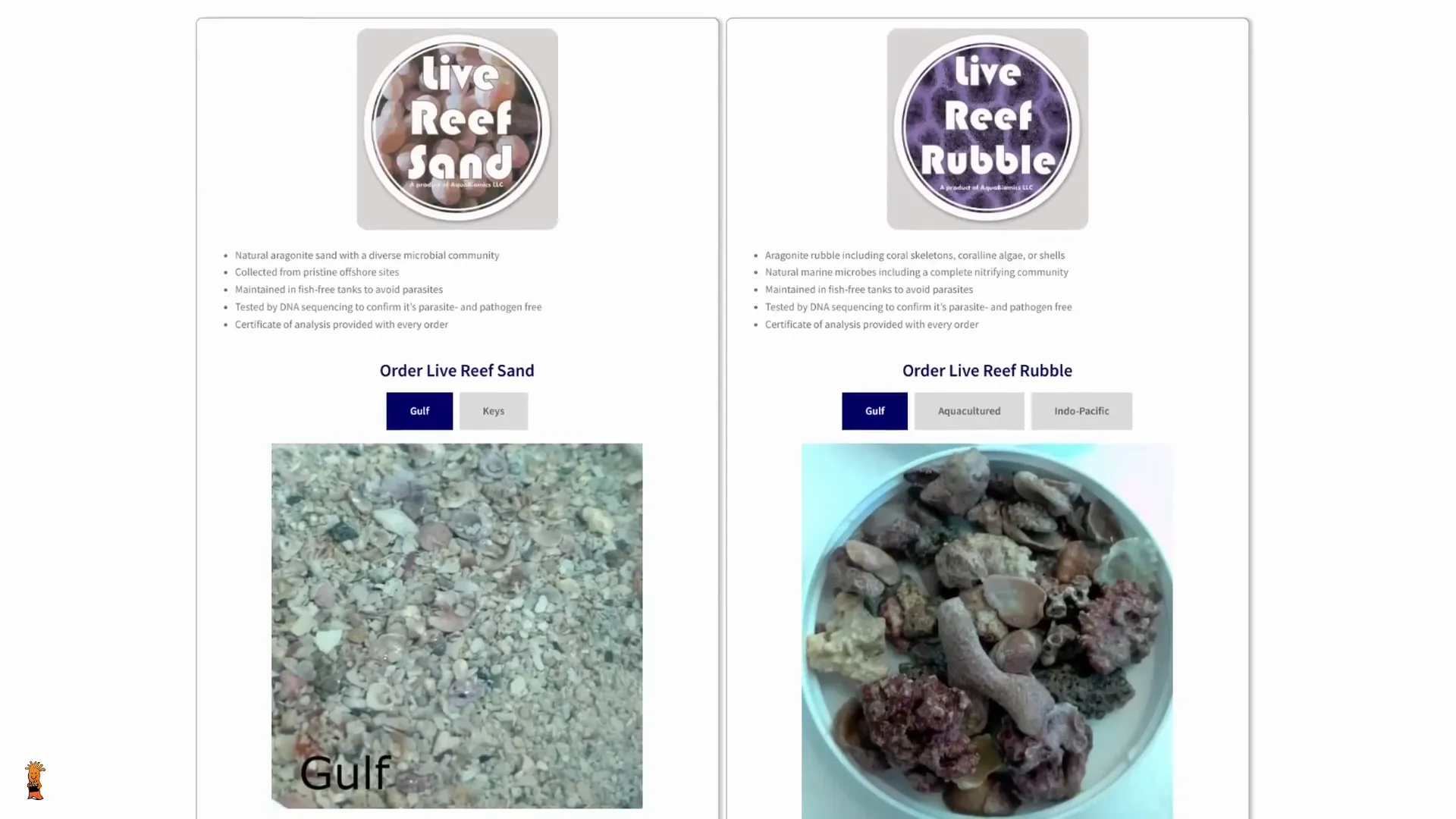
Bolstering your microbiome is a huge step toward a stable, cyano-resistant reef environment.
Five Key Strategies for Tackling a Cyanobacteria Outbreak
If you’re already facing a cyanobacteria problem, there are five main approaches to reduce and eliminate it:
- Sand Sifters and Stirrers
- Manual Removal
- Improved Maintenance
- Increasing Flow and Reducing Dead Spots
- Chemical Treatment (as a last resort)
1. Sand Sifters and Stirrers
While there are no known true predators of cyanobacteria, certain reef inhabitants can help prevent cyanobacteria from taking over your sand bed by aerating the substrate and consuming excess food that fuels cyano growth.
Recommended critters include:
- Missouri Snails: These snails burrow into sand beds, keeping them aerated and consuming leftover meaty foods before they break down.
- Fighting Conchs: Small conchs that turn over sand and eat detritus. They tend to stay on the sand bed and are easy to care for.
- Sand Sifting Starfish: Great for aerating sand and removing detritus, but only recommended for established tanks as they need sufficient food.
While sand-sifting gobies like diamond sleeper gobies do aerate sand well, they require specialized care and feeding, making them less suitable for most hobbyists.
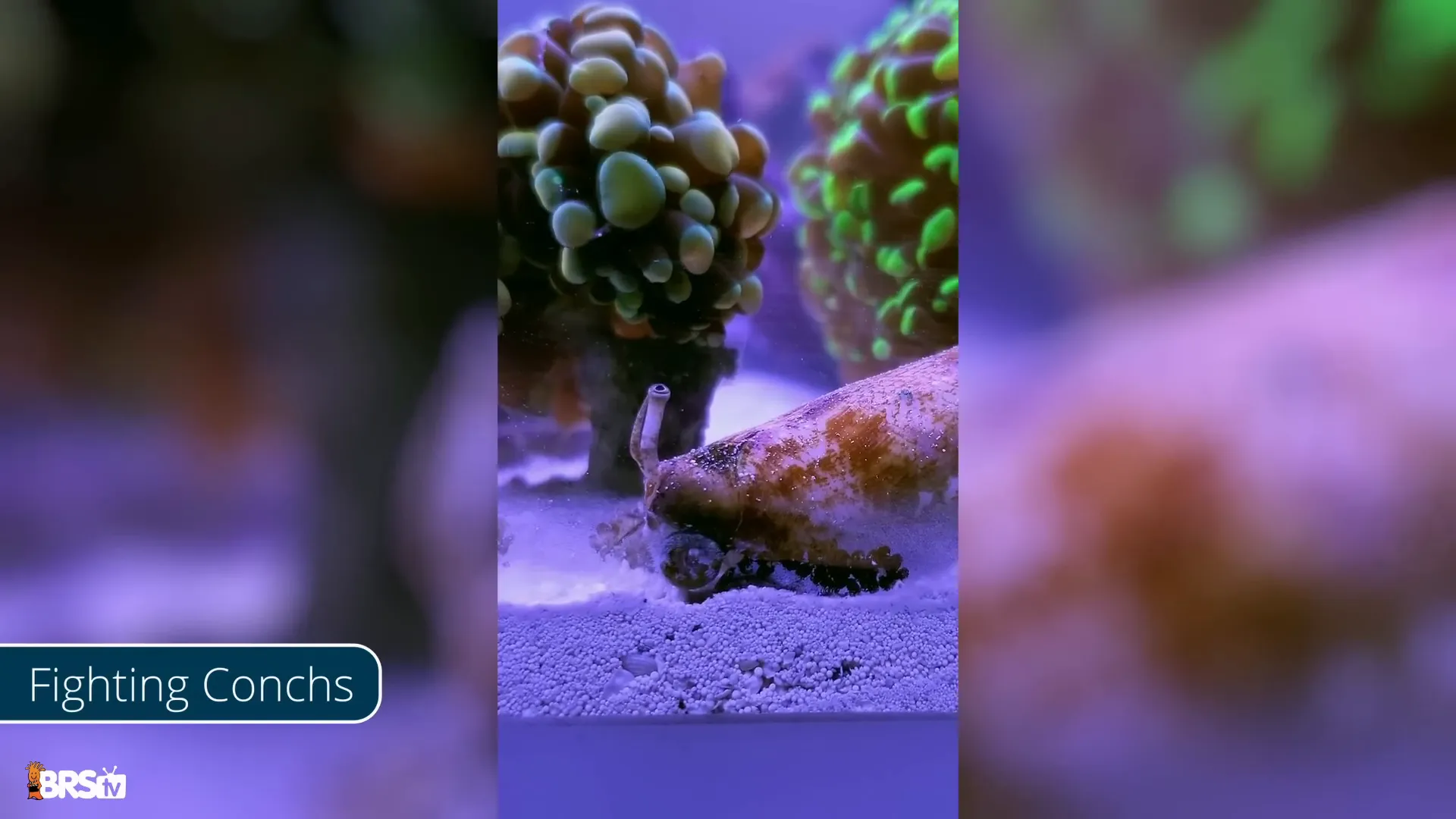
These animals won’t fully remove an existing outbreak but can prevent future problems by addressing nutrient buildup in the substrate.
2. Manual Removal
Physically removing cyanobacteria reduces its overall presence and relieves corals and other sessile creatures from being smothered.
The best method is siphoning it out using a half-inch or three-quarter-inch hose without a gravel vacuum. Hover the siphon over the cyanobacteria mats to pull them off the substrate and out of the tank.
If cyanobacteria is stuck to rocks, you can gently dislodge it using a pump or turkey baster, then net or siphon out the floating bits. Be sure to thoroughly clean your filter socks afterward to prevent spreading spores.

3. Improved Maintenance
Good maintenance habits are essential in controlling cyanobacteria. This includes:
- Vacuuming the sand bed to remove detritus and prevent nutrient buildup.
- Performing regular water changes to keep nutrient levels in check.
- Cleaning mechanical filtration components like filter socks and foam pads frequently.
- Using automatic fleece rollers to continuously remove waste.
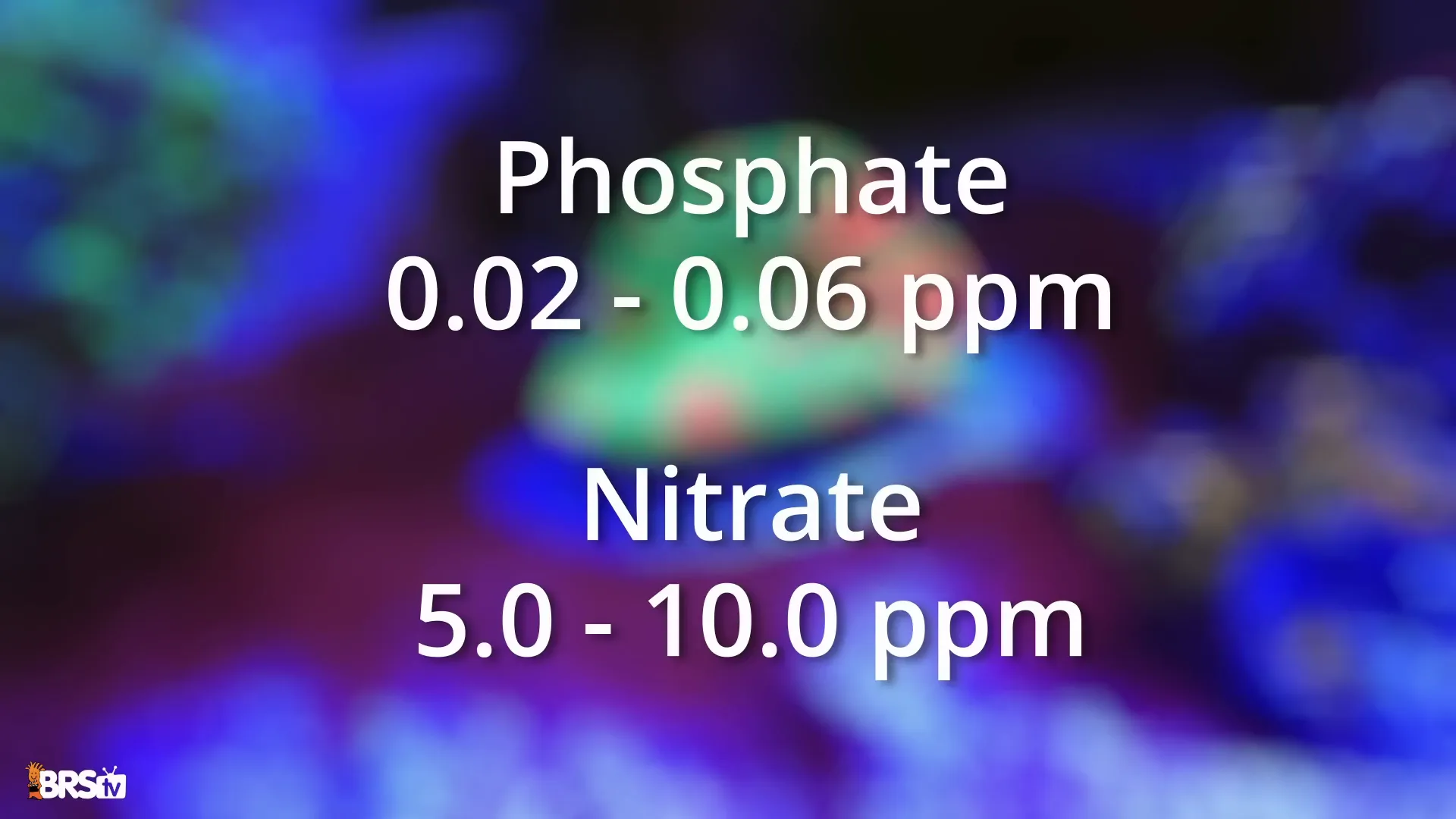
Testing and managing nutrient levels is also important. Aim to keep phosphate between 0.02 and 0.06 ppm, and nitrate between 5 and 10 ppm. While excess nutrients alone don’t cause cyanobacteria, they do fuel its growth.
4. Increasing Flow and Reducing Dead Spots
Cyanobacteria thrives in stagnant, low-flow areas. Enhancing water movement can make it much harder for cyanobacteria to settle and spread.
Tips to improve flow include:
- Adjusting the position of circulation pumps to eliminate dead zones.
- Increasing flow rates on existing pumps where possible.
- Adding additional pumps to boost circulation in problem areas.
Instead of blasting cyanobacteria directly, focus on creating random, turbulent flow patterns that prevent detritus from settling in corners, behind rocks, or between structures.

5. Chemical Treatment as a Last Resort
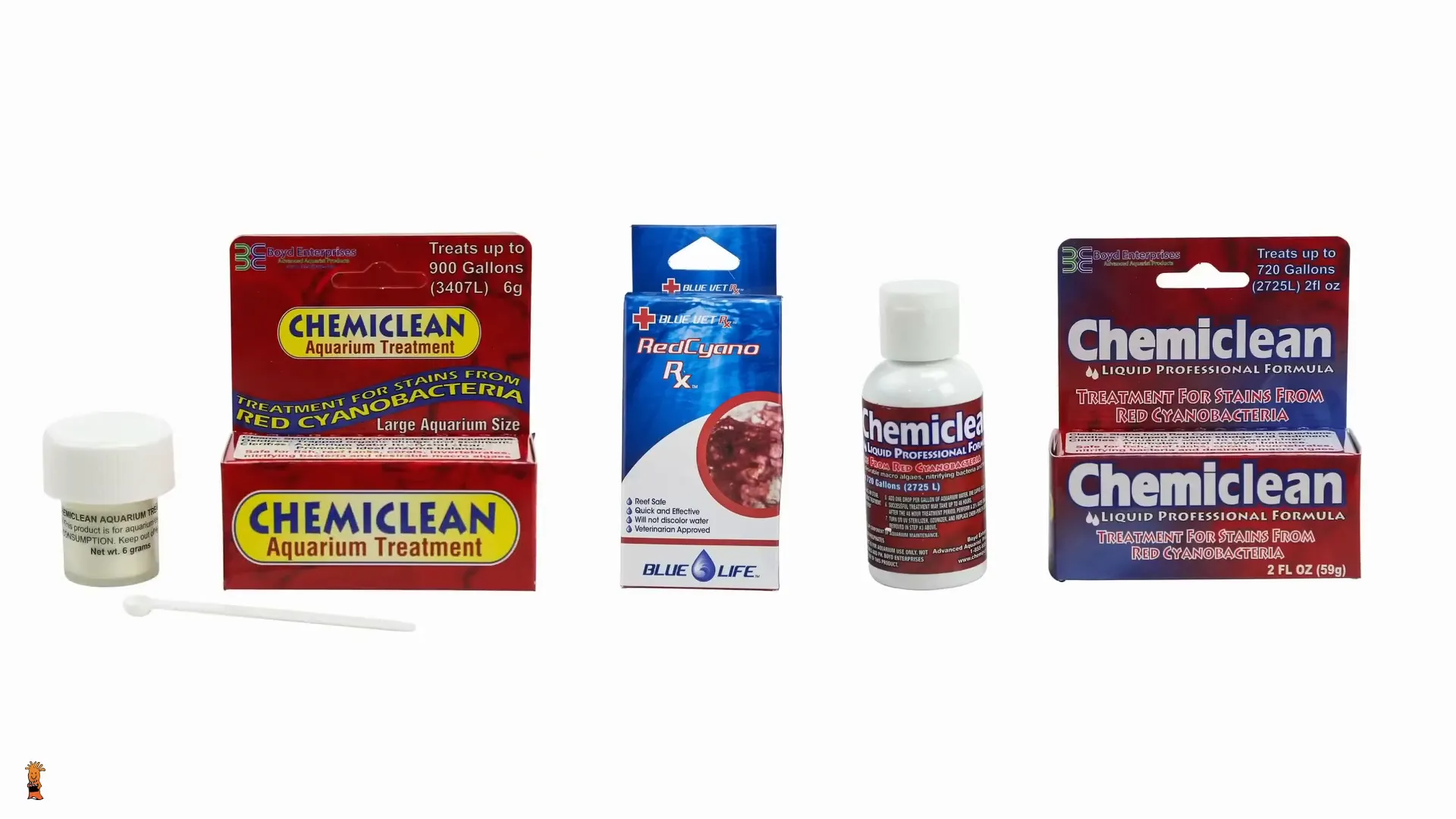
If cyanobacteria persists despite all the above efforts, chemical treatments like Chemiclean or red slime remover can be effective. These antibiotic products kill cyanobacteria quickly, clearing it from surfaces and allowing beneficial microbes to re-establish.
Important points when using chemical treatments:
- Follow the product instructions carefully to avoid overdosing.
- Only one or two doses over a few days are usually needed.
- Chemical treatment is most effective when combined with proper microbiome support, maintenance, and flow improvements.
Don’t rush to chemical treatments as the first step—they work best as a final nail in the coffin once other preventative measures are in place.
Conclusion: Stay Consistent and Let Nature Do Its Thing
Cyanobacteria outbreaks can be frustrating, but they are rarely a sign that you’ve “wrecked” your tank. Most reef tanks will overcome small outbreaks naturally as the microbiome matures and tank conditions stabilize.
By boosting your tank’s beneficial microbial community, maintaining good cleaning habits, optimizing water flow, and carefully applying chemical treatments if necessary, you can keep cyanobacteria in check and enjoy a healthy, thriving reef.
Remember, patience and consistency are key. Cyanobacteria is just one of many reef pests, and with the right approach, you can defeat it and many others.
Frequently Asked Questions About Treating Cyanobacteria
What exactly causes cyanobacteria outbreaks in reef tanks?
Cyanobacteria outbreaks typically occur due to an immature or imbalanced microbiome, excess nutrients (phosphates and nitrates), and stagnant water flow areas where detritus accumulates.
Can I completely prevent cyanobacteria from entering my tank?
Unfortunately, no. Cyanobacteria is nearly impossible to exclude entirely because it can hitchhike on live rock, sand, corals, fish, and even through water changes or airborne spores.
Are chemical treatments safe for corals and fish?
When used correctly and according to instructions, products like Chemiclean are generally safe. However, overdosing can harm tank inhabitants, so careful dosing and monitoring are essential.
How long does it take to get rid of cyanobacteria?
Small outbreaks can resolve naturally over weeks as the microbiome matures. Manual removal and maintenance can speed this up. Chemical treatments can clear cyanobacteria within days but require proper follow-up care to prevent recurrence.
Which cleanup crew animals help control cyanobacteria?
Missouri snails, fighting conchs, and sand-sifting starfish all help aerate the sand bed and consume excess food and detritus, reducing nutrients that fuel cyanobacteria growth.
This article was inspired from the video Help! I Wrecked My Tank Ep. 5 - Tackling Cyanobacteria | Drop a like and subscribe to show your support!