Jimmy from Fritz Aquatics recently spent a day at Top Shelf Aquatics with Blaine digging into everything a beginner needs to know about picking their first corals. If you’re reading this because you searched for "Beginner Coral" tips, you’re in the right place. In this guide I’ll walk you through soft corals, LPS, SPS, grafted pieces, aquaculture advantages, placement, feeding, and real-world shopping tips so you can walk into a shop with confidence and come home with healthy choices.
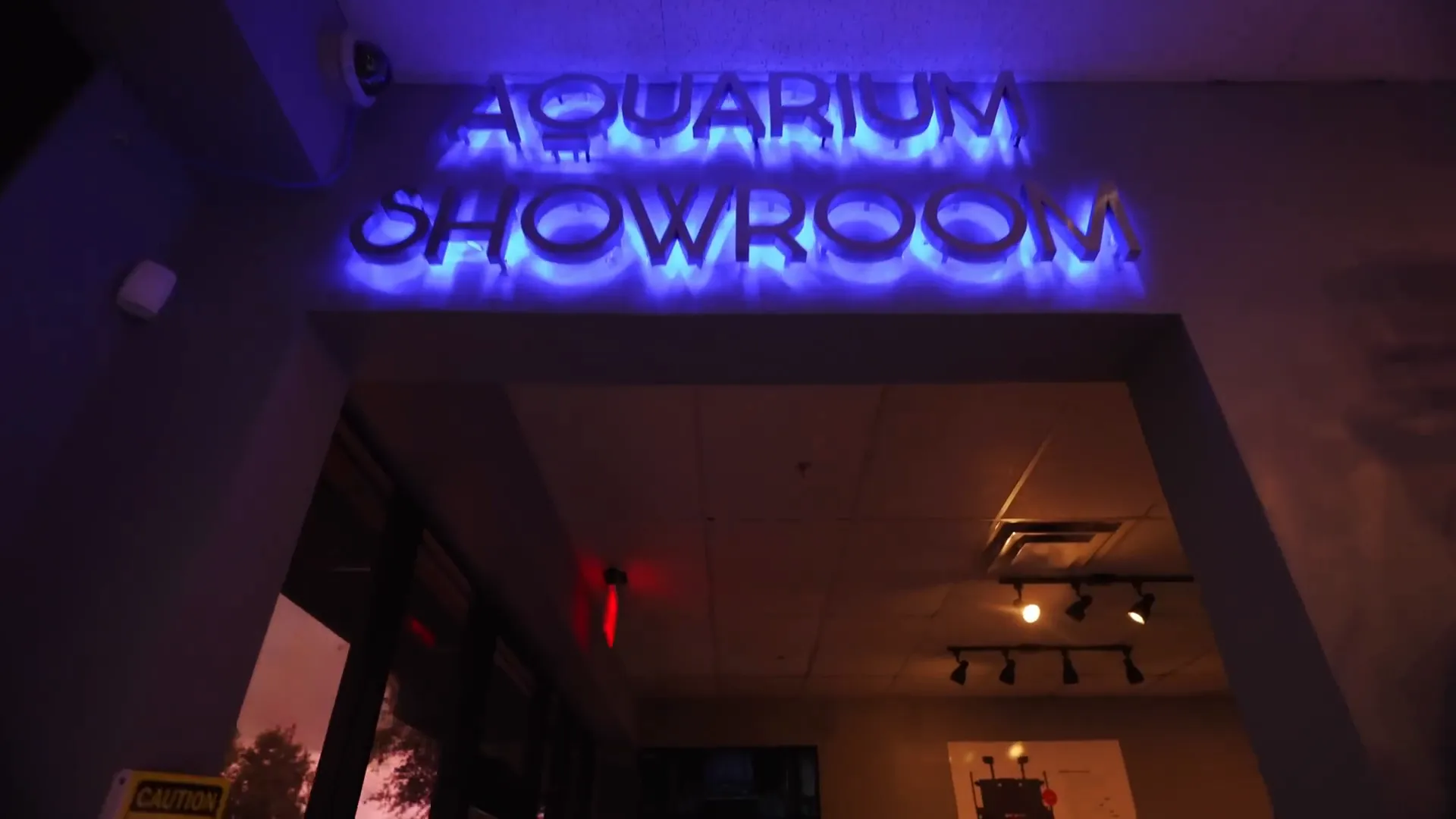
Table of Contents
- Why start with a Beginner Coral? The mindset and expectations
- Three Categories: Softies, LPS, SPS — the progression
- Why aquacultured Beginner Coral matters
- Top Beginner Coral picks and why they work
- Placement, light and flow — how to pick spots for your Beginner Coral
- How corals show stress — read their signals
- Feeding — what Beginner Coral owners need to know
- Quarantine, acclimation and fragging basics
- Zoanthid gardens and colour theory
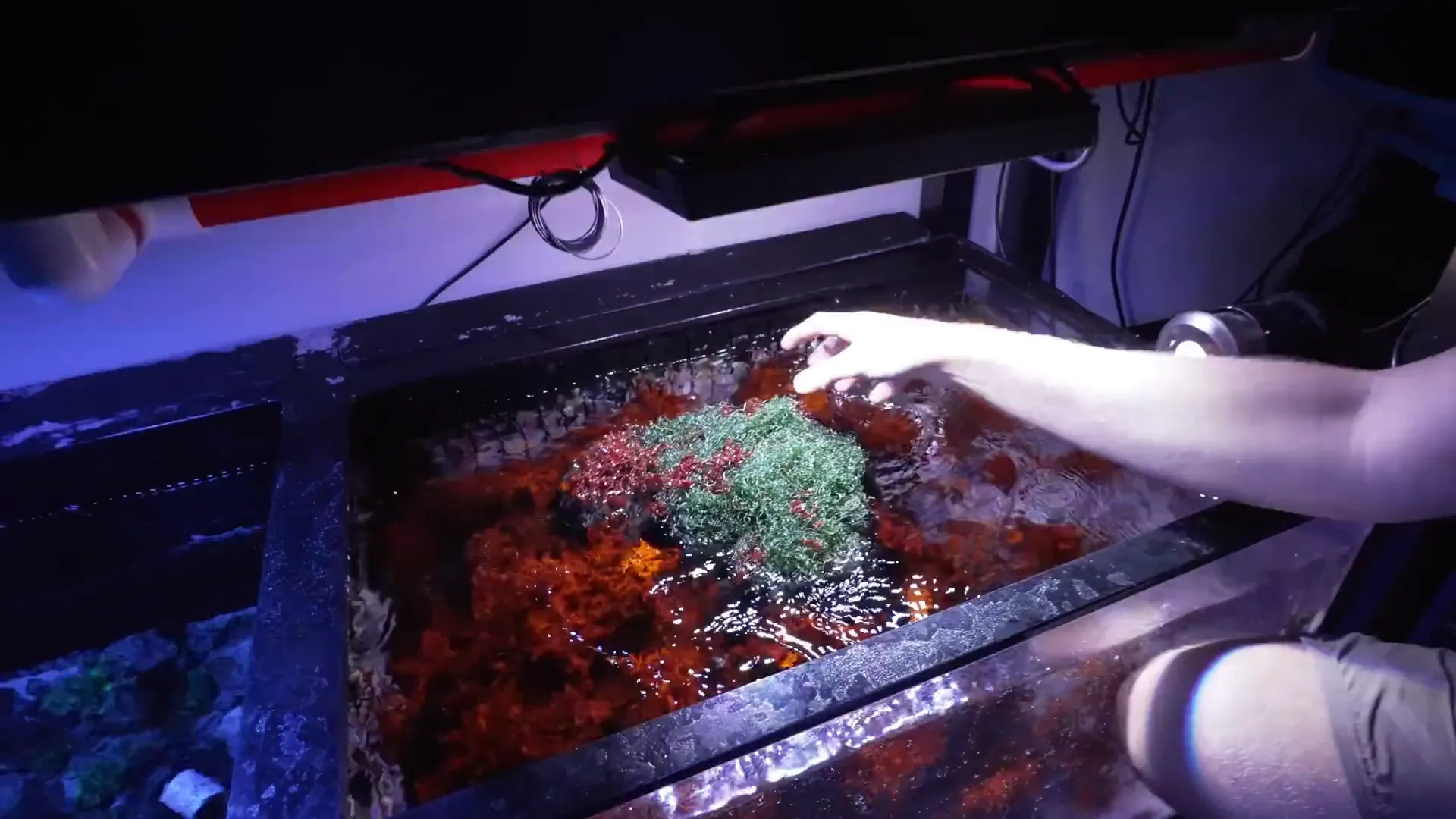
- Macroalgae refugiums and nutrient control
- Coral warfare: sweepers and spacing
- Costs, value and choosing your first purchases
- Grafted corals and designer pieces — what are they?
- Practical shopping checklist for your first Beginner Coral
- Common beginner mistakes and how to avoid them
- Why every tank is unique — and why that’s okay
- Putting it together: a simple beginner bio-load plan
- FAQ — Beginner Coral questions answered
- Final thoughts — your first steps as a Beginner Coral keeper
- Resources & next steps
Why start with a Beginner Coral? The mindset and expectations
Stepping from freshwater into saltwater and reef keeping felt intimidating for me the first time. If you’re thinking about adding a Beginner Coral, remember the single best piece of advice I got from Blaine: do your research first. Saltwater is similar to freshwater in many ways — same basic needs of clean water, stable chemistry, and good husbandry — but there’s one major added factor: salt. That addition changes how corals interact with light, flow, and nutrients.
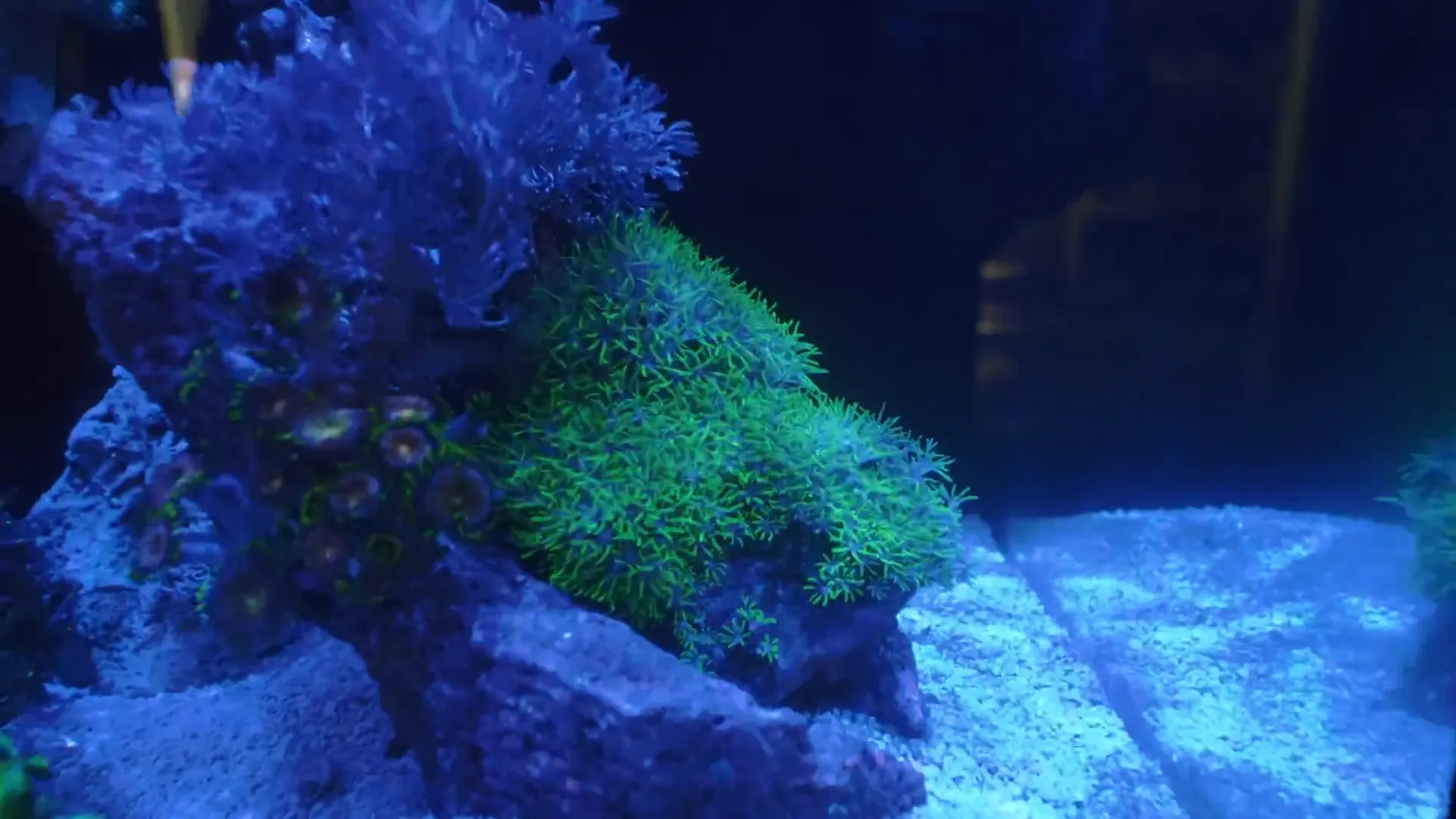
When people ask, “Where do I start?” I usually recommend starting with corals that are forgiving. The easiest entry point is soft corals — mushrooms, zoanthids, GSP, pulsing xenia, and leather corals. These are the corals that most often earn the label Beginner Coral for good reason: they tolerate a range of light and flow, they’re often hardy during shipping and acclimation, and they’re usually less expensive than the rare grafted or high-end LPS pieces.
Three Categories: Softies, LPS, SPS — the progression
Blaine explained the common way hobbyists think about coral difficulty: soft corals, then LPS (large polyp stony), then SPS (small polyp stony). Think of it as a graduation. Start slow, gain confidence, then try something more demanding. That said, this is a guideline, not a prison. Many corals sit comfortably between categories and some individuals have great success keeping corals others can’t.
- Soft Corals (best starting point) — Mushrooms (Rhodactis), pulsing xenia, GSP, clove polyps, leathers. Low to moderate light; forgiving of flow and nutrient swings. Great for building confidence as your first reef pieces.
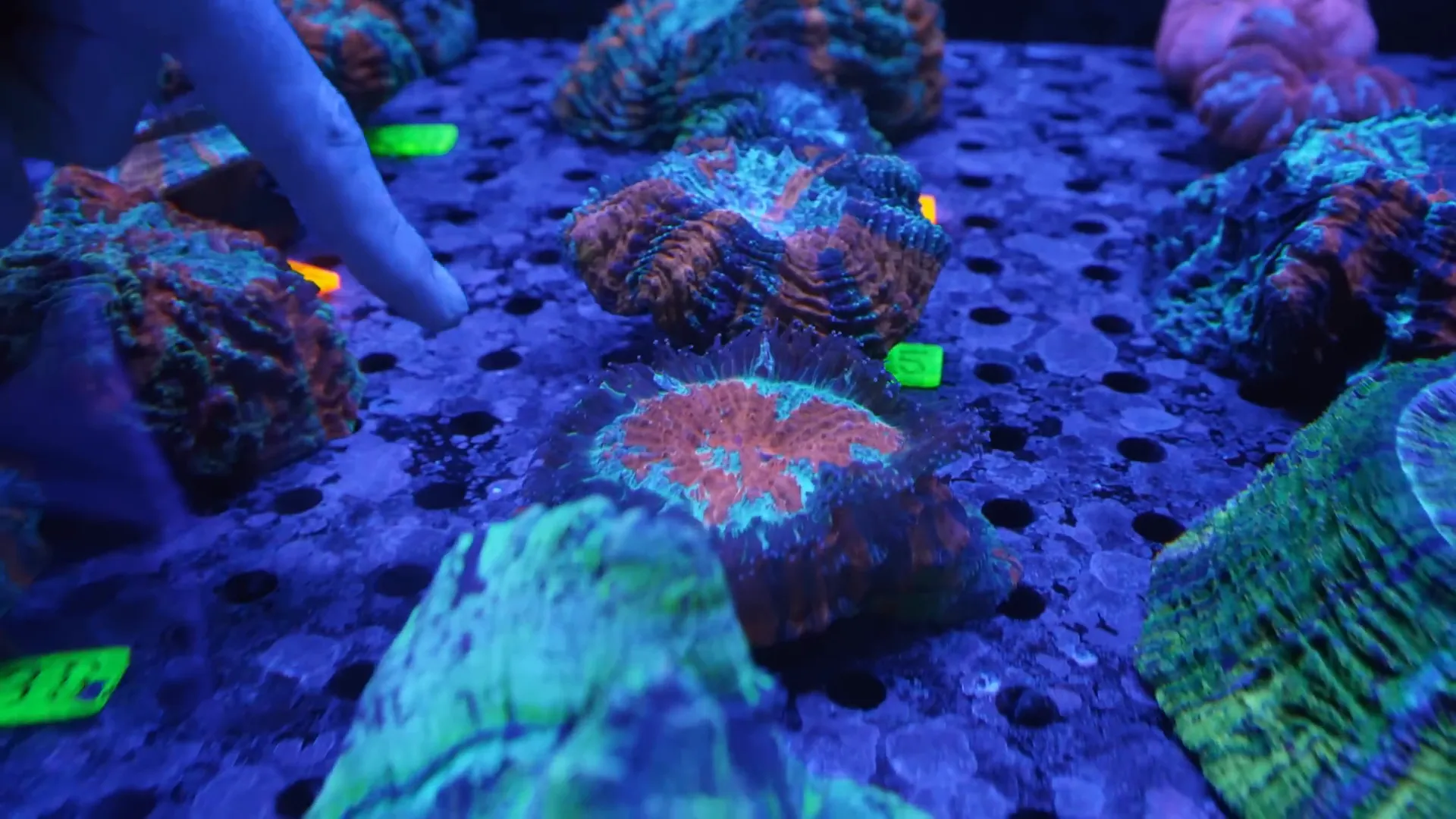
- LPS Corals (next step) — Torches, frogspawn, hammer, acans, chalices. Often require targeted feeding and moderate light/flow. Many can be very dramatic visually and are a common “second coral” after softies.
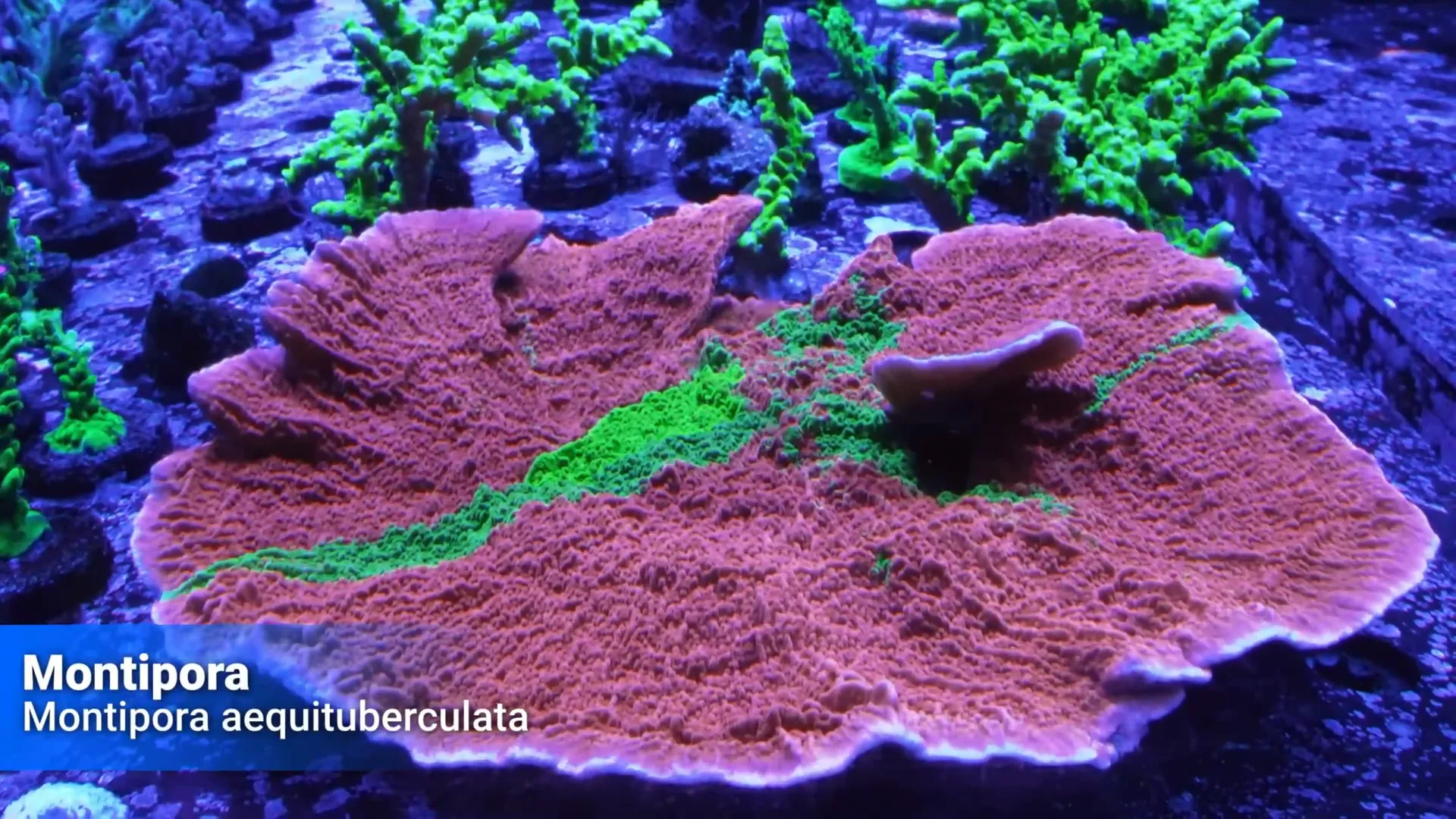
- SPS Corals (advanced) — Acropora, Montipora, Stylophora and others. Highest demands on stable parameters, light, and flow. Some SPS like Stylophora or certain Montiporas are considered easier entry-level SPS and are recommended as a first SPS attempt.
Across these groups, you'll find plenty of viable Beginner Coral options — especially if you pick species that are known to be hardy or that have been aquacultured for generations.
Why aquacultured Beginner Coral matters
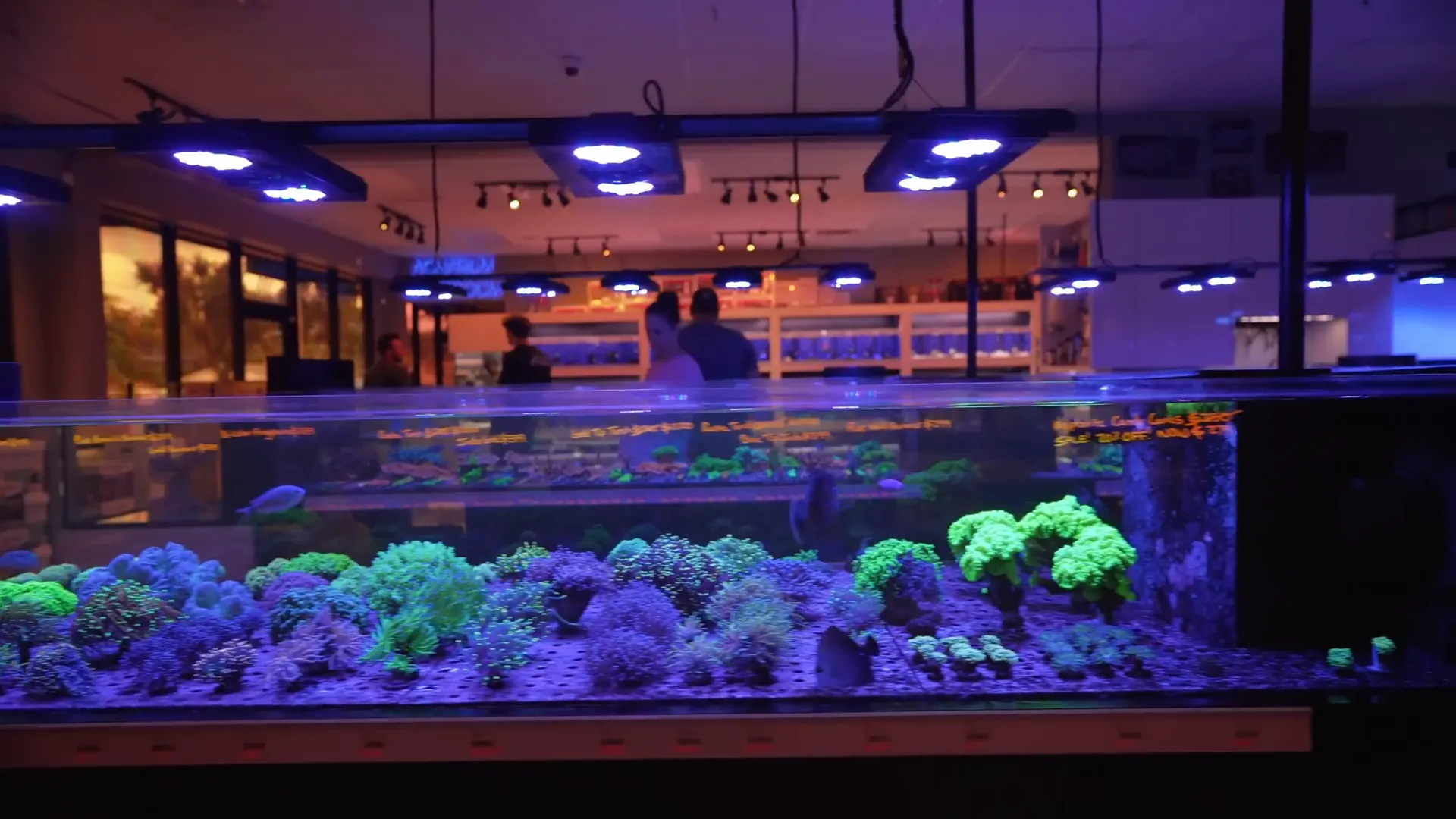
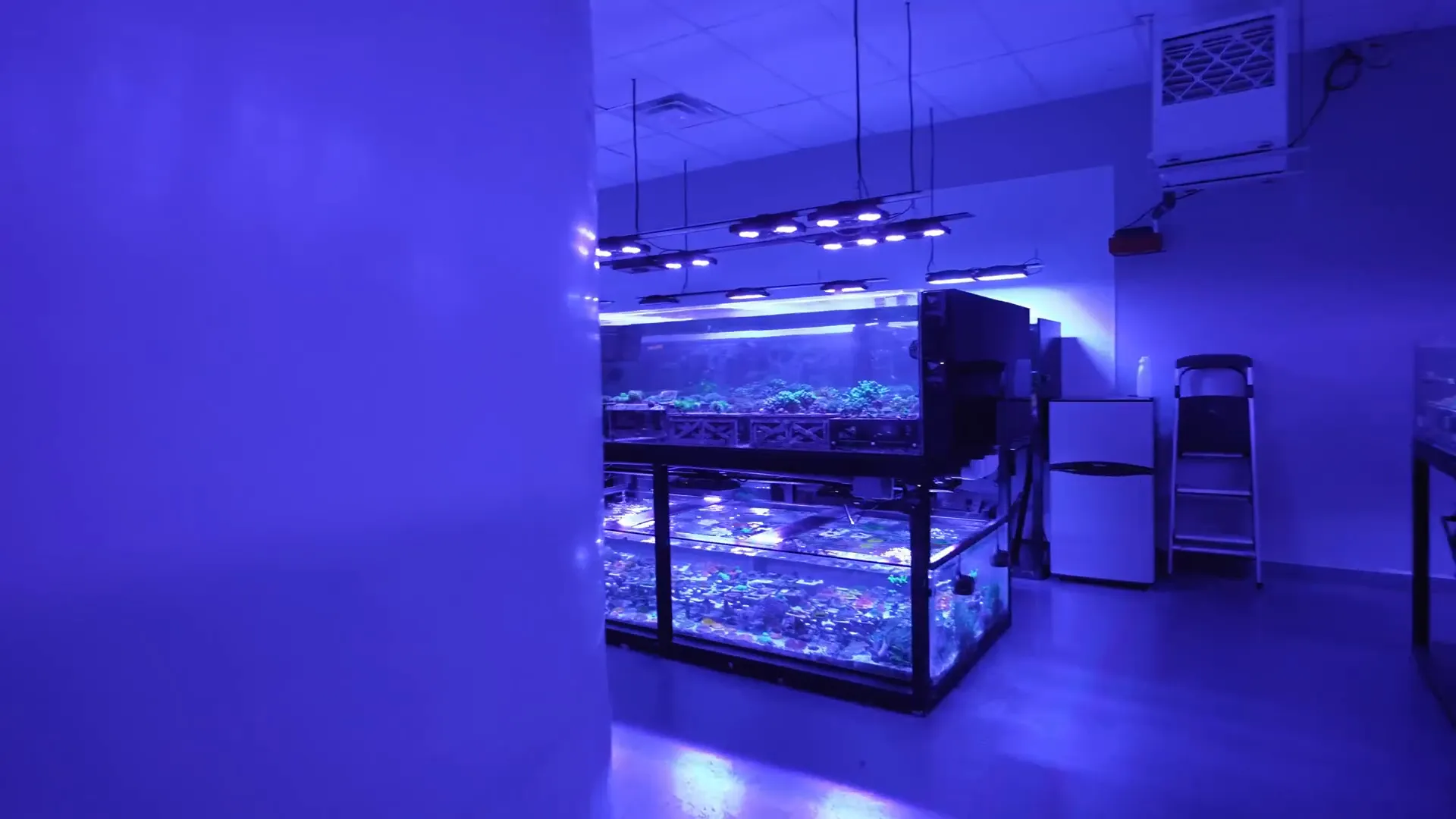
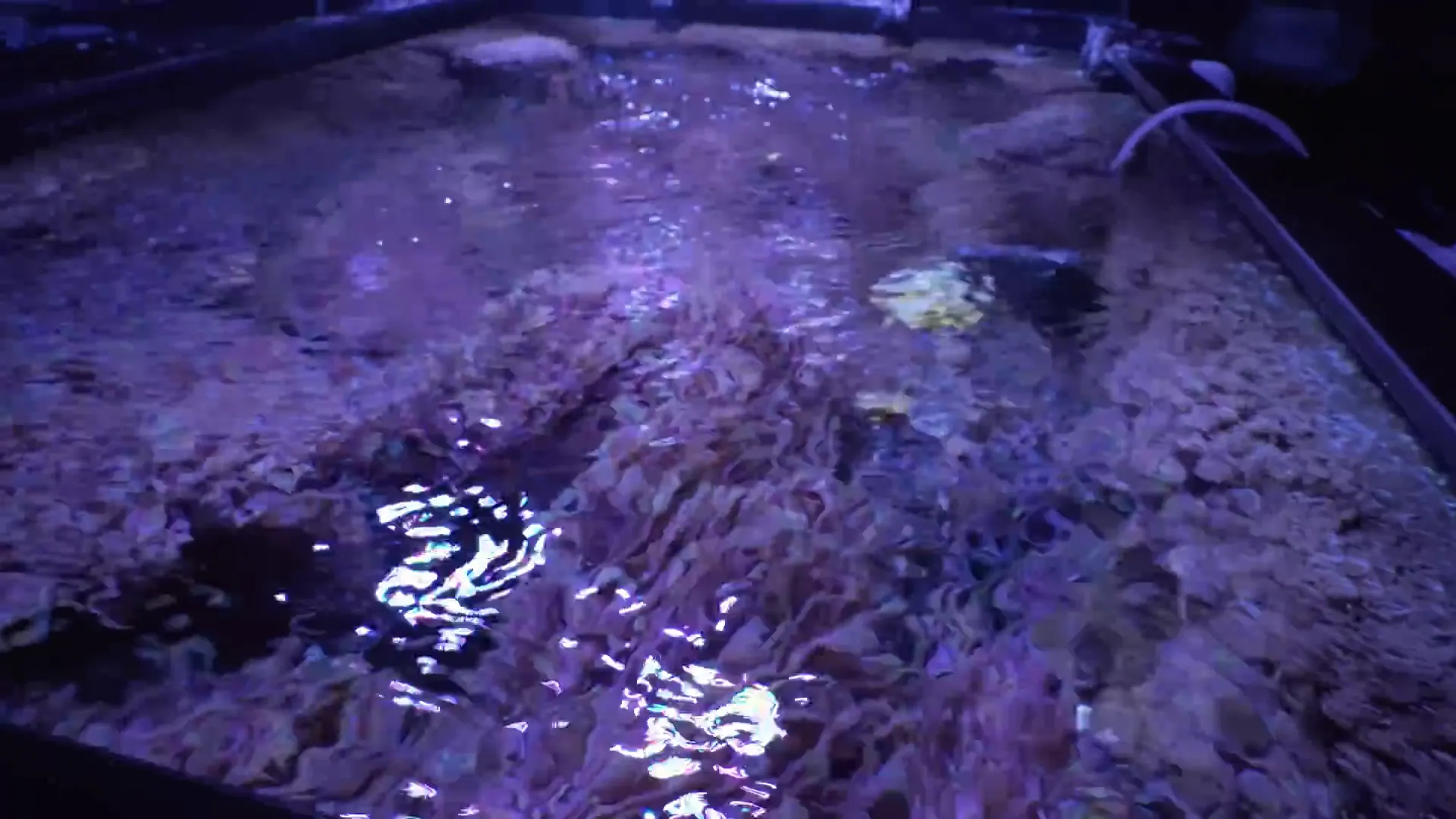
One of the highlights of my visit to Top Shelf Aquatics was seeing their on-site aquaculture facility — a 30,000-gallon coral farm behind the retail store. Aquacultured corals are raised in tanks rather than collected from reefs. For a beginner, aquacultured corals offer major advantages:
- They’re acclimated to aquarium life and often adapt better to new home tanks.
- They reduce pressure on natural reefs and support sustainable hobby practices.
- They come in a wider range of colours and strains because farms selectively grow and frag them.
- They’re often sold with care recommendations and a track record of being hardy.
Buying aquacultured corals is one of the best moves when you choose your first Beginner Coral.
Top Beginner Coral picks and why they work
During the tour I asked Blaine for specific, practical picks. Here’s a refined list of coral types and strains that make excellent starters for someone buying their first corals.
Soft Corals — guaranteed bang for your buck
- Mushroom corals (Discosoma, Rhodactis) — tolerant of a wide range of conditions, come in vivid colours, and can be placed in many tank locations. A fantastic Beginner Coral choice.
- Pulsing Xenia & Suspitularia — pulsing, mesmerising motion that hooks people into reefkeeping. They can spread quickly, so treat them like trusted friends: give them their own space or an island in the sand to prevent takeover.
- Green Star Polyps (GSP) — excellent carpet formers. They will grow fast and can carpet rock or back walls under the right conditions. Easy to keep and another classic Beginner Coral.
- Clove Polyps — fast-growing soft corals with beautiful polyps. They form mats and can spread quickly so they’re easy to maintain and propagate.
Each of these soft corals demonstrates why “Beginner Coral” is often shorthand for corals that can survive a newbie’s inevitable mistakes while still adding life and motion to the tank.
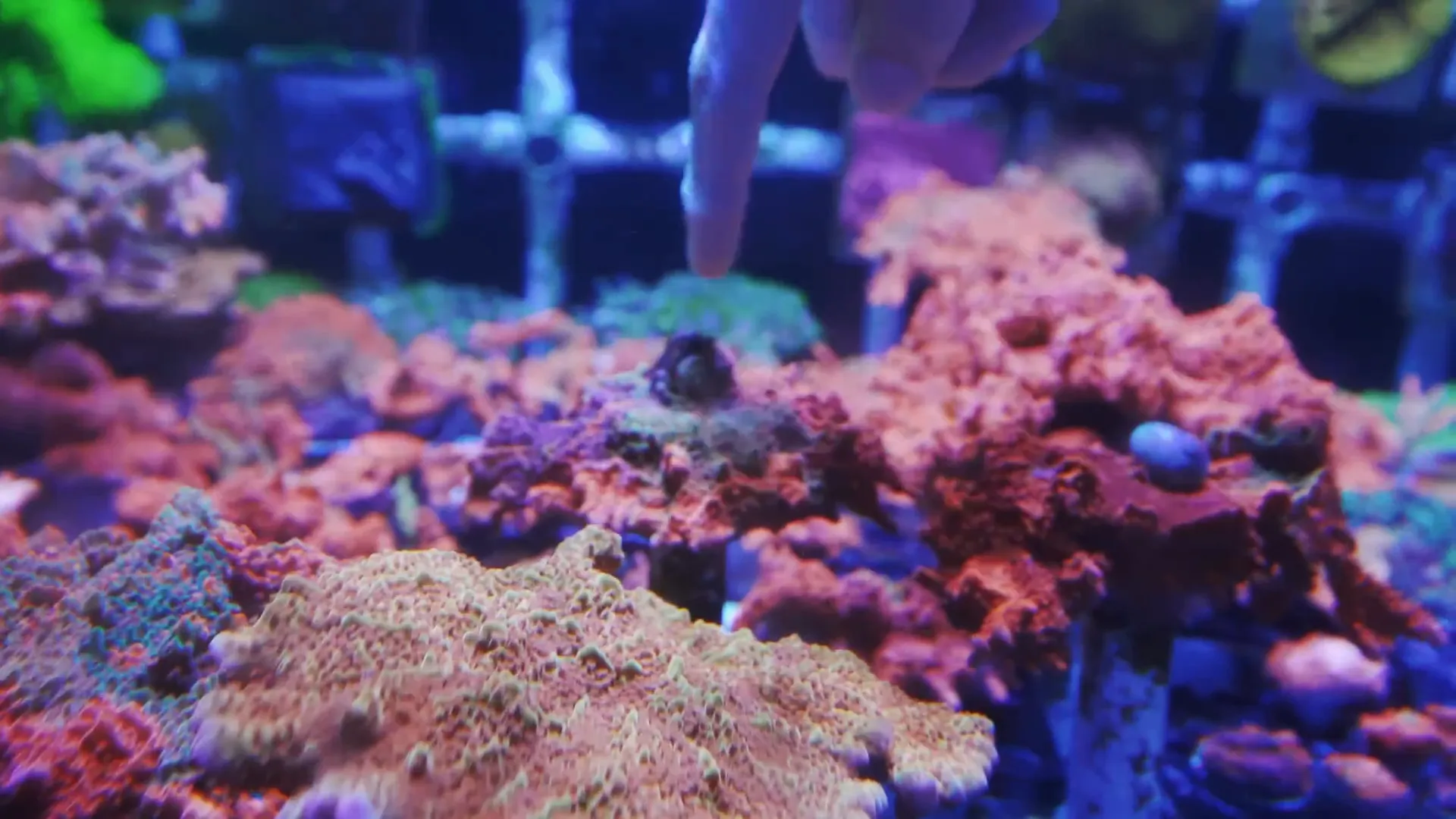
LPS Corals — the ‘personality’ corals
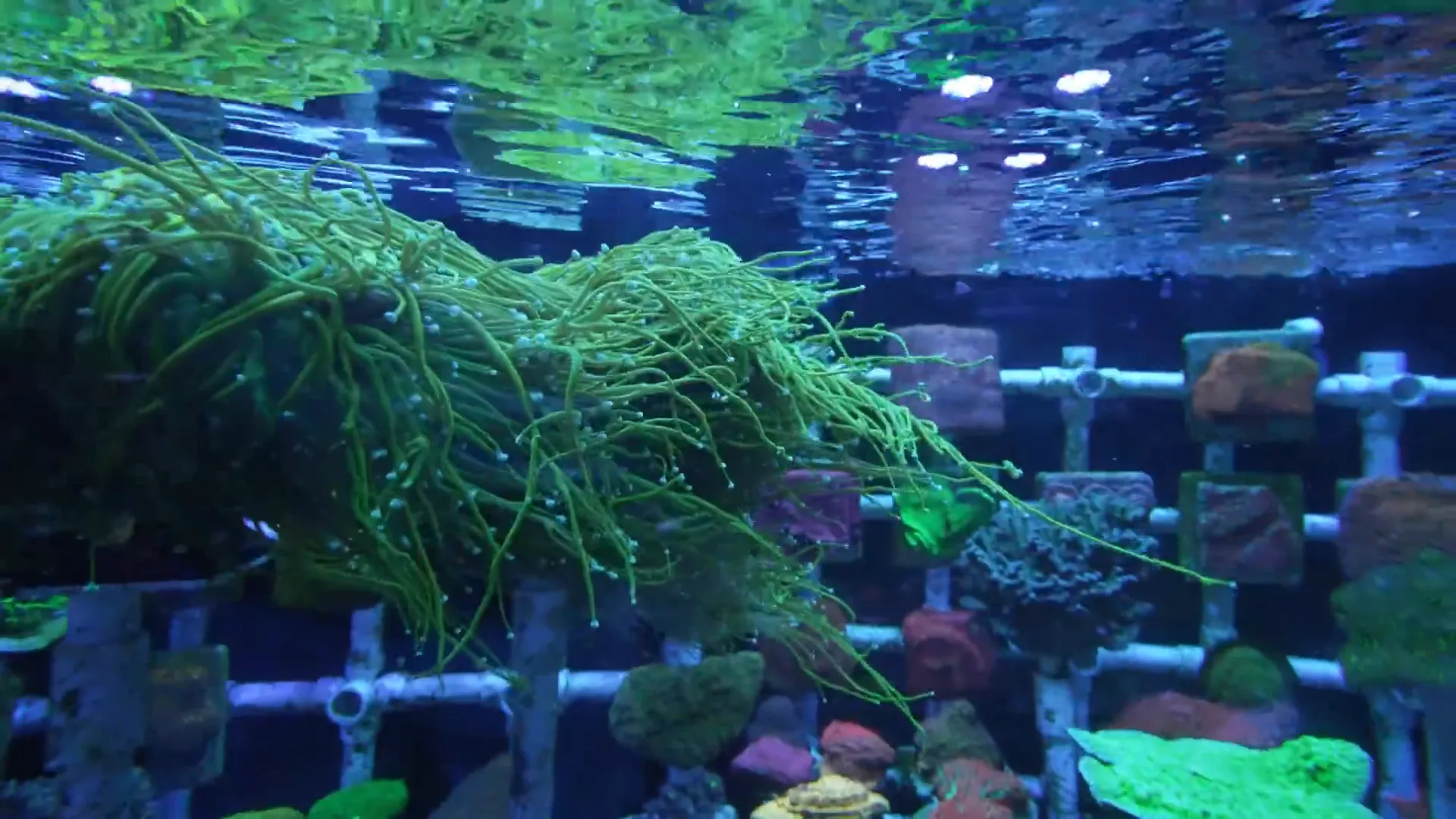
- Toadstools — elegant and flowing, with long polyps that sway. They like moderate light and flow and are forgiving.
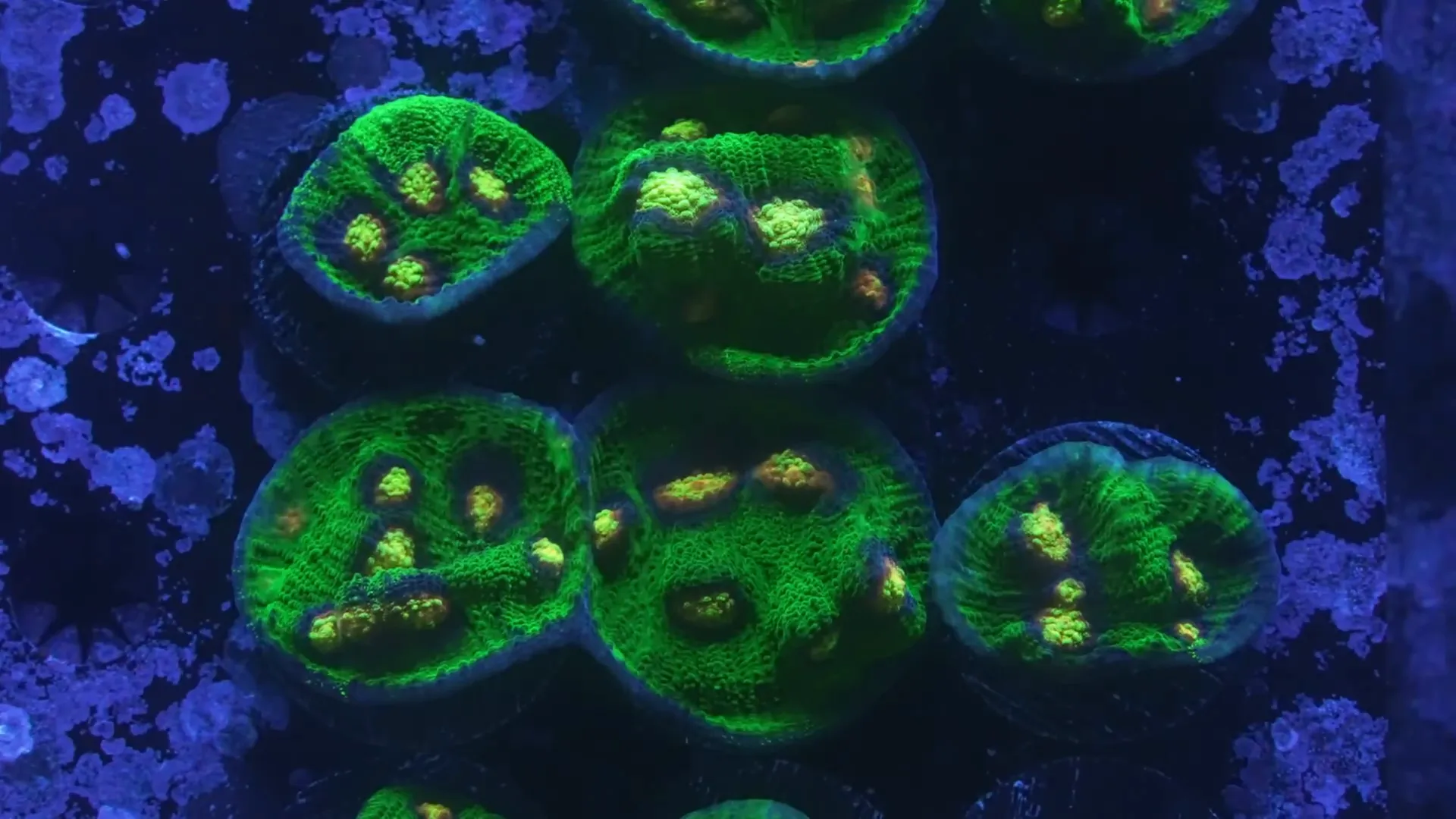
- Chalices — bright colours and often thrive in lower light or shadowy spots, making them perfect for using available tank real estate. Some chalices are excellent Beginner Coral picks.
- Favia / Favites — meaty polyp stony corals that are more robust than many think. They can be good intermediate Beginner Coral choices.
- Acans & Acanthastrea — colourful, sometimes picky, but many aquacultured strains are hardy and great targets for those wanting showy LPS as their Beginner Coral pick.
LPS corals often require target feeding; that’s a learning opportunity rather than a barrier. Feeding responsibly, monitoring parameters (calcium, alkalinity, magnesium), and stable salinity will keep your LPS thriving.
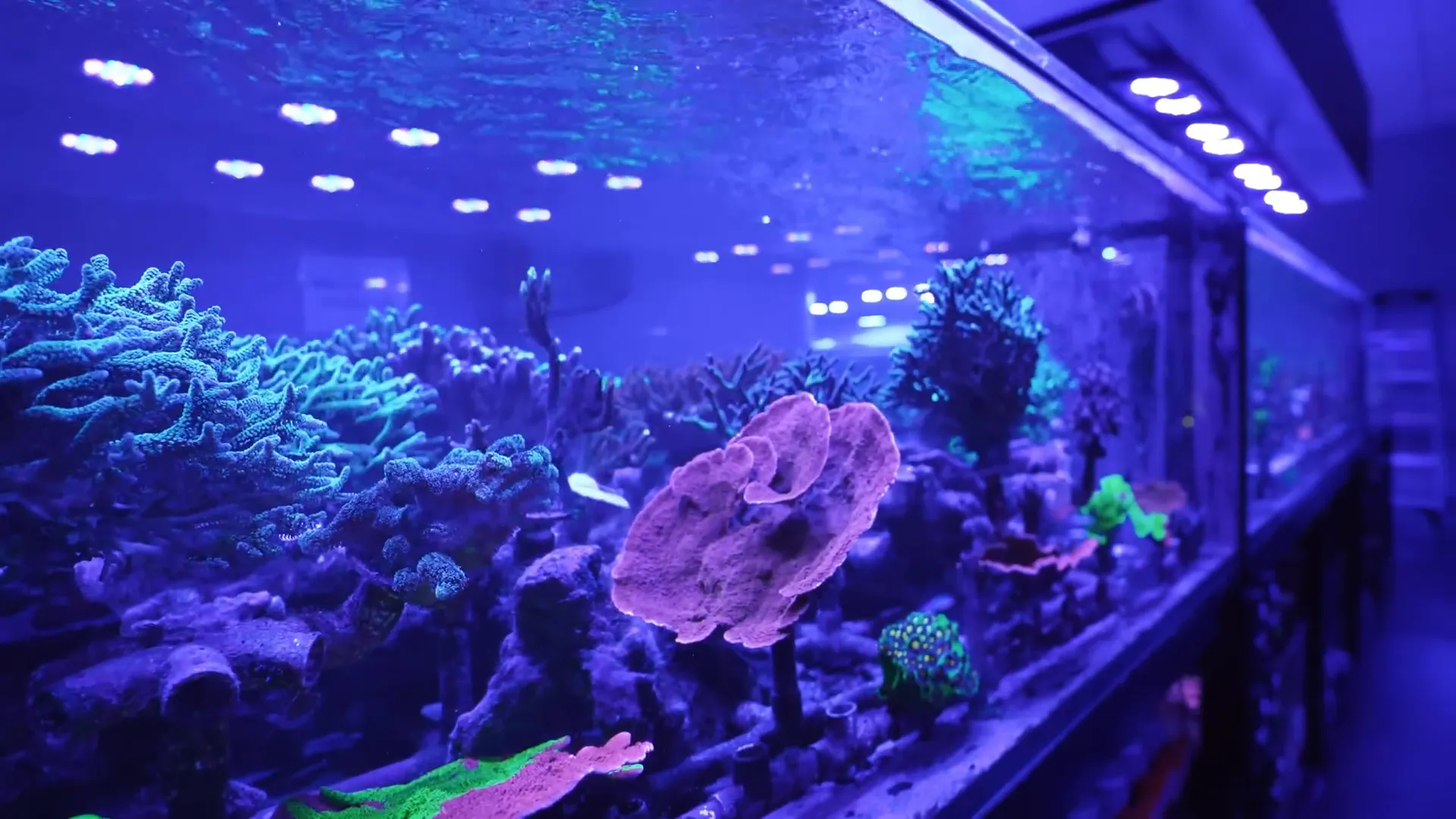
SPS corals — cautious but rewarding
SPS corals are often touted as difficult, but not all SPS are equally demanding. For someone stepping up from softies and LPS, these SPS choices are reasonable first SPS trials:
- Stylophora (Stylo) — an SPS that’s relatively forgiving and doesn’t always demand extreme light, making it a good beginner-friendly SPS.
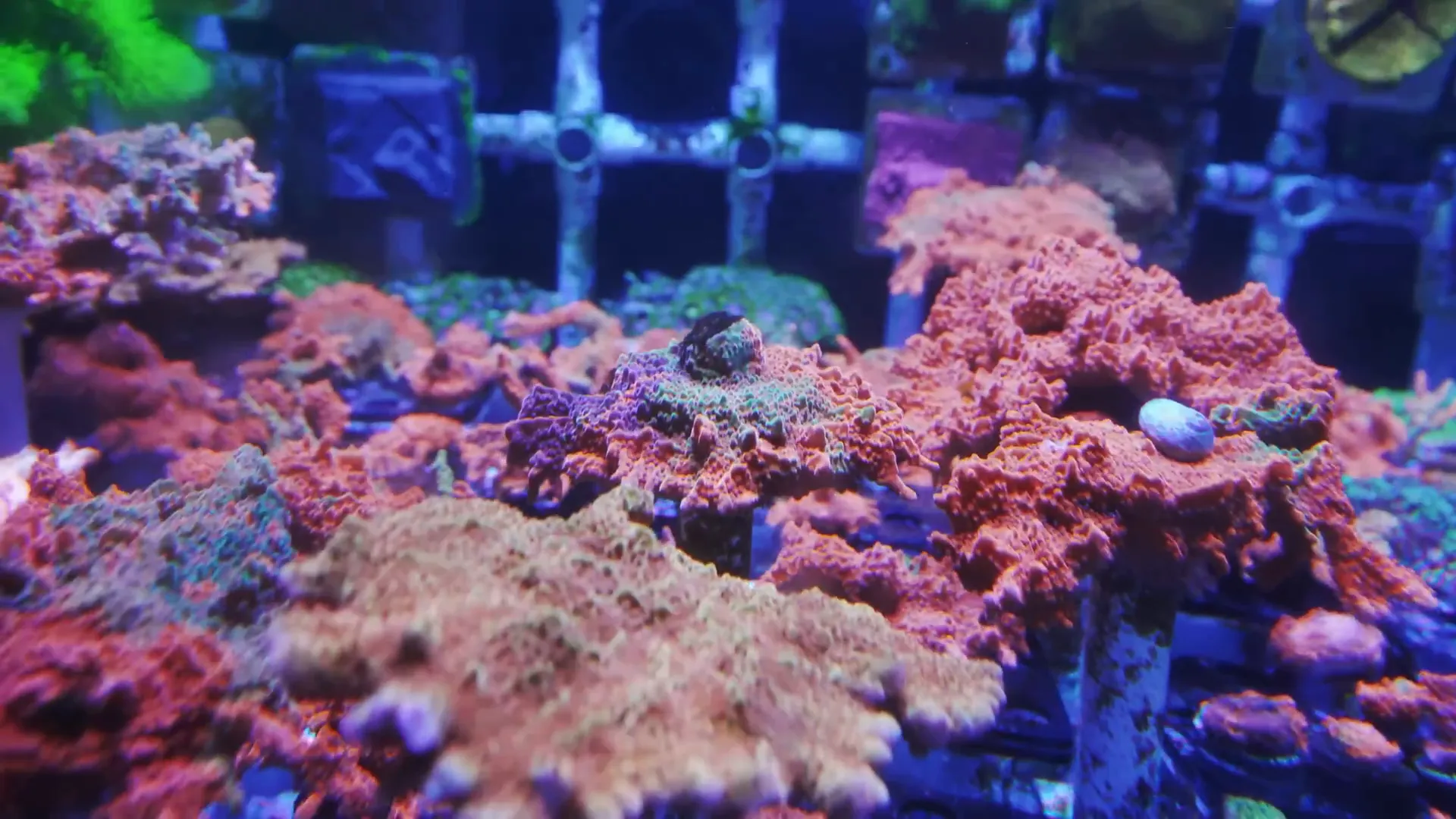
- Montipora (Mmonti) — many varieties are resilient and fast-growing, especially encrusting and plating forms.
- Cyphastrea — encrusting SPS that can tolerate a range of flows and lights; a worthy Beginner Coral candidate among SPS.
- Montipora setosa and certain Satosas — Blaine singled out orange and red setosa as reasonable SPS for beginners; avoid heavily grafted or high-priced variants until you’re confident.
These SPS flavors let you – as a developing hobbyist – learn the stricter demands of light, flow, and stable parameters while avoiding the heartbreak of losing extremely delicate species.
Placement, light and flow — how to pick spots for your Beginner Coral
One of the first practical questions you'll face is where to put a new coral. Two quick questions you should ask when buying any coral, even your first Beginner Coral, are:
- How easy, medium, or hard is this coral to keep?
- What light and flow does it prefer — high, medium, low; strong flow or gentle flow; top-of-tank, mid-water, or low in the rockwork?
Blaine recommended that stores and websites provide a simple graph or label indicating low/medium/high flow and light. That’s something I’d love to see more widely adopted because it makes choosing your Beginner Coral far simpler. In practice:
- Softies like mushrooms and GSP: low to moderate light, low to moderate flow, middle to lower rocks or an island in the sand.
- Chalices and many LPS: lower light, moderate flow — excellent for shaded nooks.
- Stylophora and other SPS: higher light and higher flow, usually near the top of the tank or on elevated rockwork.
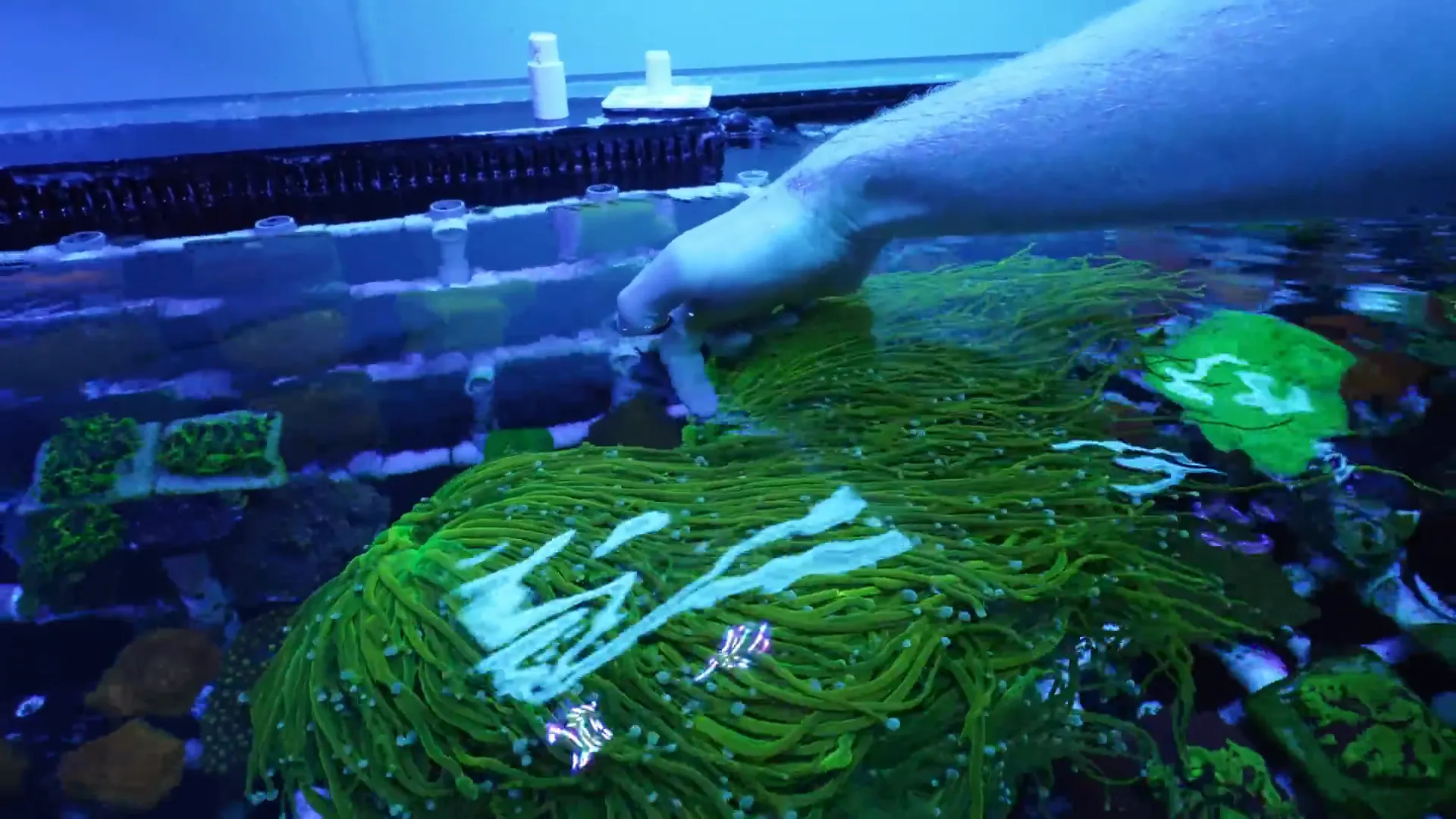
Also remember coral movement. Corals with long, flowing tentacles (gonis, goniopora, torch corals) attract viewers because they look alive. But long-tentacled corals can also send out sweepers to sting neighbours, so leave space, particularly for species known to wage chemical or physical warfare.
How corals show stress — read their signals
Corals are communicative. They change colour, retract polyps, stop pulsing, or even stop feeding when stressed. Two diagnostic examples I learned:
- A pulsing xenia that stops pulsing often points to a lack of trace elements or some water quality imbalance. If your pulsing coral slows or stops, it’s telling you something.
- Montes (Montipora) and other LPS can serve as canaries in the coal mine. If they lose colour, it’s time to check your water chemistry and feeding routines.
When selecting your first Beginner Coral, pick species that signal problems early and visibly so you can correct issues before they become serious.
Feeding — what Beginner Coral owners need to know
Not all corals rely primarily on photosynthesis. Many LPS and large polyp corals benefit from—or require—target feeding. A few practical feeding notes for anyone buying a Beginner Coral:
- Target feeding can improve growth and colour for LPS like acans and some chalices. You’ll need a pipette, a turkey baster or a targeted feeding tool to deliver meaty coral foods directly to the mouth area.
- SPS corals rely heavily on light and water nutrients; many don’t accept direct meaty feedings but benefit from dissolved organics and stable parameters.
- Some animals, like crinoids and certain sponge-like invertebrates, eat phytoplankton. If you keep these, you may need to dose live phytoplankton occasionally.
Feeding a coral is a balancing act: too much food can foul the water; too little and the coral may starve. For your first Beginner Coral, choose species that don’t require daily target feedings while you’re still learning the tank’s dynamics.
Quarantine, acclimation and fragging basics
Three operational steps every Beginner Coral owner should adopt are quarantine, careful acclimation, and learning frag basics.
- Quarantine — Even corals from reputable aquaculture facilities can carry pests. Quarantining new corals in a separate system reduces the risk of introducing unwanted hitchhikers like aiptasia, flatworms, or pests that attack corals.
- Acclimation — Slow acclimation to your tank’s temperature, salinity, and light prevents shock. For corals, drip acclimation or floating the bag under appropriate light before placement helps ease the transition.
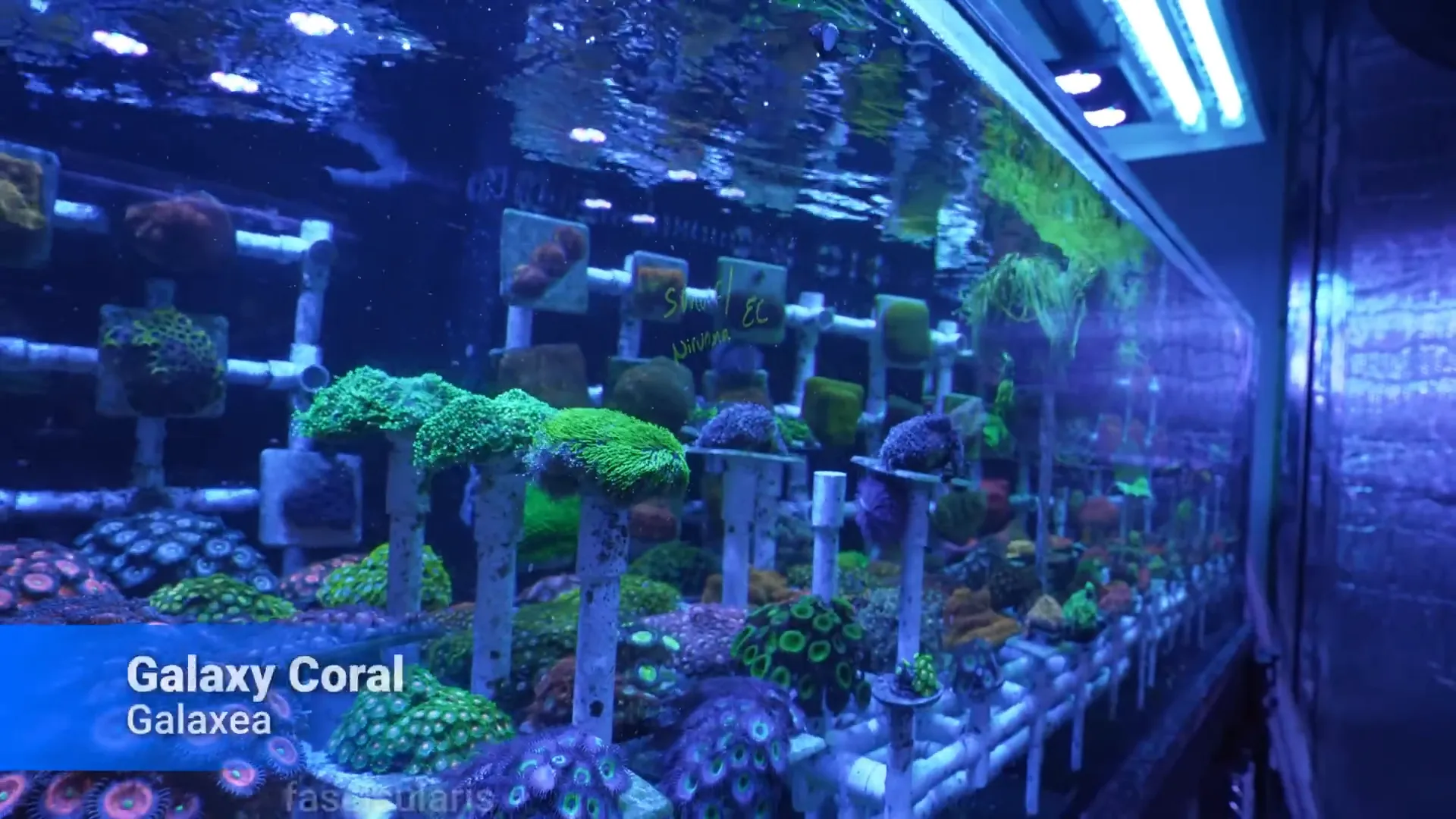
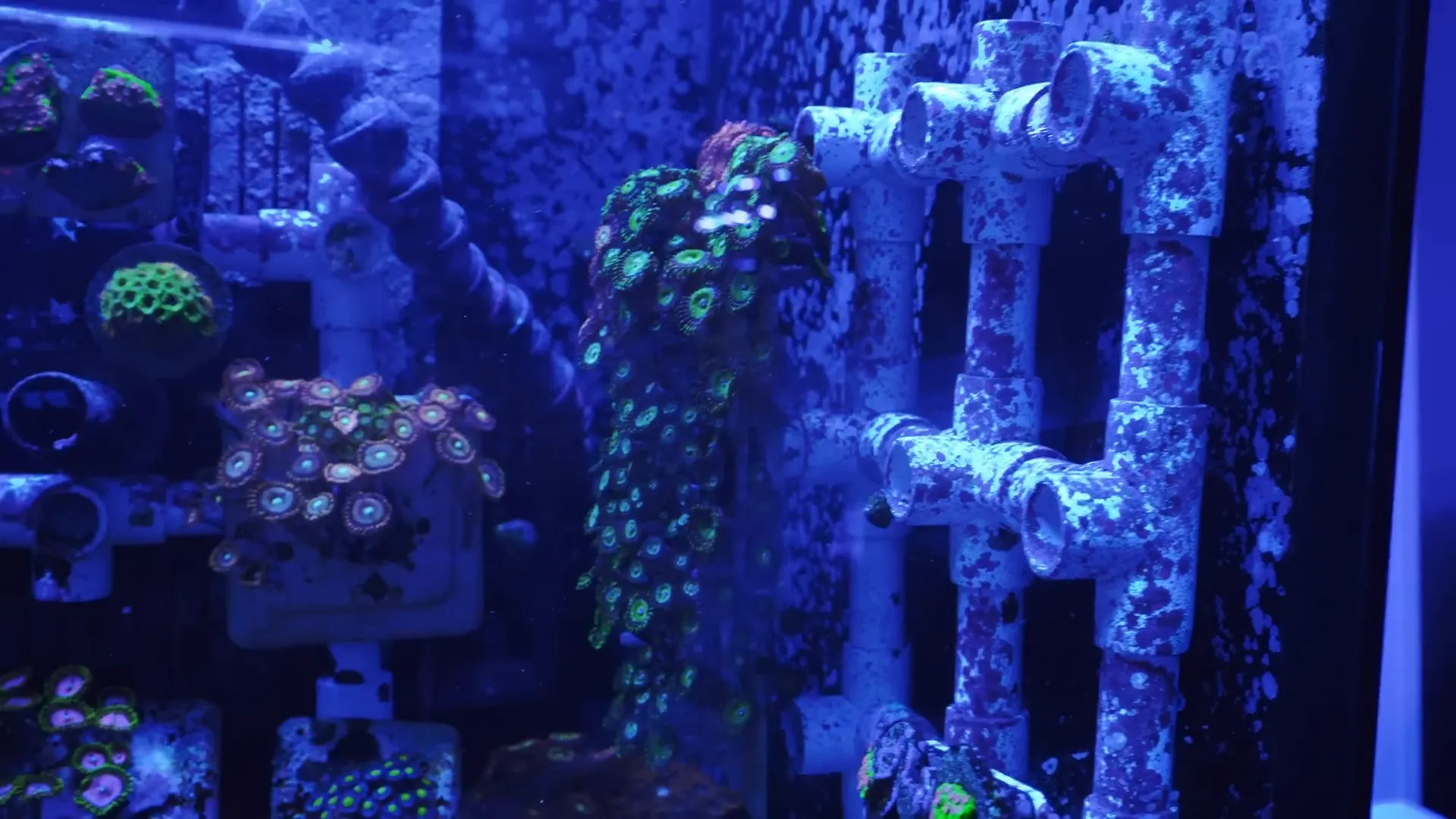
- Fragging — Practising fragging (cutting and propagating corals) is a skill you’ll appreciate. Fragging lets you control growth, create coral gardens, and remove problem neighbours. For soft corals that overgrow, or a GSP carpet you want contained, fragging and gluing to plugs or rock islands is how you manage them.
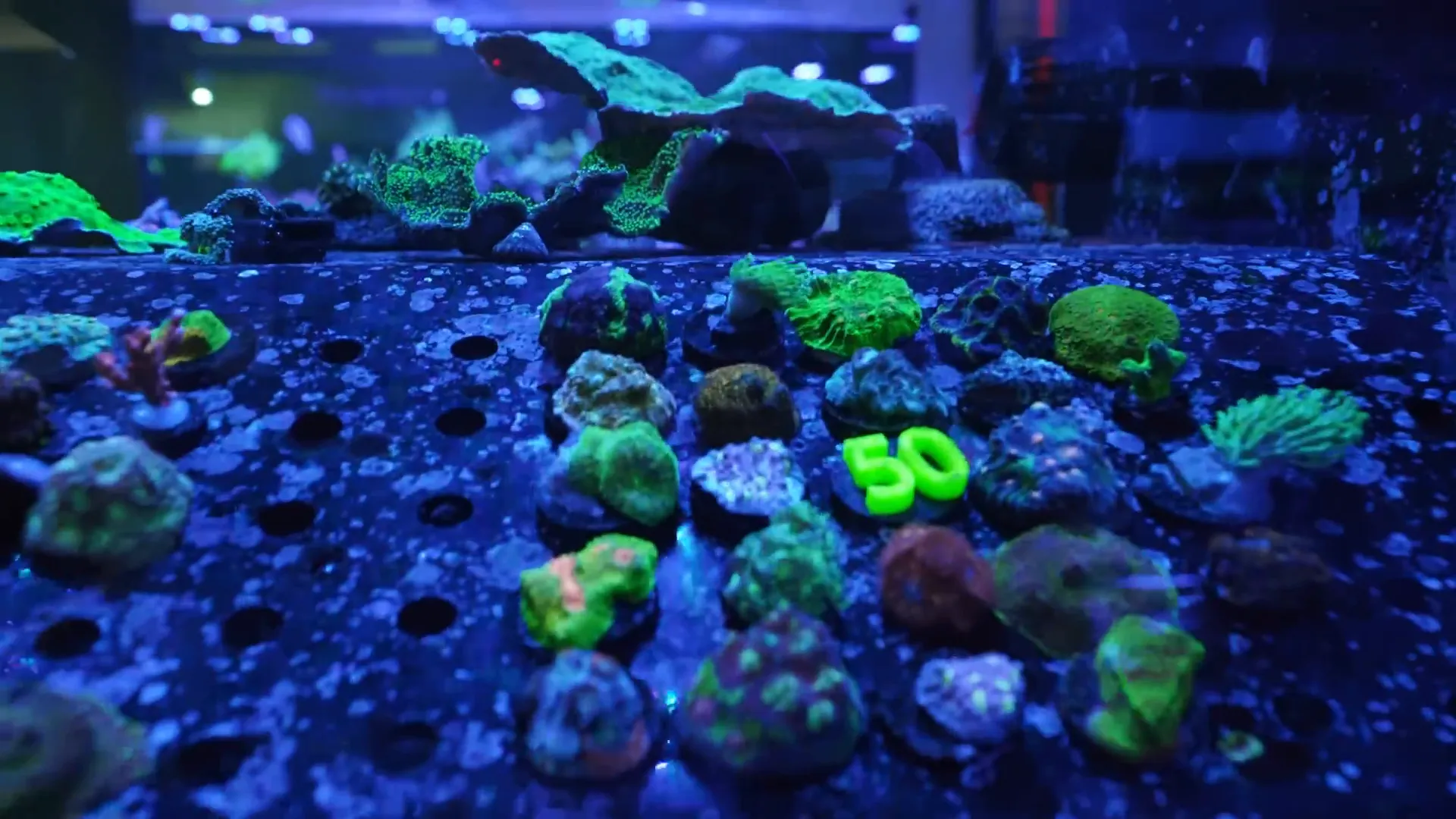
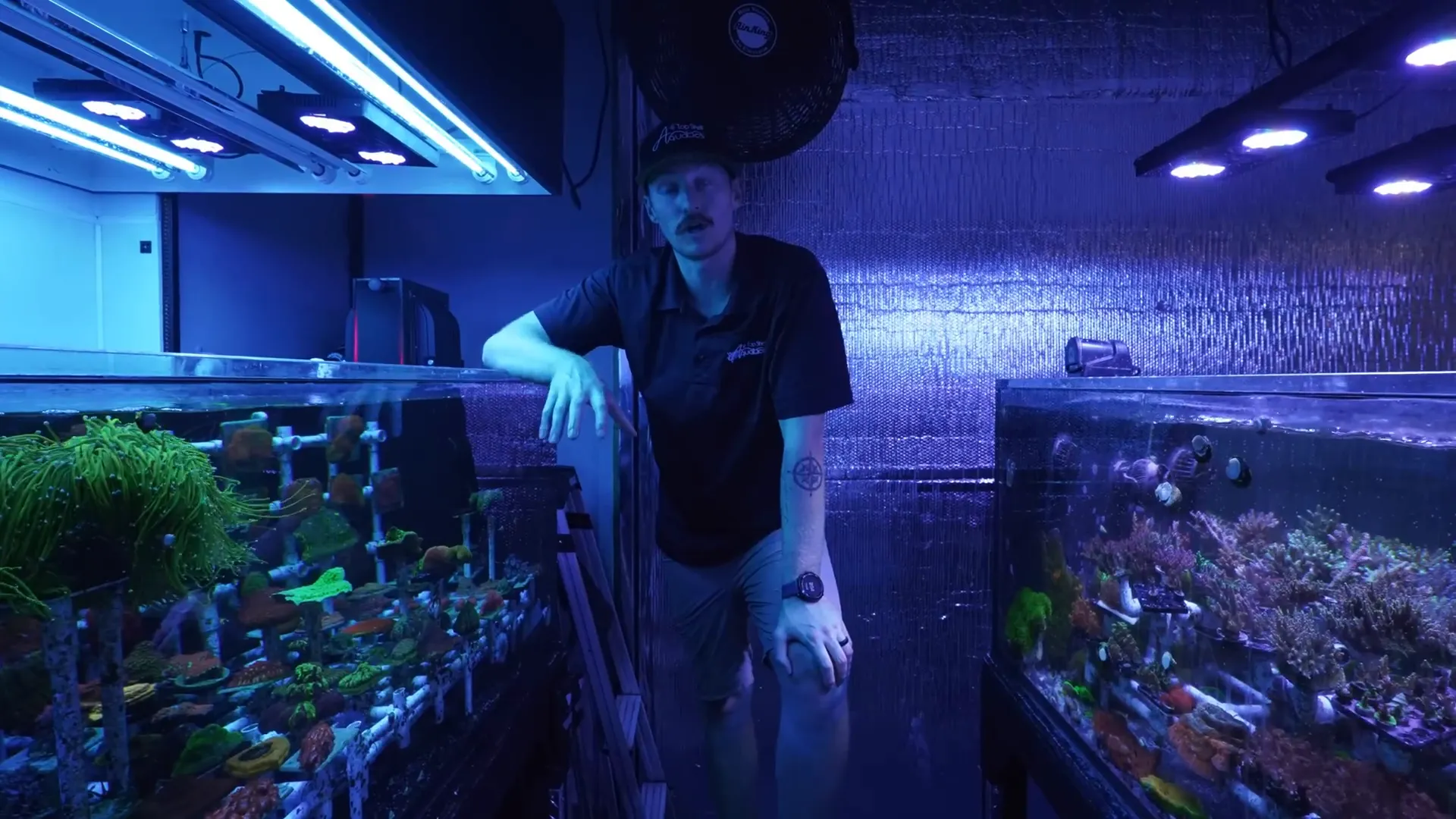
Top Shelf’s farm showcases how many corals are propagated on racks, glued to plugs, and grown out for sale. Buying a frag that’s been handled like this can make your first Beginner Coral journey much smoother.
Zoanthid gardens and colour theory
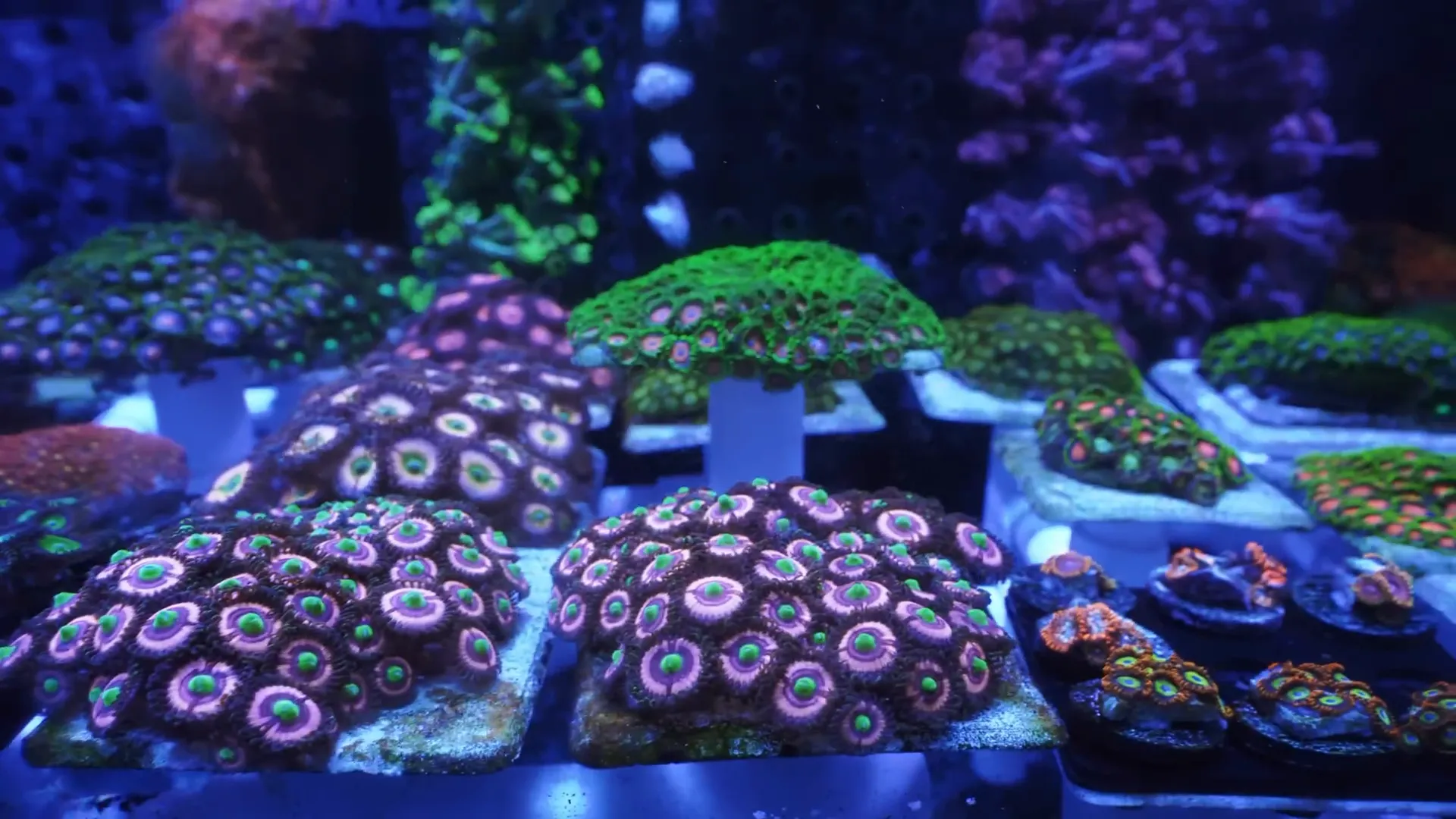
One of my favourite tips from the farm was how to plan a zoa garden. If you pick zoas as your first Beginner Coral, consider two simple rules:
- Pick the same polyp size — Zoas with similar polyp sizes are less likely to shade each other out and will grow more harmoniously.
- Use the colour wheel — For an eye-catching garden, place contrasting colours next to each other (orange vs. blue/teal) to make each pop. Blaine suggested thinking like a designer; contrast is your friend.
Zoanthids are accessible and decorative, but be cautious: some strains can be invasive in a tank and proper handling (gloves, eye protection) is recommended because of potential toxins.
Macroalgae refugiums and nutrient control
Keeping nutrients in balance is often the primary long-term challenge for reef tanks. One practical technique the farm uses is dedicated tanks or sumps planted with macroalgae (chaetomorpha) or fast-growing soft corals like xenia and suspitularia to soak up nitrates and phosphates. For a beginner coral keeper:
- Consider a refugium in your sump planted with macroalgae if nutrients are a long-term issue.
- Alternatively, regular water changes and responsible feeding are simpler approaches for smaller tanks. If you keep herbivores like tangs that graze macroalgae, grow it in the sump and feed it to them periodically.
Macroalgae is not necessary for all tanks, but it’s a valuable tool in the nutrient-management toolbox.
Coral warfare: sweepers and spacing
Corals compete. Some are passive; others actively sting neighbours. Galaxians and certain torches can send long sweepers to sting adjacent corals. If you’re bringing home a Beginner Coral, consider these practical strategies:
- Leave buffer space between aggressive and passive corals.
- Place corals on separate islands or plugs initially, so you can move them if aggressions start.
- Observe overnight and under low-light to see if sweepers extend; they can be long and surprising.
Pick your first Beginner Coral with its temperament in mind, and design your layout to give each species the space it needs.
Costs, value and choosing your first purchases
You’ll find corals ranging from modest frags to rare one-off colonies. When I shop for a Beginner Coral, I think in terms of learning value vs. price risk. A few tips:
- Start with lower-cost frags in the $10–$30 range for early learning. These are often labelled as "beginner" items in shops.
- Reserve expensive grafted pieces and rare corals until you have stable parameters and some fragging experience.
- Aquacultured corals often give better long-term value because they acclimate better and are bred for aquarium life.
Blaine’s idea of colour-coding a shop’s frag racks — green for beginner, red for avoid until experienced — is excellent. If your local store doesn’t do that, ask staff for recommendations on which frags are great Beginner Coral candidates.
Grafted corals and designer pieces — what are they?
Grafted corals are lab-created or farm-made hybrids where different coral tissues are joined to create a multi-coloured colony. They don’t exist like that in nature; they’re engineered in farms like Top Shelf, where skilled fraggers splice, glue, and grow them together. These pieces are often visually spectacular but come with caveats:
- They can be expensive — high cost increases the learning stakes.
- Different grafted sections may have varying needs; keep this in mind as one part may fare differently than another.
- They are a testament to the creativity in aquaculture and make great showpieces once your tank is stable.
As a Beginner Coral buyer, enjoy grafted pieces visually, but treat them like advanced purchases until you know your system’s limits.
Practical shopping checklist for your first Beginner Coral
Here’s a short, practical checklist to take with you when you buy your first Beginner Coral:
- Ask the staff if the frag is aquacultured and for how many generations it’s been fragged.
- Request a difficulty rating and preferred light/flow placement.
- Inspect for pests, discolouration, or tissue recession. Look closely at the base and polyps.
- Pick corals that match the light and flow ranges you have available in your tank.
- Plan for quarantine and acclimation before adding to your display tank.
- Start with a few compatible Beginner Coral pieces and grow slowly.
Common beginner mistakes and how to avoid them
Even seasoned keepers make mistakes. For beginners, the typical pitfalls include:
- Overstocking early: Adding too many corals or fish at once destabilises water chemistry. Add slowly and test frequently.
- Ignoring quarantine: This risks introducing pests; quarantine for a couple of weeks, dip the coral, and observe.
- Mismatched placement: Putting a high-light SPS in a low-light corner or placing aggressive and delicate corals close together invites trouble.
- Overfeeding: Target feeding is useful, but excessive feeding spikes nutrients and leads to algae issues.
- Rushing to rare pieces: Buying expensive grafted corals before you’re ready can be heartbreaking if the system fluctuates.
Mitigating these mistakes makes your Hobby more enjoyable and will protect your corals — especially your first Beginner Coral purchases.
Why every tank is unique — and why that’s okay
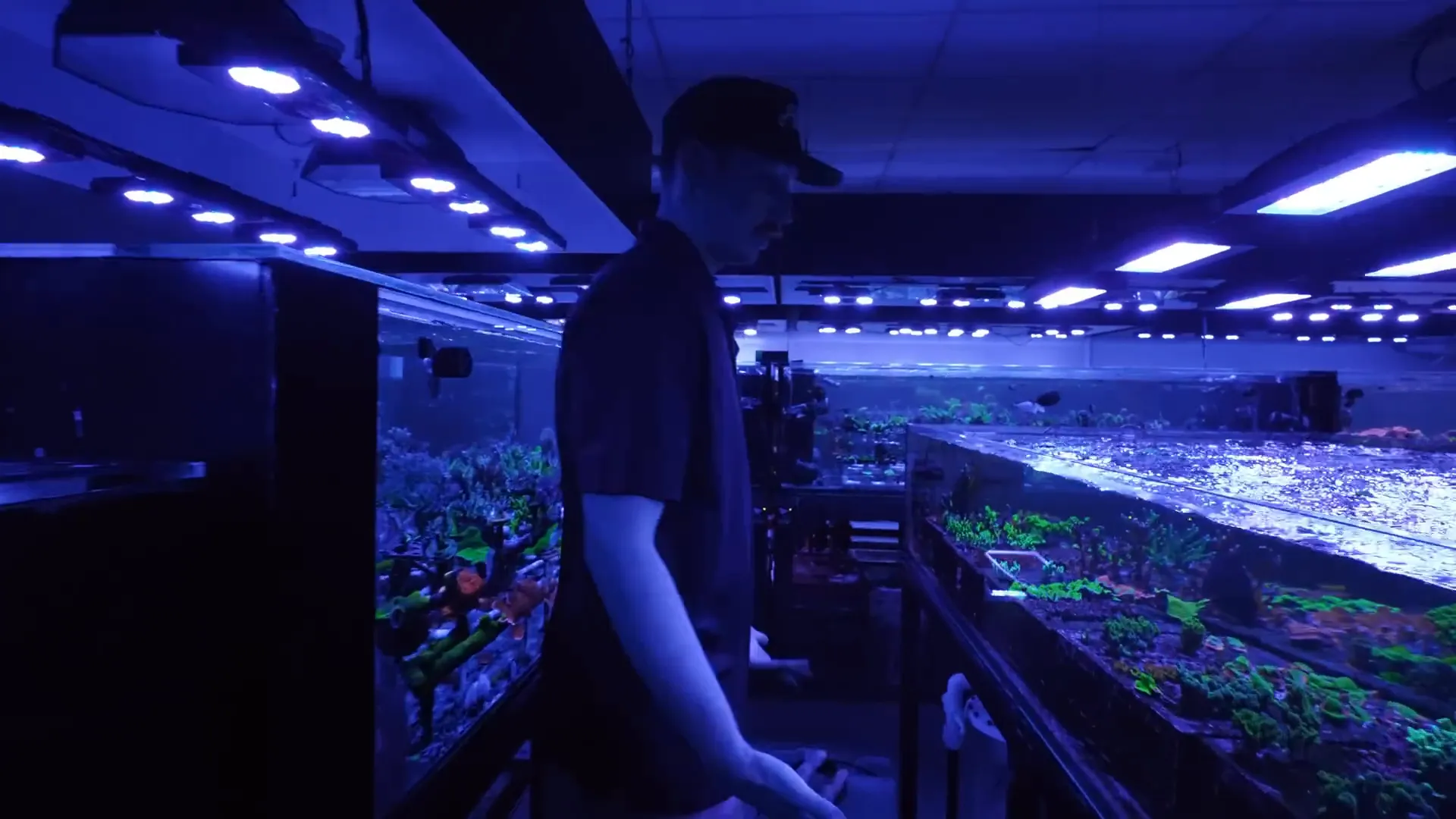
One of the most liberating things I learned at the farm was that even tanks two feet apart behave completely differently. The same water and similar gear can produce different results because of lighting differences, microfauna, flow patterns, and the history of what lived there before. That means:
- Your success with a particular species might differ from a friend's success.
- If you lose a coral, it doesn’t mean you’re a failure; it means you learned something about your system.
- Experiment slowly, document changes, and keep learning. That curiosity is the heart of the hobby.
That’s why starting with a forgiving Beginner Coral is not only practical — it’s part of the joy of discovery in reefkeeping.
Putting it together: a simple beginner bio-load plan
If you’re setting up your first reef and want a simple starter plan built around a healthy, colourful display with minimal headaches, consider this combination of fish and corals:
- One or two small tangs or a pair of community saltwater fish for algae control (tank size dependent).
- A few hardy inverts like cleaner shrimp and snails for maintenance.
- Begin with three to five coral frags: a Mushroom (Beginner Coral), a GSP or zoa cluster (Beginner Coral), a toadstool or chalice (Beginner Coral candidate for shaded spots), and one encrusting Montipora or Stylophora as your first SPS trial.
- Quarantine all new corals and fish, acclimate slowly, and start with moderate lighting.
This minimal plan gives you variety, motion, and colour while keeping complexity manageable as you learn.
FAQ — Beginner Coral questions answered
Q: What is the single best Beginner Coral to buy first?
A: If you want one clear pick, choose a mushroom coral (Rhodactis) or a small GSP frag. They’re resilient, visually appealing, and forgiving during acclimation. As you gain experience, add zoas and an LPS like a toadstool.
Q: How many Beginner Coral pieces should I start with?
A: Start small — two to five frags. This gives you time to gauge how your system responds and to learn placement, flow, and feeding without overwhelming your tank’s chemistry.
Q: Are aquacultured Beginner Coral pieces better?
A: Generally yes. Aquacultured corals are raised in tanks and often adapt better to aquarium life. They also reduce the ecological impact on wild reefs and tend to be healthier from the outset.
Q: How long should I quarantine a new coral?
A: Two weeks is a common minimum. Some hobbyists quarantine for longer and employ dips and inspections to ensure no pests are hitchhiking. Quarantine systems with similar parameters to your main tank are ideal.
Q: My Beginner Coral stopped pulsing. What do I do?
A: Pulsing xenia that slows or stops often indicates a trace element imbalance, a change in water chemistry, or stress from transport/acclimation. Test your parameters, perform a water change if needed, and ensure stable lighting and flow. If other corals are fine, consider targeting trace element supplementation according to manufacturer guidelines.
Q: Can I mix aggressive and passive corals?
A: You can, but give aggressive corals like Galaxians or certain torches lots of space. Use islands and physical separation to avoid coral warfare, and watch for sweepers at night.
Q: How often should I feed LPS corals?
A: Many LPS corals benefit from weekly to biweekly target feedings of meaty foods (e.g., zooplankton, mysis, coral-specific formulae). Start gently and avoid overfeeding, monitoring nutrient levels to prevent algae blooms.
Q: Is lighting the most important factor for Beginner Coral success?
A: Lighting matters, but stability across all parameters (salinity, temperature, alkalinity, calcium, nutrients) and proper flow are equally critical. For most Beginner Coral species, moderate light and stable conditions trump very intense lighting paired with poor water chemistry.
Final thoughts — your first steps as a Beginner Coral keeper
If you’re ready to dive into reefkeeping, focus on the fundamentals: stable water, proper acclimation, quarantine, measured additions, and learning to read what your corals say by their colour and behaviour. Buy aquacultured Beginner Coral where possible; start with soft corals like mushrooms, zoas, and GSP; and move to easy LPS and SPS as you gain knowledge and confidence.
Top Shelf Aquatics’ farm showed me how diverse, resilient, and creative the coral world has become. Whether it’s a humble mushroom that draws guests’ eyes or a dramatic torch colony you’ve grown from a tiny frag, every coral you add teaches you more about your tank and yourself.
If you want to know which Beginner Coral I’d pick right now for someone starting a 75–120 litre reef tank, I’d recommend: a mushroom frag, a small zoa cluster (polyp-size matched for a zoa garden), an encrusting Montipora frag, and a single toadstool leather. That palette gives motion, colour, and a gentle learning curve.
Don't be afraid to try something new, but start with knowledge. Ask staff about light, flow, and difficulty ratings and, if possible, shop for your Beginner Coral at reputable aquaculture farms or stores that clearly label their frags and give care guidance. Happy reefing — and remember, every great reefkeeper started with one frag on the rock.
Resources & next steps
- Consider reading manufacturer guides for trace element dosing and coral nutrition.
- Join reef forums and local clubs to get region-specific advice and frag swaps.
- Keep a logbook of new additions — light level, placement, feedings, and weekly parameters — to track what works.
- When ready, consider upgrading to more precise test kits (alkalinity, calcium, magnesium) to support SPS growth.
Want to dive deeper? Take a look at aquaculture outlets near you and ask for frags labelled for beginners — your best Beginner Coral is the one that matches your tank, your schedule, and your curiosity. Good luck, and enjoy the pulse of the reef.
This article was inspired from the video Your First Corals: Beginner Tips Before You Buy! | Drop a like and subscribe to show your support!