Welcome to my adventure in creating an ant farm! Today, I want to share my experience raising a queen trap-jaw ant and watching her establish a thriving colony. Throughout this journey, I simulated real-world events to see how these remarkable creatures would react. Spoiler alert: the ending was not what I expected!

Table of Contents
- The Beginning: A New Queen
- Feeding the Colony
- Growing the Colony
- Building a New Home
- Adapting to Their New Home
- Creating Outworlds
- The Ups and Downs
- The Final Day
- FAQ
The Beginning: A New Queen
It all started with this queen ant. Alone and needing to care for her eggs, I watched as the first worker was born. Trap-jaw ants are fascinating; they have massive mandibles designed to cut prey in half, and the workers are nearly the same size as the queens!

Feeding the Colony
In the ant world, the workers serve the queen and do almost everything for her. To accelerate the growth of my colony, I decided to feed them. Starting with just a single drop of honey, I slid it into the tube. Almost instantly, the worker ant went to investigate!

The worker communicated with the queen by rubbing her antennae against the queen's. After receiving the go-ahead, she returned to the honey, but instead of eating it, she knocked the plate over, soaking the honey into the sand. It turns out the queen would regurgitate body tissues to feed the workers at this early stage.

Growing the Colony
As more workers hatched, their roles became apparent. Two stayed close to the queen while the others guarded the eggs. With four workers now, I thought they might accept my food offerings. This time, I upped the ante and introduced live prey: flightless fruit flies!
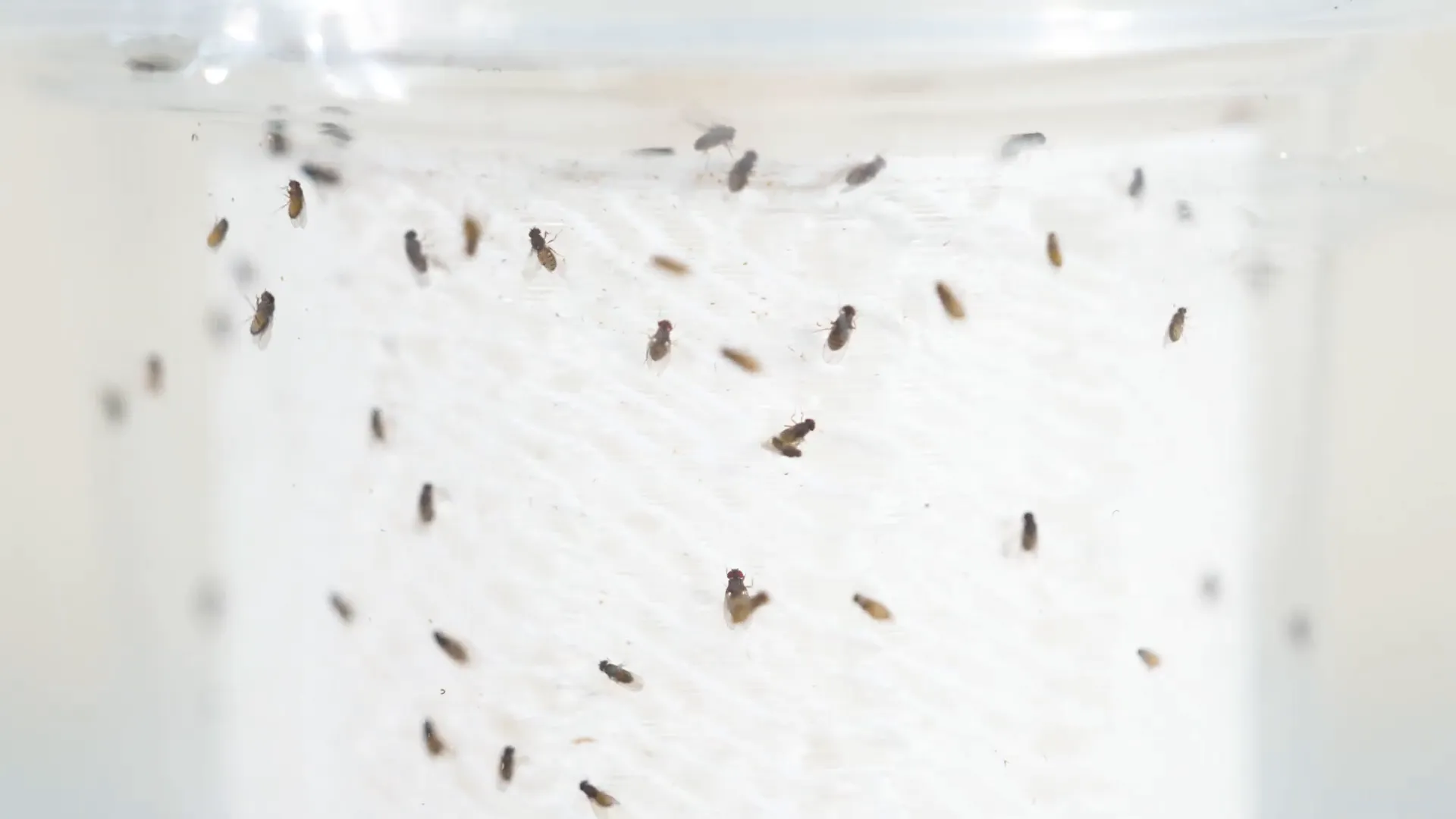
The first worker noticed the fly, snapped at it, but missed. Soon, all the workers were on high alert. A minute later, one successfully took the fly down and stored it for later. With some food now available, the colony continued to grow, but the tube was getting cramped!

Building a New Home
Realising they needed more space, I fashioned a new ant nest from a brick. Using a hammer and chisel, I created multiple crevices for the ants to store eggs, food, and trash. After painting it, I added a clear acrylic sheet to keep humidity just right.
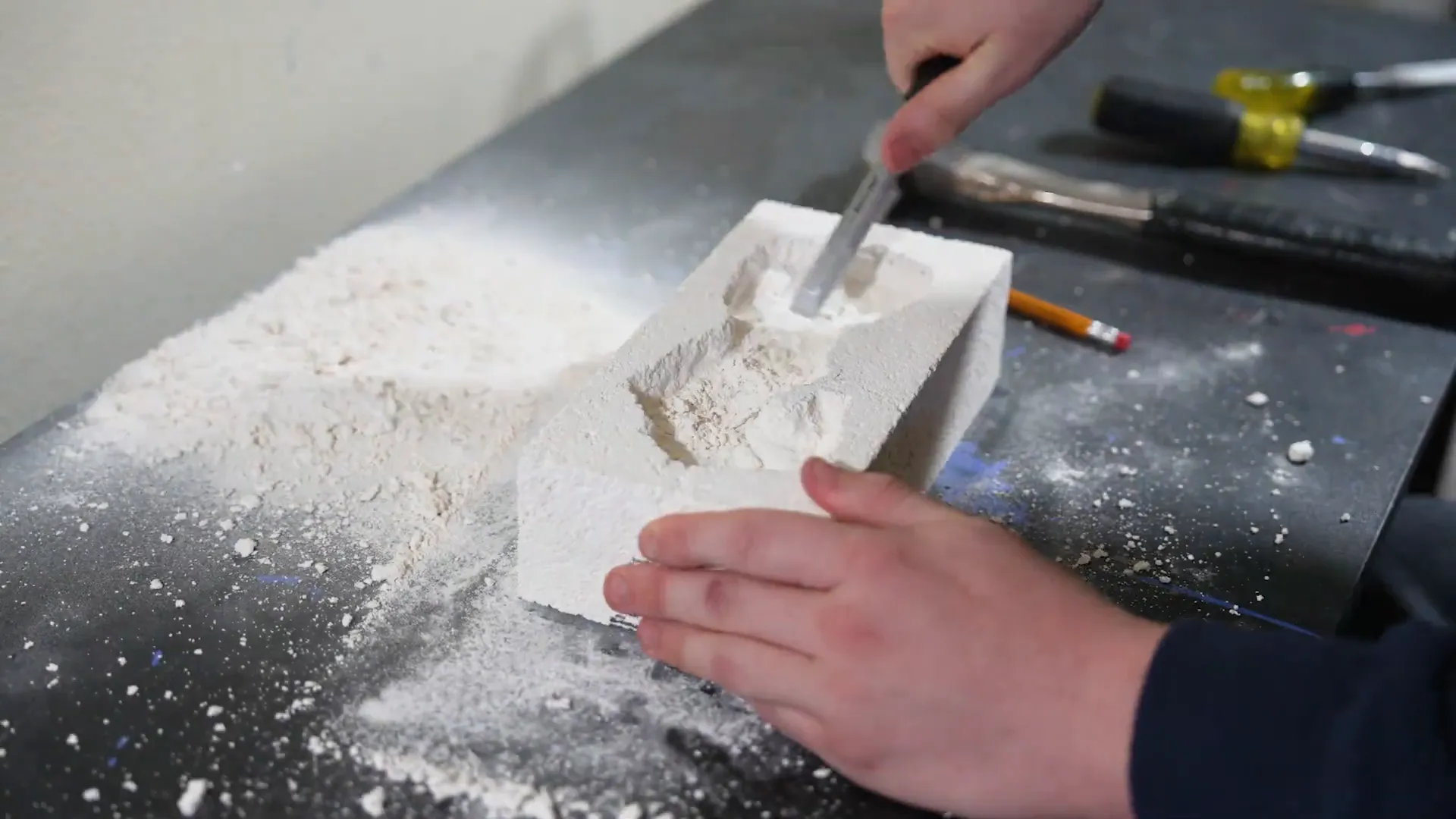
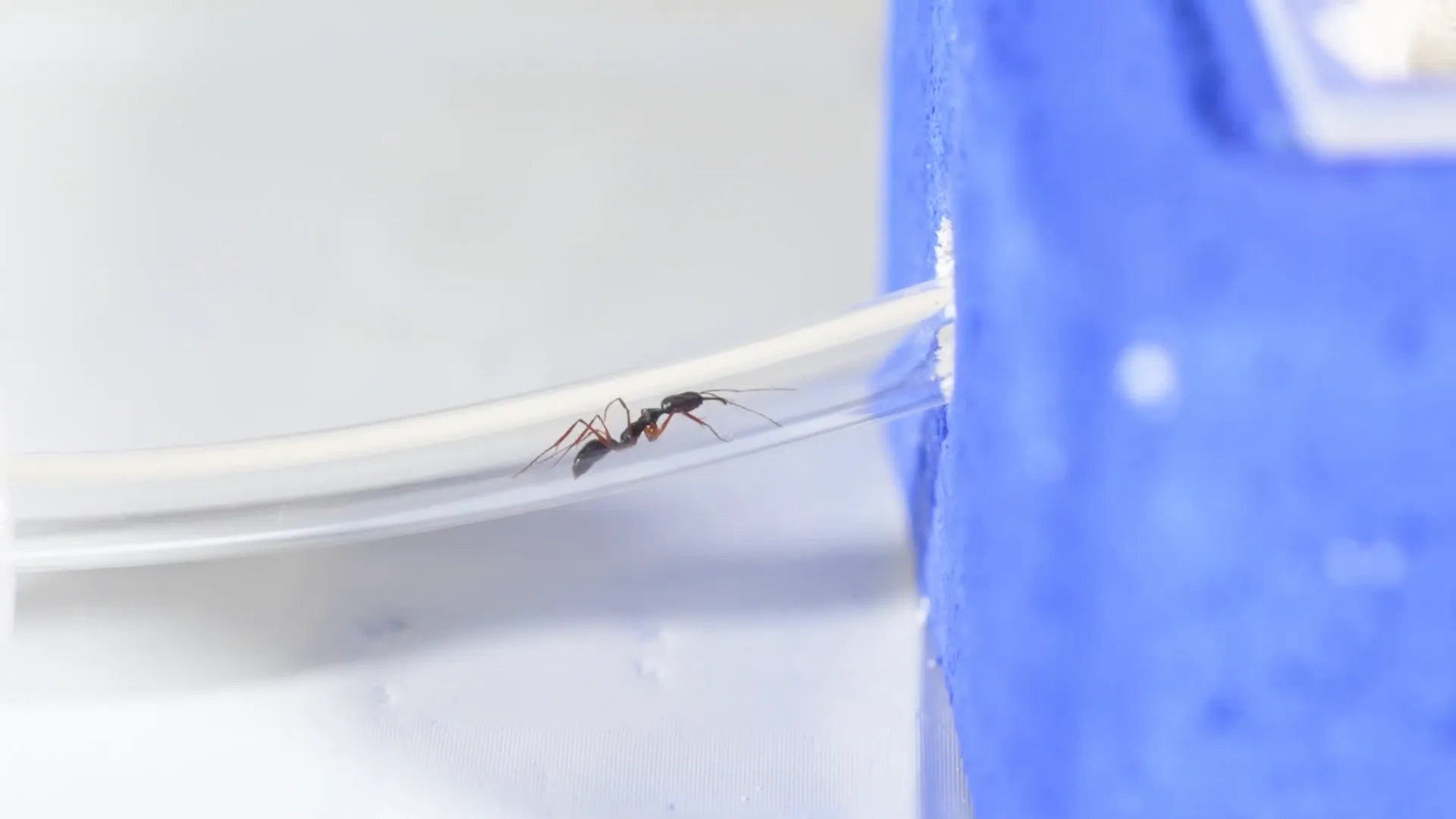
Once the nest was ready, I connected it to the tube. Almost instantly, one brave worker ventured down the tube to explore the new digs. To entice the colony to move, I plugged in some sugar water and replaced the acrylic sheet with a red one to keep it dark inside.
Adapting to Their New Home
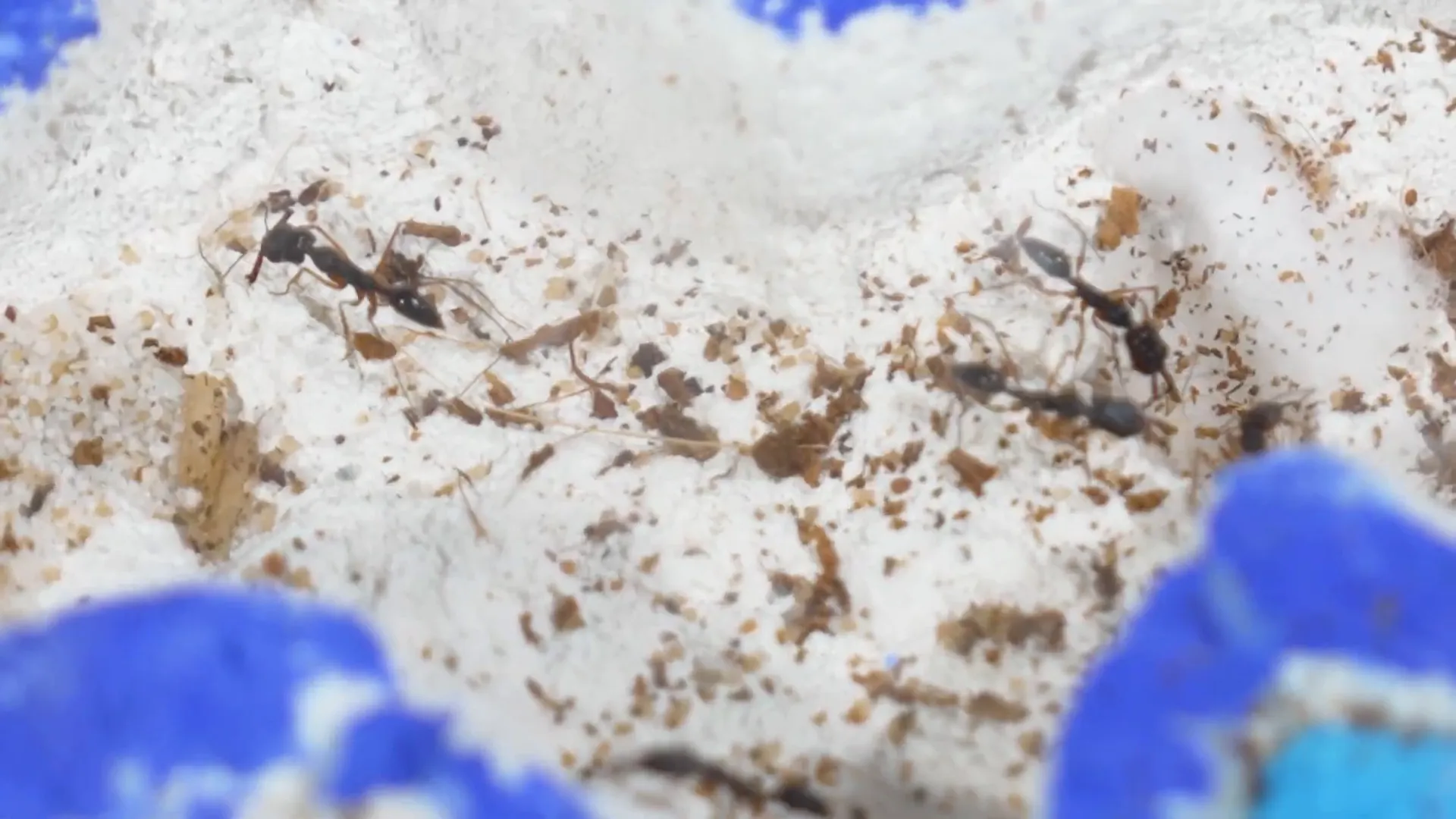
After some time, all the ants had made the move. They were very active and found a cozy spot for the queen and her eggs. Leaving them for ten days, I returned to find the colony functioning smoothly. It was time to build them an outworld for food hunting!
Creating Outworlds
The first outworld was a simple desert setup with orange sand, rocks, and a little cactus. After applying fluon to prevent escapes, I connected it to the nest. My goal was to test the trap-jaw mandibles against larger prey.
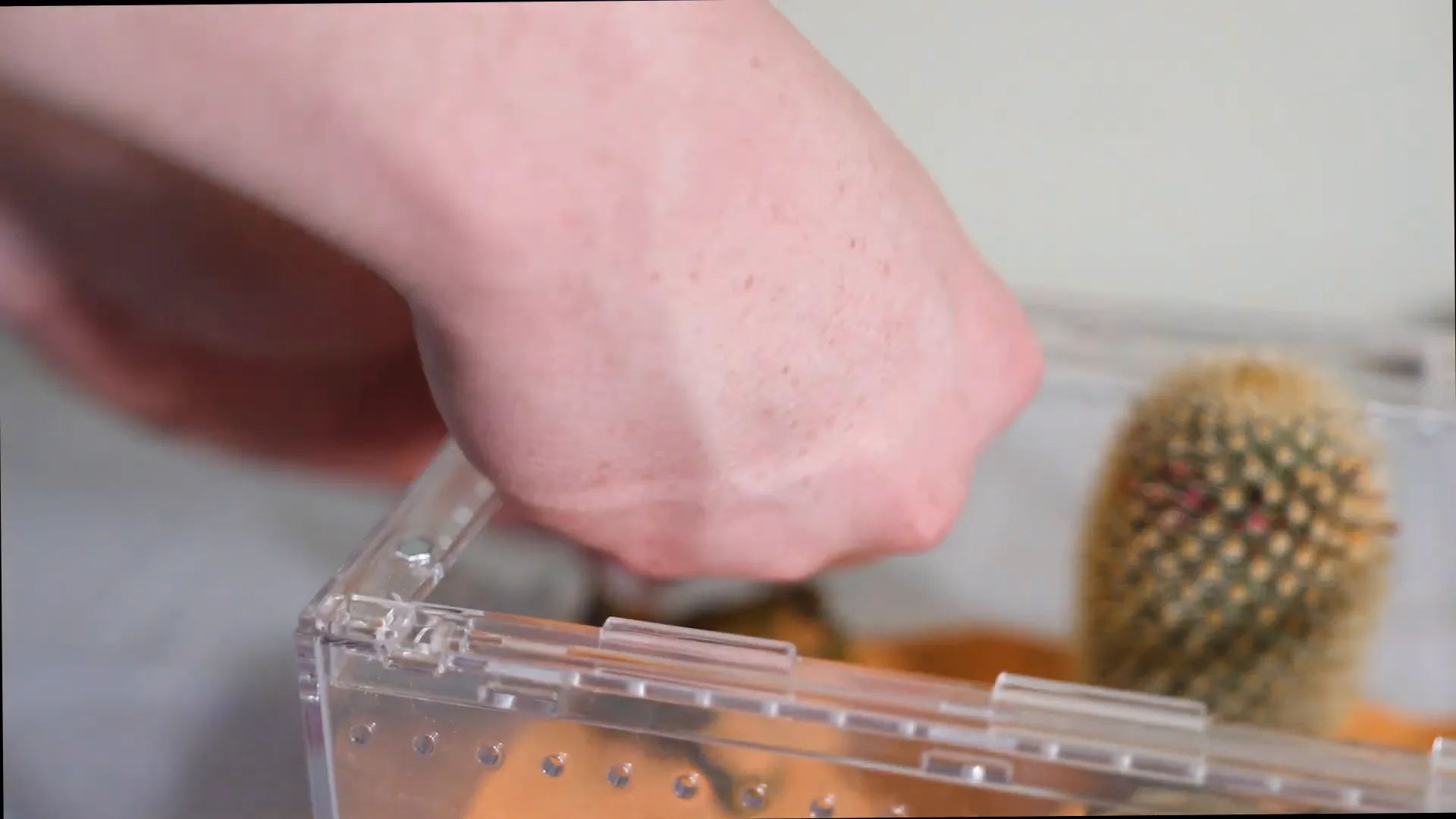
Next, I introduced a cricket to see how the ants would react. The trap-jaw ants lunged at the cricket but missed several times. Eventually, one worker lined up a perfect shot and successfully took down the cricket, storing it for food.

The Ups and Downs
As the days passed, I monitored the colony's growth. By day ninety-seven, there were twelve workers, but I noticed one had died—likely one of the founding workers. Despite this, the colony thrived, and I decided to build them another outworld.

The Final Day
On day one hundred, I returned to find just one ant in the nest. Confused, I searched the outworlds but found no ants. Eventually, I discovered a tiny gap under the acrylic sheet that allowed them all to escape overnight, except for the queen!
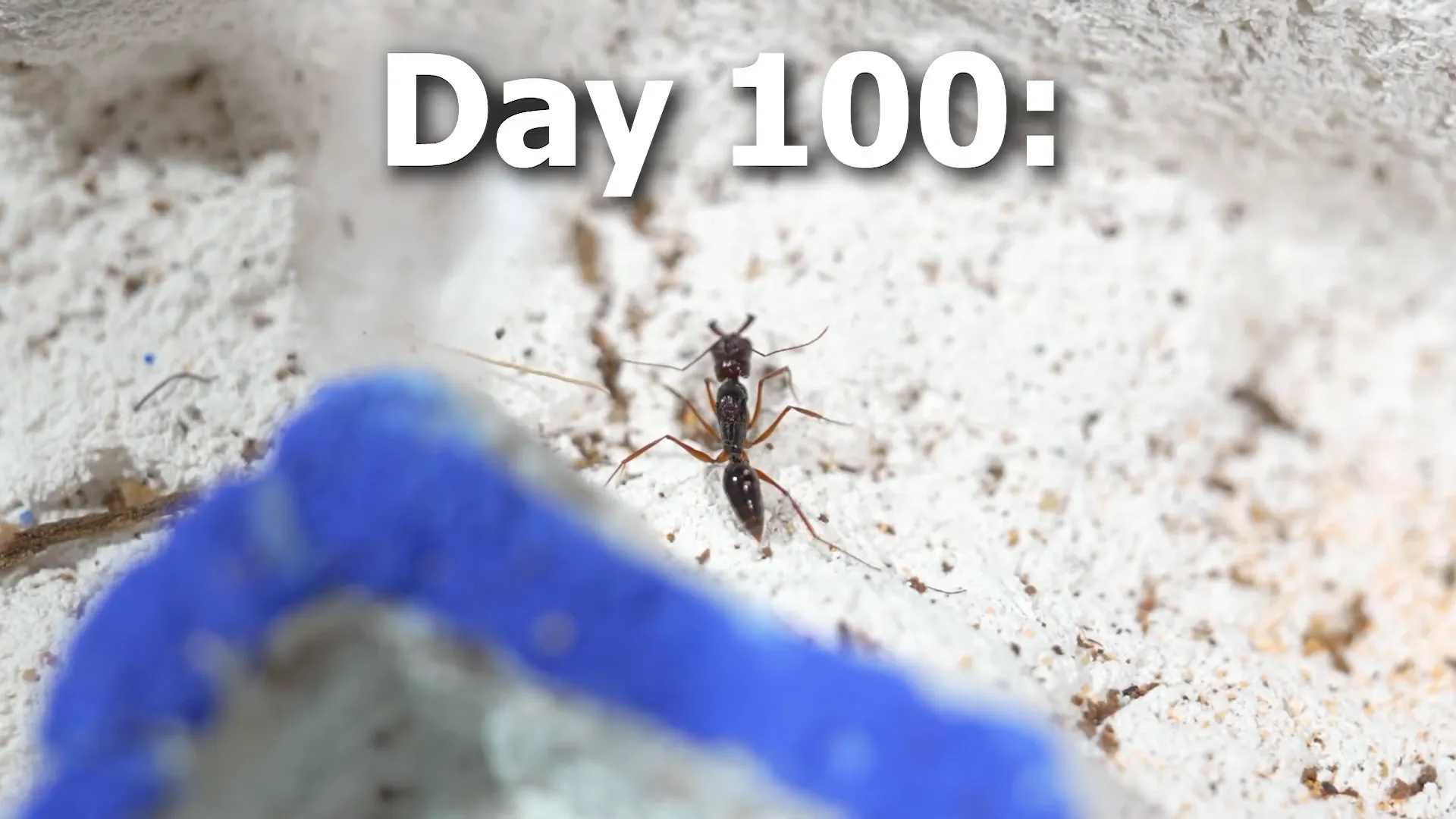
This was unexpected! I had plans for day one hundred, but instead, I had to scoop the queen up and place her into a new test tube. She had successfully raised a colony once, and I was hopeful she could do it again. Time to reset the day counter and try again!

FAQ
- What type of ants did you raise? I raised trap-jaw ants, known for their massive mandibles.
- How do ants communicate? Ants communicate using pheromones and by rubbing their antennae together.
- What do ants eat? They primarily eat sugars and proteins, which can include honey and small insects.
- How long did the entire process take? It took 100 days to observe the colony's growth and behaviors.
- Can I keep ants as pets? Yes, many people keep ant farms as a hobby!
This article was inspired from the video Simulating an Ant Colony For 100 Days with all image and video credits going to the content creator.