If you are a fan of small pets like hamsters, guinea pigs, or ferrets, then chinchillas should definitely be on your radar. Known as some of the cutest and most adorable rodents you can keep, chinchillas require a unique approach when it comes to their care. Having a pet is a big responsibility, especially when it involves such delicate and sensitive animals as chinchillas. But with the right knowledge and preparation, caring for these little creatures can be an incredibly rewarding experience. This comprehensive guide will walk you through all the essentials of chinchilla care, from setting up their habitat to managing their diet and health, ensuring your chinchilla thrives in your home.
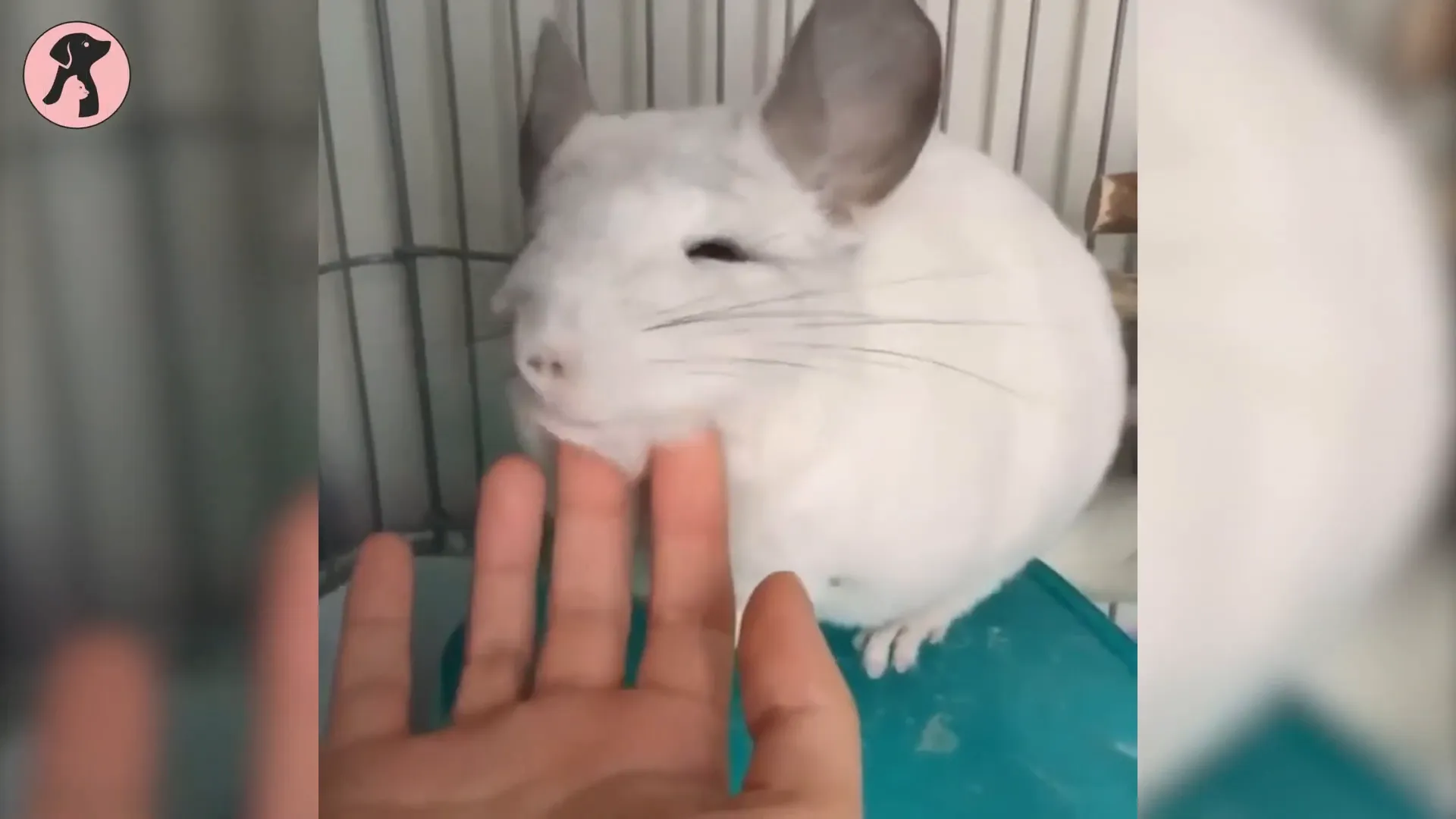
Table of Contents
- 🐾 Setting Up the Perfect Chinchilla Habitat
- 🥕 Nutrition and Diet Essentials for Chinchillas
- 🛁 Grooming and Bathing: Keeping Your Chinchilla Clean
- 🤲 Handling and Socialising Your Chinchilla
- 👯 Social Needs: Why Chinchillas Should Have Companions
- 🌡️ Environmental Factors and Health Considerations
- ❓ Frequently Asked Questions about Chinchilla Care
- Conclusion
🐾 Setting Up the Perfect Chinchilla Habitat
One of the most important aspects of chinchilla care is providing a spacious and safe environment where your pet can run, jump, and explore. According to VCA Animal Hospitals, a single chinchilla needs a cage with minimum dimensions of four feet by four feet by three feet. If you plan to keep a pair, you should at least double this space, though bigger is always better.
Chinchillas are energetic jumpers, so their cage should have multiple levels to allow vertical movement. These levels must have a solid, smooth surface because chinchillas have very soft feet that can get injured if they constantly walk on wire mesh. The bottom of the cage especially needs to be solid to prevent sore or bumble feet, a painful condition caused by wire floors.
While the cage’s base should be solid, the rest of the enclosure can be wire to ensure proper ventilation. However, the wire spacing must be no wider than one inch to prevent your chinchilla from escaping by squeezing through the gaps. Choose cages made from metal or other non-chewable materials, as chinchillas are notorious for chewing and can easily escape from plastic or wooden cages.
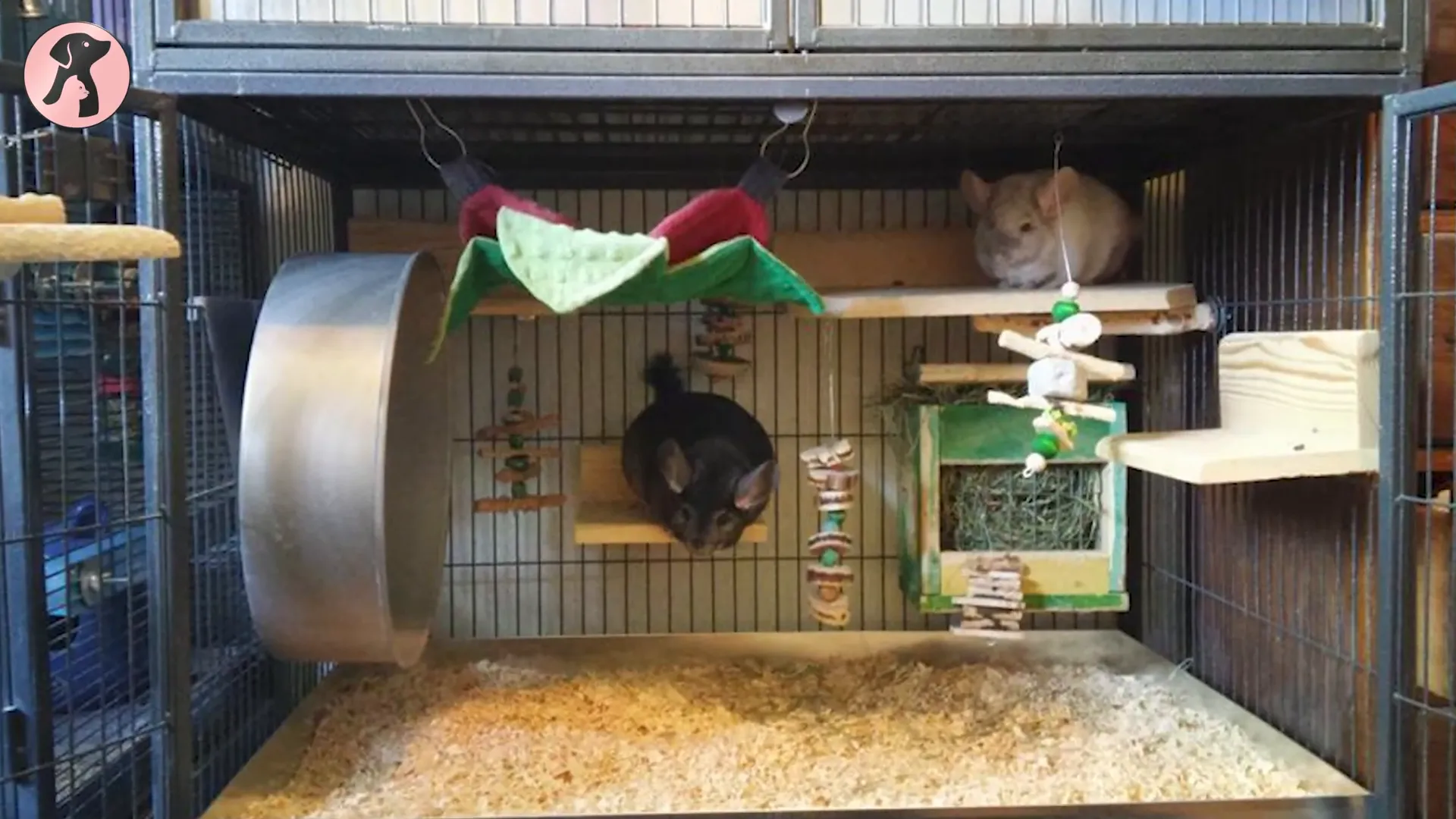
Inside the cage, you need to create different zones: a bedding area, a play area, an eating space, and a bathing spot. For bedding, use one to two inches of high-quality paper or crumbled paper bedding. Avoid wood shavings, especially cedar, as they are harmful when ingested and can cause respiratory or skin issues for your chinchilla.
The play area should include a variety of toys such as hideouts, tunnels, an exercise wheel, and hanging toys. These help stimulate your chinchilla mentally and physically. Chewing toys like wooden blocks, safe tree branches, wooden ladders, and pumice stones are essential since chinchillas need to chew to keep their teeth healthy and trimmed.
For feeding, provide a sturdy ceramic food bowl that is hard to tip over, along with a water bottle equipped with a zipper to prevent leaks. Proper cage setup is the foundation of excellent chinchilla care and ensures your pet’s comfort and happiness.
🥕 Nutrition and Diet Essentials for Chinchillas
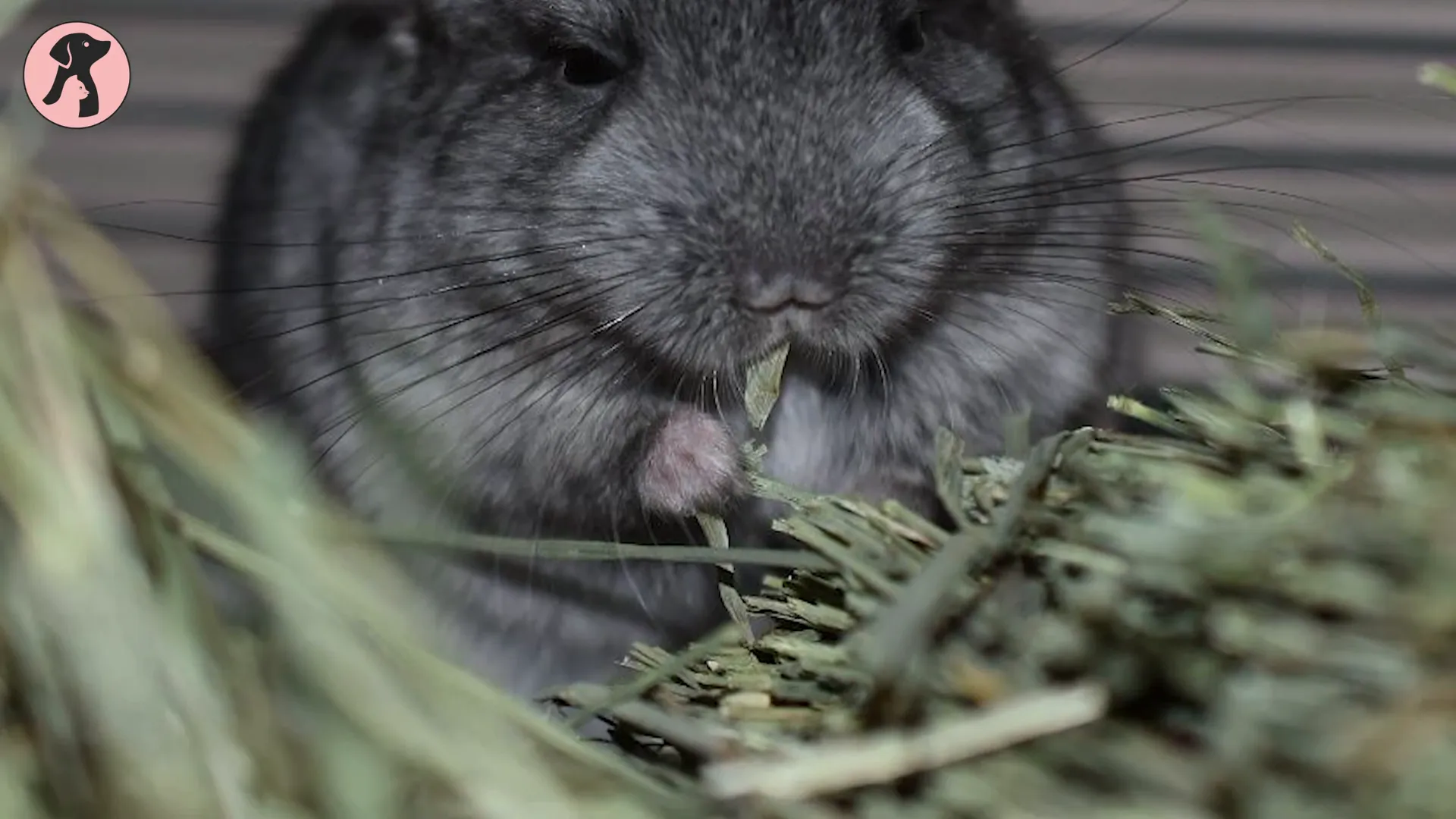
Chinchillas have sensitive digestive systems and require a diet high in fiber and low in moisture. In the wild, they feed mainly on grasses, tree bark, and low-growing plants. To replicate this in captivity, provide your chinchilla with high-quality green timothy hay, which should form the bulk of their diet.
Fresh fruits and vegetables can be given, but only in very limited amounts. Because chinchillas have delicate stomachs, foods high in moisture can cause digestive issues such as diarrhea, bloating, or colic. Always introduce new foods gradually and monitor your pet’s reaction.
Commercial chinchilla treats are available at pet stores, but be cautious when choosing them. Opt for unsweetened treats without seed or nut mixes, as chinchillas tend to pick out the tastiest parts and discard the rest, leading to nutritional imbalances. Also, avoid high sugar or high-fat foods, as these can cause obesity and dental problems.
🛁 Grooming and Bathing: Keeping Your Chinchilla Clean
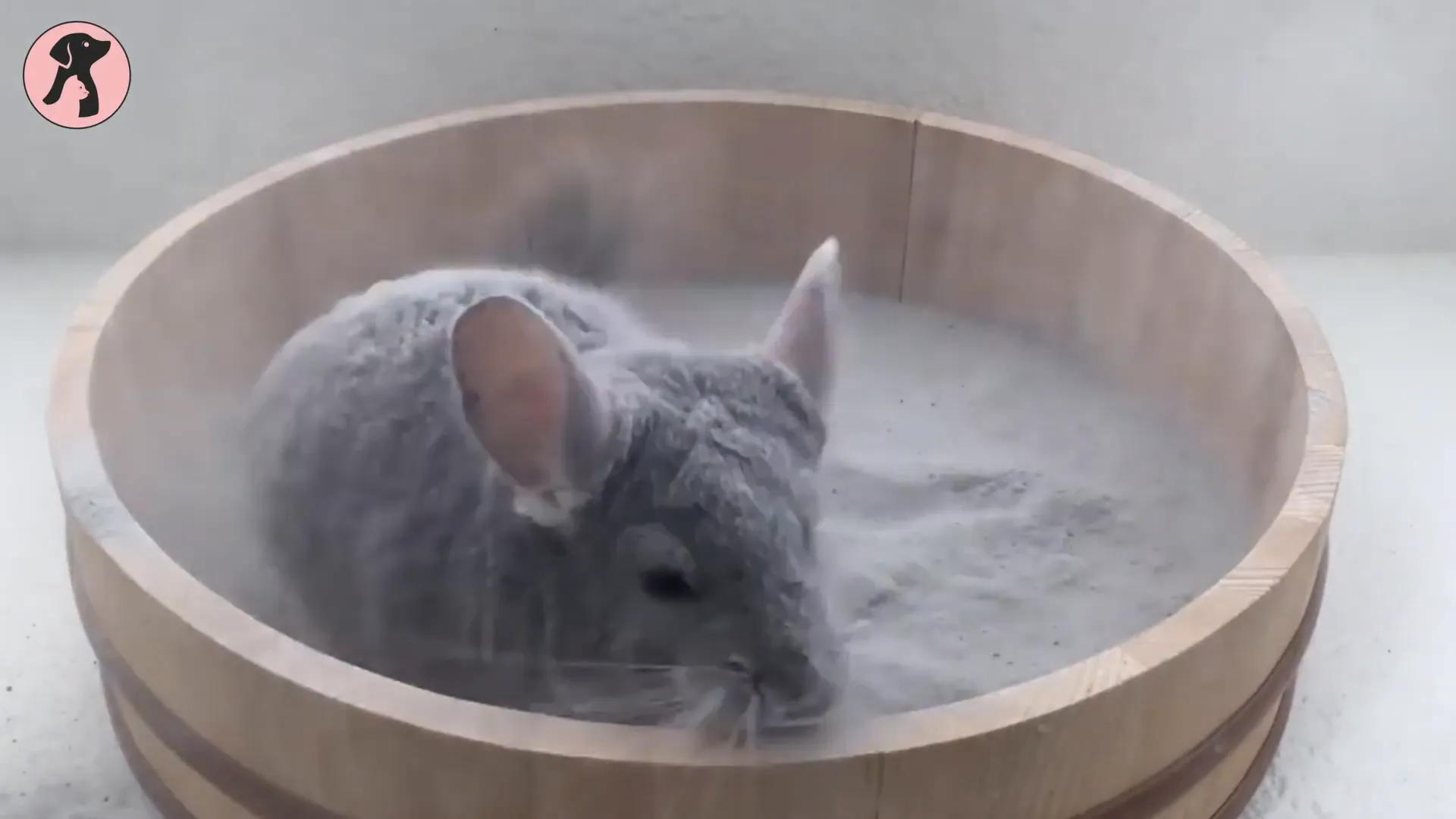
Chinchillas boast the densest and softest coats among rodents, but surprisingly, they require very little grooming. Unlike many pets, chinchillas should never be bathed with water. Their dense fur traps moisture, which can lead to fungal infections and skin inflammation if it does not dry properly.
Instead, chinchillas keep themselves clean by rolling in special dust. You should provide a dust bath using a bowl or a designated chinchilla bath house filled with at least ten centimeters of fine-grade chinchilla sand. This sand absorbs oils and dirt from their fur and keeps their coat in top condition.
🤲 Handling and Socialising Your Chinchilla
Handling chinchillas can be challenging because they are naturally shy and do not enjoy being picked up. As prey animals, they tend to run away when approached suddenly. However, if you start handling them from a young age, chinchillas can become accustomed to human interaction and may even look forward to cuddle time.
If you have an older chinchilla that is not used to handling, patience and gentle bonding are key. Offer treats regularly to build trust, and once your chinchilla feels safe, you can gradually start handling it more often. This bonding process can take time, but it is essential for a strong, loving relationship.
👯 Social Needs: Why Chinchillas Should Have Companions
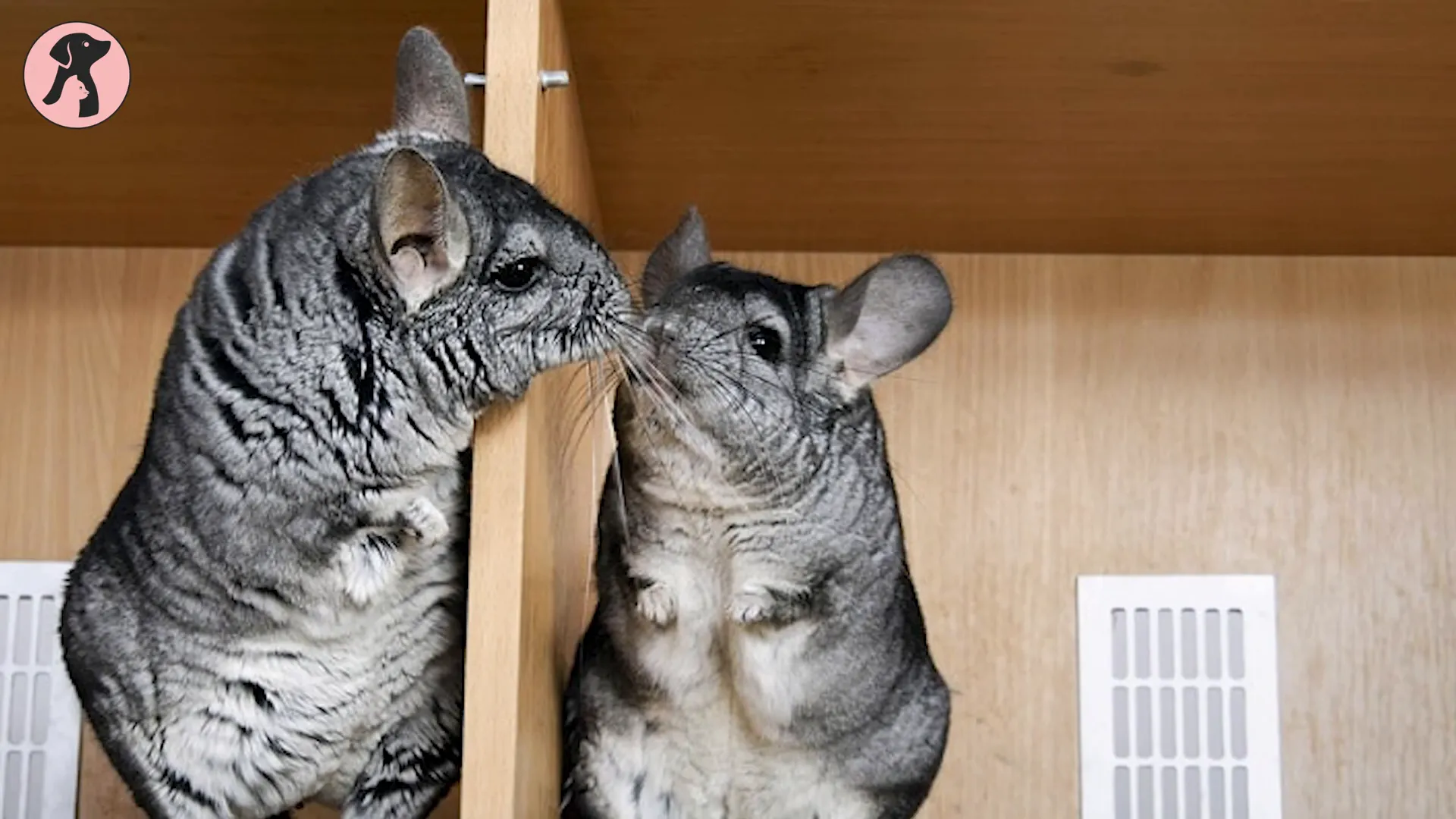
Chinchillas are highly social animals and thrive in pairs. It is best to keep same-sex pairs to prevent unwanted breeding. While neutering or spaying might seem like an option, these procedures are complicated and most vets are reluctant to perform them on chinchillas.
If you want to keep male and female chinchillas, they should be housed in separate cages to avoid breeding. When introducing a new chinchilla, keep the newcomer in a separate cage placed near the existing chinchilla’s enclosure. Chinchillas are territorial and may become aggressive if a new chinchilla suddenly invades their space. Over time, as they get used to each other’s presence, you can try housing them together.
🌡️ Environmental Factors and Health Considerations
Chinchillas are sensitive to their environment and can easily become ill due to drafts, heat, stress, or poor diet. Native to the cool Andes mountains, they are adapted to cold climates where temperatures can drop to as low as -5°C (23°F). Therefore, it is crucial to keep your chinchilla’s habitat below 24°C (75°F) to prevent heatstroke, which can be fatal.
Avoid placing the cage in direct sunlight or drafty areas, as sudden temperature changes can cause respiratory problems. Providing a stable, cool environment will help keep your chinchilla healthy and happy.
❓ Frequently Asked Questions about Chinchilla Care
How often should I provide a dust bath for my chinchilla?
It is recommended to give your chinchilla a dust bath 2-3 times a week. This helps maintain their coat’s cleanliness and health without over-drying their skin.
Can chinchillas eat fresh vegetables and fruits daily?
Fresh fruits and vegetables should only be given in small amounts occasionally. Too much moisture in their diet can cause digestive issues like diarrhea and bloating.
Is it safe to keep male and female chinchillas together?
Keeping males and females together is not recommended unless you are prepared for breeding. It's best to house them separately unless you want to manage litters carefully.
What type of bedding is best for chinchillas?
High-quality paper or crumbled paper bedding is ideal. Avoid wood shavings, especially cedar, as they can cause respiratory and skin problems.
Why can’t I bathe my chinchilla with water?
Chinchillas’ dense fur traps moisture, which can lead to fungal infections and skin inflammation if not dried properly. Dust baths with fine chinchilla sand are the safe alternative.
How much space does a chinchilla need?
A single chinchilla requires a cage at least 4 feet by 4 feet by 3 feet, with multiple levels for jumping. For pairs, the space should be doubled or more.
Conclusion
Caring for chinchillas is a unique and fulfilling experience that requires attention to their specific needs. By providing a spacious and safe habitat, a high-fiber diet, proper grooming through dust baths, gentle handling, and an environment that mimics their natural cool climate, you can ensure your chinchilla lives a happy and healthy life. Remember, chinchillas are social creatures, so consider keeping them in same-sex pairs to enrich their lives. With patience and love, these adorable rodents can become delightful companions.
For more expert tips and guides on pet care, be sure to explore the resources and videos created by Petopedia. Your chinchilla’s wellbeing is in your hands, and with the right knowledge, you can give your furry friend the best life possible.
This article was inspired from the video Easy Guide of Chinchilla Care for Beginners with all credit to the creator.