If you're thinking about welcoming a betta fish into your home, it's crucial to understand their unique needs and how to care for them properly. Bettas are stunning, full of personality, and make fantastic beginner fish for those new to the hobby. However, many new owners overlook important care aspects that can affect their betta's health and happiness.
Drawing from expert advice by KeepingFishSimple, this comprehensive guide will walk you through everything you need to know about betta care tips—from tank setup to feeding and selecting the right fish. Whether you're a first-time fishkeeper or looking to improve your betta's environment, this guide is for you.
Table of Contents
- Setting Up the Perfect Betta Tank
- Choosing the Right Betta Fish
- Feeding Your Betta: What You Need to Know
- Adding Tank Mates and Creating a Peaceful Environment
- Patience is Key: Let Your Aquarium Mature
- Supporting Local and Responsible Betta Breeders
- Betta Care Tips: Quick Checklist
- Frequently Asked Questions (FAQ)
Setting Up the Perfect Betta Tank
One of the biggest misconceptions about bettas is how they are kept in stores—in tiny cups or small containers. This is far from ideal. Bettas are personable little micro-predators that thrive in a naturalistic environment. To truly enjoy their vibrant personalities and keep them healthy, you need to set up a tank that simulates their natural habitat.
The minimum recommended tank size for a betta is 10 gallons (approximately 40 litres). This size provides enough space for swimming, exploration, and establishing territories.
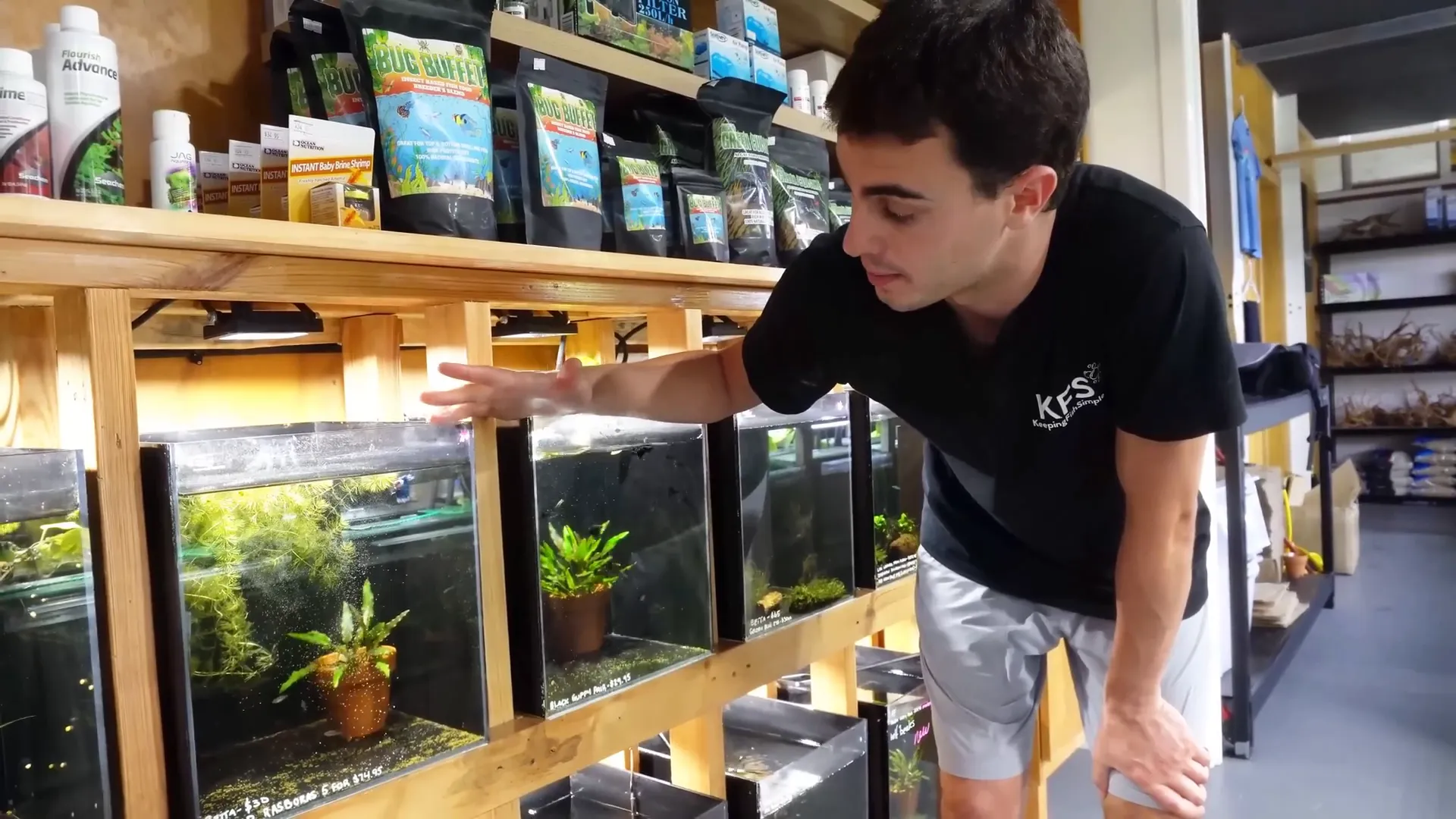
Your tank should include:
- A reliable heater: Bettas are tropical fish and need water temperatures between 24°C and 28°C. If you live in a tropical climate, a heater might not be necessary, but for most places, it's essential to maintain stable warmth.
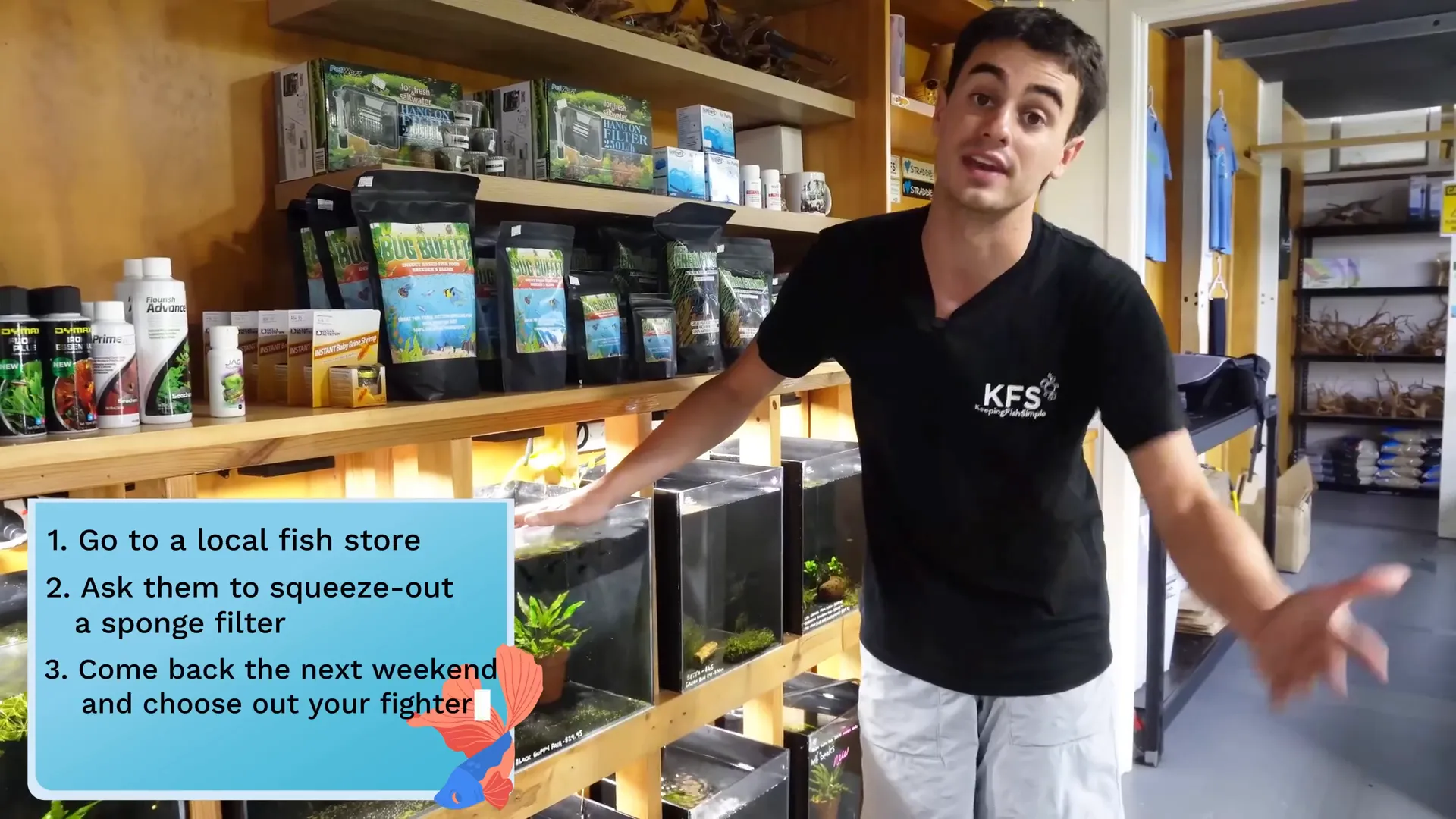
- A sponge filter: This type of filter provides gentle biological filtration without creating strong currents that can stress your betta.
- A lid or cover: Bettas are notorious jumpers. While some keepers use floating plants to help the fish sense the water surface, having a secure lid is a safer bet.
- Live plants and decorations: Adding live plants and hiding spots mimics their natural environment, providing stimulation and comfort.
- Lighting and water conditioner: Proper lighting supports plant growth and fish well-being, and water conditioner removes harmful chemicals from tap water.

Before introducing your betta, it's best to set up the tank and let it cycle for at least one week. This allows beneficial bacteria to establish, creating a healthy environment for your new fish.
Choosing the Right Betta Fish
At the pet store, you may come across tanks with multiple bettas, but it's important to know that bettas generally thrive only as solitary fish. Males, in particular, are highly territorial and will fight if housed together.
Females can sometimes be kept together if they've been raised in the same environment, but this is an exception rather than the rule. For beginners, picking a single betta is the safest choice.
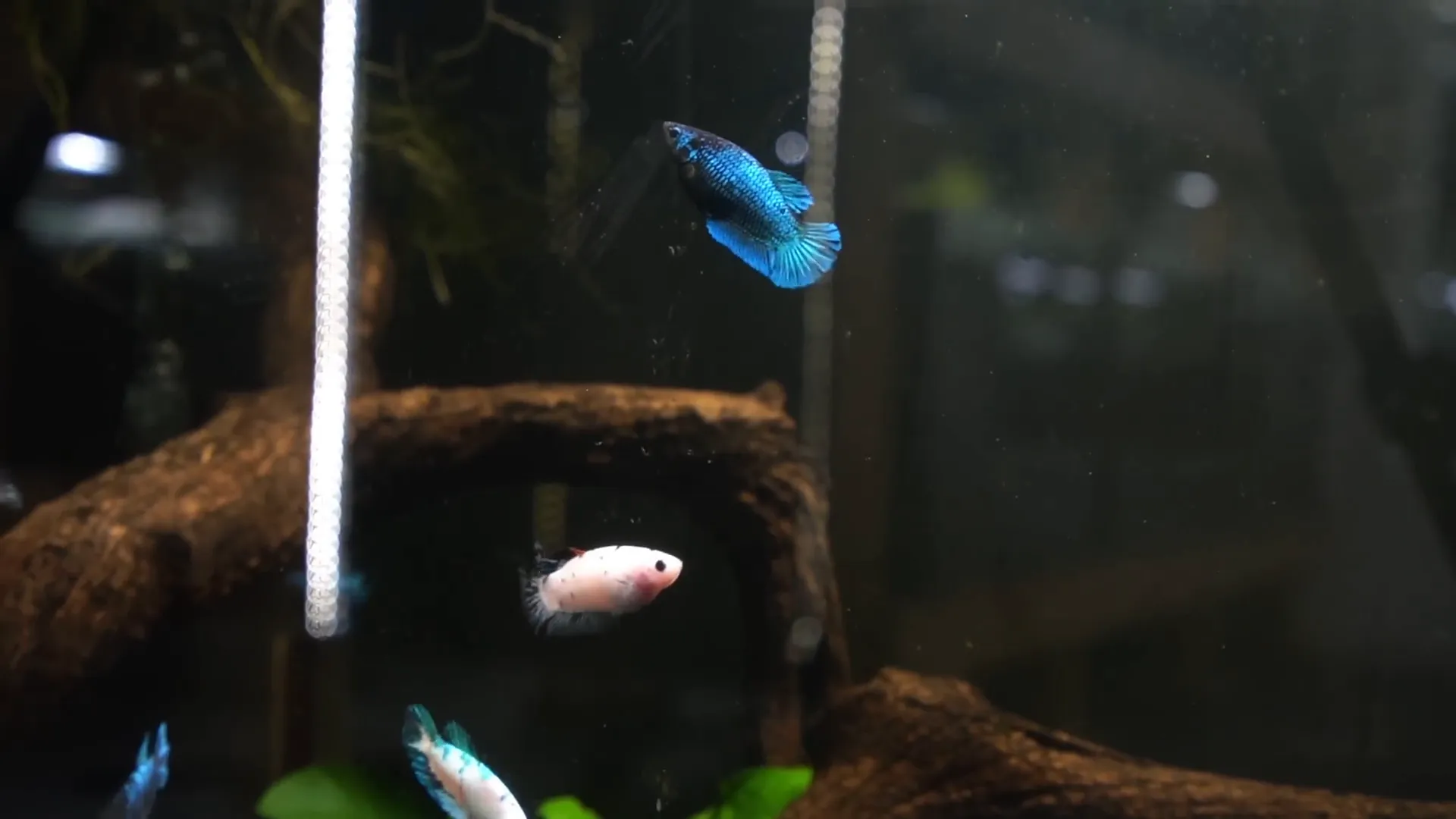
When selecting your betta, look for these signs of good health:
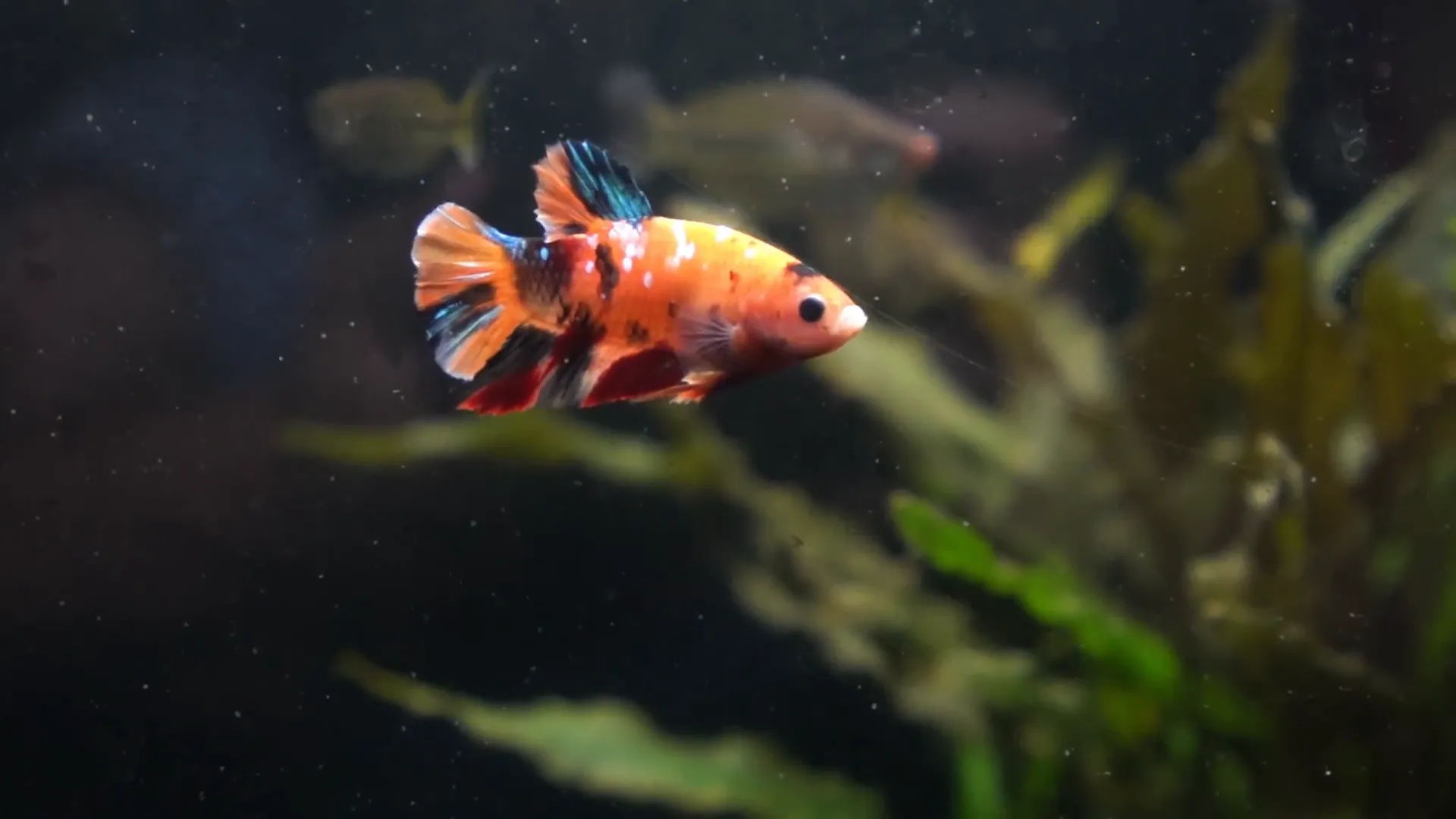
- Bright, vibrant colours with no dull patches or discoloration
- Fins without tears or damage
- No signs of fungus or cotton-like growths
- Active and responsive behaviour—a healthy betta will swim around, explore, and eagerly hunt for food
Choosing a lively, healthy betta from the start makes it much easier to care for them and avoid health issues down the line.
Feeding Your Betta: What You Need to Know
Bettas are micro-predators and require a high-protein diet to stay healthy. Feeding the right food is essential for their vitality and colour.
A great staple is Bug Buffet, a specially formulated fish food with excellent ingredients that break down well in water and are loved by bettas. Supplementing their diet with frozen foods such as brine shrimp and daphnia a few times a week provides variety and mimics their natural diet.
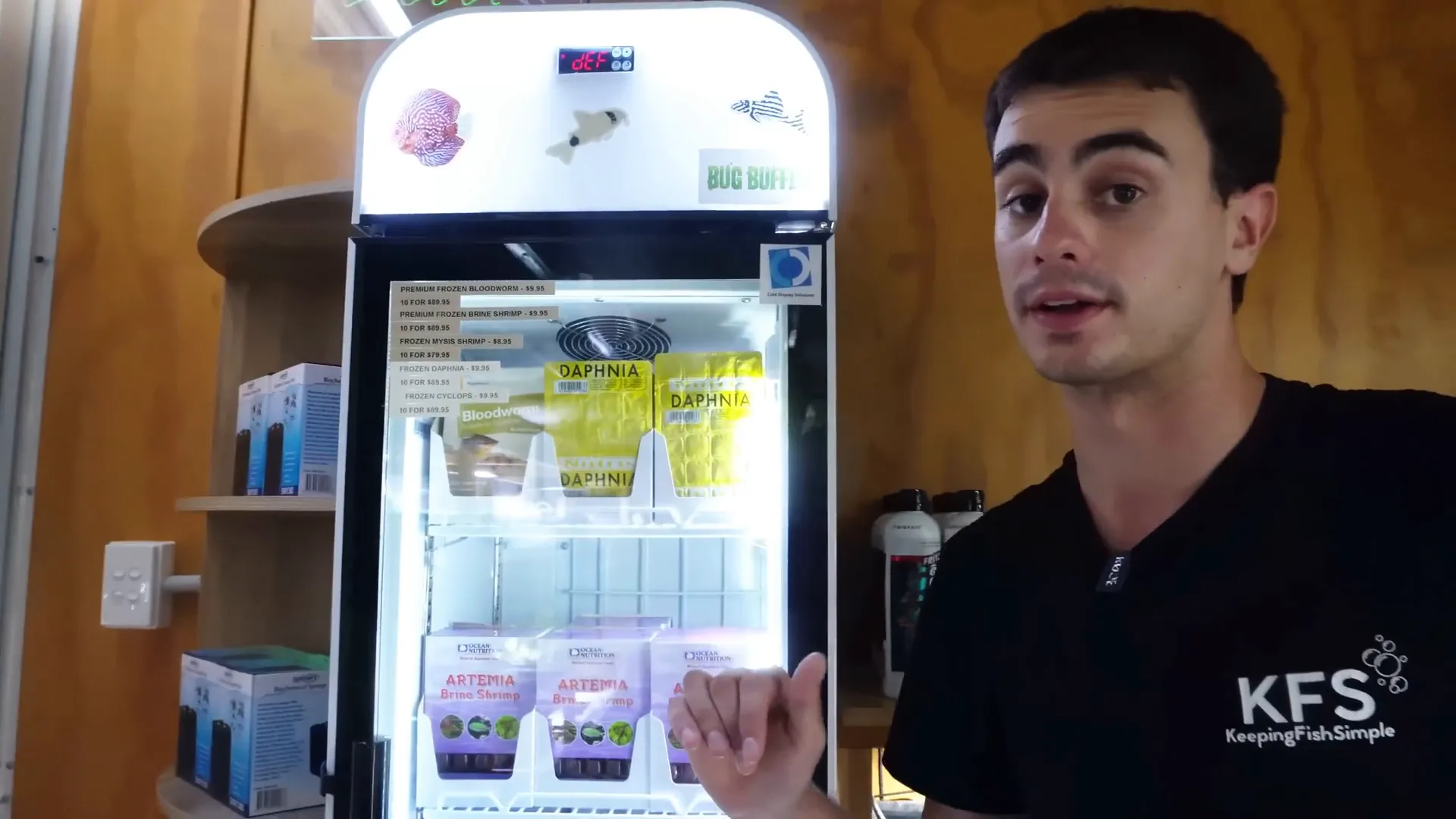
Feeding your betta small amounts multiple times a day is better than one large feeding, helping to prevent overfeeding and water quality issues.
Adding Tank Mates and Creating a Peaceful Environment
While bettas are often kept alone, adding peaceful tank mates can enrich their environment and help reduce stress. Species like small rasboras or plecos can act as dither fish, creating a more natural and dynamic tank.
However, be cautious and research compatibility carefully to avoid aggression or stress. Introducing tank mates should only be done once the betta has settled in and the tank has matured.
Patience is Key: Let Your Aquarium Mature
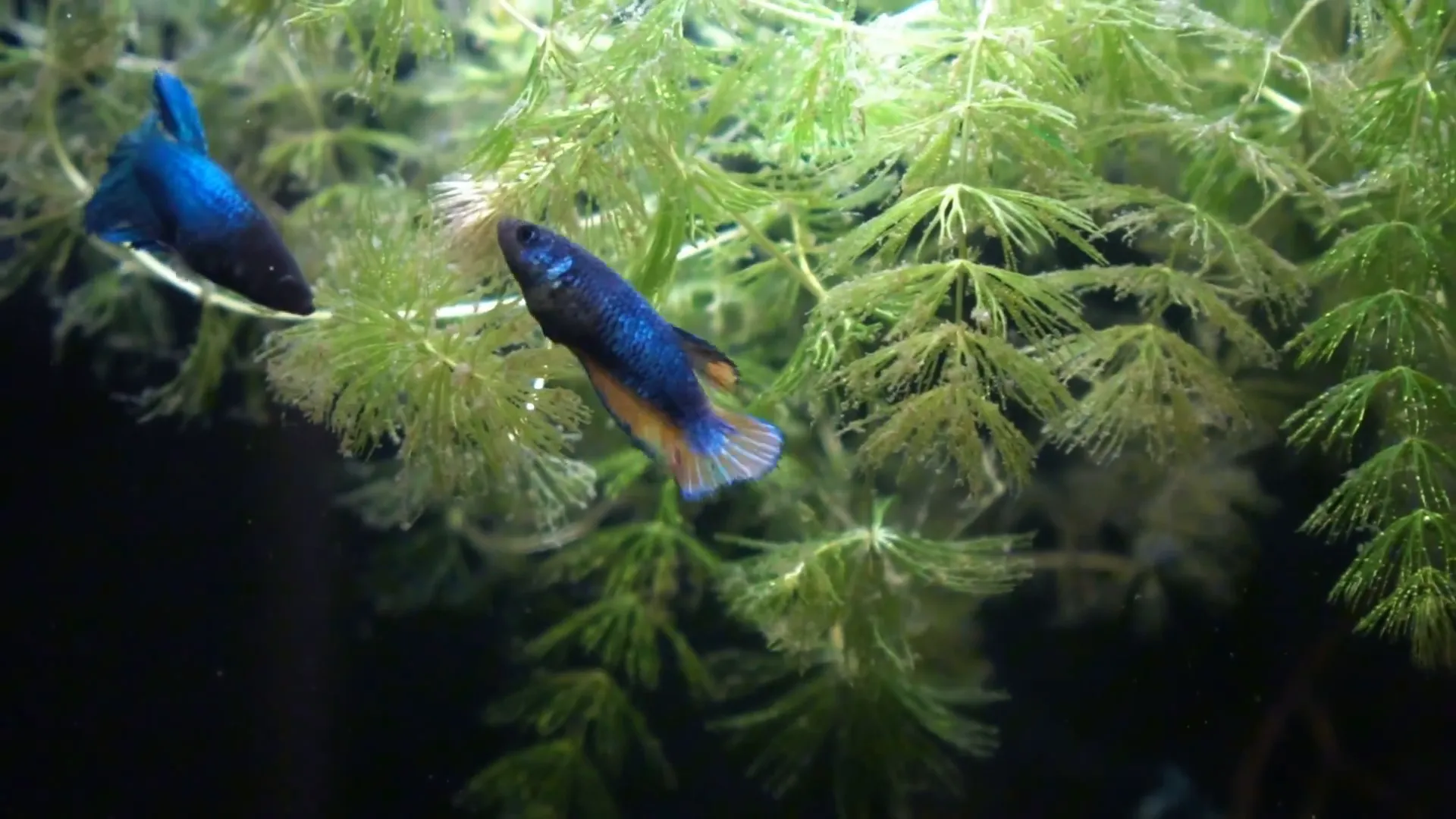
Setting up a beautiful, thriving aquarium takes time. It's not something that happens overnight. Think of your tank as a mini water garden that needs time to establish balance.
Rushing the process can lead to water quality problems and health issues for your fish. Take time to learn about the nitrogen cycle, tank maintenance, and betta behaviour to ensure long-term success.
Supporting Local and Responsible Betta Breeders
Whenever possible, support local fish stores or breeders who prioritize the health and wellbeing of their fish. Avoid purchasing bettas from large chain pet stores where fish are often kept in poor conditions.
Visiting a local breeder or mom-and-pop fish store gives you the chance to choose healthy, well-cared-for bettas and get expert advice tailored to your local environment.
Betta Care Tips: Quick Checklist
- Set up a minimum 10-gallon tank with a heater, sponge filter, and lid.
- Include live plants and decorations for stimulation and hiding spots.
- Cycle the tank for at least one week before introducing your betta.
- Choose a healthy, active betta with no signs of illness or fin damage.
- Feed a high-protein diet with quality pellets and frozen foods.
- Consider peaceful tank mates only after the betta has settled in.
- Be patient and allow your aquarium to mature for a balanced ecosystem.
- Support local breeders and fish stores for healthier fish and better advice.
Frequently Asked Questions (FAQ)
What size tank is best for a betta fish?
A minimum of 10 gallons (40 litres) is recommended to provide enough space for your betta to swim and thrive.
Do bettas need a heater?
Yes, bettas require tropical water temperatures between 24°C and 28°C. A heater is essential unless you live in a consistently warm climate.
Can I keep multiple bettas together?
Generally, no. Male bettas are highly territorial and should be kept alone. Females can sometimes cohabit if raised together, but this is not recommended for beginners.
What should I feed my betta?
Feed a high-protein diet with quality pellets like Bug Buffet and supplement with frozen foods such as brine shrimp and daphnia.
How often should I feed my betta?
Feed small amounts 1-2 times daily to prevent overfeeding and maintain water quality.
Can I add other fish to my betta tank?
Yes, but only peaceful species that won't provoke aggression. Introduce tank mates only after your betta has settled and the tank is mature.
Why is my betta jumping out of the tank?
Bettas can jump, especially if stressed or startled. A secure lid and floating plants can help reduce jumping incidents.
How long does it take for a betta tank to cycle?
It typically takes about one week for beneficial bacteria to establish, but patience is key for a fully balanced aquarium.
By following these essential betta care tips, you'll provide a happy, healthy home for your betta fish and enjoy their vibrant personality and beauty for years to come.
This article was inspired from the video Watch This Before Getting a Betta Fish | Essential Betta Care Tips | Drop a like and subscribe to show your support!