In this exclusive interview, we dive deep into the secrets of keeping Acropora, exploring the nuances of coral husbandry and tank maintenance with Anand Kaimal, a seasoned expert in the reef aquarium community. Join us as we uncover the best practices for nurturing these stunning corals.
Table of Contents
- Can you tell us about your journey in the aquarium hobby?
- What makes your tank unique compared to others?
- How do you manage the growth of such large colonies?
- What role do trace elements play in coral growth?
- How do you automate your dosing regimen?
- How often do you conduct ICP tests, and what do you monitor?
- What adjustments have you made for optimal coral health?
- How do you ensure your tank's nutrient levels are stable?
- What are your thoughts on lighting and its impact on coral health?
- How do you address potential pH fluctuations in your system?
- What’s your approach to water changes and their necessity?
- How do external factors like pollution affect your corals?
- What type of carbon do you use, and why?
- Can you explain your feeding regimen for your corals?
- What innovations have you implemented in your tank maintenance?
- What common mistakes do you see hobbyists make with Acropora?
- FAQ: What are the ideal parameters for keeping Acropora?
Can you tell us about your journey in the aquarium hobby?
I've been in the hobby since 2008, and I've been focused on SPS for sixteen years. My journey started with a fascination for the vibrant colours and the complexity of coral ecosystems. Over the years, I've honed my skills and knowledge, eventually leading to the establishment of Collector's Corals, where I sell high-quality frags and colonies online.
What makes your tank unique compared to others?
This tank is not just a typical display; it's a showcase of enormous colonies that have grown from small frags. The tank measures four by six feet, and some of these colonies are over ten inches tall. The sheer size and health of these corals are what set my tank apart. Many hobbyists may have small frags, but seeing these massive colonies thriving is a different experience altogether.
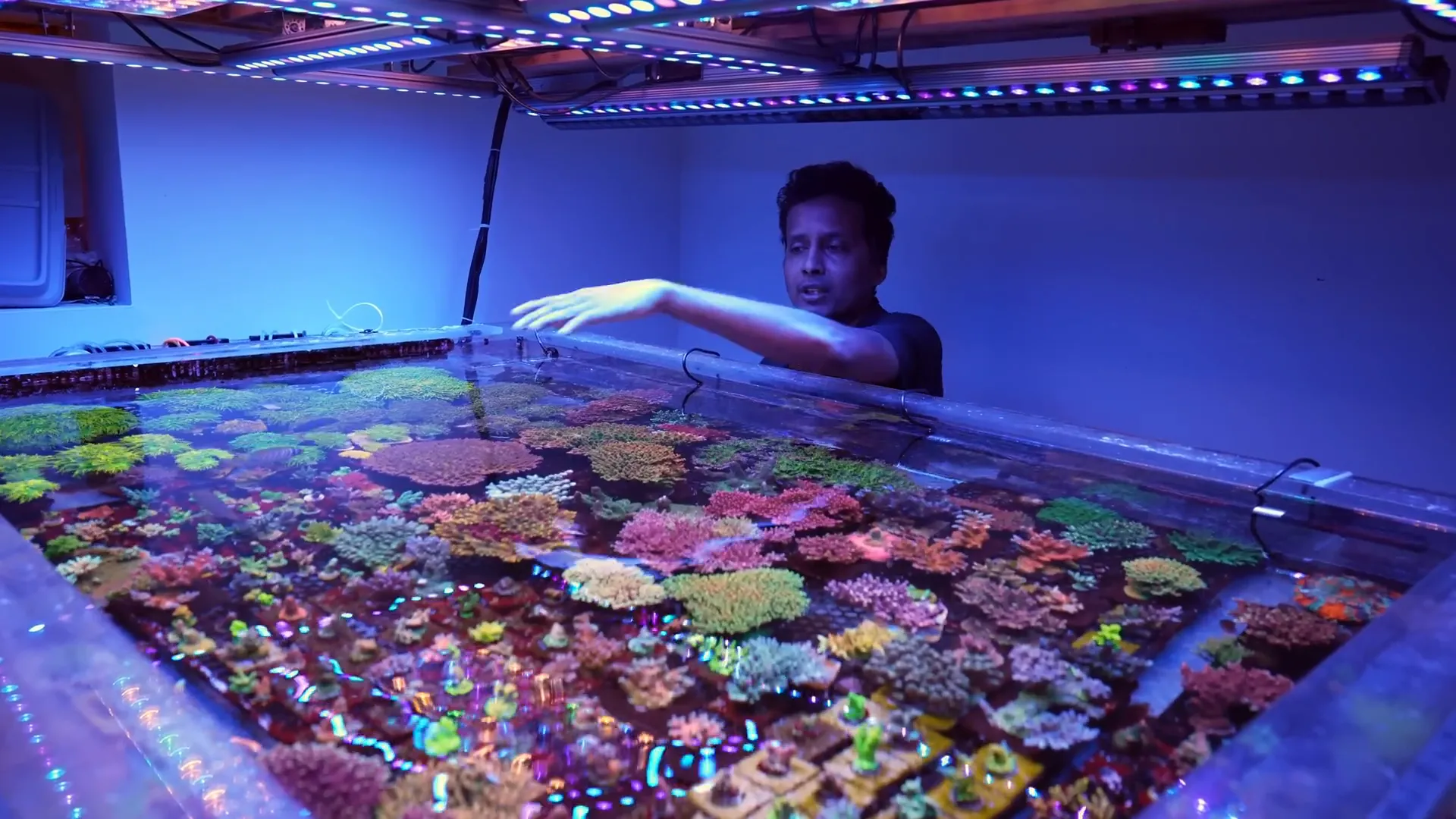
I've invested time in creating an environment where these corals can flourish. The growth rates and colours of the corals are a testament to the care I provide, and I've seen firsthand how they respond to the right conditions.
How do you manage the growth of such large colonies?
Managing these large colonies requires diligence and a systematic approach. I focus on daily dosing of trace elements, which plays a vital role in coral health. Elements like manganese, iron, zinc, and nickel are crucial for their growth and encrustation.
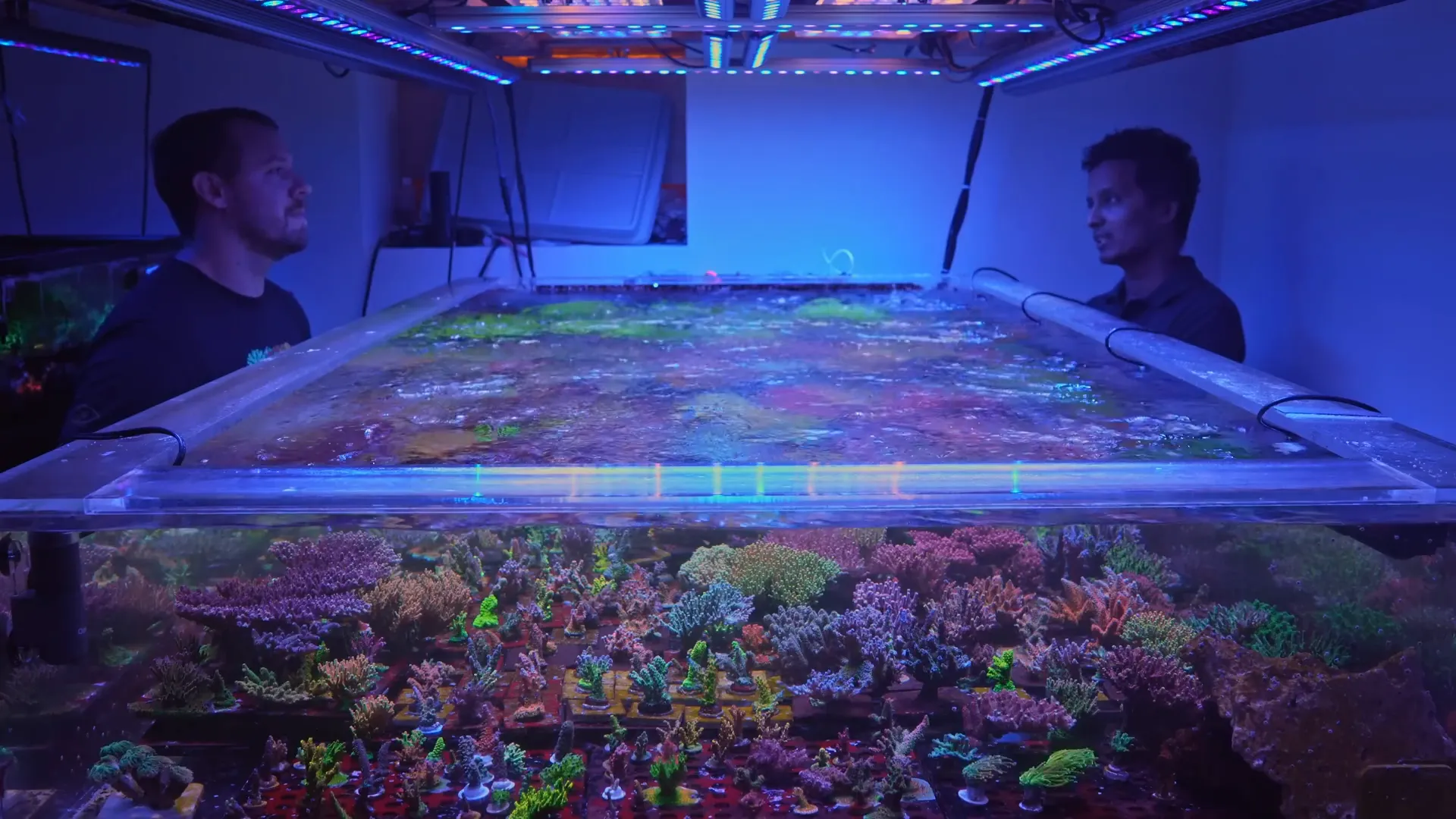
I've automated many of these processes using pumps to ensure that my corals receive consistent nutrients without the risk of fluctuations that can occur with monthly corrections. This automation allows me to focus on the finer details of maintaining a healthy tank.
What role do trace elements play in coral growth?
Trace elements are essential for the overall health and growth of corals. Manganese, for example, plays a major role in their development. I find that when these elements are balanced, the corals exhibit vibrant colours and robust growth. Iron enhances green pigmentation, while zinc adds depth to the colours of most corals.
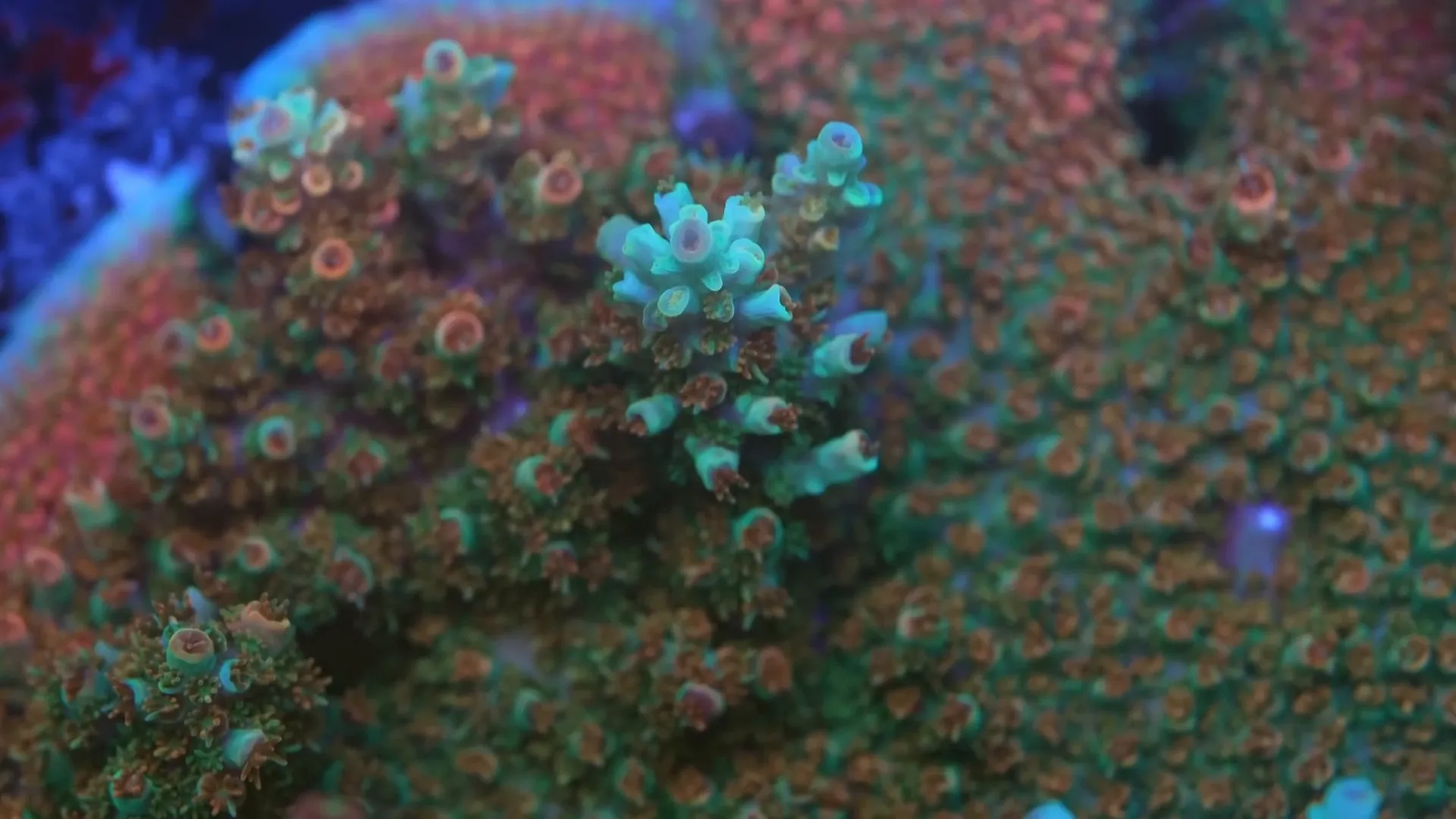
However, it's crucial to monitor these levels closely, as too much of any element can be toxic. I've learned to maintain a careful balance to avoid overdosing, which can lead to disastrous outcomes.
How do you automate your dosing regimen?
I started automating my dosing regimen about a year and a half ago. At first, I was doing monthly corrections, but that became too time-consuming. Now, I have a series of pumps set up that dose trace elements daily to keep everything stable.
This way, I can ensure that the average daily levels are consistently at target without having to worry about sudden changes. It has significantly reduced the stress of maintaining the tank, allowing me to concentrate on other important aspects of coral care.
How often do you conduct ICP tests, and what do you monitor?
I conduct ICP tests every month to keep a close eye on the water chemistry. My goal is to maintain everything in the green, which I have achieved for the most part. I monitor critical elements like manganese, strontium, and rubidium, as well as overall nutrient levels.
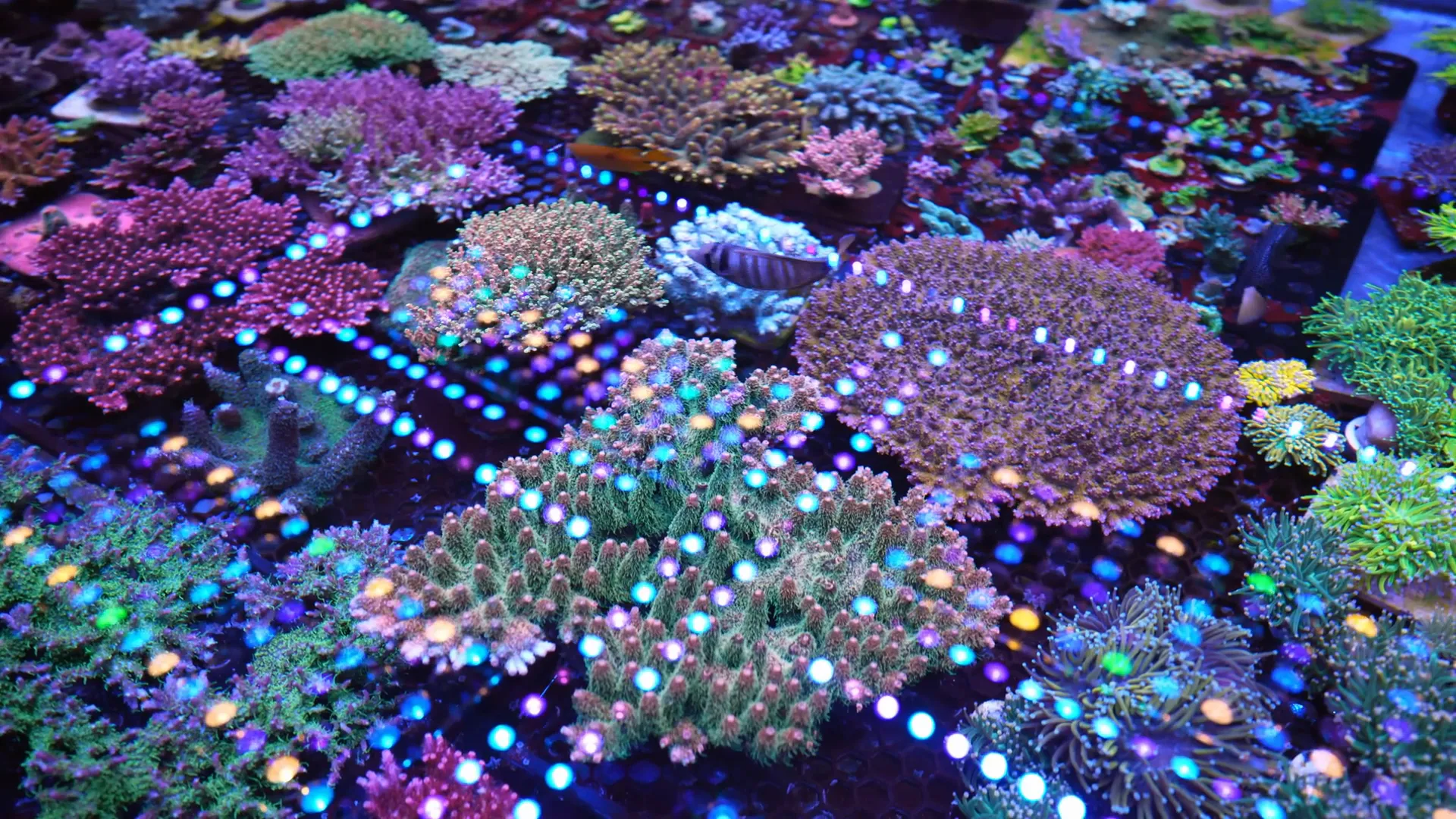
These tests help me identify any deficiencies or excesses in the system. For example, I noticed that manganese was getting stripped off and had to adjust my dosing accordingly. Regular testing has been instrumental in keeping my corals healthy and thriving.
What adjustments have you made for optimal coral health?
I've made several adjustments over the years to ensure optimal coral health, especially for keeping Acropora. It starts with the daily dosing of trace elements. Elements like manganese, iron, zinc, and nickel are crucial for their growth and encrustation. I automate this process, so the corals get exactly what they need without the risk of fluctuations.
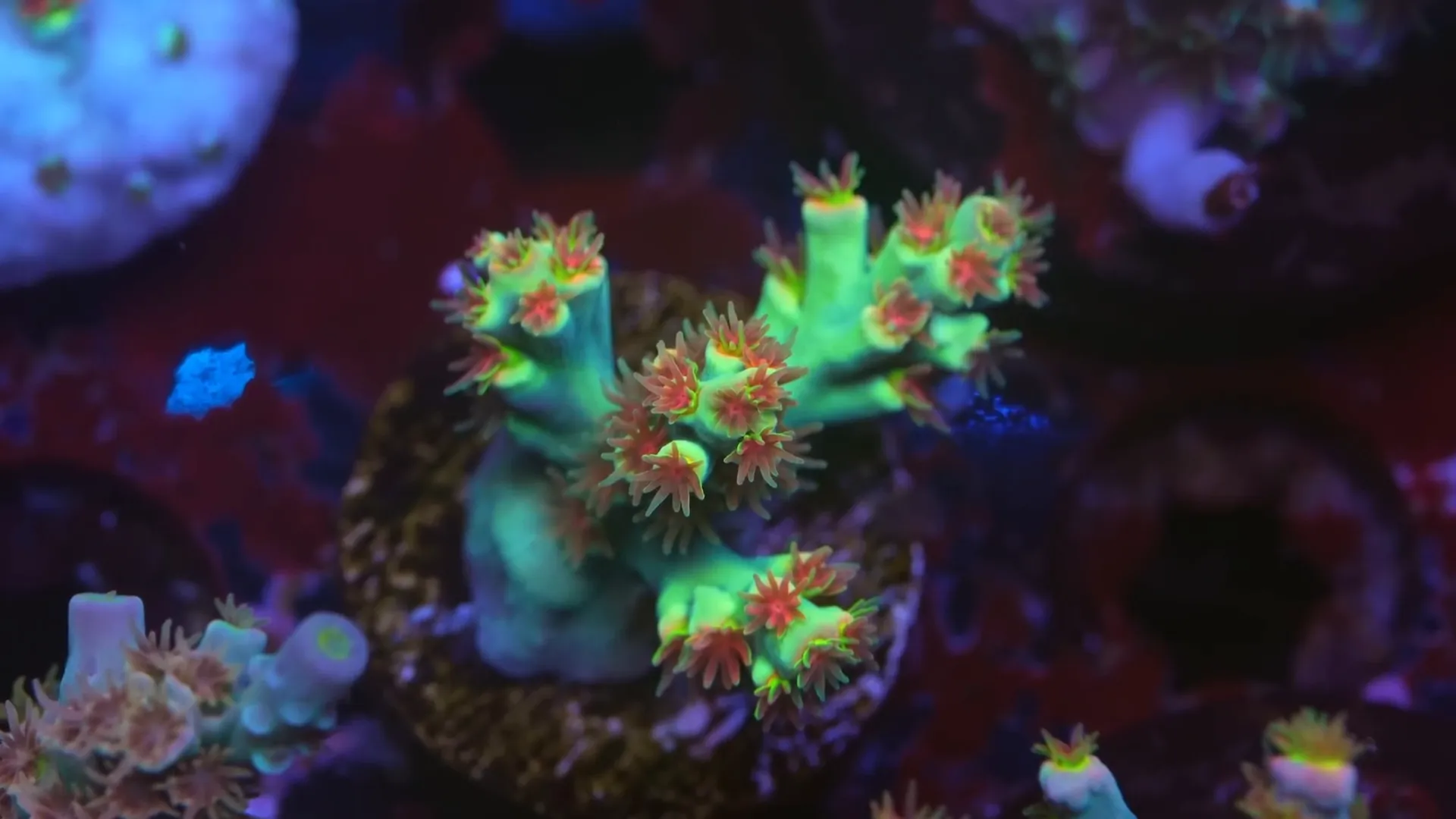
I also keep a close eye on my water chemistry through regular ICP tests. These tests reveal what elements are present and if any adjustments are needed. For example, I noticed that manganese levels were getting low, so I ramped up my dosing to compensate.
How do you ensure your tank's nutrient levels are stable?
Stability in nutrient levels is key to maintaining a healthy reef tank. I aim to keep my nitrates between ten and fifteen, which seems to work well for my corals. Phosphate levels are maintained between 0.08 and 0.12. Understanding that different corals have varying tolerances helps me tailor these levels.
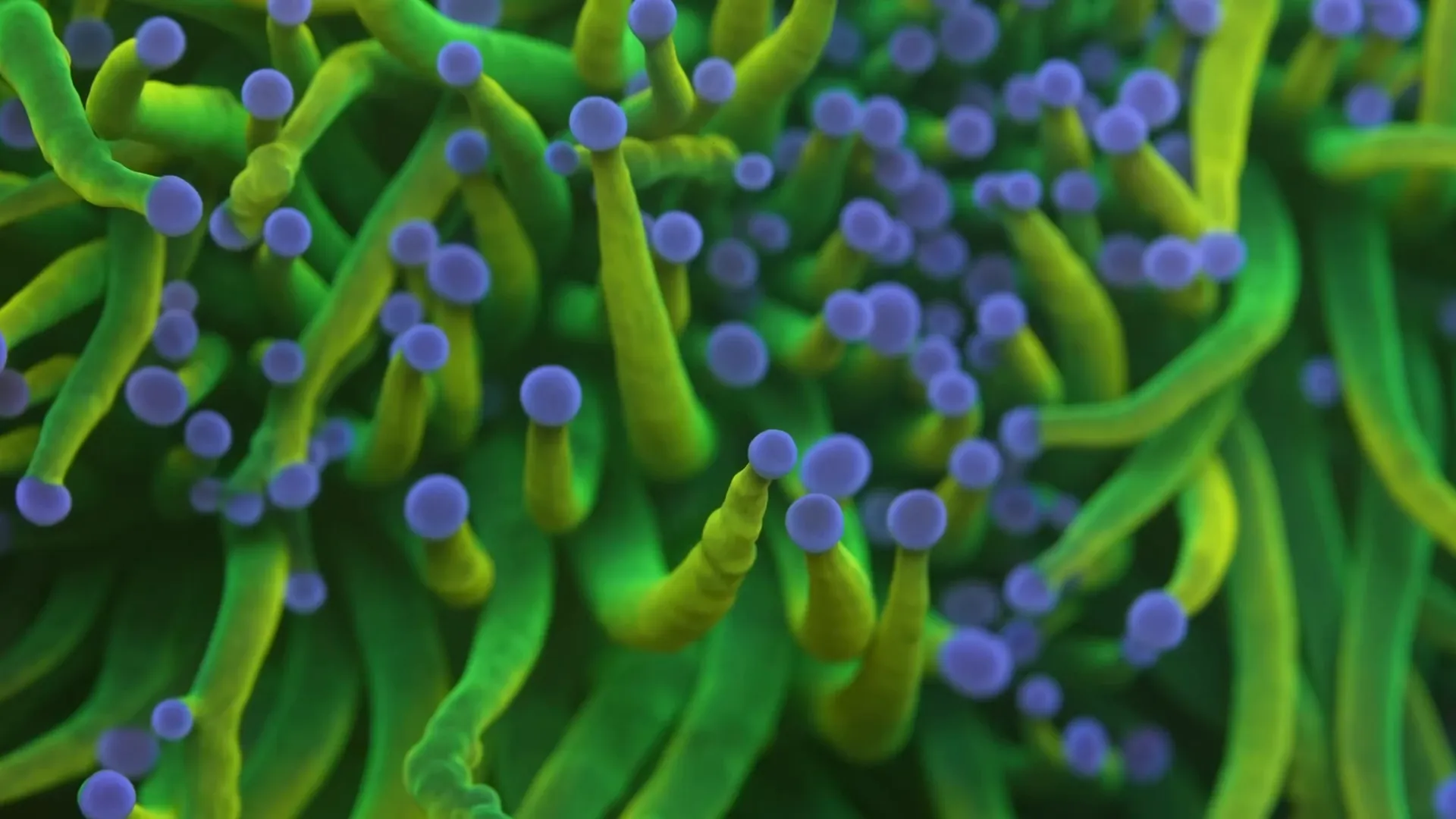
Regular testing allows me to make small adjustments rather than dramatic changes. I also believe that the lighting in my tank plays a significant role in how well these nutrients are utilized by the corals.
What are your thoughts on lighting and its impact on coral health?
Lighting is crucial for coral health, especially for Acropora. In my tank, the average PAR at the bottom is around 350, while at the top, it can reach up to 500. This intensity promotes faster growth and vibrant colours in the corals.
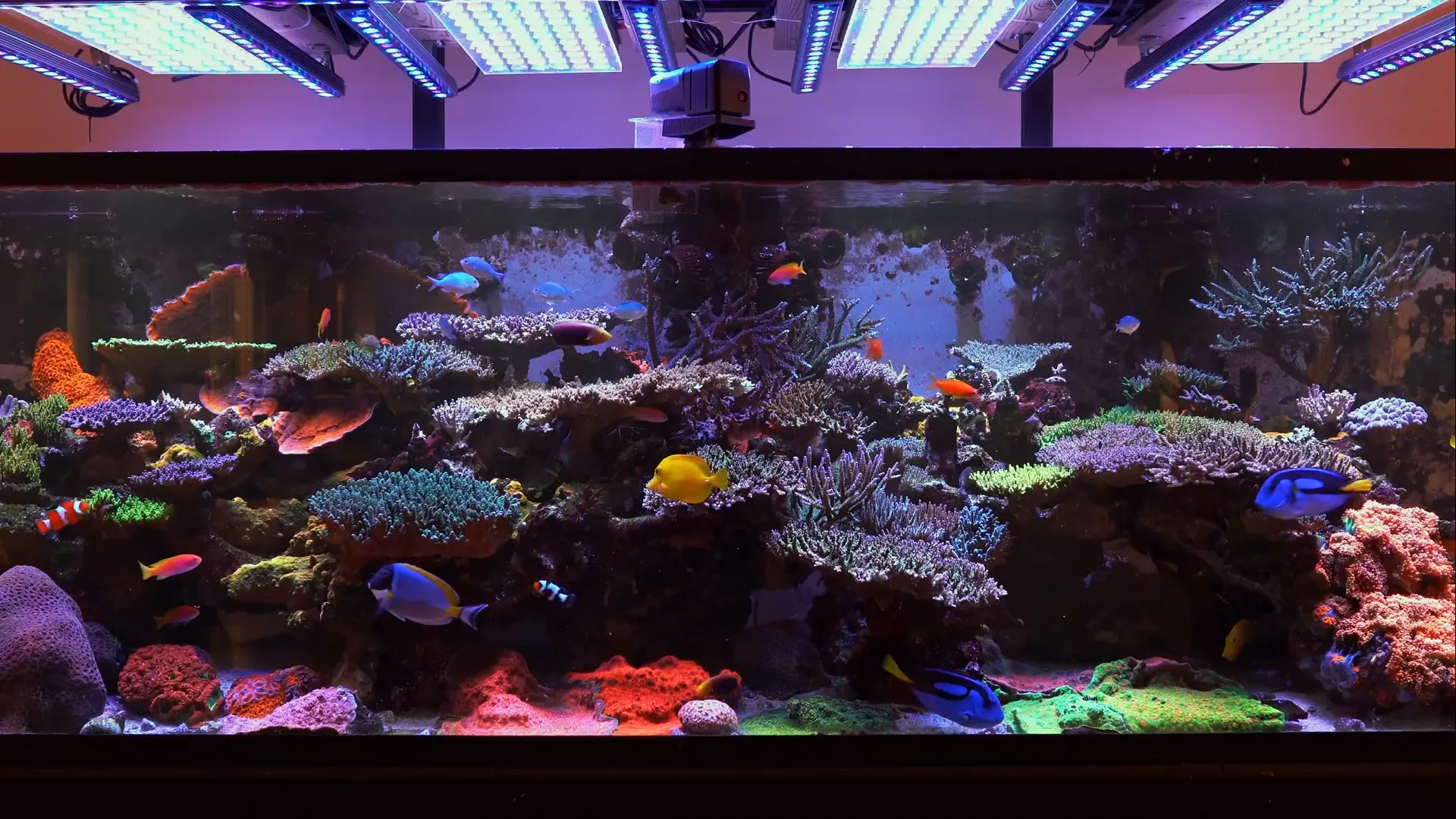
I've observed that stronger lighting helps not only the Acropora but also other corals like torches. They thrive under these conditions, showing better growth and colouration. So, if you're keeping Acropora, consider the lighting as an essential factor.
How do you address potential pH fluctuations in your system?
pH is another critical factor I monitor closely. I have a heat recovery ventilator that helps maintain my pH levels. This unit pulls in outside air and helps keep my pH above 8.35. This is vital for coral health.
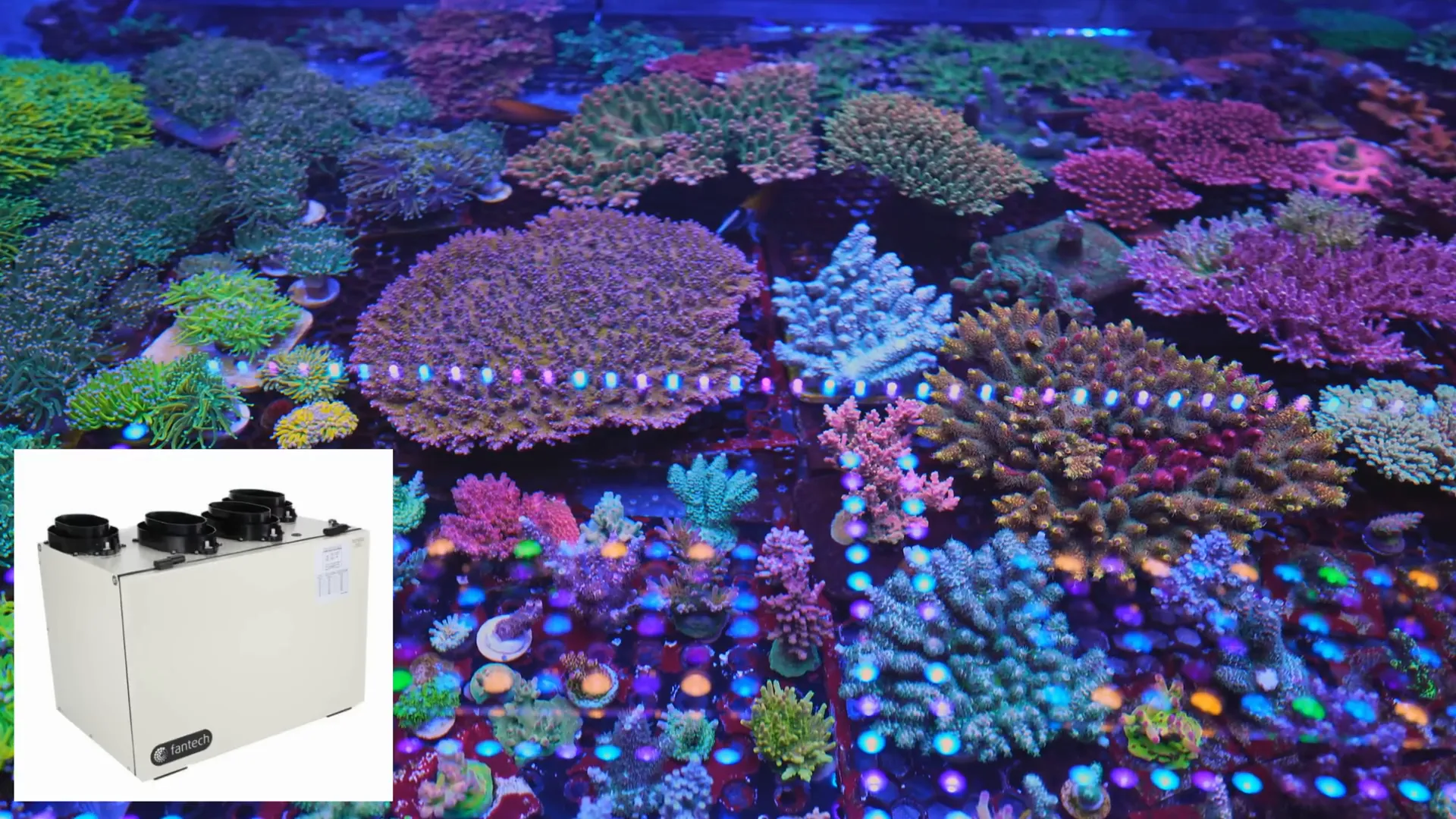
In the past, I struggled with pH drops, especially during winter. Now, I focus on maintaining stable CO2 and oxygen levels in my home environment, which directly impacts the tank's pH.
What’s your approach to water changes and their necessity?
I used to perform regular water changes, but now I've reached a point where I think I could go without them. However, I'm still cautious and prefer to do a water change when needed, especially if I see any buildup of detritus.
Typically, I do a 60-gallon water change when I clean up the tank. While there's ongoing research on the necessity of water changes, I find comfort in maintaining this routine for peace of mind.
How do external factors like pollution affect your corals?
External pollution is an ever-present concern. My corals are not adapted to the pathogens and pollutants found in urban environments. I take precautions, such as wearing gloves when working in the tank, to avoid introducing any new bacteria.
I've noticed that high levels of certain elements, like carbon from pollution, can have detrimental effects. Keeping windows and doors closed during high pollen seasons helps reduce these external influences on my corals.
What type of carbon do you use, and why?
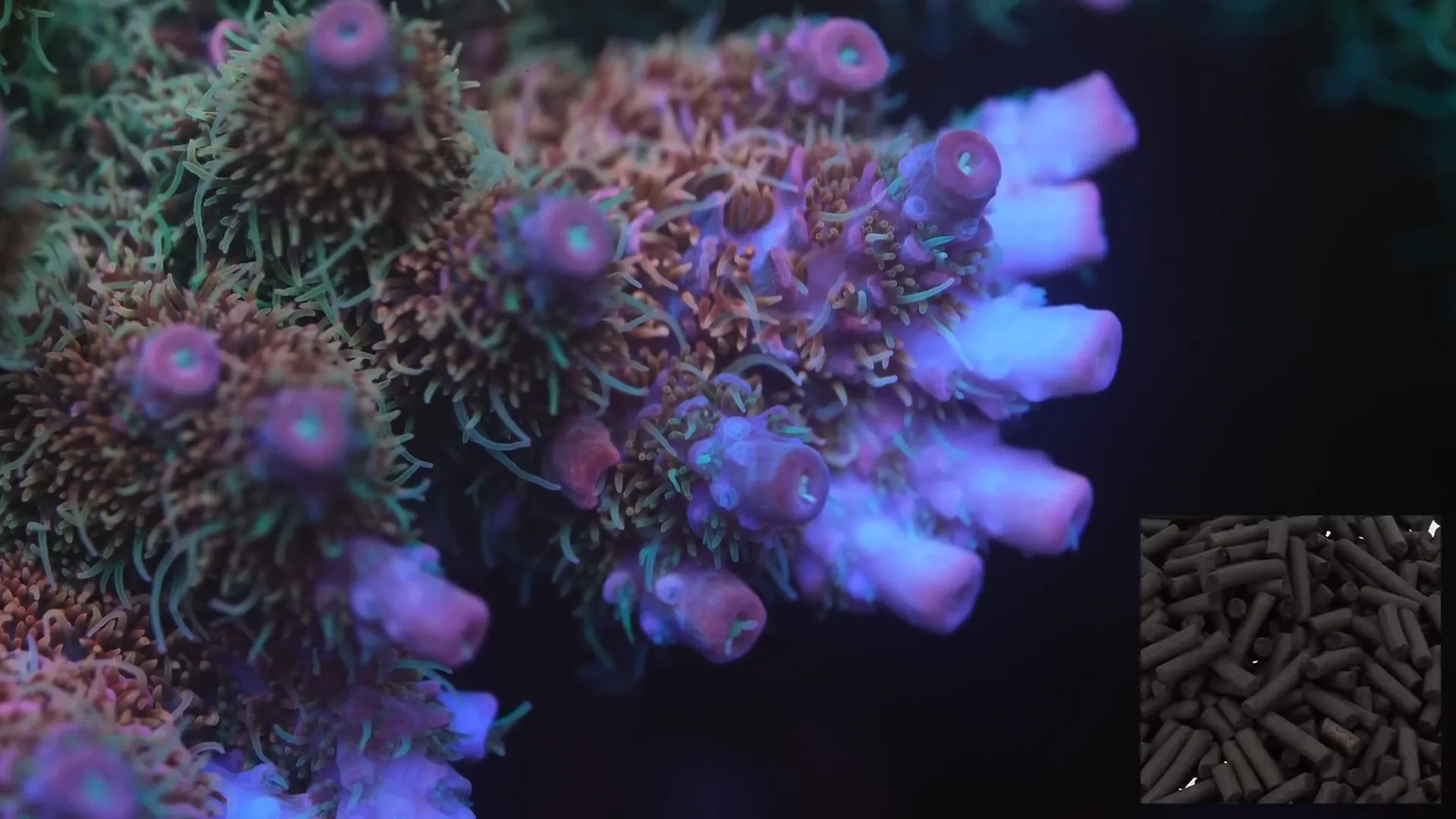
I use a catalytic activated carbon, known as CAC carbon. It's coconut-based and has a significant advantage: it doesn't reduce trace elements in the water. The only element it consumes is manganese, which is beneficial since everything else remains stable.

I performed an ICP test after running the carbon for a few weeks, and it showed that manganese was the only number affected. This allows me to maintain the other essential trace elements without worrying about them being stripped away.
Can you explain your feeding regimen for your corals?
My feeding regimen has evolved significantly. Initially, I was feeding a lot of carbohydrate-rich pellets, which inadvertently raised the carbon levels in my system. I've since switched to primarily feeding frozen food, which seems to be working better for my corals.
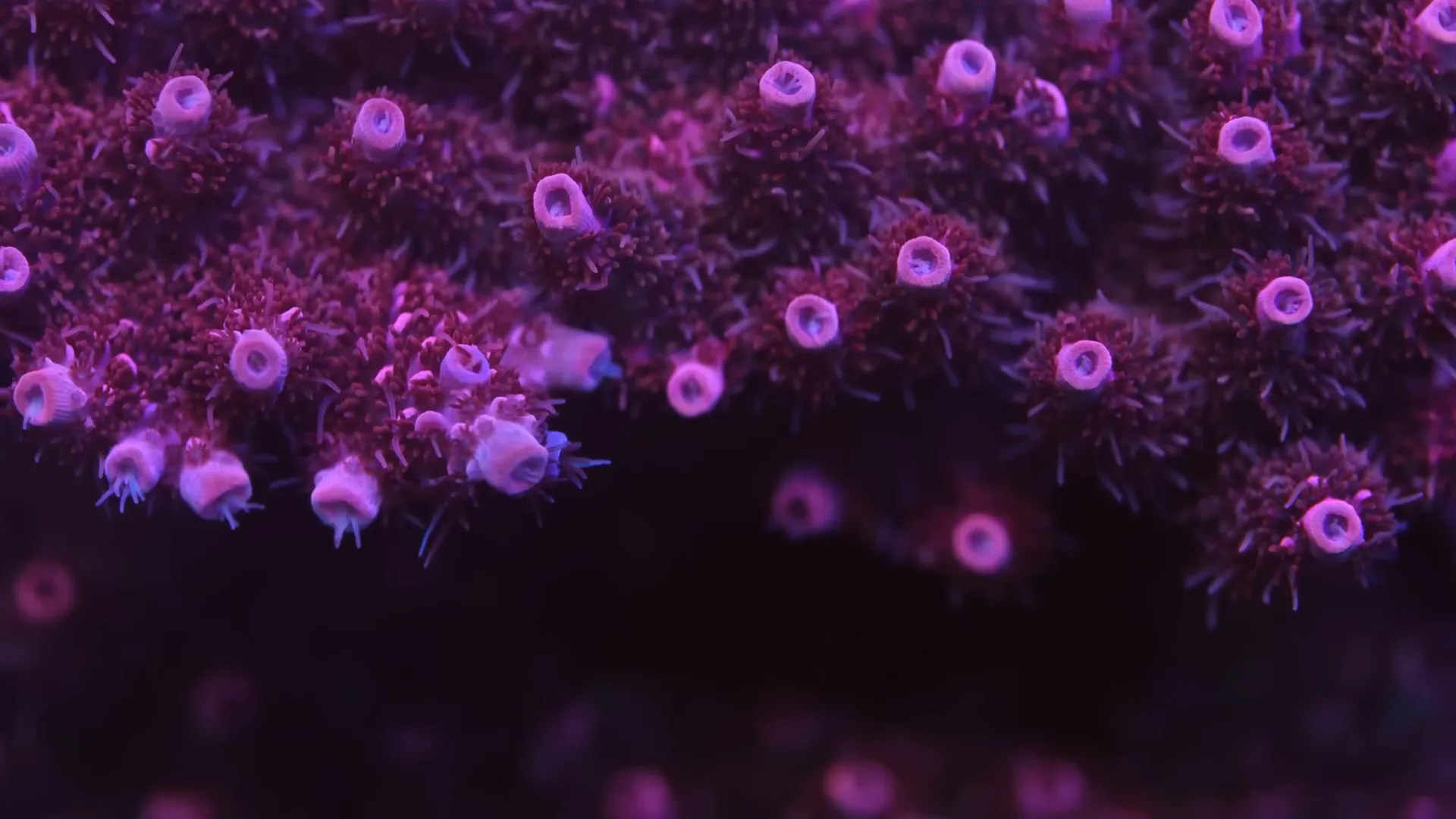
This approach not only stabilises the carbon levels but also provides a more natural diet for the corals. I mix the frozen food with CRT, which is made from natural ingredients and helps maintain the health of my corals. I feed daily, ensuring the corals have a steady supply of nutrients.
What innovations have you implemented in your tank maintenance?
One of the key innovations I've implemented is automating my dosing regimen. I use various pumps to ensure that trace elements are dosed daily, rather than relying on monthly corrections. This consistency helps maintain stable water parameters, which is crucial for coral health.
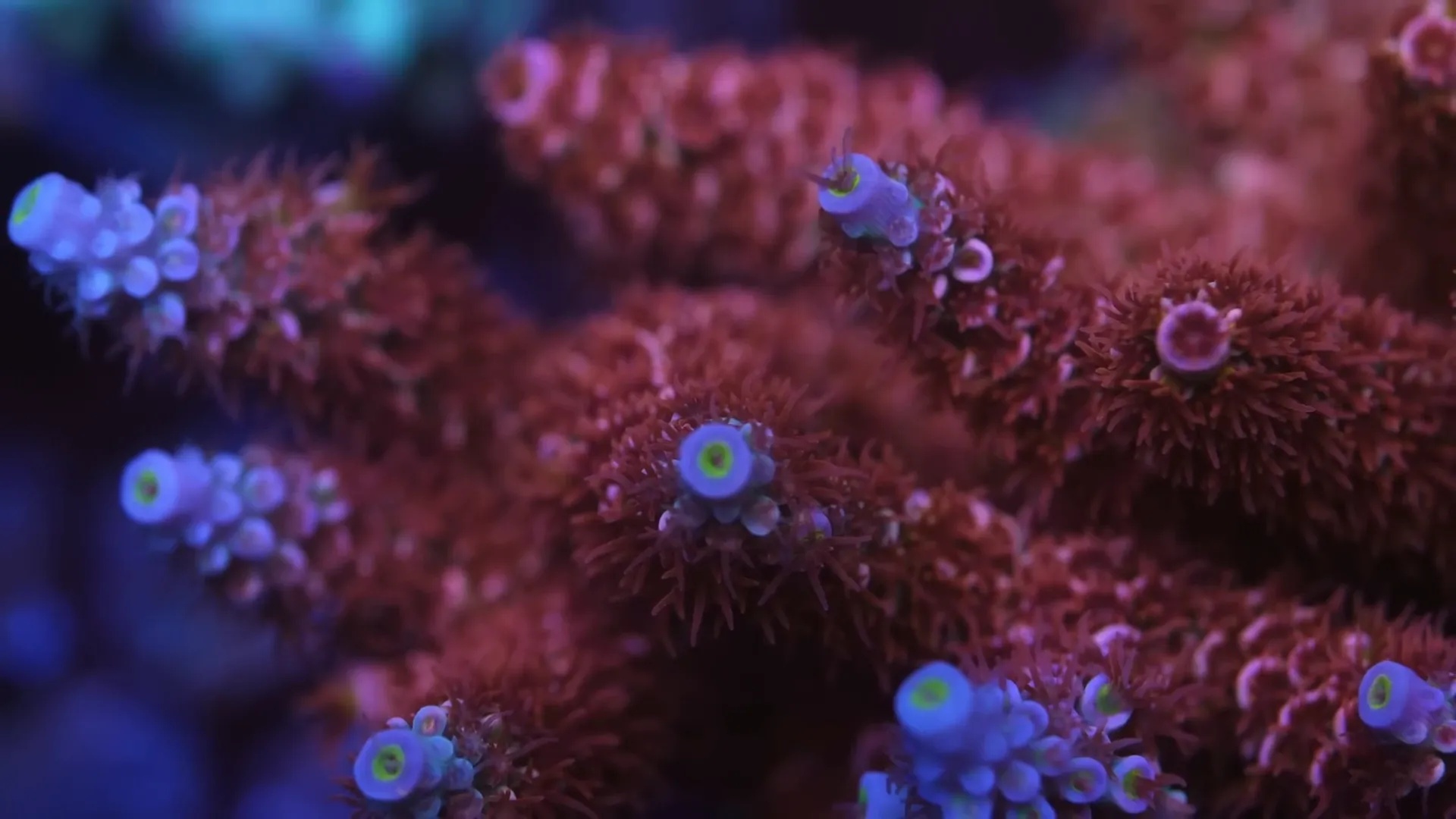
Additionally, I've integrated a heat recovery ventilator to keep my pH levels stable, ensuring they rarely drop below 8.35. This has made a noticeable difference in the overall health of my corals, especially the Acropora.
What common mistakes do you see hobbyists make with Acropora?
A common mistake I observe is hobbyists not paying enough attention to trace elements. Many believe that as long as they maintain calcium and alkalinity, everything will be fine. However, elements like manganese, iron, and zinc are crucial for the growth and colouration of Acropora.
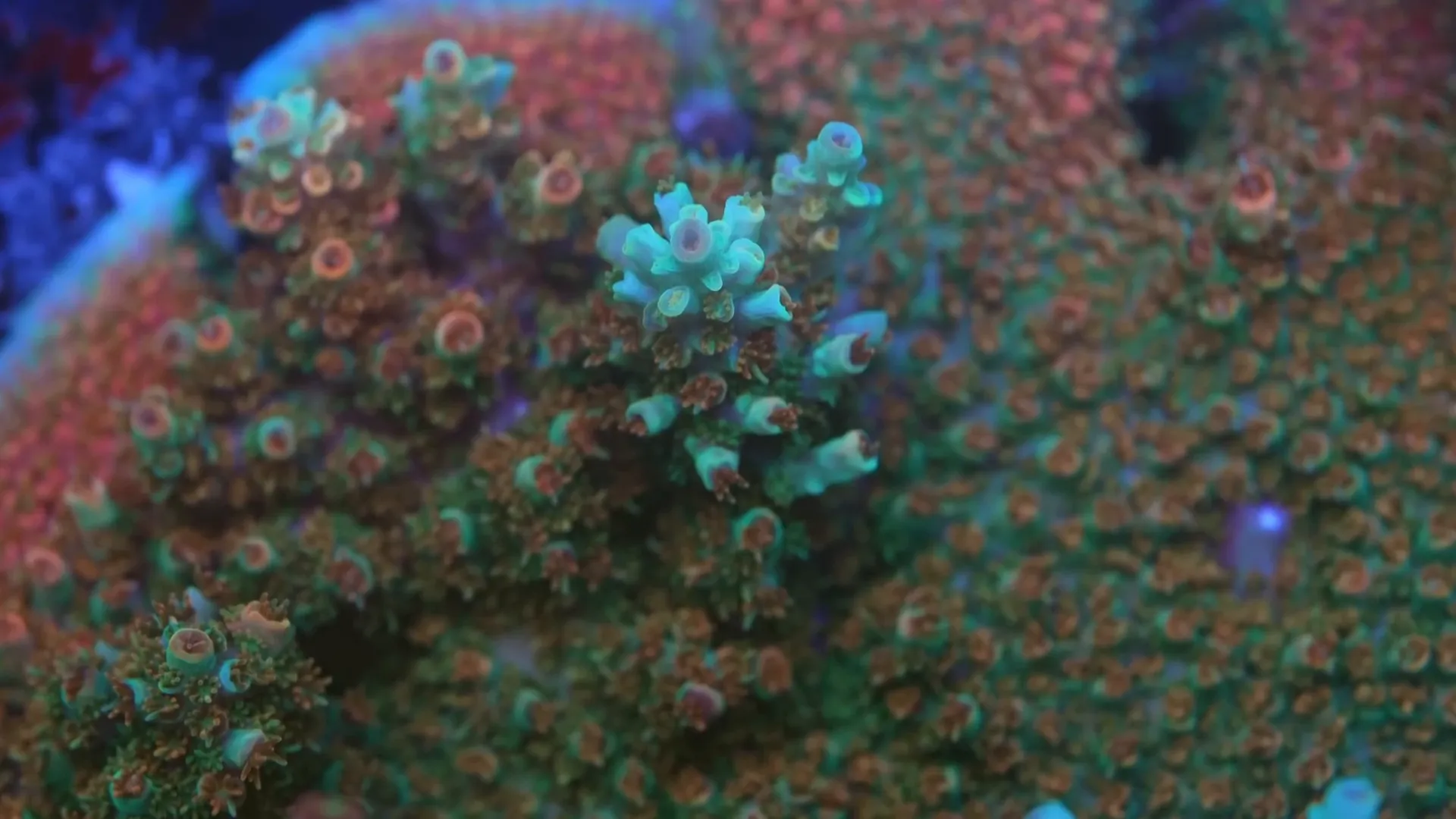
Another mistake is not understanding the importance of stable nutrient levels. Some hobbyists tend to vary their nitrate and phosphate levels drastically, which can lead to stress for the corals. It's all about finding that balance and maintaining consistency.
FAQ: What are the ideal parameters for keeping Acropora?
The ideal parameters for keeping Acropora generally include maintaining nitrates between 10-15 ppm and phosphates between 0.08-0.12 ppm. These levels allow for healthy growth and vibrant colours.
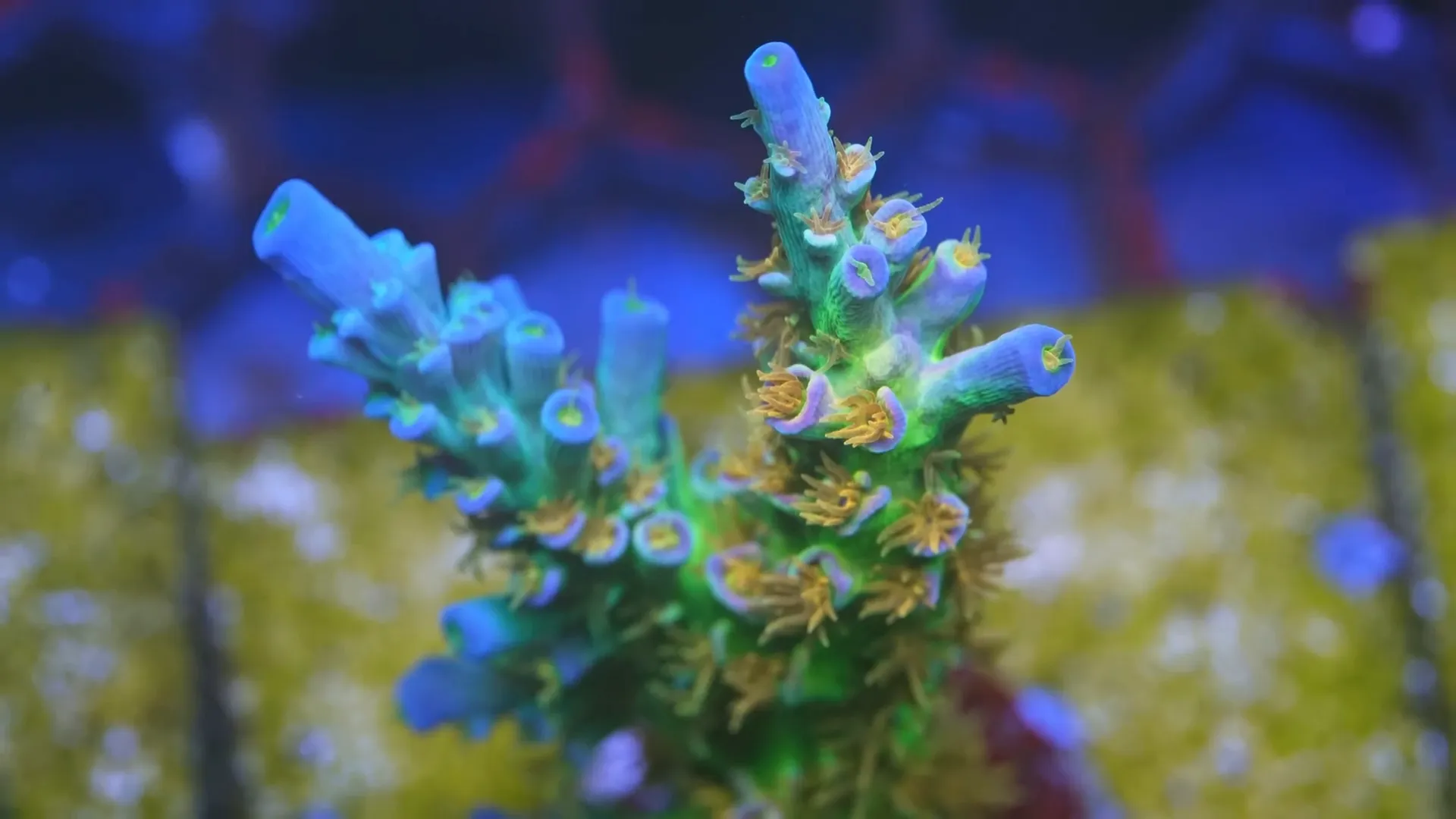
Additionally, keeping a stable pH above 8.35 and ensuring proper lighting, with PAR levels ranging from 350 to 500, will significantly benefit the health of Acropora. Regular testing and adjustments based on ICP results are essential to ensure these parameters remain optimal.
This article was created and inspired from the video SECRET Formula for Keeping HIGH-END Acropora DISCLOSED - all image and video credits go to the original content creator.