When you think of the Siamese fighting fish, better known as the betta, the image that likely comes to mind is a dazzlingly colorful fish flaunting its flowing fins in a small aquarium. However, the true story of the betta extends far beyond the glass walls of a tank. To truly appreciate this captivating fish, one must dive deep into its Betta natural habitat—the floodplains and waterways of Southeast Asia, particularly Thailand. This article invites you to explore the fascinating world of wild bettas, their origins, behaviours, and the challenges they face in their natural environment.
Drawing on insights and footage captured by Rodrigo Silva, this exploration uncovers the evolutionary journey of bettas, revealing how domesticated varieties we know today trace back to a handful of wild species. From their adaptive survival skills to their intricate mating rituals, and the threats posed by urbanisation, this article sheds light on the real life of betta fish in their native habitats.
Table of Contents
- The Origins of the Betta: From Floodplains to Aquariums
- Meet the Wild Betta Species
- The Importance of Preserving Betta Natural Habitat
- Betta Fish in the Aquarium: A Reflection of Wild Origins
- Frequently Asked Questions (FAQ)
- Conclusion
The Origins of the Betta: From Floodplains to Aquariums
The betta fish has been a part of human culture in Southeast Asia for over a thousand years. Originating from the floodplains of Southeast Asia, the betta's habitat was shaped by the region's rice farming practices. These expansive rice paddies and flooded fields provided an ideal environment for these resilient fish to thrive.
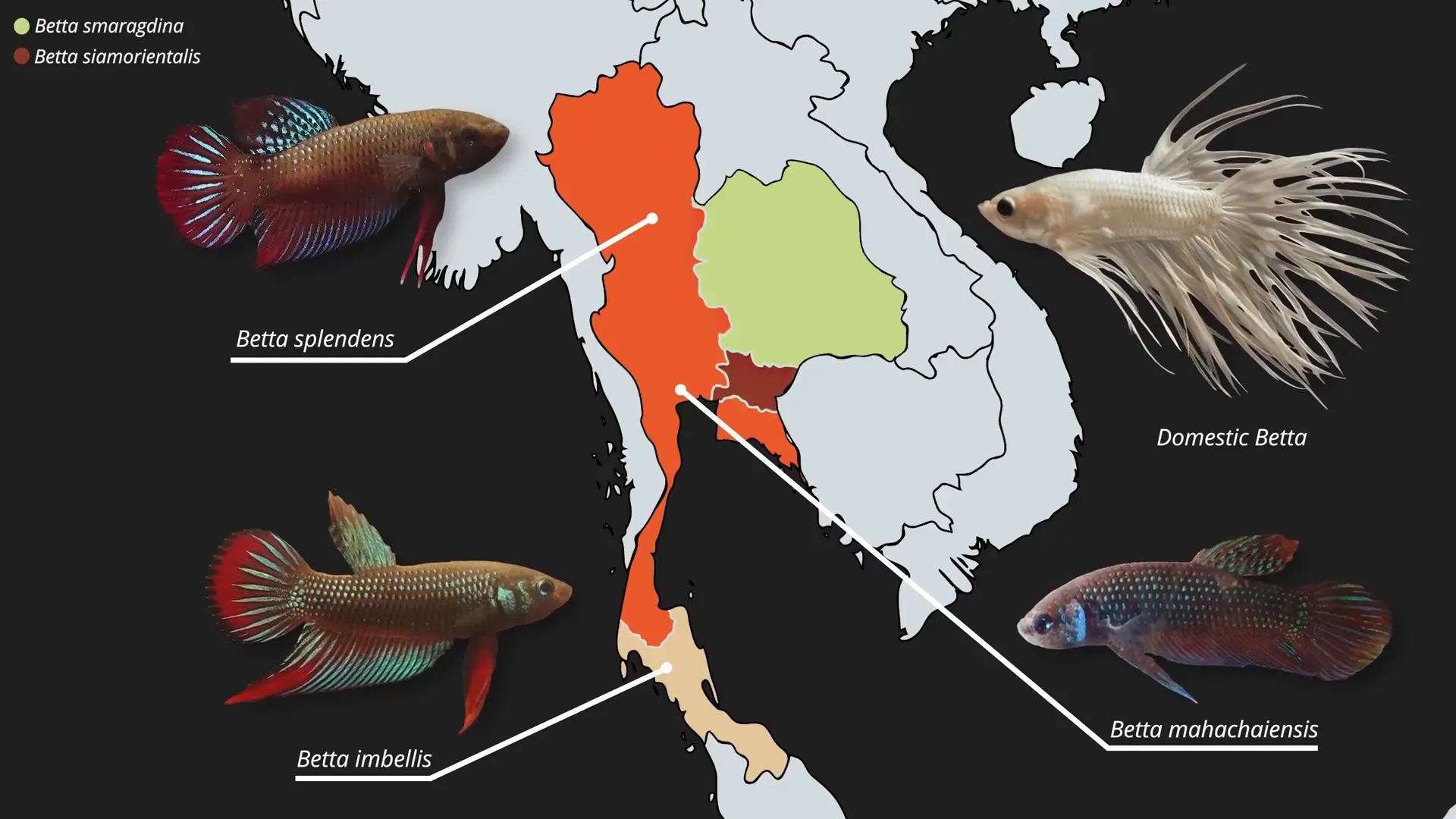
Unlike many domesticated animals whose origins are well documented, the true lineage of the betta remained somewhat mysterious until recent advances in genetic testing. Modern research has revealed that the popular pet bettas we see today are actually a hybrid of three wild species native to Southeast Asia: Betta splendens, Betta imbellis, and Betta mahachaiensis. Some of these species are now endangered, making the preservation of their natural habitats crucial not only for biodiversity but also for the continuation of the betta’s legacy.
Meet the Wild Betta Species
Betta splendens: The Widespread and Adaptable Fighter
The Betta splendens is the most widely distributed of the three species, found throughout central Thailand and neighboring countries. Its adaptability is remarkable, inhabiting shallow, slow-moving waters such as rice paddies, flooded fields, ponds, and streams. This flexibility has helped it survive in diverse environments, from crystal clear waters to those rich in vegetation and low oxygen.
What truly sets the Betta splendens apart is its unique physiology and behaviour. Like many labyrinth fish, it possesses a lung-like labyrinth organ that allows it to breathe atmospheric air. This adaptation is vital in the oxygen-poor waters it inhabits, enabling it to survive in conditions that would be lethal to other fish.
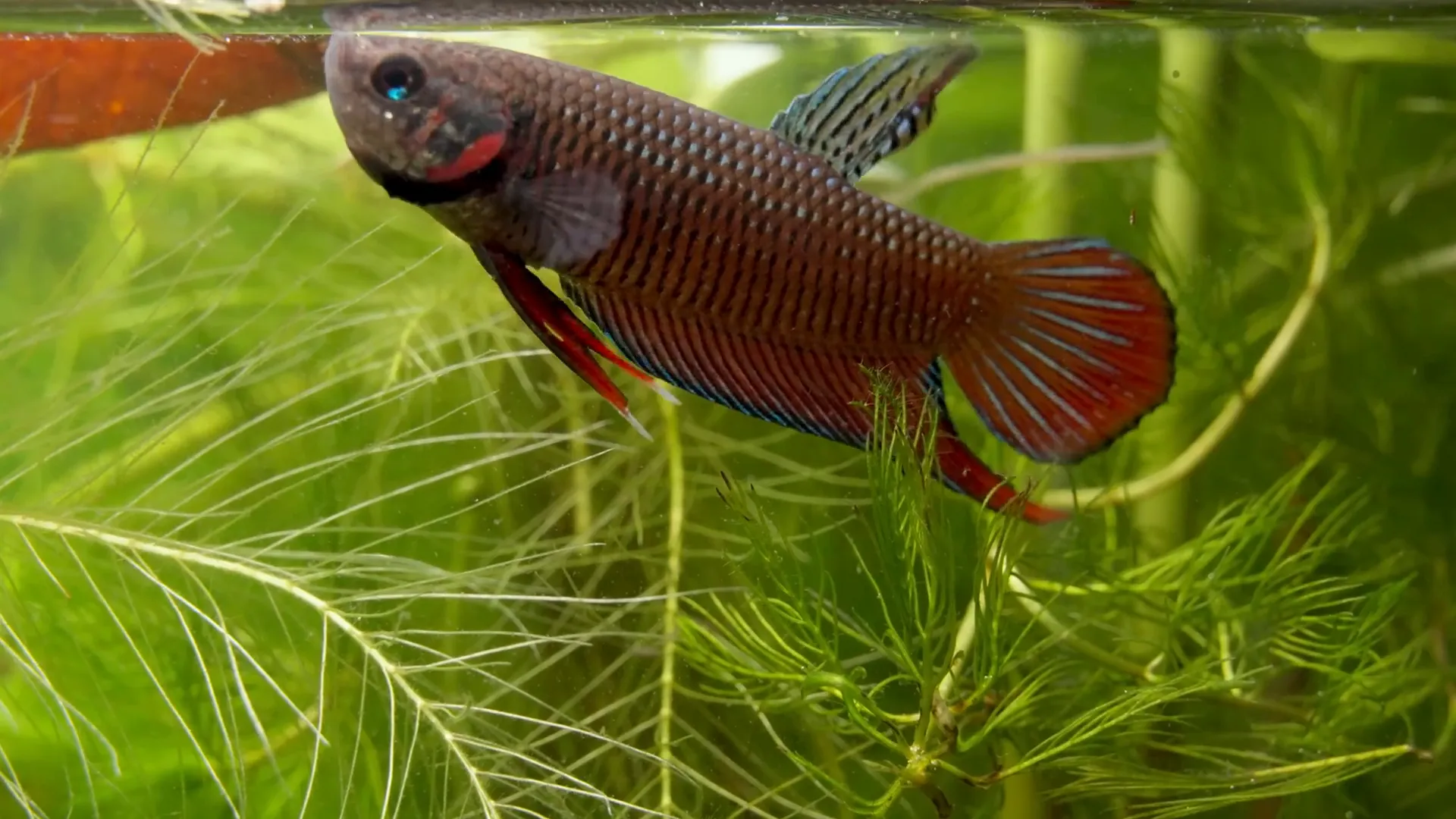
Socially, Betta splendens males are fiercely territorial. When two males encounter each other, they display intense aggression marked by vibrant colour changes—reds and blues flare across their scales as a warning to rivals. This dramatic display can escalate into physical combat to defend territory and bubble nests.
Their habitat is shared with other labyrinth fish like the croaking gourami, which competes for similar niches, and predatory snakeheads, which pose a constant threat. Despite this, Betta splendens coexist with a variety of species ranging from tiny rasboras to larger birds, creating a dynamic ecosystem.
The Fascinating Bubble Nest Ritual
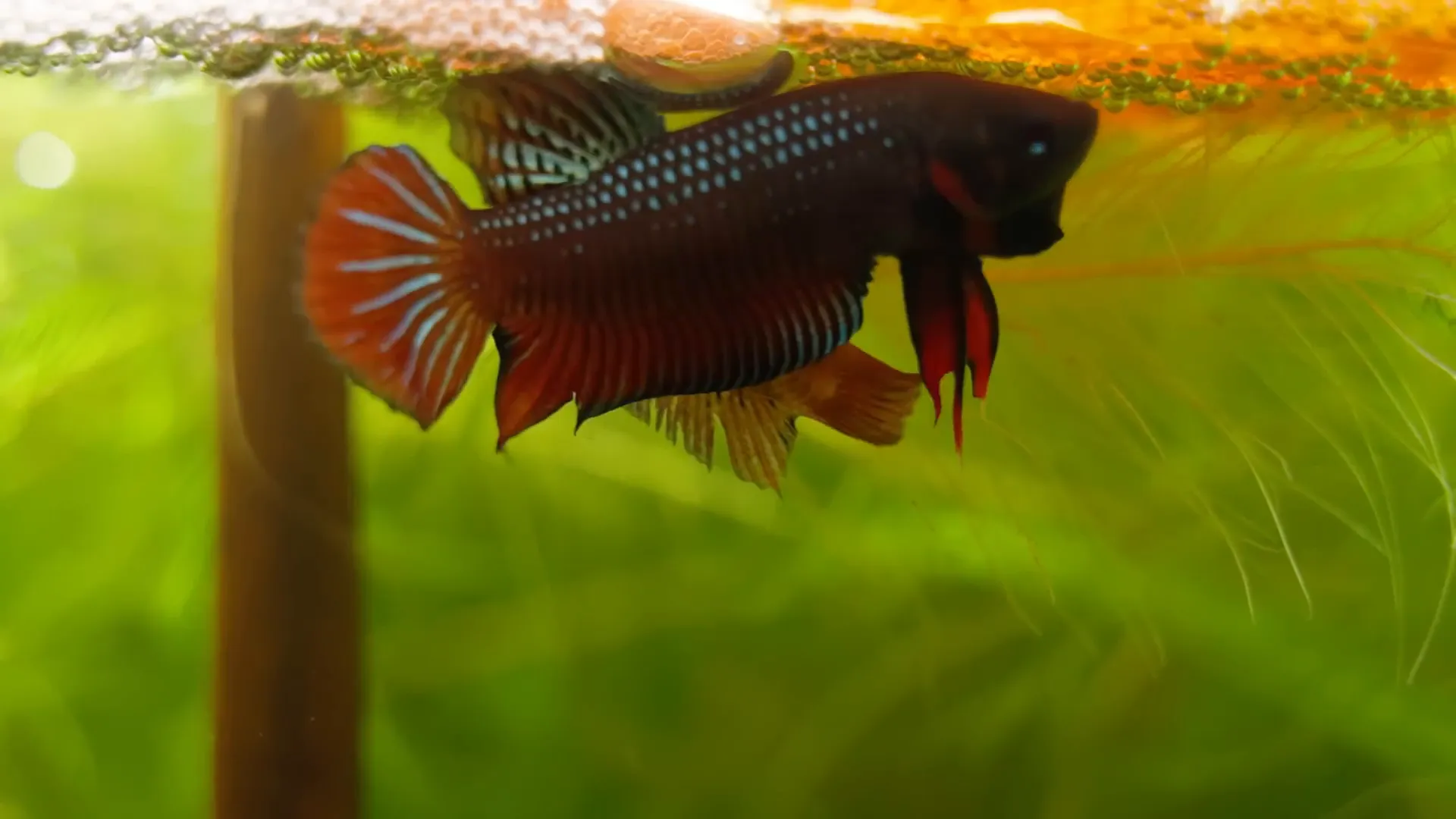
One of the most captivating behaviours of the Betta splendens is its bubble nest building, a reproductive strategy adapted to their low-oxygen environment. The male betta carefully constructs a nest made entirely of bubbles, often under floating leaves or in shaded areas. This nest serves as a protective cradle for the eggs, ensuring they remain oxygenated until hatching.
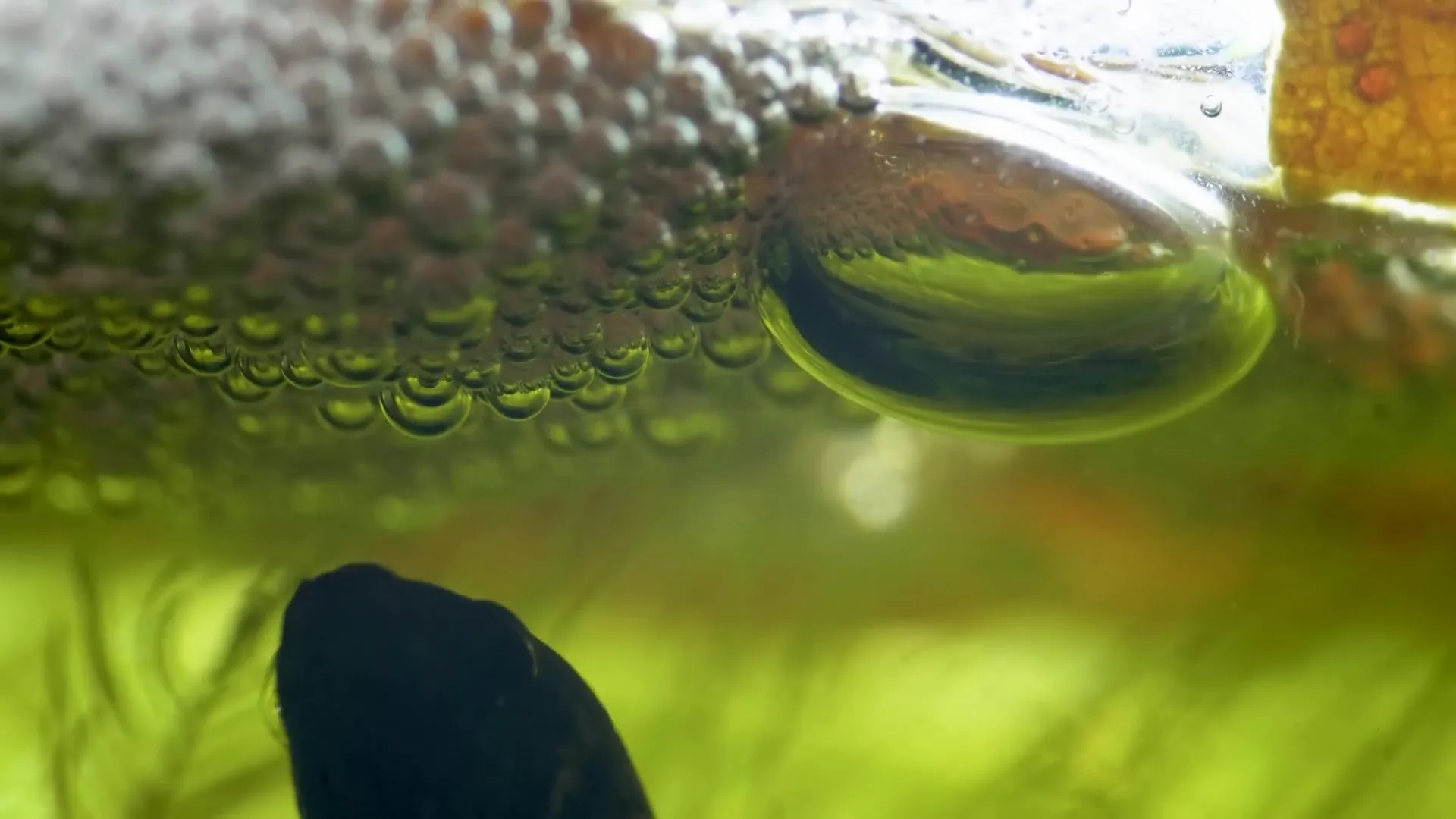
The male’s meticulous bubble placement is a testament to his dedication. Once the nest is ready, he flaunts his vibrant fins in a bid to attract a female. When a receptive female approaches, identifiable by her vertical stripes, a beautiful courtship dance ensues. The male flares his gills and spreads his fins, wrapping around the female in an embrace where she releases eggs while he fertilizes them.
The male then collects the sinking eggs and places them gently into the bubble nest, where they incubate for about two days. After hatching, the fry are vulnerable and unable to swim, so the male guards them vigilantly, retrieving any that fall from the nest. Within three days, the fry are strong enough to leave the nest and fend for themselves.
Survival in a Changing Environment
As the dry season approaches, the flooded fields and paddies gradually recede, and oxygen levels in the remaining water sources plummet. Betta splendens navigate these challenging conditions by moving slowly to other water bodies. Sometimes, they become trapped in small puddles until the rains return, but their ability to breathe air directly allows them to endure these precarious moments.
Despite their hardiness, it’s important to note that bettas, especially the domesticated varieties, do not thrive in cramped or poor-quality environments. Their natural behaviour and health depend on space and water quality, reflecting the conditions of their Betta natural habitat.
Betta imbellis: The Elegant Cousin
Another wild precursor to domesticated bettas is the Betta imbellis, commonly traded and popular among breeders. Native to southern Thailand and the Malay Peninsula, this species closely resembles Betta splendens in colour and behaviour but can be distinguished by elegant blue iridescent bars on its gills, as opposed to the red bars of Betta splendens.
The southern Thai landscape, with its towering limestone cliffs and lush jungle, offers diverse aquatic habitats for Betta imbellis. These range from crystal clear, limestone-enriched streams to tannin-stained jungle pools.
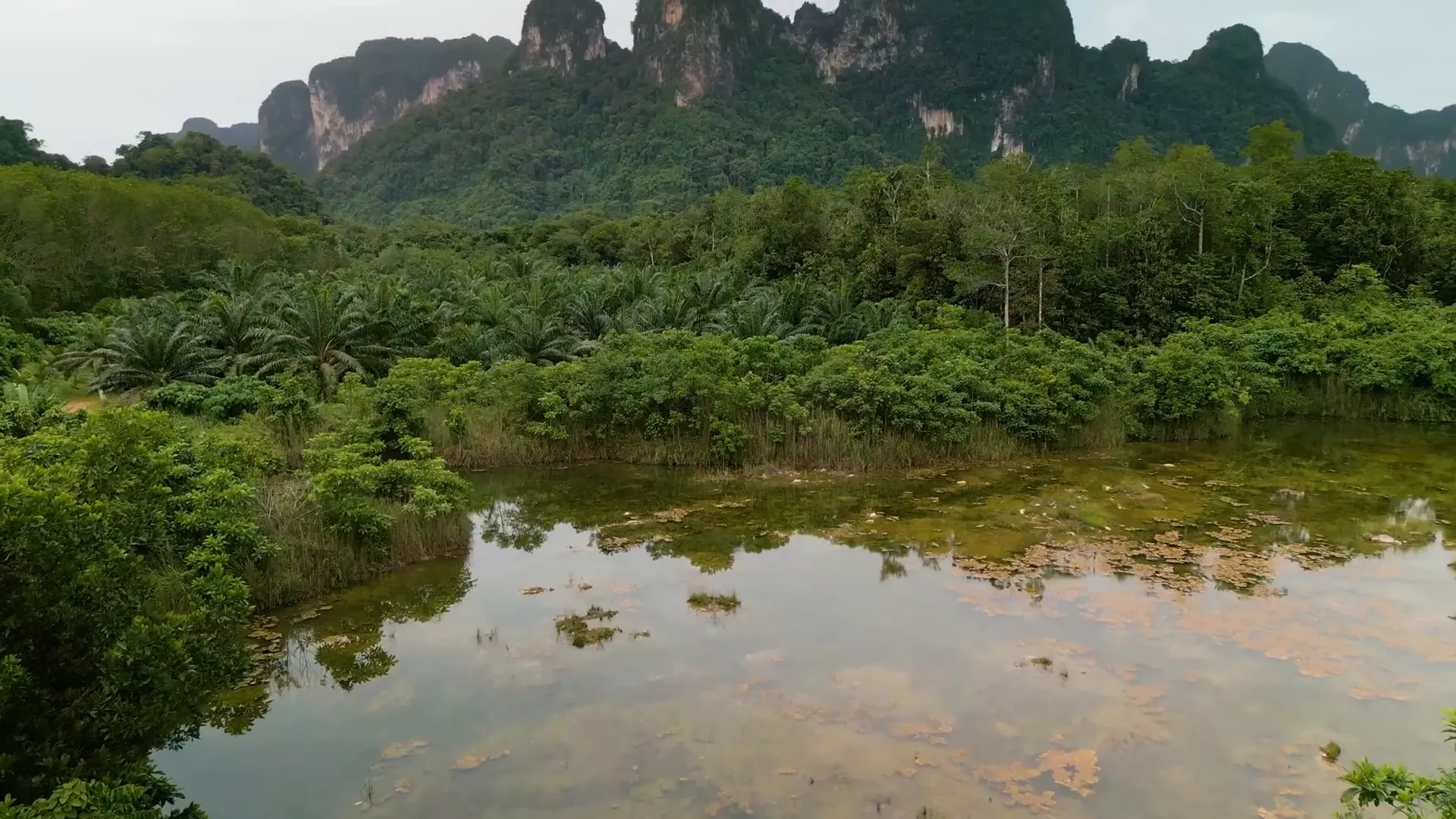
Like Betta splendens, the male imbellis builds bubble nests in anticipation of the rainy season, carefully crafting his nest bubble by bubble. He then performs an enchanting display to attract a female. However, unlike the more aggressive splendens, the female imbellis sometimes remains unimpressed, showing a more selective approach to mating.
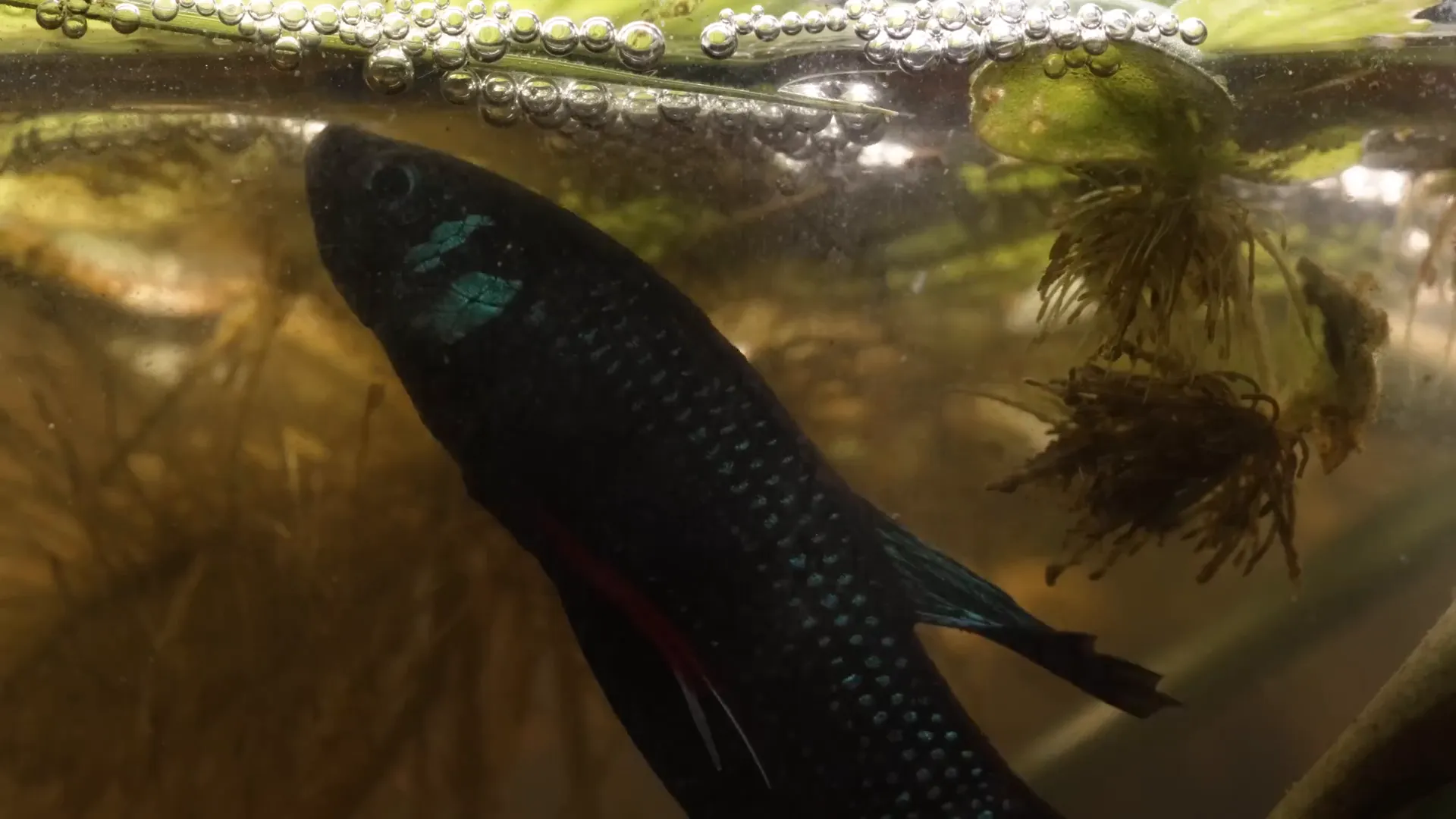
When rejected, the male must decide whether to wait or build a more attractive nest elsewhere, highlighting the nuanced courtship dynamics within wild bettas.
Betta mahachaiensis: The Endangered Jewel of Bangkok
The third species, Betta mahachaiensis, has a much more restricted range, found only in a few locations around Bangkok. This species is critically endangered due to rapid urban development, habitat fragmentation, and increasingly severe droughts.
Betta mahachaiensis inhabits unique palm mangrove ecosystems, a fragile environment that is quickly disappearing. During the dry season, these fish rely on small pockets of water at the base of palm trees for survival and nest building, a behaviour unique among bettas.
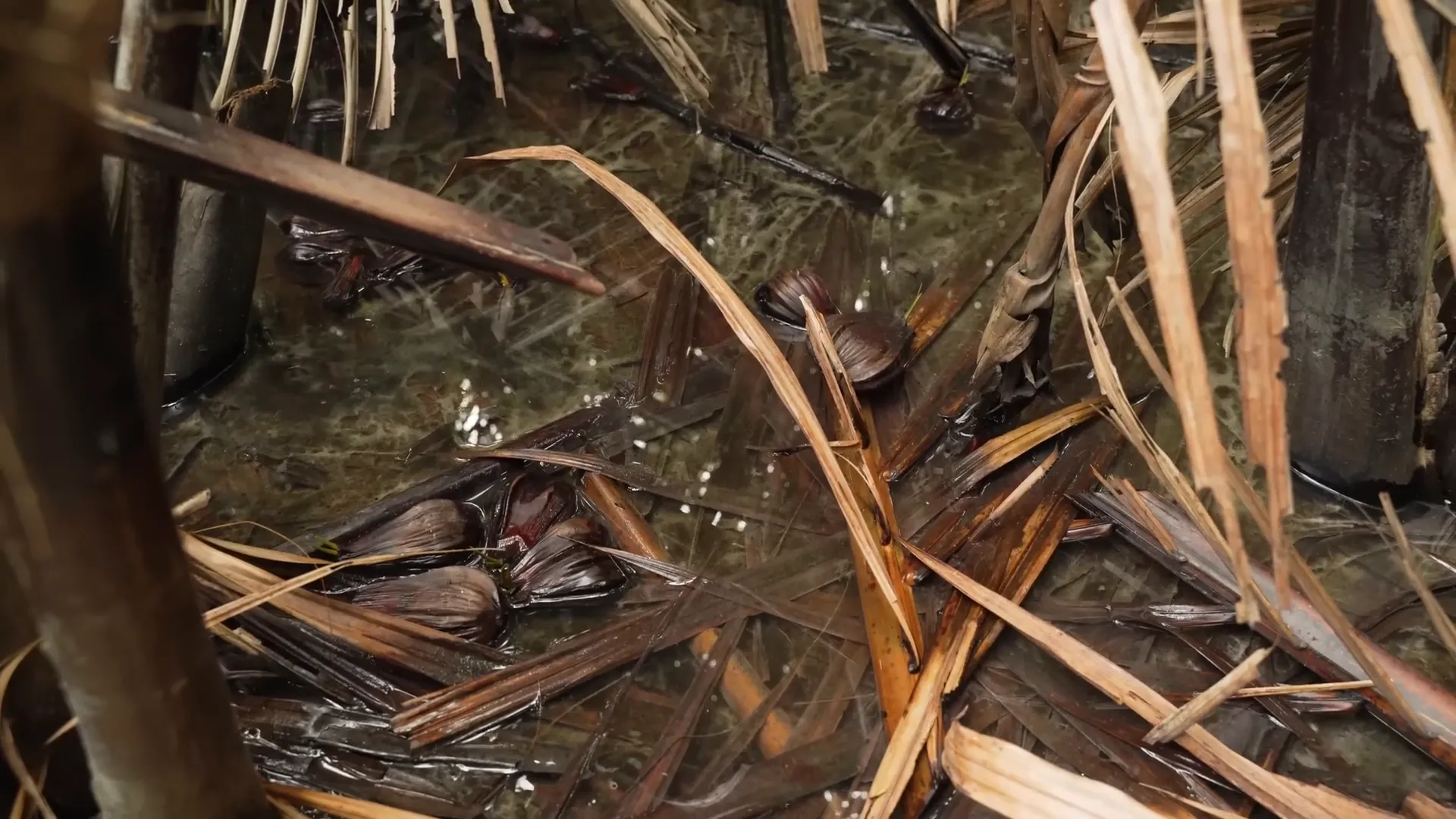
Distinguished by its dark body with iridescent green to bluish hues and striking green bars on the operculum, Betta mahachaiensis preys on small invertebrates and insects. Unlike the more territorial splendens, this species exhibits less aggression, allowing multiple fish to coexist in limited water pockets during dry spells.
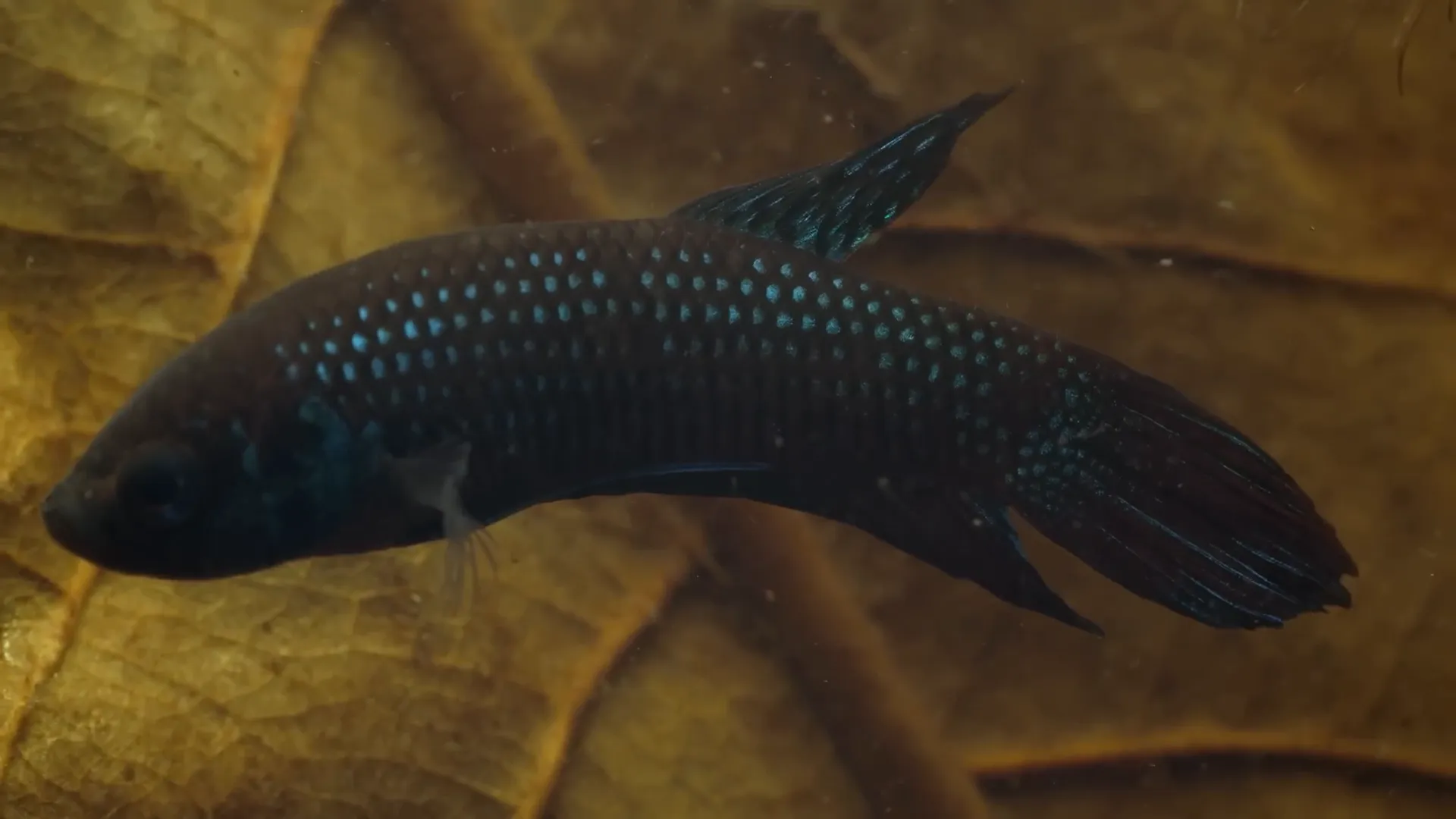
Sadly, the expansion of Bangkok and the destruction of these habitats threaten the survival of Betta mahachaiensis. The combination of habitat loss and extreme weather patterns creates an urgent need for conservation efforts.
The Importance of Preserving Betta Natural Habitat
Understanding the Betta natural habitat is key to appreciating the beauty and resilience of these fish. The floodplains, rice paddies, streams, and mangroves are not just homes but ecosystems that have shaped the betta’s evolution for centuries.
Preserving these habitats benefits not only bettas but also the broader biodiversity of Southeast Asia. The challenges faced by wild bettas—urban development, pollution, habitat fragmentation, and climate change—mirror global environmental issues. Protecting these environments safeguards the future of bettas and countless other species that share their world.
Betta Fish in the Aquarium: A Reflection of Wild Origins
Today’s domesticated bettas, with their extravagant fins and vivid colours, owe their traits to selective breeding from their wild ancestors. Yet, the essence of their behaviour remains rooted in their natural environment. Their territoriality, bubble-nest building, and air-breathing capabilities are all adaptations from their wild origins.
For betta enthusiasts and breeders, understanding the natural history and behaviour of wild bettas enriches the experience of keeping these fish. It also underscores the responsibility to provide conditions that respect their natural needs, such as adequate space, clean water, and environmental enrichment.
Frequently Asked Questions (FAQ)
What is the natural habitat of betta fish?
Bettas naturally inhabit shallow, slow-moving waters like rice paddies, flooded fields, streams, ponds, and mangrove swamps in Southeast Asia, particularly Thailand. These environments tend to have dense vegetation and low oxygen levels.
How do bettas survive in low-oxygen environments?
Bettas possess a labyrinth organ, a lung-like structure that allows them to breathe atmospheric air directly from the water surface, enabling survival in oxygen-poor waters.
What are bubble nests and why do bettas build them?
Male bettas build bubble nests made from saliva-coated air bubbles to protect fertilized eggs and provide oxygen to developing embryos in low-oxygen water.
Are wild betta species endangered?
Yes, some wild betta species like Betta mahachaiensis are endangered due to habitat loss, urban development, and climate change impacts.
How do wild bettas differ from domesticated bettas?
Wild bettas tend to have more subdued colours and smaller fins but exhibit natural behaviours such as territoriality and bubble nest building. Domesticated bettas have been selectively bred for vibrant colours and elaborate fins but retain many natural instincts.
Can bettas survive in small tanks or bowls?
Despite their hardiness, bettas require adequate space and clean water to thrive. Small tanks or bowls often lead to poor health and stress.
Conclusion
The captivating world of betta fish extends far beyond the aquarium. Their story is deeply intertwined with the floodplains and waterways of Southeast Asia, where three wild species have shaped the genetic and behavioural foundations of the bettas we know today. Understanding the Betta natural habitat offers valuable insight into their resilience, complex social behaviours, and the challenges they face in the wild.
As urbanisation and environmental changes threaten these habitats, the responsibility falls on us to appreciate and protect the delicate ecosystems that sustain these remarkable fish. By doing so, we not only preserve the natural heritage of bettas but also ensure that future generations can continue to marvel at their beauty and fascinating life cycles.
For those passionate about bettas, whether as hobbyists or conservationists, embracing the knowledge of their natural history enriches the connection to these extraordinary fish and highlights the importance of sustainable stewardship.
This article was inspired from the video Revealing the Life of Betta Fish in Their Natural Habitat with all credits going towards the creator.