Welcome to an in-depth journey into one of the most impressive and innovative marine aquaculture operations in the world — ORA Farms. Founded in 1997 and nestled on a sprawling 20-acre university campus in Florida, ORA (Oceans, Reefs, and Aquariums) has been a pioneer in sustainable fish and coral farming for over two decades. As the owner of Fragbox Corals, a store that exclusively sells captive-bred fish, I’ve had the privilege of partnering with ORA for years, and their operation continues to blow me away every time I visit.
In this article, I’ll take you behind the scenes at ORA Farms, exploring everything from their massive shipping building to their sunlit coral greenhouses, their breeding programs for clownfish, clams, marine bettas, urchins, and even sharks. Whether you’re a seasoned reef keeper or a hobbyist looking to expand your knowledge, this dive into ORA’s world will inspire and educate you on how fish and coral farming can be done on a truly next-level scale.
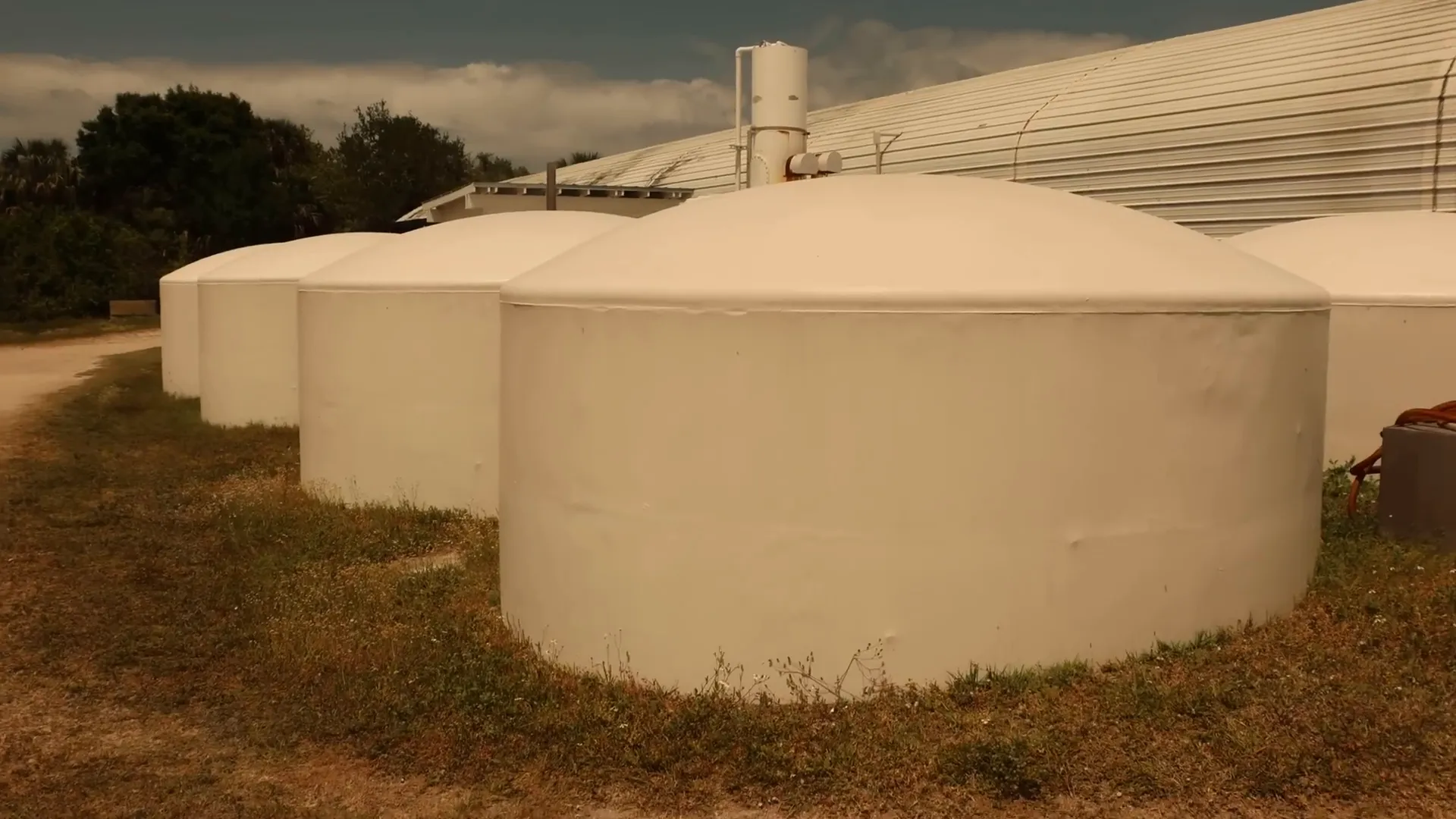
Table of Contents
- Welcome to ORA Farms: A Massive Sustainable Marine Operation 🌍🐟
- Behind the Scenes: The Shipping Building and Logistics 📦🚚
- The World of Clams at ORA Farms: Maximas and Dorassa 🐚💡
- Lighting and Growth Conditions: The Power of Sunlit Coral Greenhouses ☀️🌿
- Coral Cultivation at ORA: Classic and Exotic Species Galore 🐠🌈
- Fish Breeding and Broodstock Management: Clownfish, Marine Bettas, and More 🐟🐠
- Innovative Filtration and Water Systems: Simplicity Meets Efficiency 💧🔧
- The Fascinating World of Sharks and Urchins at ORA 🦈🐚
- Biosecurity and Backup Systems: Ensuring Stability and Health 🛡️⚡
- Unique Species and the Stories Behind Them: The History of Iconic Fish 🐠📜
- Sunlit Coral Tanks: A Natural Approach to Coral Farming 🌞🐚
- Macroalgae Cultivation and Nutrient Export: Nature’s Filters 🌿💧
- Frequently Asked Questions (FAQ) ❓🐠
- Conclusion: ORA Farms Sets the Bar for Sustainable Marine Aquaculture 🌟🌊
Welcome to ORA Farms: A Massive Sustainable Marine Operation 🌍🐟
When I first arrived at ORA Farms, I had a rough idea of their size from previous dealings, but seeing the facility in person was a whole different experience. The farm is located on a beautiful university campus, spanning an impressive 20 acres. This isn’t your average fish farm; it’s a large-scale, highly organized operation producing a wide variety of marine life, including clownfish, dottybacks, damsels, marine bettas, peppermint shrimp, sea urchins, and captive-bred clams.
What struck me right away was the incredible scale and professionalism of the place. The clams alone are “to die for,” and the greenhouse dedicated to growing corals is unlike anything I’ve seen before — it’s entirely sunlit, which is unusual for coral farms that typically rely on artificial lighting. This natural light environment helps simulate wild conditions, promoting healthy coral growth.
Here at ORA, sustainability is the name of the game. We only sell captive-bred fish in our store, and ORA’s work aligns perfectly with this philosophy. They are not just breeding fish and corals; they’re setting a standard for responsible reef keeping and marine aquaculture.
Behind the Scenes: The Shipping Building and Logistics 📦🚚
One of the first stops on the tour was the shipping building, and wow — the sheer volume of packages moving through daily is staggering. At any given time, there can be upwards of 250 boxes being prepared and shipped out. Their regular daily volume is around 100 boxes, which is already impressive, but scaling to 250 is mind-blowing.
The shipping department operates with a dedicated team of five people working hard to ensure every order is carefully packed and ready for transport. The process is highly streamlined, starting at 7 AM and continuing until around 5 PM, depending on FedEx’s needs.
The security and care taken during shipping are meticulous. I felt like I was going through airport security — shoes off, passcodes, metal detectors — just to enter the shipping area. This level of security ensures the health and safety of the precious marine cargo.
The World of Clams at ORA Farms: Maximas and Dorassa 🐚💡
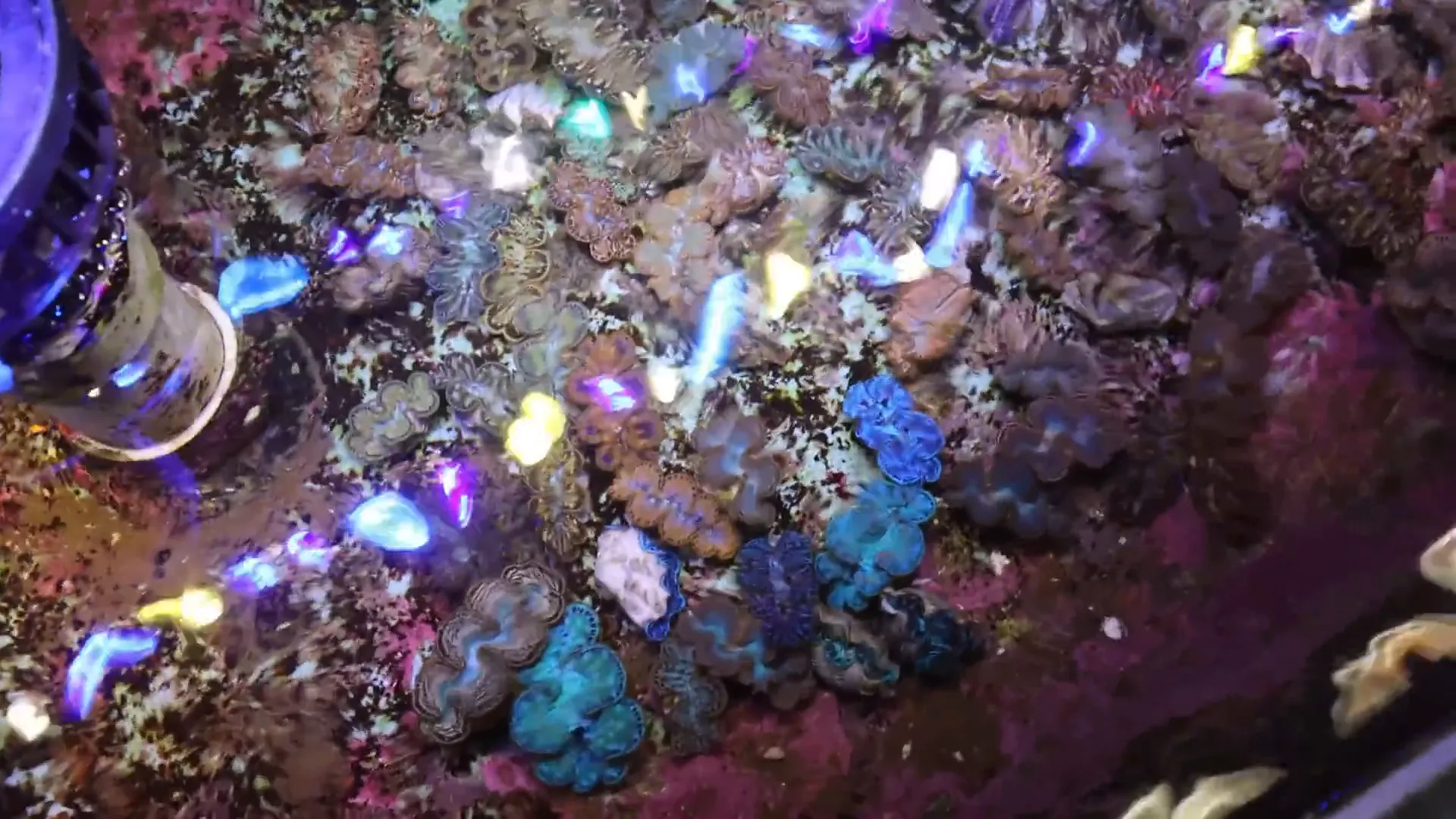
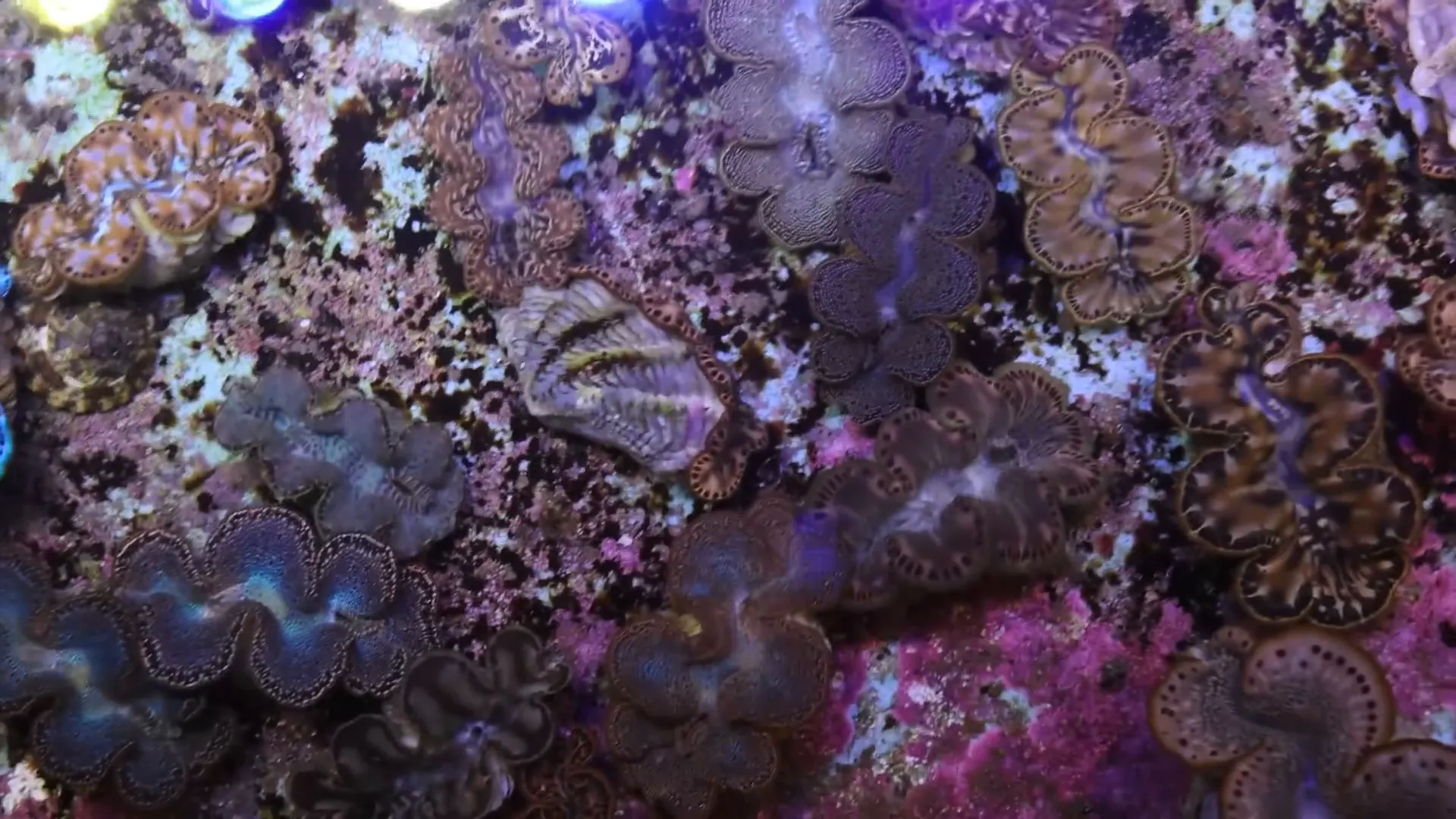
One of the standout features of ORA Farms is their clam breeding and cultivation program. The farm receives shipments of clams from places like the Marshall Islands, including prized species such as the Maxima clam. However, not all the clams are perfect — some are the “leftover” ones after the best have been picked through in the first two weeks. Even these “leftover” clams are stunningly beautiful, but they highlight the high standards ORA maintains.
One fascinating insight shared was about the different types of clams and their care. The Dorassa clams, for example, are considered the most beginner-friendly and forgiving species. Unlike the Maxima clams, which can take up to three years to grow to size, Dorassa clams grow much faster and are incredibly tough. They typically prefer sandy or gravelly bases rather than rocky surfaces, and their shells are super hard, so handling them requires care.
At ORA, clams are measured regularly, usually in centimeters, with some Dorassa clams being around 18 months old. A common myth in the hobby is the need to dose clams with live phytoplankton for feeding, especially when they’re under two inches. ORA debunks this myth, emphasizing that clams primarily function as photosynthetic “solar panels” and don’t require additional feeding at this stage.
In the wild, these clams can be found at depths of around 40 feet, where water conditions are stable. ORA’s practices emulate these natural conditions to ensure optimal clam health.
Lighting and Growth Conditions: The Power of Sunlit Coral Greenhouses ☀️🌿
One of the most unique features of ORA Farms is their use of sunlit greenhouses for coral propagation. Unlike most coral farms that rely heavily on artificial lighting, ORA harnesses natural sunlight to grow their coral colonies. This approach is rare and offers a more natural environment that supports healthier and more resilient corals.
The lighting setup has evolved over the years. Initially, they used high-powered halide lights on rotating mounts to simulate natural light cycles. Now, they use Orphic bars, which are efficient and durable lighting fixtures that have proven to stand the test of time — unlike many other lighting systems that become obsolete within months.
Interestingly, ORA doesn’t obsess over PAR (Photosynthetically Active Radiation) values in their coral tanks. While hobbyists often focus on precise PAR measurements, ORA’s experience suggests that natural sunlight provides ample light intensity and spectrum for coral growth, sometimes reaching four-digit PAR values that hobby tanks typically cannot replicate.
Coral Cultivation at ORA: Classic and Exotic Species Galore 🐠🌈
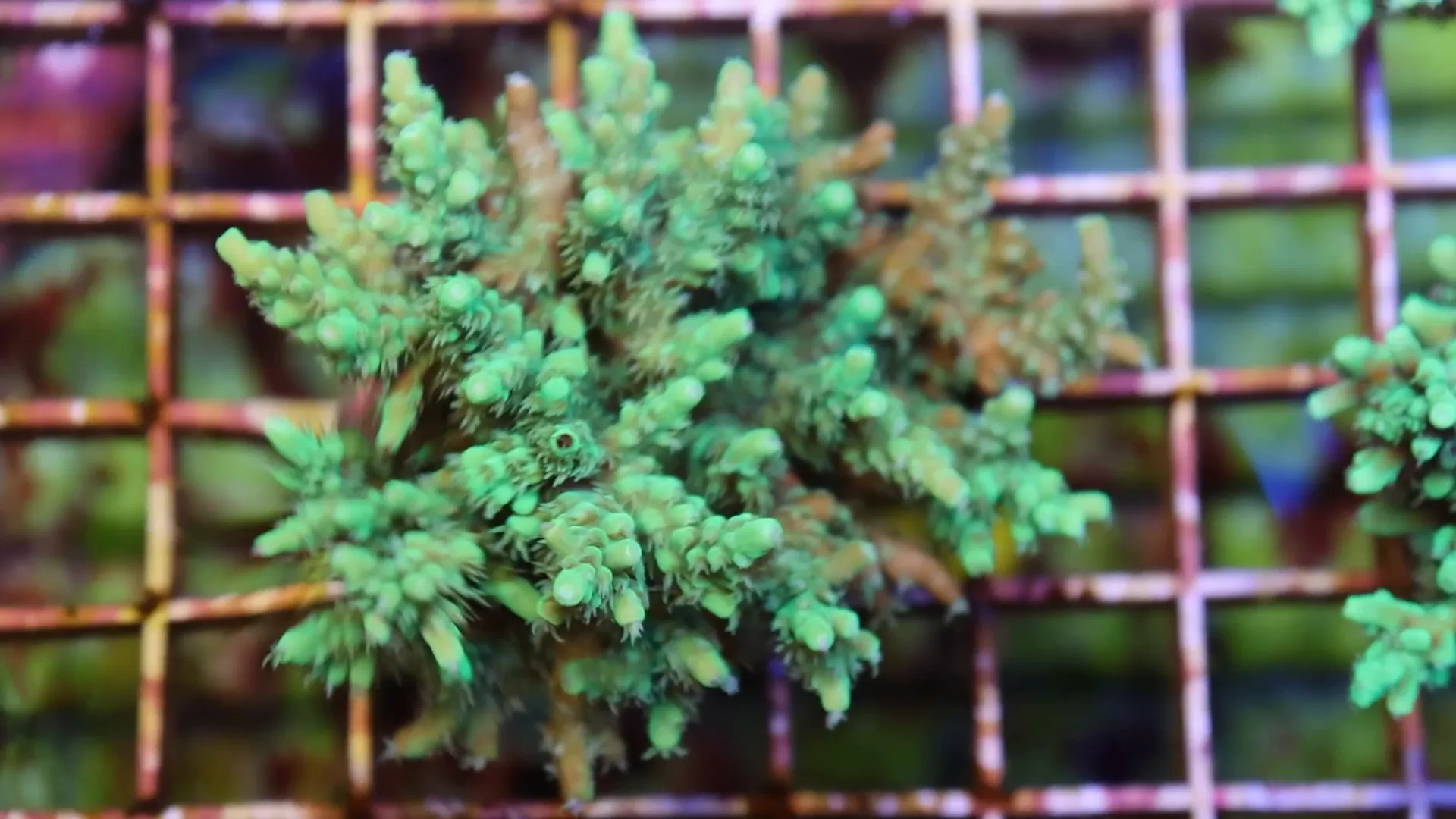
ORA’s coral farm is a treasure trove of classic and exotic corals. Many of the species grown here are the same ones that have been staples in the reef hobby for decades — green and red digitatas, Kenya trees, photosynthetic orconias, tortusas, montiporas, and bird’s nests. These corals have stood the test of time and remain popular among reef keepers for their beauty and resilience.
One of the highlights is the stunning coloration of certain species, such as the deeply saturated purple Syriana pora and the vibrant pink hues on fossiloporas and bird’s nests. The color intensity is breathtaking and a testament to the healthy growing conditions fostered by the farm.
Most of the corals are grown in the Marshall Islands and then transported to ORA’s Florida facility for further cultivation and export. While the reefs in the Marshall Islands aren’t as visually striking as some other regions like Indonesia, the lighting conditions in ORA’s greenhouse quickly bring out the vibrant colors in the corals within about two weeks.
Fish Breeding and Broodstock Management: Clownfish, Marine Bettas, and More 🐟🐠
ORA Farms also excels in breeding a wide variety of fish, including some rarer species like marine bettas, which have been notoriously difficult to breed. After nearly a decade without successful spawns, ORA has recently started to see consistent breeding success with marine bettas, a breakthrough for the hobby.
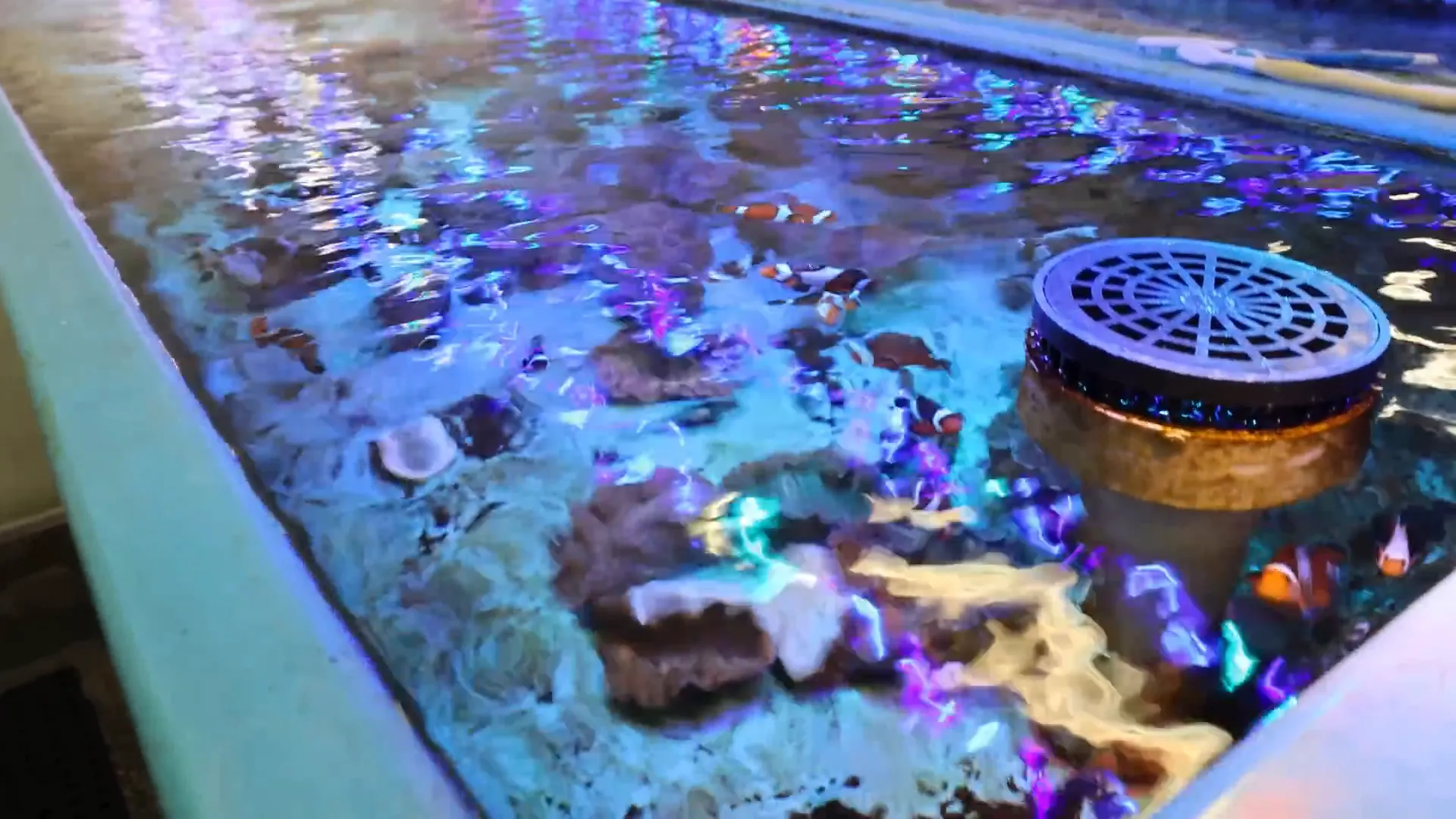
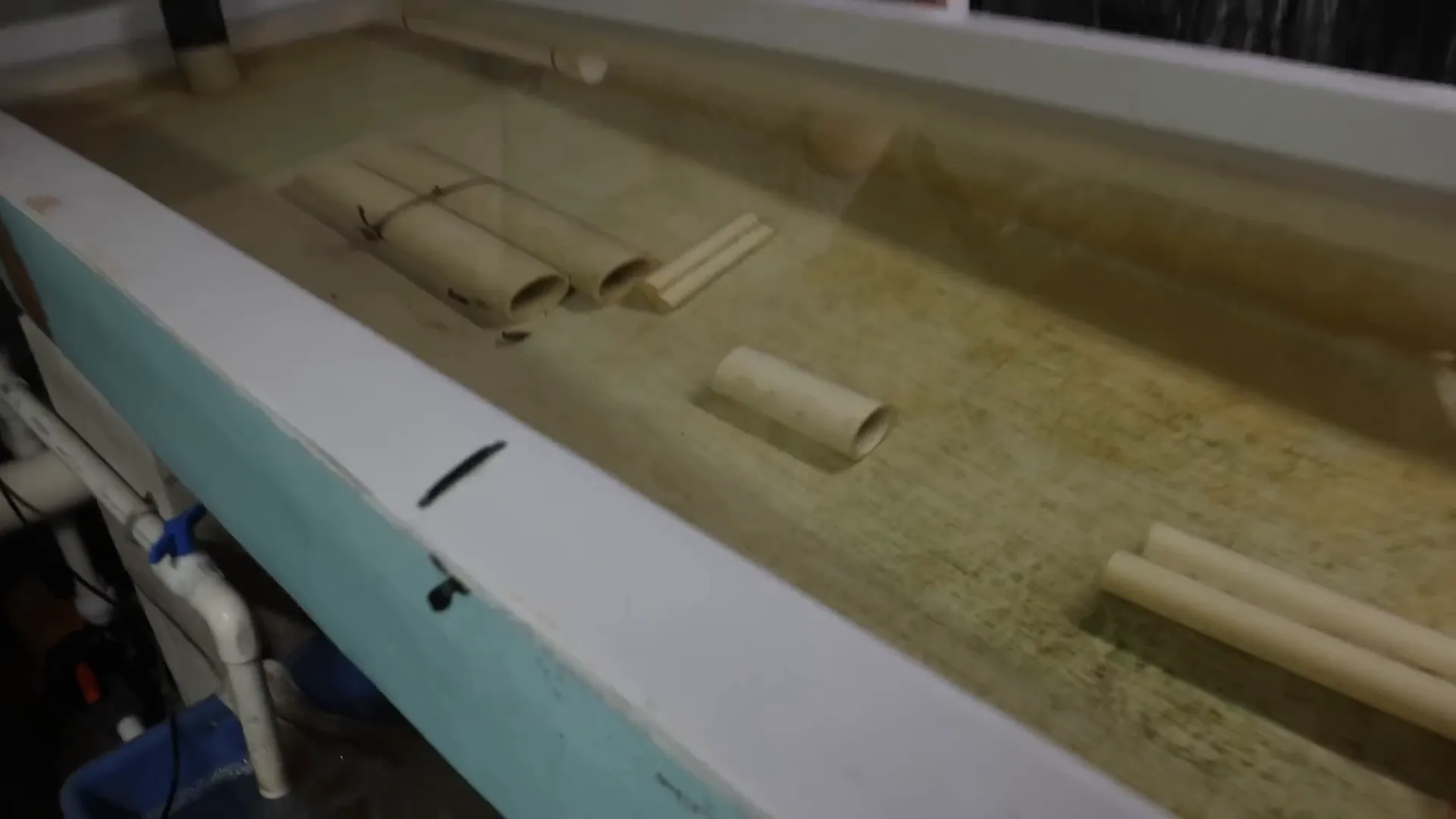
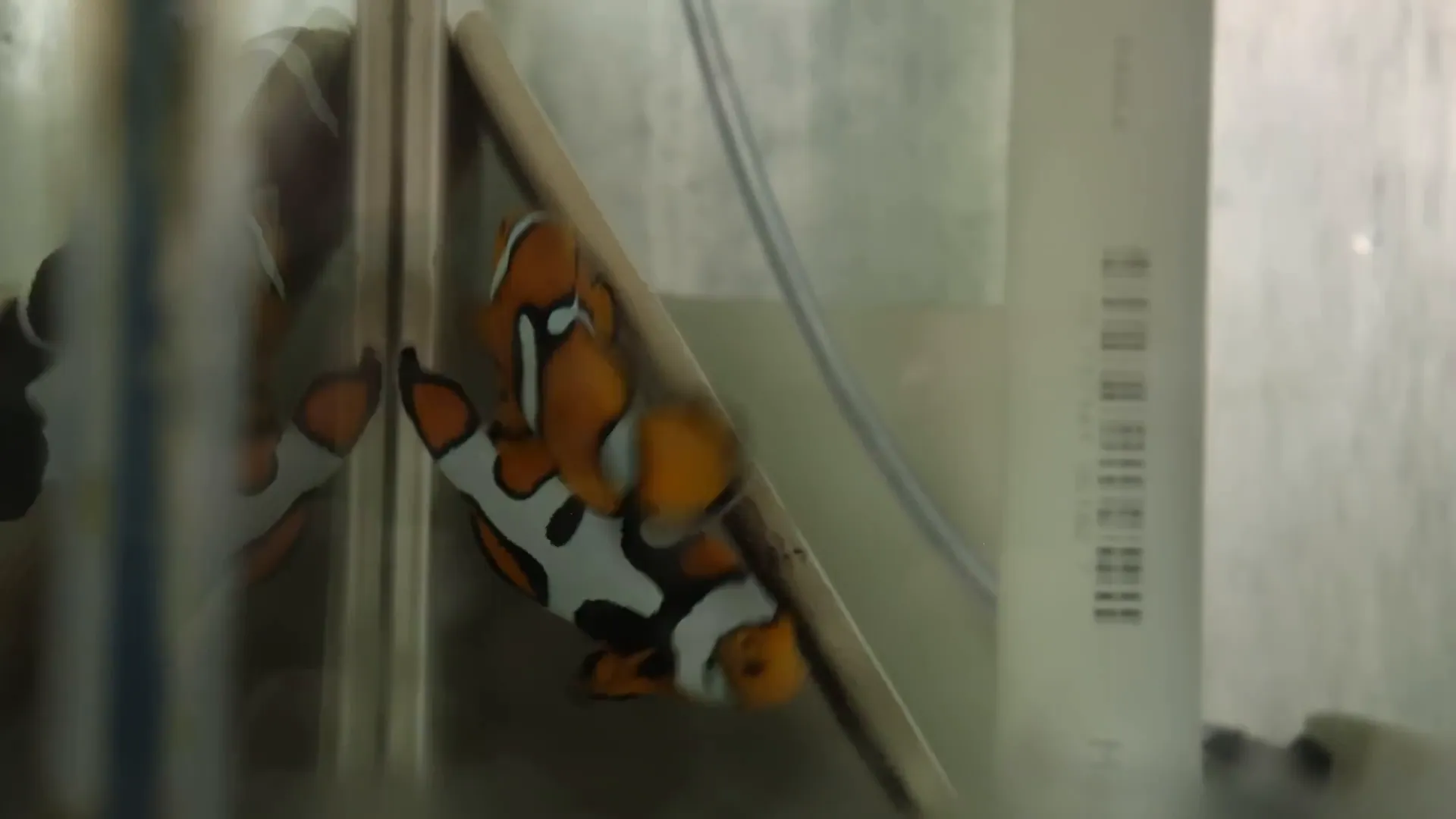
The farm maintains extensive broodstock tanks with mating pairs of clownfish and other species. A green dot on a tank signifies that eggs are present, giving a clear visual cue to staff and visitors. Some of the clownfish pairs grow to impressive sizes, reminding us that these fish can get quite “meaty” as adults, contrary to the petite versions often seen in pet stores.
Other staple species like peppermint shrimp are bred in large quantities to meet the high demand from hobbyists. These shrimp are invaluable for controlling pests like Aiptasia in reef tanks. ORA’s breeding programs are designed to support both domestic and international markets, ensuring a sustainable supply chain for these popular species.
Innovative Filtration and Water Systems: Simplicity Meets Efficiency 💧🔧
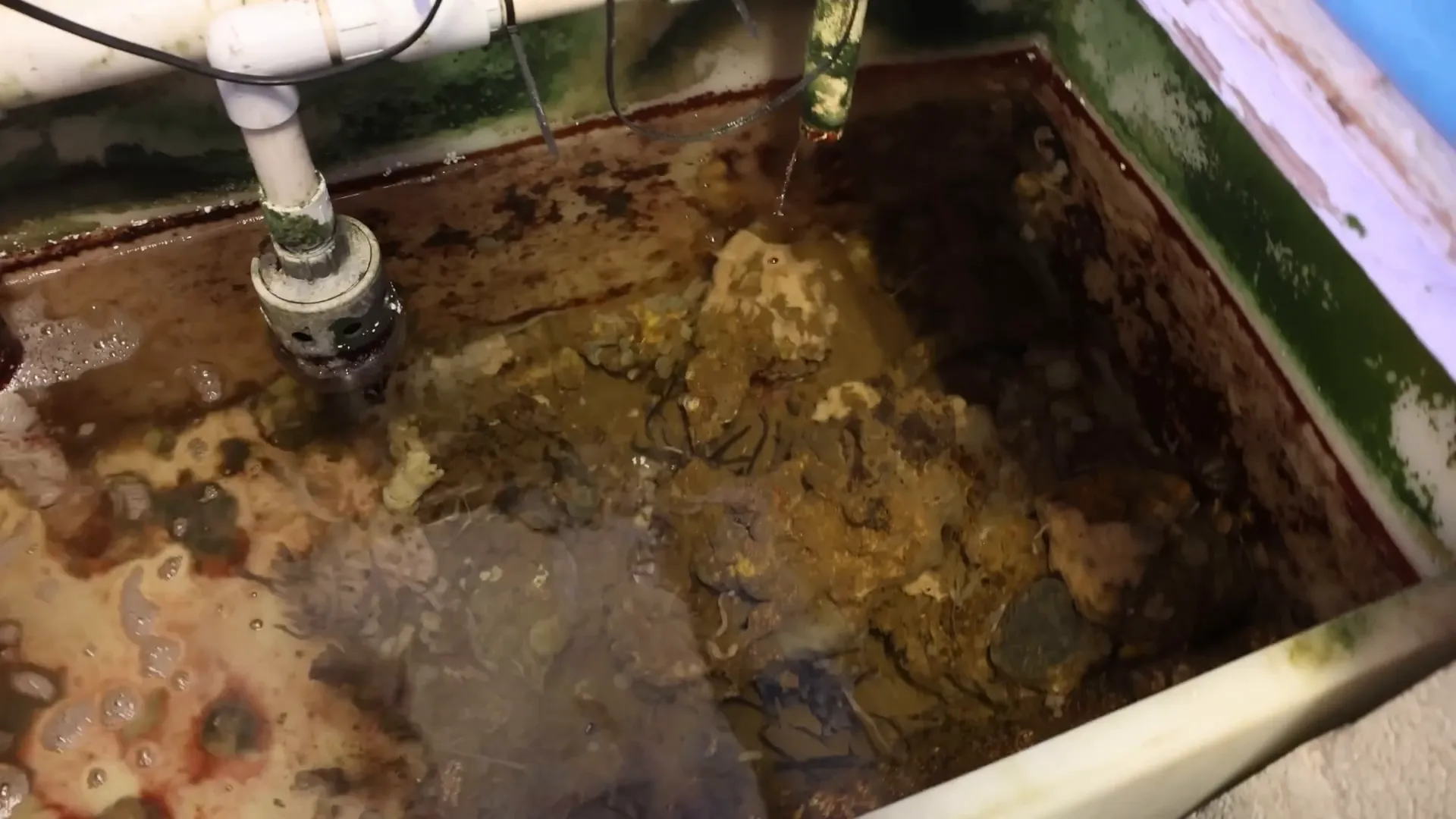
One of the most surprising aspects of ORA’s operation is the simplicity of their filtration systems. Their sumps are incredibly basic, relying mainly on live rock, filter floss, carbon, and bead filters — a far cry from the complex systems many hobbyists use. The live rock acts as the primary biological filter media, and there are no protein skimmers or elaborate bio-media setups in many tanks.
In some tanks, ORA employs a clever surge system that uses gravity and siphoning to create random strong currents across the corals. This method mimics natural reef surge without the use of pumps or moving parts inside the tanks, reducing mechanical failure risks and maintenance needs.
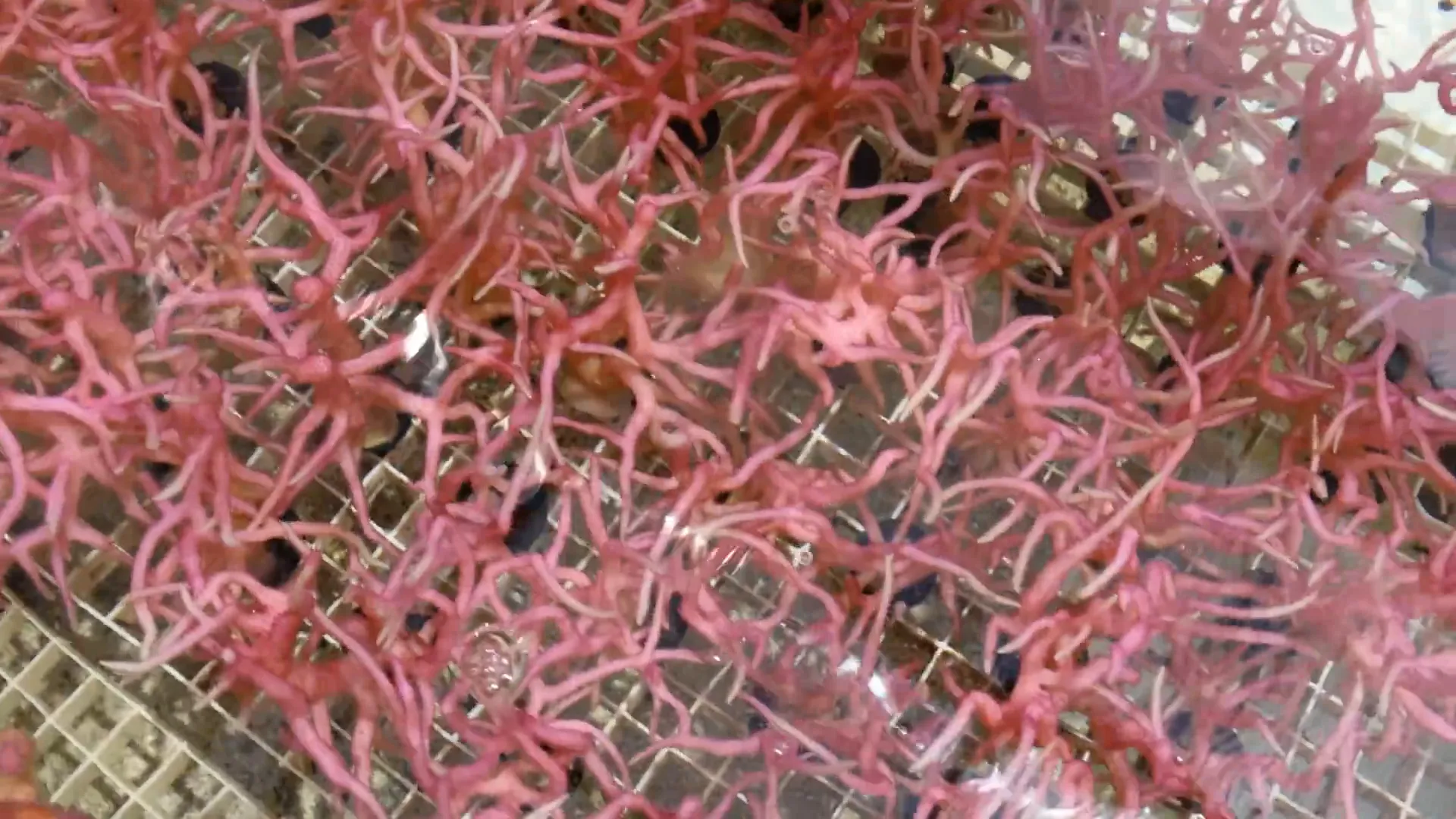
Macroalgae cultivation is also part of the filtration strategy, helping with nutrient export while adding a natural aesthetic to the tanks. Despite the simplicity, the system is highly effective, demonstrating that sometimes less is more in marine aquaculture.
The Fascinating World of Sharks and Urchins at ORA 🦈🐚
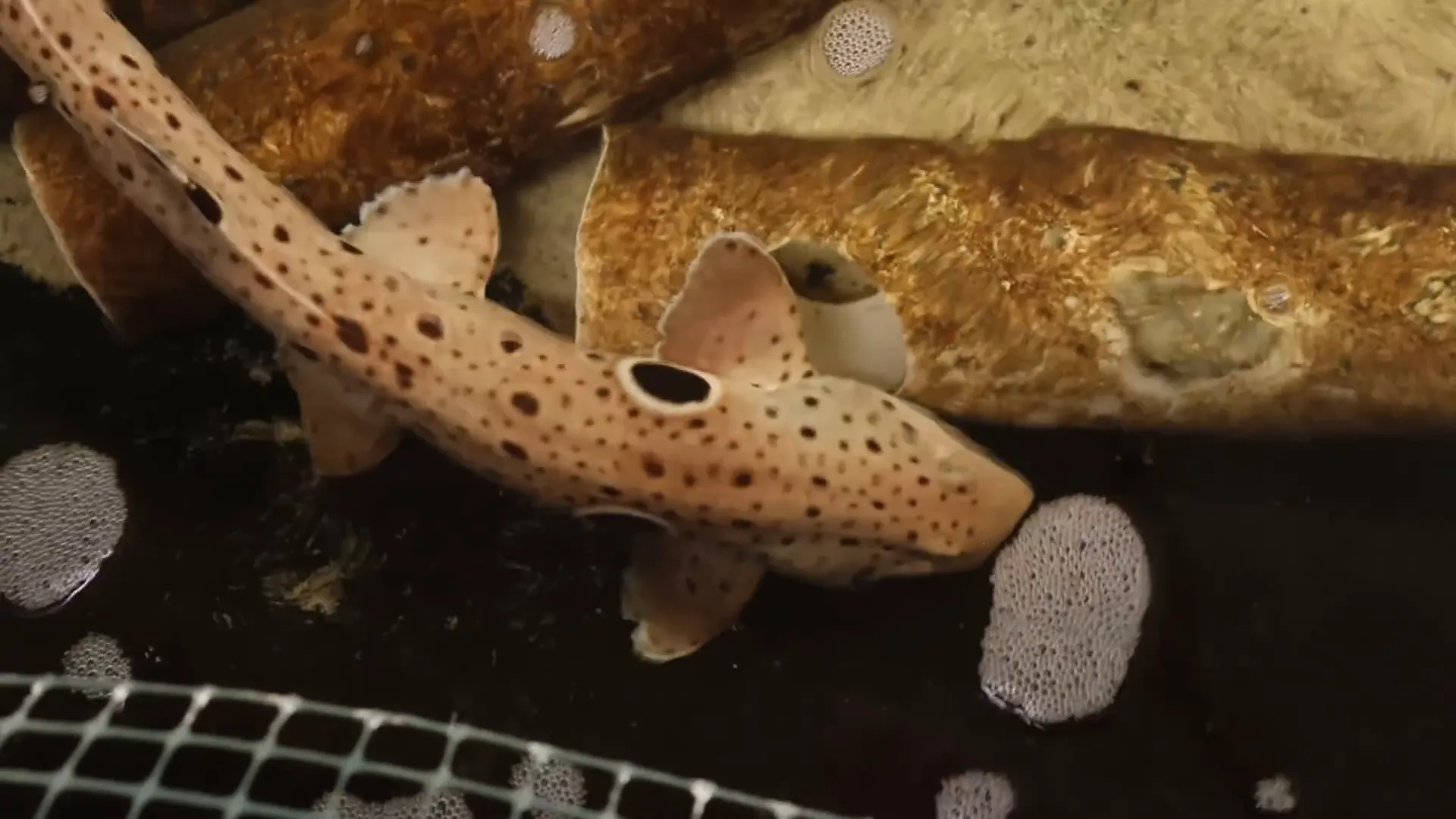
ORA’s diversity extends beyond fish and corals. They also breed several species of small sharks, such as epaulette sharks and short-tail nurse sharks. These sharks are raised from eggs, which hatch into tadpole-like juveniles that are independent feeders from day one.
Shark care requires constant feeding due to their high metabolism, and ORA has perfected the husbandry techniques to maintain healthy populations. These sharks add an exciting dimension to ORA’s offerings and showcase the breadth of their breeding expertise.
Sea urchins are another group bred in abundance. ORA can produce virtually unlimited numbers of berry root urchins, which are propagated through broadcast spawning. This method involves releasing eggs and sperm into the water column, allowing fertilization to occur naturally. The facility boasts large tanks filled with thousands of juvenile urchins, eliminating the need to harvest from the wild and supporting sustainable reef ecosystems.
Biosecurity and Backup Systems: Ensuring Stability and Health 🛡️⚡
Running a facility of ORA’s scale comes with significant risks, which they mitigate through rigorous biosecurity measures and backup power systems. The farm has protocols in place to prevent disease outbreaks and contamination, vital for the health of their delicate marine creatures.
Backup power generation is an absolute necessity here. Given the scale and sensitivity of the operation, any power outage could be catastrophic. ORA’s backup systems ensure continuous operation of life-support systems, maintaining water quality and circulation even during emergencies.

Unique Species and the Stories Behind Them: The History of Iconic Fish 🐠📜
ORA Farms also takes pride in maintaining unique and historically significant fish. For instance, one tank houses one of the first wild-caught Picasso clownfish from 2004, which has since been bred extensively to produce designer percula clownfish varieties that dominate the market today.
Another fascinating resident is Paulette, a female maroon clownfish with a remarkable lifespan dating back to 1973. Originally part of the broodstock at AquaLife in the Bahamas, Paulette’s story is a testament to how long fish can live in captivity when cared for properly — far beyond the commonly assumed lifespan of eight years for many species.
Sunlit Coral Tanks: A Natural Approach to Coral Farming 🌞🐚
The sunlit coral tanks at ORA are a marvel to behold. Unlike the artificial blue lighting common in reef tanks, these tanks utilize natural sunlight filtered through greenhouse glass. The result is vibrant coral growth with natural coloration and polyp extension.
The tanks are also designed with minimal mechanical parts, using gravity-fed surge systems that mimic natural reef currents. This not only benefits coral health but reduces maintenance and equipment costs.
Such innovation highlights ORA’s commitment to sustainable and natural reef farming methods, setting a new standard for coral propagation facilities worldwide.
Macroalgae Cultivation and Nutrient Export: Nature’s Filters 🌿💧
Macroalgae cultivation plays a crucial role in ORA’s nutrient export strategy. Tanks filled with various species of macroalgae help absorb excess nutrients like nitrates and phosphates, keeping the water chemistry balanced and reducing algae blooms in coral tanks.
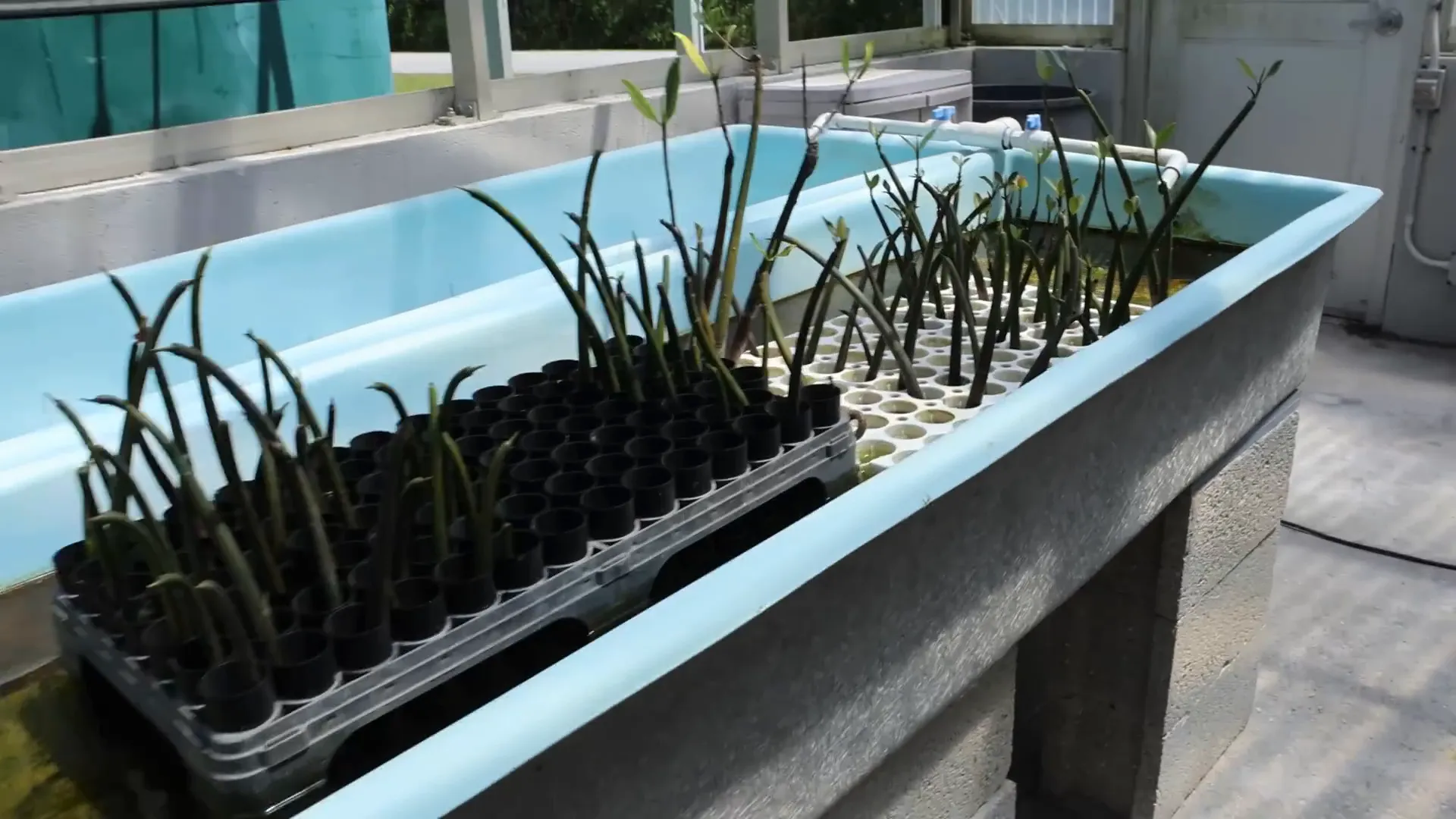
Additionally, ORA grows mangroves, which are excellent for nutrient export and add an attractive natural element to the farm. Mangroves are gaining popularity in the reef hobby for their ability to improve water quality and provide habitat for beneficial microorganisms.
Frequently Asked Questions (FAQ) ❓🐠
Q: What makes ORA Farms different from other coral and fish farms?
A: ORA Farms stands out due to its massive scale, use of natural sunlight in coral propagation, extensive breeding programs for a wide variety of marine species, and commitment to sustainability. Their simple yet effective filtration systems and biosecurity measures also contribute to their success.
Q: Can beginner reef keepers successfully keep clams like those from ORA?
A: Yes! According to ORA, if you can keep acropora corals, you can generally keep clams successfully. Dorassa clams are particularly beginner-friendly due to their fast growth and toughness.
Q: Do clams require live phytoplankton feeding?
A: No, clams primarily rely on photosynthesis and do not require live phytoplankton feeding, especially when they are younger or smaller. However, dosing phytoplankton can benefit other invertebrates in your aquarium.
Q: What types of fish does ORA breed besides clownfish?
A: ORA breeds a wide variety, including dottybacks, damsels, marine bettas, peppermint shrimp, and even small sharks like epaulette and short-tail nurse sharks.
Q: How does ORA ensure the health and safety of their marine stock?
A: ORA employs strict biosecurity protocols, backup power systems, and maintains high standards in water quality and husbandry to ensure the health and safety of all marine organisms in their care.
Q: Is it possible to buy directly from ORA Farms?
A: ORA is wholesale only, supplying to brick-and-mortar stores and businesses. If you own a store or operate professionally in the hobby, you can contact ORA to order their captive-bred fish and corals.
Conclusion: ORA Farms Sets the Bar for Sustainable Marine Aquaculture 🌟🌊
Visiting ORA Farms was an eye-opening experience that reaffirmed my belief in sustainable marine aquaculture and captive breeding. Their vast, organized, and well-run operation is a shining example of how the industry can move away from wild collection and towards responsible, ethical propagation of marine life.
From the gigantic sunlit coral greenhouses to the bustling shipping department, from delicate clams to charismatic sharks, ORA Farms covers it all with expertise and passion. Their work not only supports the reef keeping hobby but also helps protect natural reefs by reducing collection pressure on wild populations.
For anyone passionate about reef keeping, captive breeding, or marine conservation, ORA Farms is a beacon of innovation and hope. I’m proud to partner with them and excited to see what the future holds as they continue to push the boundaries of fish and coral farming.
Stay reefing responsibly, and remember: the best tanks start with sustainable choices.
This article was inspired from the video These guys take fish & coral farming to a whole new level. ORA Farms