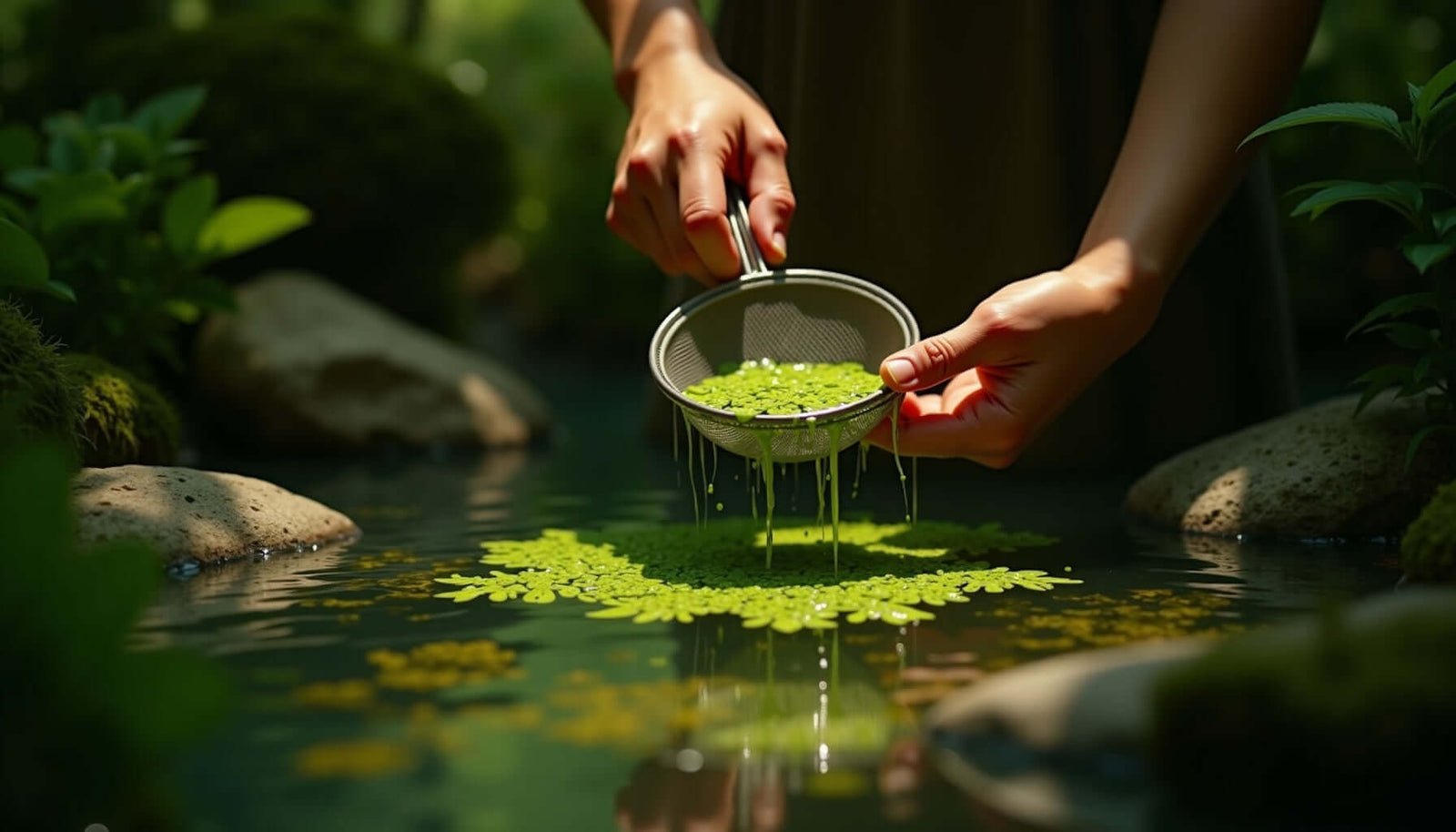
Pond Algae Cleaning Tips for Clear, Healthy Water
Algae is a normal part of a pond, but too much turns water cloudy, smells bad, and stresses fish. This guide shows simple, proven ways to control algae without harming your pond’s plants or wildlife. You’ll learn when to skim, when to filter, how to shade, and how to keep nutrients in check so clarity lasts all season.
Pond algae cleaning tips can turn a murky pond into a clear, lively feature that supports aquatic ecosystem health. Extra nutrients plus strong sunlight often trigger green water and stringy mats of algae. The goal is prevention first, then gentle control.
Helpful strategies include a shade sail setup or more plant cover to limit light, and using barley straw pellets that slowly break down and release a mild hydrogen peroxide effect that discourages algae.
Consistent biofilter upkeep and careful beneficial bacteria dosing reduce nutrients and speed up organic matter breakdown, keeping nutrient cycling balanced.
Adding floating water lilies and lotus coverage provides natural shade. Pair mechanical filtration with aeration (submerged diffusers or air stones) to keep oxygen levels steady. Together, these habits support water clarity, koi and ornamental fish care, and overall pond safety within a simple maintenance schedule.
Effective Algae Cleaning Practices
- Manual removal: Use a pond skimmer or debris net to lift surface algae without stirring up the bottom or disturbing plants.
- Natural control: Barley straw pellets and gentle, eco-friendly algaecides can support a wetland filter zone without harming fish when used as directed.
- Filtration systems: A UV clarifier, a sediment trap, and timely filter media changes improve circulation and capture fine particles.
- Shading: Floating plant islands and thoughtful planting reduce light and slow algae growth.
- Biological control: Where legal and appropriate, fish such as grass carp or tilapia can help graze algae and plants as part of a broader plan.
Tip: Combine physical removal, biological helpers, and filtration. A mixed approach is more reliable than any single method.
Identifying String Algae Removal Methods
String algae removal takes steady, gentle action to protect fish and plants. Early intervention improves clarity and reduces the need for heavy cleanup later. Manual control with a pond skimmer net or sludge vacuum is ideal for lifting dense mats without upsetting beneficial bacteria or causing ammonia spikes. If you use a fish-safe algaecide or enzyme cleaner, choose products labeled for string algae and compatible with biofilters and stable pH.
Manual Removal Techniques
- Skim the surface with a net to avoid disturbing the liner and marginal plants.
- Gently rake or twirl string algae with a plastic rake so it can be lifted out in sheets.
- Dispose of removed algae away from the pond and drainage areas to keep nutrients from washing back in.
Safe Chemical & Biological Options
- Use eco-friendly algaecides or pond dye alongside a UV clarifier to reduce light and disrupt algae growth.
- Place barley straw pellets in mesh bags so they decompose evenly and release mild, algae-suppressing compounds.
- Consider grass carp or tilapia only where permitted and suited to your climate and pond size.
Prevention Strategies
- Install shade sails and use lilies or lotus for natural cover.
- Boost aeration with diffusers, air stones, or surface bubblers to support beneficial bacteria.
- Follow a seasonal schedule for filter media changes, smart fish feeding, and plant care.
Note: A simple schedule that includes mechanical filtration, biofilter care, and shoreline plantings prevents most algae issues and supports fish health.
How Does Green Water Treatment Work
String algae removal often goes hand-in-hand with green water treatment, which targets tiny, free-floating algae (planktonic species) that tint the water green. These blooms surge when nutrient reduction falls behind due to runoff, weak biofilter upkeep, or a buildup of organic matter.
Planktonic algae can multiply rapidly under ideal light and nutrient conditions—sometimes within hours—so quick action matters.
Control methods include beneficial bacteria dosing to compete for nutrients, mechanical filtration such as a UV clarifier to damage cells, and natural options like barley straw pellets that slowly release compounds (including small amounts of hydrogen peroxide) that discourage growth.
When floating water lilies, lotus, and marginal plants provide shade, less light reaches the water, which can noticeably slow algae growth.
Regular use of a pond skimmer net to remove leaves and debris keeps nutrients from recycling into the water.
Careful use of fish-safe algaecide can help, especially when paired with surface bubblers, diffusers, and a reliable circulation pump. Lasting water clarity comes from good nutrient control, steady aeration, and habitat features like a wetland filter zone and healthy submerged plants.
Together, these practices also support gentle aquatic weed management and a resilient ecosystem.
Effective Aquatic Weed Management Practices

Aquatic weed management keeps the balance after green water treatment lowers algae. Dense plants can lower nighttime oxygen, which affects aquatic life safety and ornamental fish care.
Problem species vary by region, but submerged plants like Eurasian watermilfoil or coontail, floating mats of duckweed or water hyacinth, and emergent cattails or bulrush often need attention.
Identification and Impact of Common Pond Weeds
Pond skimmer net techniques help you collect small samples for identification.
Fast-spreading plants can crowd out floating plant islands and upset nutrient cycling.
Overgrowth blocks access for koi pond upkeep, interferes with surface algae skimming, and shades shallow water plants that benefit the pond.
Control Methods
- Grass carp or tilapia for biological help where legal, as part of habitat preservation.
- Targeted herbicides when needed—choose an eco-friendly algaecide suited to the plant, and watch pH and ammonia.
- Mechanical harvesting with rakes or a sludge vacuum; collect with debris netting so it doesn’t rot back into nutrients.
Prevention Strategies
Shoreline vegetation buffers slow and filter runoff, reducing nutrient inflow that fuels weeds. Pair with pond dye and light-reduction tactics like a shade sail or seasonal evaporation cover to limit photosynthesis. Balanced plant fertilization helps desired natives thrive. Routine tasks—filter media change, liner cleaning, and leaf netting—keep the system resilient.
Air stones, UV clarifiers, and a right-sized circulation pump keep water moving and clear, supporting algae control.
Bioaugmentation with nitrifying bacteria, enzyme treatments, and smart aquatic plant propagation strengthens long-term stability. Blending mechanical filtration, steady aeration, and selective planting supports overall aquatic ecosystem health.
Green Water Treatment and Aquatic Weed Management
- Planktonic algae can multiply quickly under strong sun and high nutrients.
- Aquatic plant shading from lilies, lotus, or marginals reduces light and can slow algae growth.
- Shoreline vegetation buffers reduce nutrient runoff, limiting excessive plant growth.
- Beneficial bacteria, UV clarifiers, and barley straw pellets help control suspended algae.
Using Barley Straw Pellets for Clarity
String algae removal pairs well with nature-based methods. Barley straw pellets are a reliable helper for water clarity because, as they decompose, they release mild, slow-acting compounds such as hydrogen peroxide in low concentrations.
These by-products discourage algae before big blooms form and support overall aquatic ecosystem health over time.
Warm water speeds up breakdown. Pellet size, oxygen, and water movement affect how steadily the pellets work.
How Barley Straw Pellets Work
Green water treatment often combines physical removal (a pond skimmer net) with biological and mechanical tools.
Unlike bulky bales, pellets sink and release compounds evenly. They fit easily into mesh bags and work alongside diffusers, mechanical filtration, and a wetland filter zone by gradually reducing nutrients available to algae.
Tip: Follow the product label for dosage based on pond size.
Timing: Start in early spring before blooms, then refresh mid-season as needed.
Application Timing and Integration
Decomposition typically takes several weeks, which lines up well with seasonal maintenance. Coordinating pellet use with koi care keeps ornamental fish safe and comfortable.
Combine lilies, lotus, and marginal plants with pellets for extra shade and light control.
Best results come with a steady circulation pump, healthy submerged plants, and a planted shoreline buffer that protects habitat.
Pellets act mainly as a mild chemical deterrent; pairing them with strong biofilter upkeep improves nutrient processing.
This leads naturally to better filtration—key for lasting clarity and successful aquatic plant propagation.
Maintaining a Healthy Biofilter Upkeep Routine
Many green water problems fade when the filter runs well. Biofilter upkeep supports nutrient cycling and prevents blooms by letting nitrifying bacteria convert toxic ammonia to safer forms.
This also keeps pH and oxygen steadier—vital for fish and for koi pond care.
Biofilter Operation and Cleaning Frequency
Skimming debris before it reaches the filter helps. Clean filter media gently every four to six weeks using pond water (not chlorinated tap water) so you don’t harm the bacteria colony.
Adjust frequency with the seasons: cooler water slows microbes, while warm months may need more attention.
Use balanced plant fertilization sparingly so plants help, not hinder, filtration and your wetland zone stays stable.
Maintenance Tip: Add beneficial bacteria after each media change to top up colonies.
Also check: liner condition, sediment traps, and remove debris during each maintenance cycle.
Enhancing Biofiltration with Additional Measures
A UV clarifier helps polish water and pairs well with enzyme products that break down tiny organics. Floating islands, shallow plants, and covers reduce sun exposure and heat.
Where appropriate, grass carp or tilapia can complement fish-safe algaecides and shading. Pond dyes, air stones, and bioaugmentation all support nutrient control.
Diffusers and bubblers keep oxygen high for healthy bacteria, while mechanical filtration removes solids before they decay.
Smarter feeding and shoreline buffers further cut nutrient inputs.
With consistent filter care plus these supports, algae control becomes easier and safer for all pond life.
Pond Clarity and Filtration
- Barley pellets release mild compounds during decomposition that discourage algae before blooms form.
- Use manufacturer dosing guidance based on pond volume or surface area.
- Gently rinse media every four to six weeks with pond water to preserve bacteria for ammonia and nitrite control.
- Combining UV, aeration, and beneficial bacteria improves nutrient reduction and long-term prevention.
Should You Install a UV Clarifier System
String algae removal usually takes several tools, but for green water a UV clarifier is one of the most effective. UV light damages algae cells so they clump and can be filtered out—no heavy chemical dosing needed.
Unlike mechanical filtration that only traps particles, UV targets the free-floating algae themselves. It works best with good biofilter upkeep and healthy plants.
Comparison with Other Treatments
Barley pellets release low, steady amounts of hydrogen peroxide and other compounds that suppress algae over time; results depend on placement, temperature, and oxygen.
Manual removal with a pond skimmer net is great for mats but won’t clear suspended algae. A UV clarifier provides a steady, targeted approach and complements shade from water lilies or lotus.
Adding marginal plants and using fish-safe algaecides as needed strengthens long-term control.
Maintenance Requirements
Good aquatic ecosystem health depends on simple, regular care. For UV units, clean the quartz sleeve every 4–6 weeks to prevent mineral buildup that blocks UV.
Replace bulbs annually for best output, even if they still light.
Check the unit during seasonal maintenance. Pair UV with sensible feeding, shade sails, and reliable aeration to keep water quality high.
Algae prevention works best when several methods run together.
While UV handles suspended cells, strong circulation, healthy submerged plants, and a planted wetland zone carry the day-to-day balance. That leads to the next key: steady nutrient reduction.
Nutrient Reduction for Algae Bloom Prevention
Aquatic plant shading helps, but limiting nutrient inputs is essential for lasting results.
Extra nitrogen and phosphorus from runoff, decaying debris, or overfeeding can overwhelm nutrient cycling and feed blooms.
Common sources include lawn fertilizer, excess fish food, and autumn leaves that aren’t stopped by debris netting.
Reduction Techniques
Grass carp or tilapia can reduce biomass where appropriate, but balance them with plant and habitat needs.
Use a sludge vacuum to remove settled waste. Pond dye and other light-reduction tools limit photosynthesis. Edge plantings act as a nutrient sink.
Adding nitrifying bacteria to filters supports ammonia control and nitrite management. Keep fertilizer light and monitor pH so plants stay healthy.
Ongoing Monitoring
Track dissolved oxygen to avoid low-oxygen stress.
Follow a simple maintenance schedule with periodic filter media changes, liner cleaning, and new shallow plants as needed.
During high-risk seasons, combine evaporation covers, surface skimming, and a tuned UV sterilizer with a sediment trap and floating islands to keep nutrients down.
Blend bioaugmentation, habitat preservation, and steady aeration. Smarter feeding and a shoreline buffer further cut runoff from surrounding areas.
UV Clarifiers and Nutrient Reduction
- UV clarifiers disrupt algae cells so they can’t multiply and are easier to filter out.
- Clean quartz sleeves every 4–6 weeks; replace bulbs yearly for consistent performance.
- Runoff, overfeeding, and decomposing debris are common nutrient sources—control them first.
- Plants and nitrifying bacteria naturally absorb and convert nutrients, improving water quality.
Seasonal Pond Maintenance for Aquatic Ecosystem Health
String algae removal each season prevents nutrient spikes and keeps light reaching helpful submerged plants. Seasonal care blends trimming, fish care, and equipment checks to keep things stable.
Green water treatment in early spring starts with clearing dead foliage, then slowly increasing feeding for koi as the water warms.
Aquatic weed management includes debris netting for leaves and a sludge vacuum to limit breakdown in shallow zones.
Barley straw pellets in mesh bags release mild compounds over time that discourage blooms while protecting fish.
Regular skimming supports nutrient reduction. Keep clarity with biofilter care, UV checks, and steady aeration using diffusers or bubblers.
Each season builds on the last, strengthening bioaugmentation, nutrient cycling, and habitat health.
Spring and Summer Care
Floating water lilies and lotus add shade during long days. Marginal plants in a shoreline buffer take up nutrients and protect banks.
Aquatic ecosystem health also benefits from gentle algaecides during high-growth months—choose fish-safe options.
Hydrogen peroxide released during barley straw breakdown supports clarity without harming nitrifying bacteria needed for ammonia and nitrite control.
Nutrient reduction in warm months can include biological grazers (where allowed) for balanced weed management.
Stick to a schedule: debris netting, filter media changes, and liner cleaning. Use a sludge vacuum every few weeks to prevent sediment buildup and keep the circulation pump efficient.
Shade sails reduce evaporation, stabilize pH, and limit photosynthesis.
Autumn and Winter Preparations
Pond dye in autumn can reduce light before winter dormancy and support aquatic plant propagation plans for spring. Less light slows algae reproduction and helps air stones maintain oxygen under ice.
Late-summer plant propagation ensures enough vegetation for next season’s nutrient cycling.
Protect filters from freezing to preserve nitrifying bacteria and maintain biofilter function.
Ammonia control: Feed less in cold months and watch nitrite, as low temperatures slow decay. A little balanced fertilization before dormancy supports hardy marginals for spring growth.
Winter tasks include debris netting for leaves, shoreline buffer care, and clearing sediment traps. Leaf netting prevents heavy nutrient loads as leaves decompose, keeping fish safe until thaw.
| Season | Key Maintenance Tasks |
|---|---|
| Spring and Summer | Floating water lilies for shading, eco-friendly algaecide as needed, sludge vacuum use, shade sail setup |
| Autumn and Winter | Pond dye for light reduction, protect biofilters from freezing, leaf netting installation, reduced fish feeding |
| All Seasons | String algae removal, debris netting, biofilter upkeep, dissolved oxygen checks |
Quick Checklist & Common Mistakes
Quick Checklist
- Skim debris 2–3 times per week during peak growth.
- Rinse filter media with pond water every 4–6 weeks.
- Run aeration daily; adjust for heat waves.
- Shade at least part of the pond (plants or sails).
- Feed fish only what they eat in a few minutes.
Common Mistakes
- Overcleaning filters with tap water—chlorine harms good bacteria.
- Overfeeding fish—leftovers become nutrients for algae.
- Ignoring edges—bare banks allow nutrient-rich runoff.
- One-and-done treatments—algae control works best as a routine, not a single fix.
Treatment Comparison
| Treatment | Best For | Time to See Results | Notes |
|---|---|---|---|
| UV Clarifier | Green, cloudy water (suspended algae) | Days to ~2 weeks | Clean sleeve, replace bulb yearly; needs good flow rate |
| Barley Straw Pellets | Ongoing prevention | Weeks (gradual) | Use mesh bags; follow label dosing |
| Manual Skimming/Raking | String algae mats | Immediate (physical removal) | Dispose away from runoff paths |
| Plants & Shade | Light reduction & nutrient uptake | Weeks to a season | Maintain coverage; avoid overcrowding |
FAQs
Is a UV clarifier safe for fish and plants?
Yes—UV treats water inside the unit, not the whole pond. It targets free-floating algae. Keep flow within the unit’s rating and replace bulbs yearly.
Will barley straw pellets harm beneficial bacteria?
No—used as directed, pellets release mild compounds and are generally compatible with biofilters.
How long does it take to clear green water?
With UV and good filtration, many ponds improve in days to a couple of weeks. Results vary with size, sun exposure, and nutrients.
What’s the simplest way to prevent algae?
Limit nutrients (feed lightly, plant buffers), add shade (plants or sails), run aeration daily, and keep filters clean but not sterilized.
Conclusion
Clear water comes from steady habits, not quick fixes. Skim often, keep filters biologically active, add shade and plants, and control nutrients at the source. Combine tools—manual removal, UV, barley pellets, and aeration—to keep your pond healthy, clear, and safe for fish season after season.