If you’ve ever struggled with persistent algae in your aquarium, you know how frustrating it can be to find efficient and reliable algae eaters. Over the past twenty years, I’ve tested countless species, and today I want to share the top 5 algae eaters that truly stand out—not just nibblers, but real algae crushers that keep your tank sparkling clean even when you’re feeding heavily. These are the algae eaters I trust in my own tanks and recommend for planted community setups where you want effective algae control without constant manual intervention.
Table of Contents
- 1. Rosy Barbs for Hair Algae
- 2. Reticulated Hillstream Loach for Green & Brown Algae
- 3. Pinocchio Red Nose Shrimp for Hair Algae
- 4. Nerite Snails for Green Spot Algae
- 5. Dwarf Claro Bristlenose Pleco
- Mix and Match for a Balanced Tank
- Frequently Asked Questions (FAQ)
- Conclusion
1. Rosy Barbs for Hair Algae
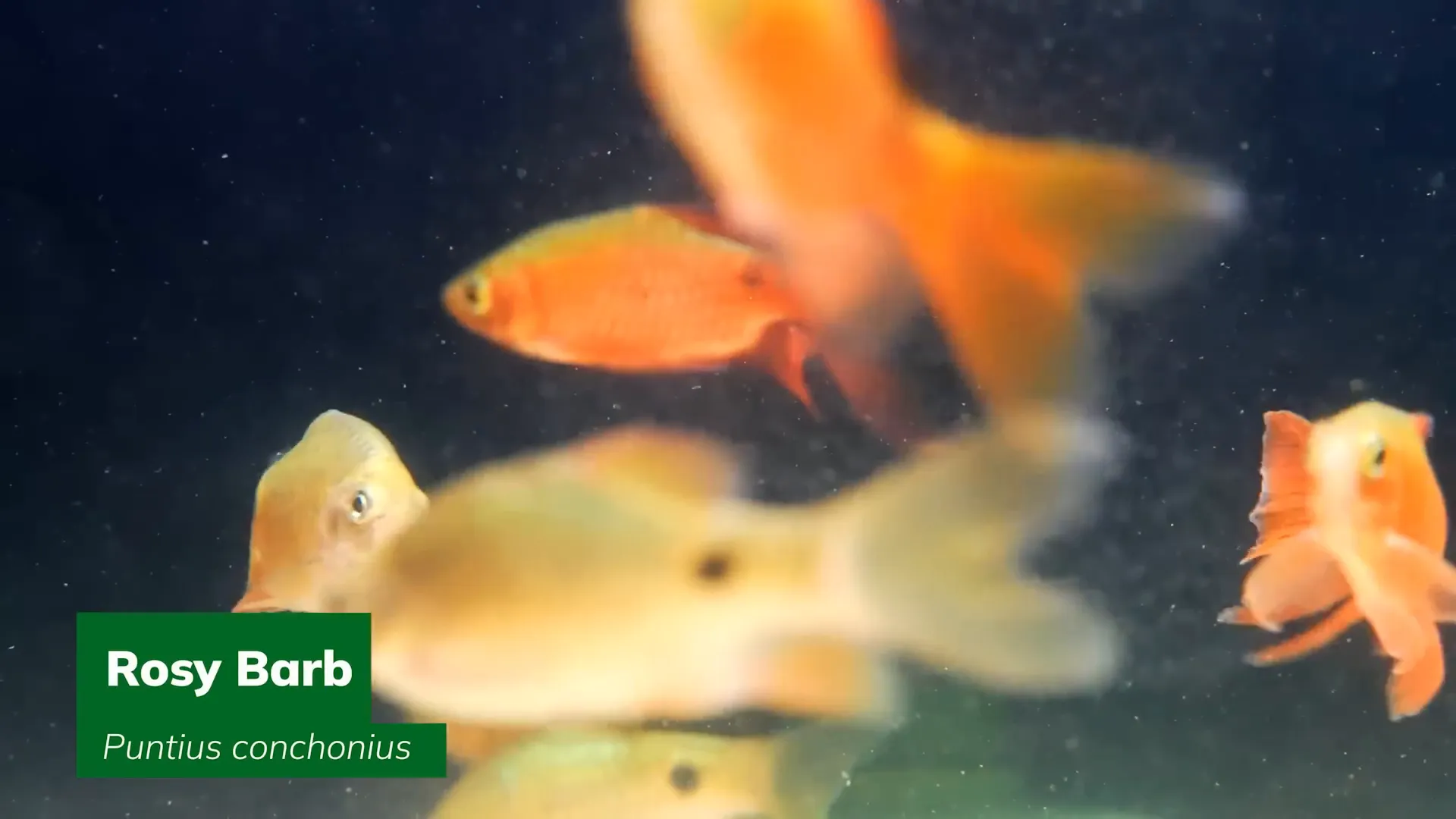
First on the list are rosy barbs. I recently added these to my algae control arsenal and have been impressed by their performance. They come in several varieties, including longfin, normal, and neon forms, with males and females showing different colours. Despite their “barb” name, which can sound intimidating, rosy barbs are surprisingly laid back and adaptable.
They thrive in almost any water condition—hot or cold—and grow fairly large, up to about four inches, making them compatible with both bigger and smaller fish. What really sets them apart is their appetite for stubborn algae types like hair algae, staghorn algae, and bits of Cladophora algae. While they’ll nibble on black beard algae a little, it's not their favourite since no fish really likes that taste.
I discovered rosy barbs after searching for alternatives to the usual suspects like Siamese algae eaters or flagfish. Multiple sources mentioned their algae-eating ability, so I gave them a try—and they’ve been fantastic. They’re affordable, have a great temperament, eat regular fish food, and most importantly, they actively eat algae even when well-fed. If you can fit them into your tank, I highly recommend giving them a shot.
2. Reticulated Hillstream Loach for Green & Brown Algae
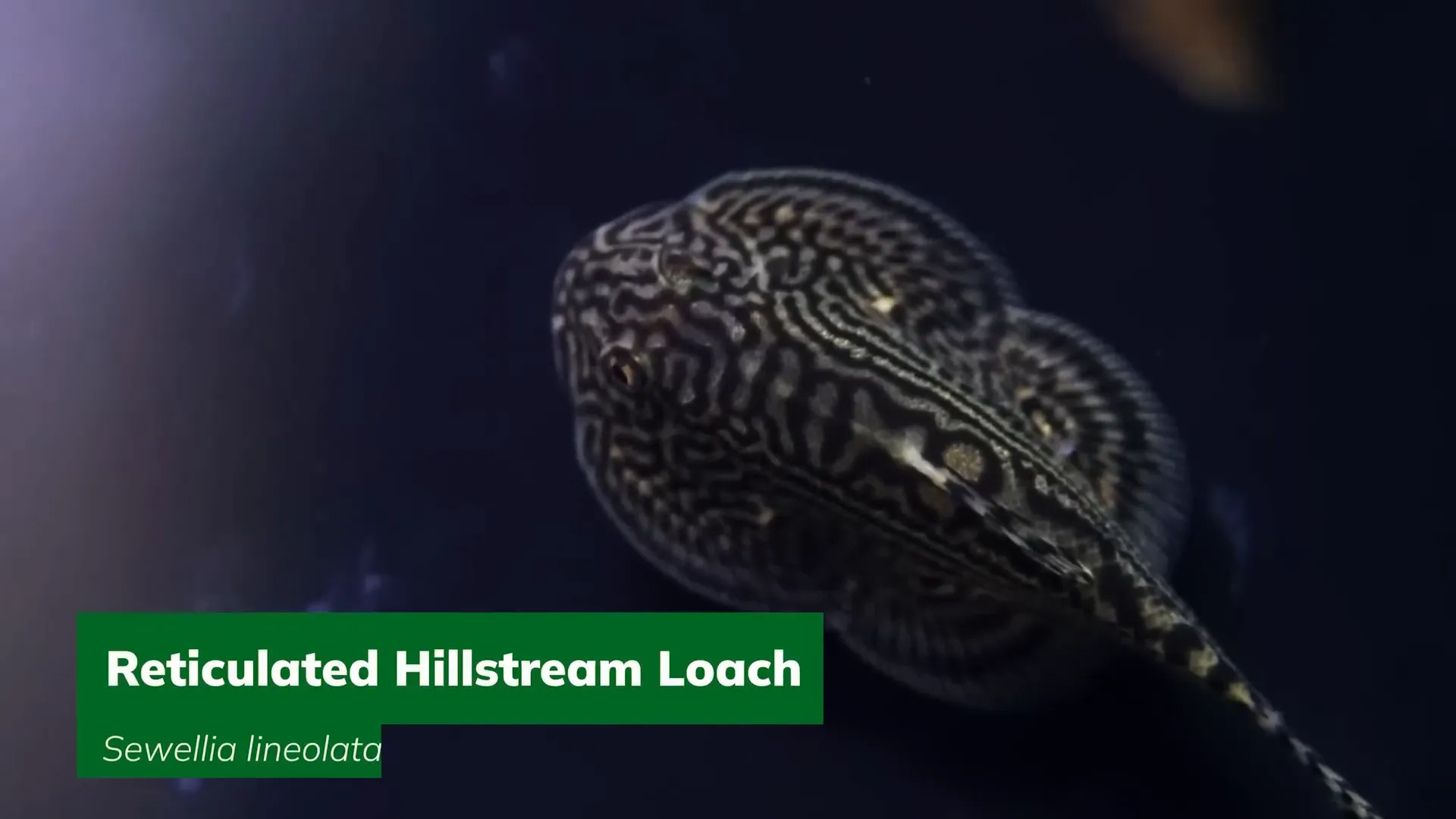
The reticulated hillstream loach is a long-time favourite of mine for tackling brown and green algae on large surfaces like wood, glass, and rocks. I’ve bred them several times and found that they don’t require the super high oxygen levels or specific temperatures that some sources claim. They adapt well to a variety of tanks and quietly do their job.
These loaches are especially good at cleaning flat surfaces but are less effective on gravel because the substrate is too small and unstable for them to graze properly. The best part? They’re plant safe and look pretty unique with their alien-like faces, making them an interesting addition beyond just their algae-eating skills.
3. Pinocchio Red Nose Shrimp for Hair Algae
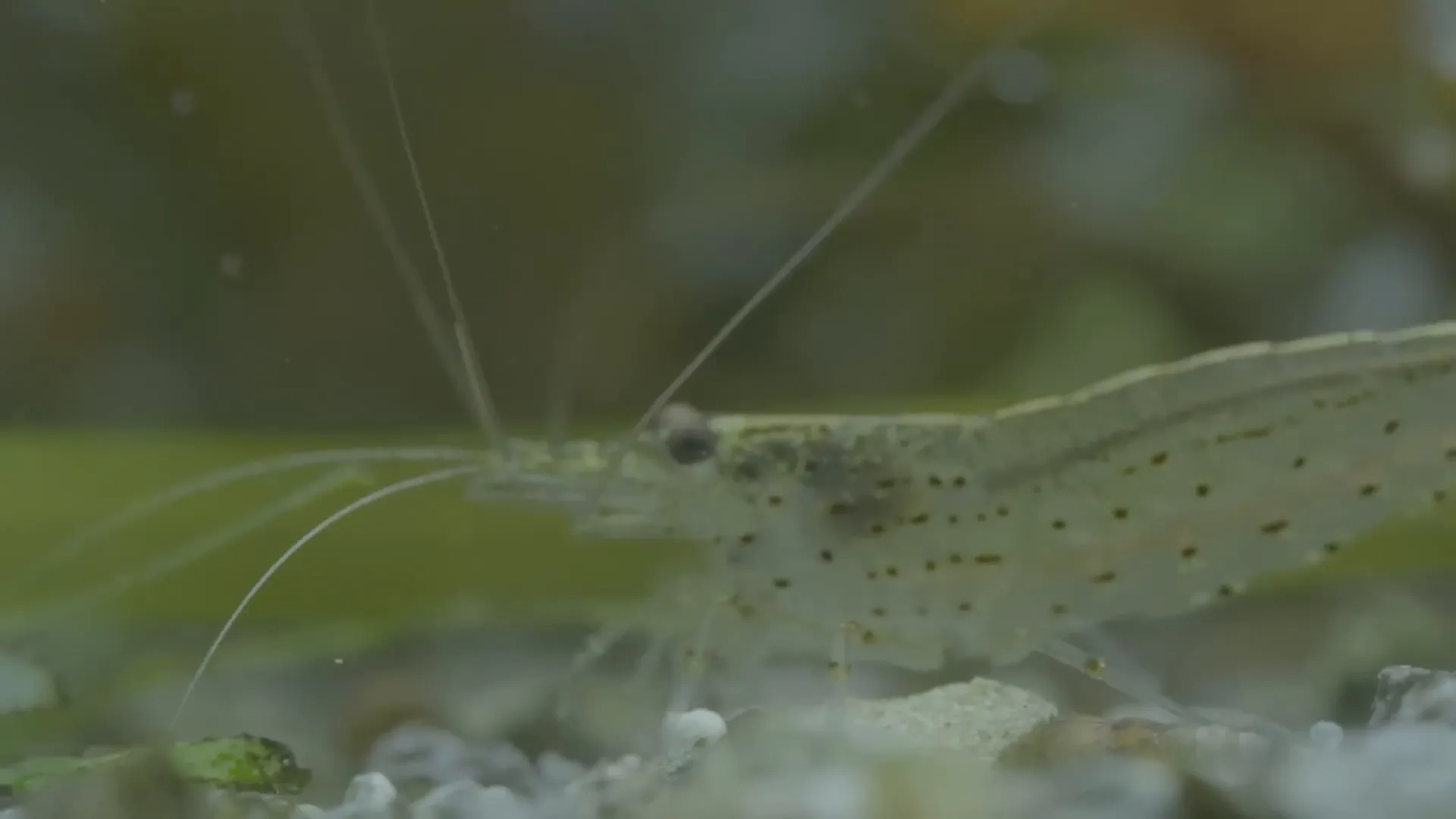
A relatively new discovery for me in the last few years is the Pinocchio red nose shrimp. Normally, I’d suggest Amano shrimp or similar, but those often require starving to encourage algae eating, and you need an army of them to make a dent. These shrimp, however, are different.
I first heard about them from a shrimp breeder who raved about their algae-eating prowess, so I decided to give them a try. With just ten shrimp, I watched as the algae in my tanks sparkled clean over the course of a month. They work hard all day long, clearing algae without needing special diets or conditions.
One downside is that they can’t breed in freshwater—they need brackish water for reproduction, similar to Amano shrimp. They’re also not widely available but can be found online at places like BuyPetShrimp.com. Be cautious when mixing them with larger or nippy fish like rosy barbs, as they might get picked on. These shrimp are perfect for smaller tanks (under 10 gallons) or tanks with many small fish, and they don’t add much bio-load, so they’re easy on your filtration system.
4. Nerite Snails for Green Spot Algae
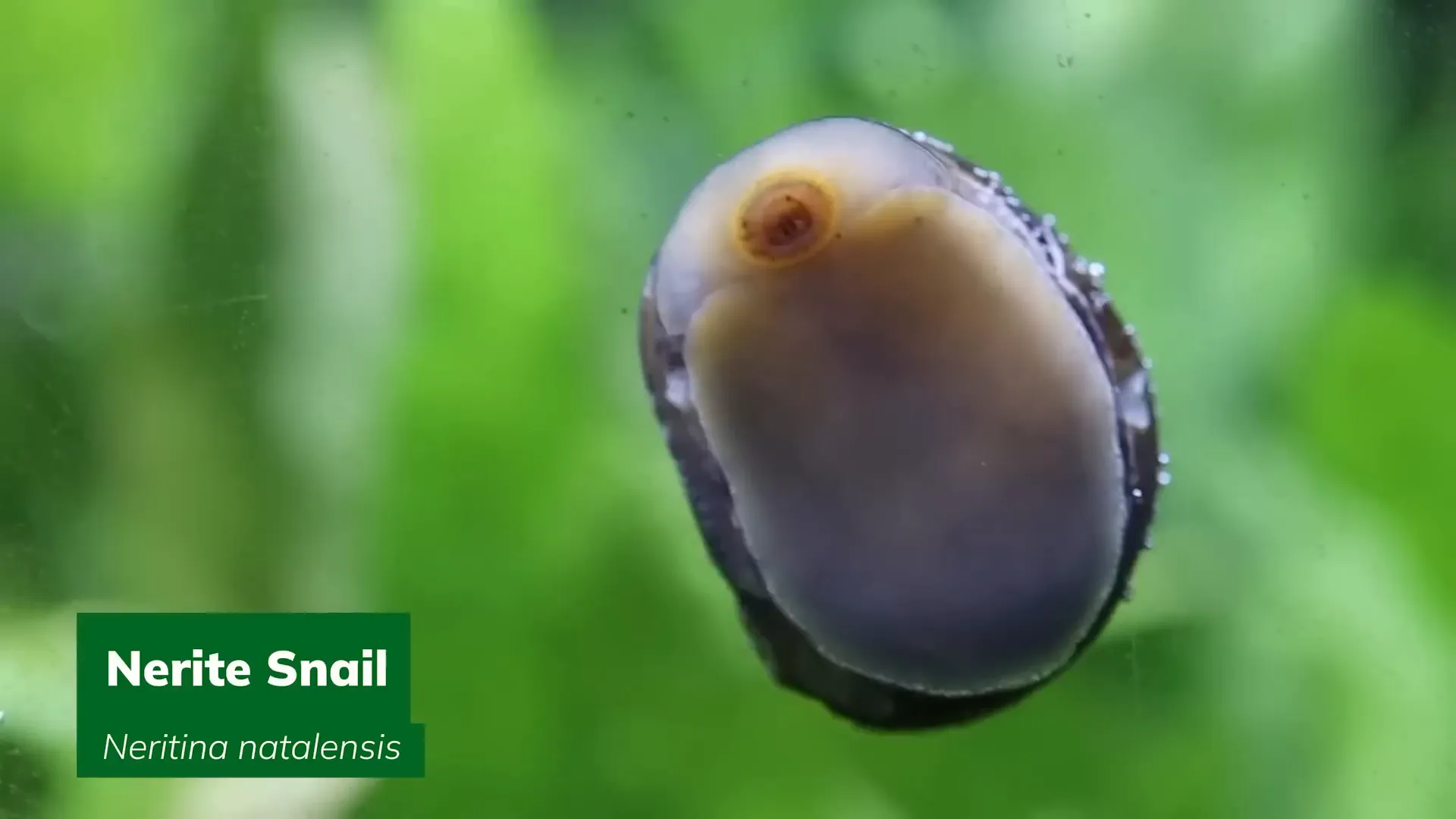
Nerite snails are a classic algae eater, and for good reason—they’re among the few creatures that eat green spot algae. This tough, hard algae often forms on glass or acrylic surfaces and is notoriously difficult to remove without scraping. Nerite snails tackle this problem naturally.
While they do leave behind tiny white eggs, these usually accumulate on flat surfaces like wood or rocks if you provide enough decoration. This is preferable to eggs on the glass, which can be a nuisance to clean. They require brackish water to breed, so you won’t have to worry about them overpopulating your tank.
When buying nerites, consider their size, shell shape, and calcium intake to ensure healthy shells. They typically cost between $2 and $5 each, depending on variety and source. One important note: nerite snails are notorious escape artists and may crawl out of uncovered tanks, so a secure lid is recommended to prevent unpleasant surprises.
5. Dwarf Claro Bristlenose Pleco
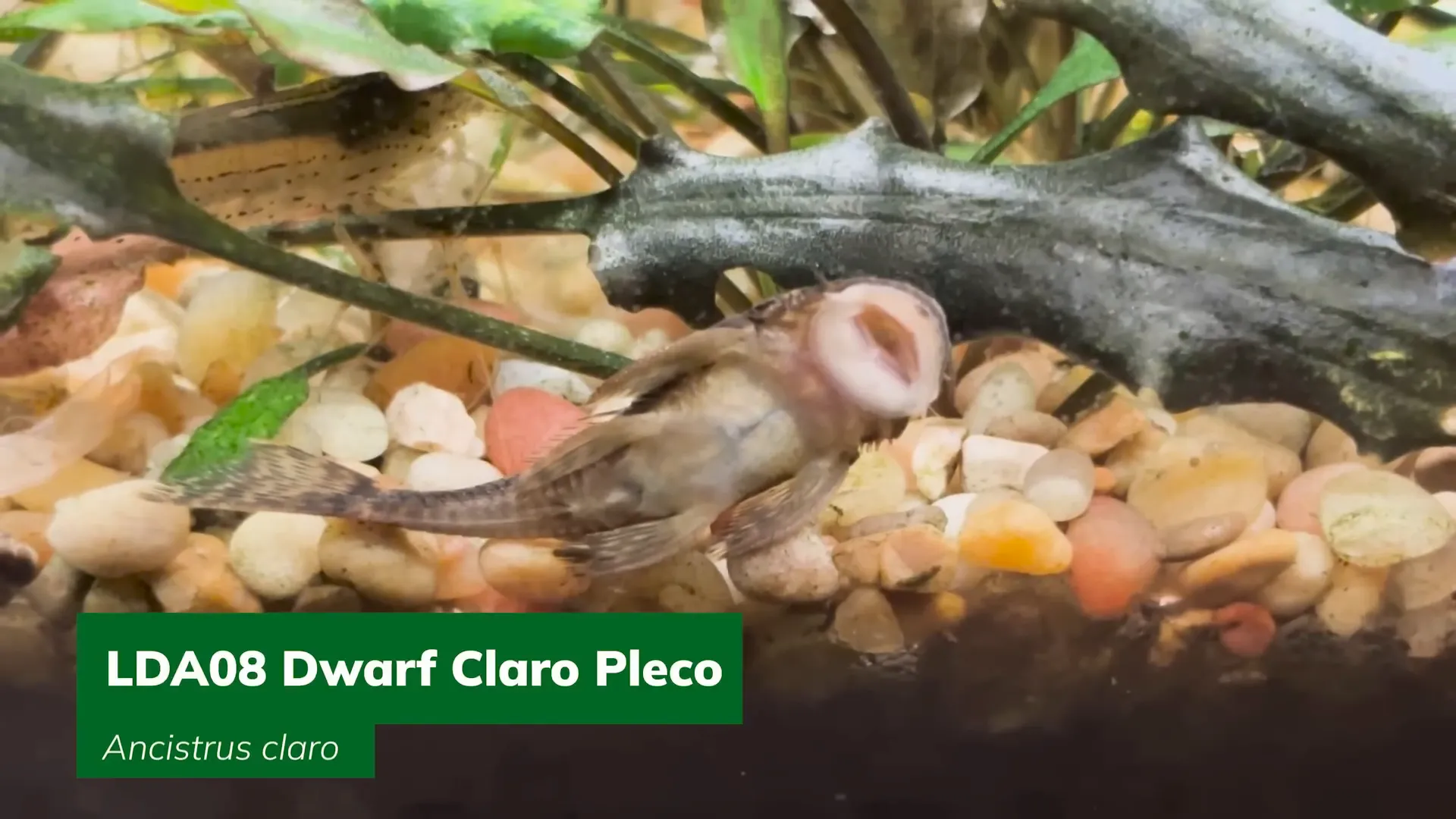
Last but certainly not least is the dwarf claro bristlenose pleco, a smaller relative of the common bristlenose pleco. Unlike their larger cousins, these plecos grow only to about 2.5 to 3 inches, making them ideal for smaller tanks and tight spaces.
Their small size allows them to reach algae in crevices where rocks and wood meet or close to the glass, areas that larger plecos can’t access as easily. They do an excellent job cleaning flat algae just like the reticulated hillstream loach but with the added advantage of fitting into nooks and crannies.
Dwarf claro plecos are relatively rare and can be pricey—sometimes $30 to $40 each—because they don’t produce large batches of offspring and take a long time to grow. But they’re hardy, can live for decades with proper care, and are a valuable addition to any algae control strategy.
Interestingly, baby bristlenose plecos are even more voracious algae eaters than adults, so if you breed them, spreading out the juveniles across tanks can keep algae at bay effectively. Though dwarf claros aren’t big money-makers commercially, they’re beloved by enthusiasts who appreciate their algae-eating efficiency and manageable size.
Mix and Match for a Balanced Tank
One of the great things about these algae eaters is how well they complement each other and the overall aquarium environment. You can mix rosy barbs, hillstream loaches, shrimp, snails, and plecos in various combinations to tackle different types of algae across your tank’s surfaces.
Remember, no single fish or invertebrate will eliminate all algae problems, but these top five algae eaters are proven performers that you can trust to keep your aquarium clean and balanced without needing to starve them or rely on constant manual removal.
Frequently Asked Questions (FAQ)
Can rosy barbs live with small fish?
Yes, rosy barbs are quite adaptable and can live peacefully with both smaller and larger fish, making them a versatile choice for many community tanks.
Do reticulated hillstream loaches require special water conditions?
Contrary to popular belief, they don’t need highly oxygenated water or specific temperatures. They adapt well to most aquarium setups and focus on cleaning algae from large surfaces.
Where can I buy Pinocchio red nose shrimp?
They are not very common but can be found online at specialty shrimp retailers like BuyPetShrimp.com. They require brackish water to breed and are great for small tanks.
Will nerite snails overpopulate my tank?
No, nerite snails need brackish water to reproduce, so they won’t overrun your freshwater aquarium. However, they do lay eggs that may need occasional cleaning.
Are dwarf claro bristlenose plecos suitable for small tanks?
Yes, their small size (2.5-3 inches) makes them perfect for smaller aquariums and tight spaces, where they can reach algae that larger plecos cannot.
Conclusion
With so many algae eaters out there, it’s easy to get overwhelmed by the usual recommendations. But these top 5 algae eaters have proven themselves through years of experience and real-world tank success. Whether you’re battling hair algae, green spot algae, or just want a low-maintenance way to keep your aquarium clean, these species are your best bet.
Don’t wait for algae to take over—add some of these hardworking algae eaters to your tank and enjoy a sparkling, balanced aquatic environment. And if you want to dive deeper into aquarium care or have questions, consider joining live streams and community discussions for ongoing support.
This article was inspired from the video Top 5 Algae Eaters You Didn’t Know About | Drop a like and subscribe to show your support!