If you are passionate about feeding birds and want to get the most out of your bird seed, understanding the quality of sunflower seeds for birds is essential. Not all bird seed is created equal, and while clean seed is an obvious factor, the true quality lies deeper than just appearance. In this article, we’ll explore the important details behind what makes sunflower seeds truly valuable for our feathered friends, based on insights from Mark McKellar of Mark’s Backyard Birds, a renowned wildlife biologist with over 35 years of experience.
Table of Contents
- Identifying Dirty and Junk Bird Seed
- The Hidden Factor: Seed Quality and Heart Weight
- How Reputable Feed Companies Ensure Seed Quality
- Why Cheap Bird Seed Often Isn’t Worth It
- Applying These Principles to Other Types of Seeds
- Conclusion: Choose Quality Sunflower Seeds for Birds
- Frequently Asked Questions
Identifying Dirty and Junk Bird Seed
When it comes to bird seed, one of the easiest things to notice is whether the seed is clean or filled with junk. Junk seed often contains fillers like milo, cracked corn, oats, and other unwanted grains that birds simply don’t prefer. Dirty seed can also have sticks, stems, and debris mixed in, which reduce its appeal and quality.
For anyone who cares about quality bird feeding, avoiding these obvious contaminants is the first step. Clean bird seed ensures that you’re giving birds what they want and getting the best value for your money.
The Hidden Factor: Seed Quality and Heart Weight
While clean seed is important, the less obvious but crucial factor is the quality of the seed itself — specifically, the heart weight of the seed. This term refers to how much “meat” or nutritious kernel is inside the seed shell.
Sunflower seeds, especially black oil sunflower seeds, can vary greatly in heart weight. Some seeds have fully developed kernels, while others are hollow or only partially filled. Birds instinctively know this. If you’ve ever watched birds at your feeder pick up a seed and then drop it without even attempting to crack it open, this is why.
Birds are incredibly efficient and won’t waste energy on seeds with little to no meat inside. So, when you buy bird seed, it’s important to make sure it has a high heart weight — meaning lots of nutritious kernel inside.
How Reputable Feed Companies Ensure Seed Quality
Companies like the Des Moines Feed Company, where Mark sources most of his bulk bird seed, are very selective about the seed they purchase. When farmers offer their harvest, the company tests every load for heart weight before accepting it.
They measure samples by volume and weight to determine how dense and full the seeds are. Loads with too many empty or hollow seeds are rejected outright. This quality control step ensures that customers receive seed that is rich in nutrition and worth the price.
Rejecting low-quality seed prevents cheating customers who think they are buying good seed but actually get bags filled mostly with empty shells. Those rejected loads are sold elsewhere at much lower prices, often to buyers who don’t mind lower quality.
Why Cheap Bird Seed Often Isn’t Worth It
It can be tempting to buy cheap bird seed, but as Mark points out, you often get what you pay for. Bags sold at lower prices may contain a high percentage of empty seeds or fillers that birds simply won’t eat.
In other words, buying the cheapest bag might cost you more in the long run because the birds won’t be attracted to it, and you’ll be wasting money on seed that goes uneaten.
Applying These Principles to Other Types of Seeds
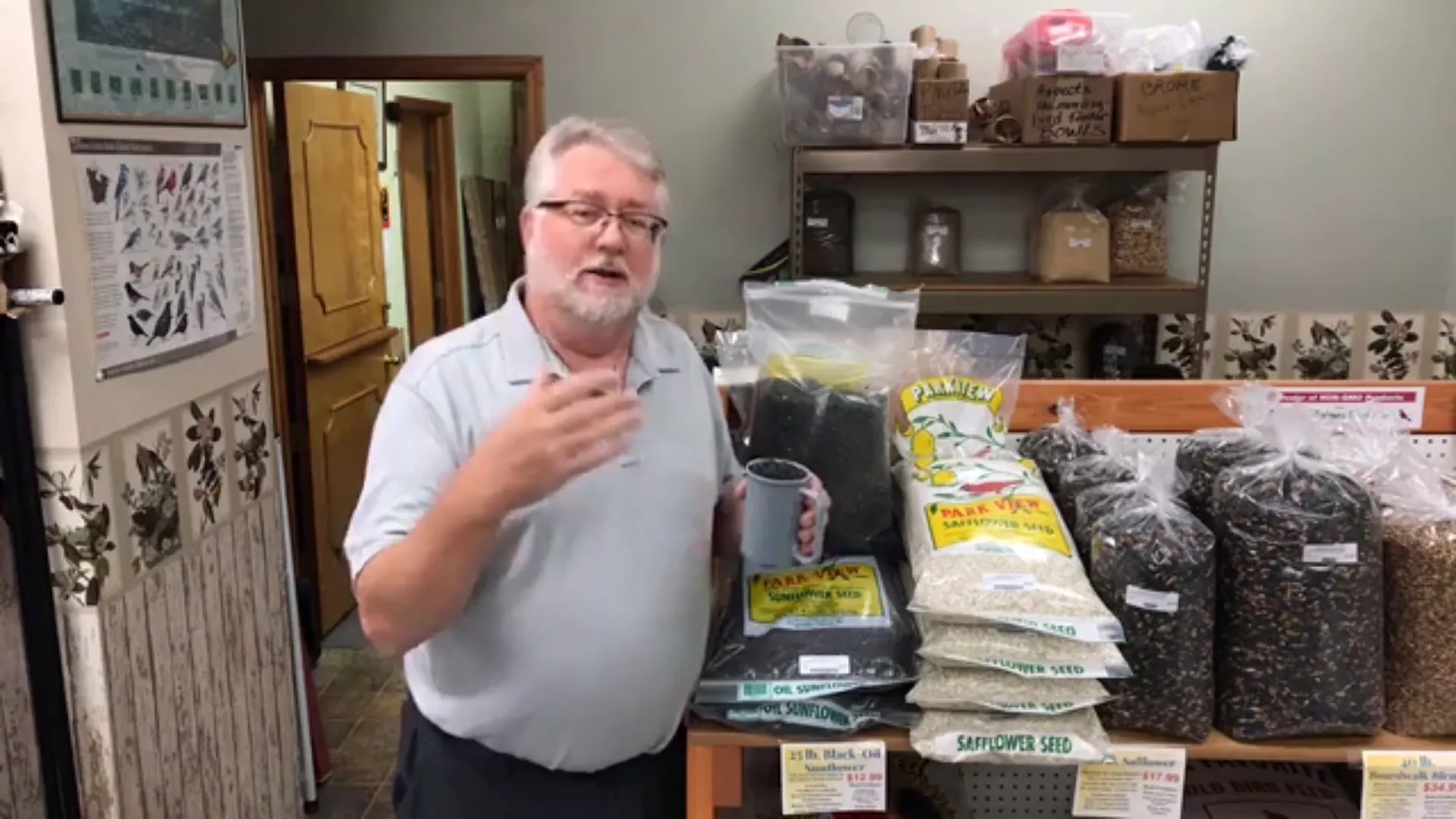
This focus on seed quality and heart weight doesn’t just apply to sunflower seeds. Other common bird seeds like safflower and various mixes also require similar scrutiny. Seeds with shells must be carefully processed to ensure they contain good quality kernels inside for the birds.
Choosing reputable sources that test and clean their seed thoroughly will guarantee you’re providing the best nutrition and value for your backyard visitors.
Conclusion: Choose Quality Sunflower Seeds for Birds
Feeding birds is a rewarding experience, and the quality of the seed you offer plays a huge role in attracting and supporting healthy birds. Understanding the difference between clean seed and truly high-quality seed with good heart weight helps you make informed purchasing decisions.
Remember, a little extra investment in quality black oil sunflower seeds from trusted suppliers like Des Moines Feed Company ensures your birds get the nutrition they need and you get the best return on your feeding efforts.
Happy birding, and as always, let’s talk birds!
Frequently Asked Questions
What is heart weight in sunflower seeds?
Heart weight refers to the amount of kernel or “meat” inside the seed shell. Seeds with a higher heart weight have more nutritious content for birds to eat.
Why do birds drop some sunflower seeds without eating them?
Birds instinctively drop seeds that have little or no kernel inside because it’s not worth the effort to crack open empty shells.
How can I tell if bird seed is of good quality?
Good quality seed will be clean, free of fillers and debris, and have fully developed kernels inside. Buying from reputable suppliers who test their seed ensures better quality.
Are all black oil sunflower seeds the same?
No, black oil sunflower seeds vary in quality depending on the heart weight. Some may contain many empty seeds, while others have fully developed kernels. It’s important to buy from trusted sources.
Does this apply to other types of bird seed?
Yes, seeds like safflower and other shell seeds also need to be checked for kernel quality to ensure birds get the nutrition they need.
This article was inspired from the video The Truth About Sunflower Seed For Birds | Drop a like and subscribe to show your support!