As a devoted guinea pig owner, your goal is undoubtedly to provide a happy, healthy, and fulfilling life for your little furry friend. However, despite our best intentions, there are many common mistakes that even the most caring owners can unknowingly make. In this comprehensive guide, inspired by insights from Jaw-Dropping Facts, we'll explore 15 key errors to avoid in caring for guinea pig. Understanding these pitfalls will help you create the perfect environment and lifestyle to keep your piggy thriving.

Table of Contents
- 1. The Wrong Diet: The Foundation of Guinea Pig Health
- 2. Maintaining a Clean and Smell-Free Living Space
- 3. Overfeeding Fruits: A Sweet Danger
- 4. Poorly Set Up Housing: Comfort and Safety Matter
- 5. Avoid Exercise Balls and Wheels
- 6. Bathing: When Less Is More
- 7. Proper Handling: Reduce Stress and Build Trust
- 8. Protecting from Heat: Avoid Warm Environments
- 9. Paying Attention: Spot Early Signs of Illness
- 10. Providing Enough Space to Exercise
- 11. Ensuring Safe Free Roaming
- 12. Avoid Keeping Guinea Pigs Outside
- 13. Avoid High Traffic Placement for Their Enclosure
- 14. Never Yell at Your Guinea Pig
- 15. Provide Adequate Socialization
- Frequently Asked Questions (FAQ)
- Conclusion
1. The Wrong Diet: The Foundation of Guinea Pig Health
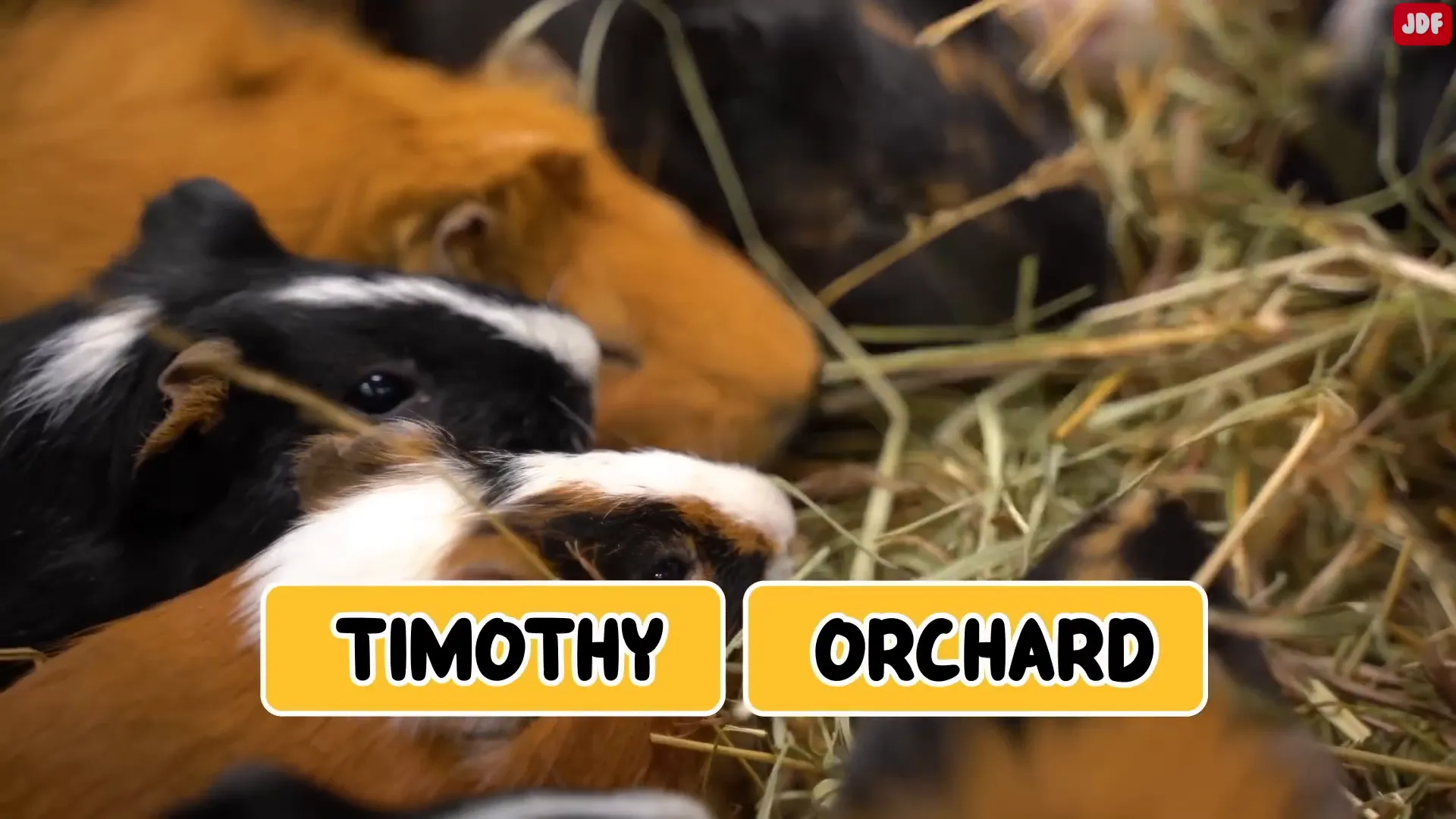
Guinea pigs have a particularly sensitive digestive system, making their diet crucial to their overall wellbeing. One of the most important components is providing a constant and unlimited supply of high-quality hay, such as Timothy or orchard hay. Hay serves two vital purposes: it helps wear down their continuously growing teeth and maintains a healthy digestive tract.
Another critical dietary need is vitamin C. Unlike humans, guinea pigs cannot synthesise their own vitamin C, so they must obtain it from their diet to avoid scurvy, a serious illness. To meet this requirement, offer vitamin C-fortified pellets free from seeds or dried fruit, along with fresh vegetables and small amounts of fruits rich in vitamin C.
Remember, a guinea pig's daily diet should primarily consist of hay, supplemented by fresh vegetables and limited vitamin C-enriched pellets. This balanced approach supports their dental health and digestive system effectively.
2. Maintaining a Clean and Smell-Free Living Space
Dirty or smelly habitats can severely compromise your guinea pig's health. A buildup of dust, urine, dirt, and feces can cause respiratory problems, making it hard for your piggy to breathe. Additionally, these conditions foster the growth of harmful bacteria and fungi, which can create both physical and mental health issues for your pet.
To prevent this, make it a routine to clean your guinea pig's enclosure thoroughly and frequently. A clean environment not only enhances their health but also contributes to their happiness and comfort.
3. Overfeeding Fruits: A Sweet Danger
Fruits are delicious and packed with vitamins, especially vitamin C, which guinea pigs need. However, many fruits have high sugar content, and feeding too much fruit can lead to obesity, diabetes, and dangerous imbalances in intestinal bacteria, sometimes resulting in life-threatening diarrhoea.
Offer fruit only as an occasional treat a few times a week, limiting portions to one or two tablespoons per two pounds of body weight. For example, a small piece of orange or apple or a handful of blueberries or raspberries is sufficient.
Be cautious about unsafe foods: avoid avocados, mushrooms, rhubarb, garlic, onions, fruit seeds, and grass clippings from your lawn, as these can be toxic to guinea pigs due to pesticides, animal waste, or other contaminants.

4. Poorly Set Up Housing: Comfort and Safety Matter
Guinea pigs require a well-ventilated living space; avoid aquarium-style enclosures as they restrict airflow. The housing should be spacious enough to accommodate areas for playing, hiding, toileting, and feeding.
Flooring is another critical factor. Wire or hard surfaces can cause painful conditions like bumblefoot, damaging your guinea pig's feet. Instead, opt for solid floors lined with soft bedding or blankets.
Suitable bedding options include soft grass hay, fleece fabric, and shredded paper. Avoid sawdust and straw, as sawdust can trigger respiratory problems and straw does not absorb urine effectively. Guinea pigs also love to burrow and hide, so providing a thick layer of bedding allows them to dig, root around, and feel secure.

5. Avoid Exercise Balls and Wheels
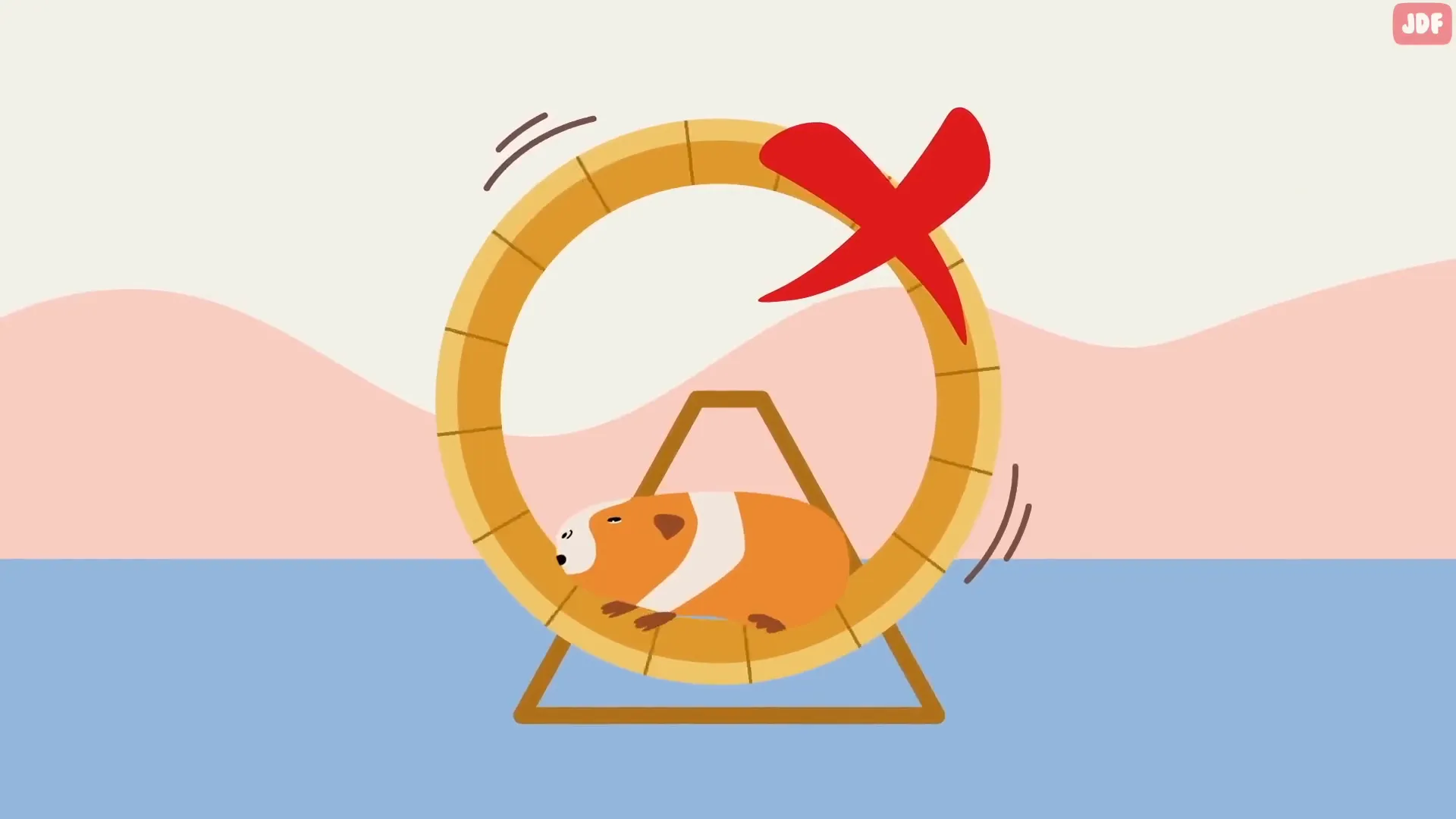
Exercise balls and wheels might be popular for pets like hamsters or rats, but they are dangerous for guinea pigs. Due to their unique anatomy, guinea pigs can injure their backs severely when running in wheels or exercise balls. Moreover, exercise balls often lack sufficient ventilation, making them uncomfortable and unsafe.
Although it might seem like your guinea pig is getting exercise, these devices are more harmful than beneficial. Instead, provide ample space and safe toys for natural movement and play.
6. Bathing: When Less Is More
Guinea pigs are naturally clean animals who groom themselves regularly. Therefore, they rarely require baths. Bathing them unnecessarily can dry out their fur and skin, which are sensitive to moisture and temperature changes.
Damp fur can chill their small bodies, increasing the risk of upper respiratory infections. As a rule, avoid bathing your guinea pig unless specifically advised by a veterinarian.
7. Proper Handling: Reduce Stress and Build Trust
Poor handling practices—such as chasing your guinea pig around, not supporting their feet and abdomen, or allowing unsupervised play with young children—can cause stress and injury.
It's best to let your guinea pig approach you for being lifted. Use hand-feeding to build trust and spend quality time near your pet so they become familiar with your scent and presence, easing their fear.

8. Protecting from Heat: Avoid Warm Environments
Guinea pigs are highly vulnerable to heat because they lack sweat glands. Temperatures above 80°F (27°C) can cause heatstroke, and high humidity can worsen the risk even at lower temperatures.
Keep your guinea pig in a well-ventilated, air-conditioned room. Avoid pointing fans directly at them. If outdoors, ensure they are shaded and away from direct sunlight. Providing plenty of fresh, cool water is essential. You can also freeze a large water bottle, wrap it in a towel, and place it in their enclosure for a cool resting spot.

9. Paying Attention: Spot Early Signs of Illness
As prey animals, guinea pigs instinctively hide signs of pain or illness to avoid predators. This makes it challenging for owners to detect health problems early.
Watch for subtle changes in posture, eating habits, grooming, urination, energy levels, or behaviour such as increased aggression or lethargy. Regular vet checkups are vital to catch health issues before they become severe.

10. Providing Enough Space to Exercise
Despite their small size, guinea pigs need plenty of room to exercise, explore tunnels, and play games like hide-and-seek. Their bodies are built for running and jumping, so cramped cages can cause obesity, depression, and other health issues.
A pair of guinea pigs require at least 10.5 square feet of space. The larger and more enriching the environment, the happier and healthier your piggies will be.
11. Ensuring Safe Free Roaming
Free roaming is great for your guinea pig's enrichment but only if the area is guinea pig-proofed. This means removing toxins, securing power cords, eliminating sharp objects, and ensuring no access to toxic plants or other pets like cats or dogs.
Rooms such as bathrooms and garages should be off-limits due to cleaning chemicals and hazards. Outdoor roaming introduces risks like predators, extreme weather, insect bites, and pesticides, so always supervise and protect your guinea pig.
12. Avoid Keeping Guinea Pigs Outside
The outdoors is fraught with dangers for guinea pigs. Predators such as owls, stray cats, and dogs pose a constant threat. Even if predators cannot physically reach your pet, their scents and sounds can cause chronic anxiety.
Outdoor hutches expose guinea pigs to extreme temperatures, increasing risks like heatstroke. They also attract flies, which can bring diseases, mites, and lice. For these reasons, indoor housing is safer and more comfortable.

13. Avoid High Traffic Placement for Their Enclosure
Guinea pigs are sensitive prey animals prone to stress. Placing their enclosure in noisy, high-traffic areas with lots of people or children constantly passing by can cause anxiety and negatively affect their health.
Choose a quiet, calm spot for their habitat. Providing a hide box inside the enclosure also helps your guinea pig feel safe and confident, reducing stress.

14. Never Yell at Your Guinea Pig
Yelling frightens your guinea pig and does not communicate “no” to them. Loud noises cause stress, and your piggy may start to perceive the person yelling as a threat, leading to avoidance behaviour.
Always speak softly and gently, ensuring your pet feels safe and loved. Avoid any actions that cause fear or anxiety.
15. Provide Adequate Socialization
Guinea pigs are social animals that thrive on companionship. In the wild, they live in large herds and constantly interact with others. Without social interaction, they can become stressed, scared, depressed, and bored.
Ideally, keep guinea pigs in pairs to provide constant company. If you have a single guinea pig, be prepared to spend ample time interacting and bonding to meet their social needs.
Frequently Asked Questions (FAQ)
Q1: What is the best diet for my guinea pig?
A: Provide unlimited high-quality hay such as Timothy or orchard hay, vitamin C-fortified pellets without seeds or dried fruit, and fresh vegetables daily. Fruits should be given sparingly as treats.
Q2: How often should I clean my guinea pig's enclosure?
A: Clean the enclosure thoroughly at least once or twice a week, and remove soiled bedding and waste daily to prevent odors and health problems.
Q3: Can I bathe my guinea pig?
A: Guinea pigs rarely need baths since they groom themselves. Bathing too often can harm their skin and fur. Only bathe when absolutely necessary and under vet guidance.
Q4: How much space does a guinea pig need?
A: A pair of guinea pigs should have at least 10.5 square feet of living space, with plenty of room for exercise, hiding, and exploration.
Q5: Why should I avoid exercise wheels and balls?
A: Guinea pigs have a different anatomy than hamsters or rats, and using wheels or exercise balls can cause serious back injuries and stress due to poor ventilation.
Q6: How can I tell if my guinea pig is sick?
A: Look for subtle changes in posture, appetite, grooming, urination, energy levels, or behaviour like aggression or lethargy. Regular vet checkups are essential for health monitoring.
Q7: Is it better to have one guinea pig or two?
A: Guinea pigs are social animals and do best in pairs or groups. If you have only one, ensure you provide plenty of social interaction with you to prevent loneliness and boredom.
Conclusion
Caring for guinea pig requires attention to detail, patience, and understanding of their unique needs. Avoiding the common mistakes outlined above will help ensure your pet lives a long, healthy, and happy life. From diet and housing to socialisation and gentle handling, every aspect plays a vital role in your guinea pig's wellbeing.
By following these guidelines inspired by Jaw-Dropping Facts, you can create a safe and loving home that honours the natural behaviours and needs of your adorable companion. Remember, your guinea pig's happiness depends on the quality of care you provide every day.
This article was inspired from the video 15 Ways You Are Hurting Your Guinea Pig Without Realizing