Welcome to an immersive exploration of aquascaping through the eyes and experiences of Hiten Goolab, a visionary aquascaper and plant producer based in South Africa. His journey, passion, and innovative contributions to the aquascaping community have been nothing short of inspiring. This article dives deep into the fascinating world of Epic Aquatics, the evolution of aquatic plant cultivation in South Africa, stunning green walls and ponds, planted aquariums, and the vibrant community that supports and thrives on this beautiful hobby.
From humble beginnings in a small room by his father-in-law’s house to managing large-scale greenhouses and complex aquatic ecosystems, Hiten’s story is a testament to dedication, innovation, and love for nature. Whether you are an established aquascaper, a budding hobbyist, or simply curious about this art form, this comprehensive guide will provide valuable insights and inspiration.

Table of Contents
- Table of Contents
- The Start of Epic Aquatics & Plant Production
- Green Walls, Ponds, and Gardens
- Planted Aquariums and Aquascaping Techniques
- The Epic Aquatics Team & South African Aquascaping Contest
- Plans for the Future and Growing the Hobby
- Frequently Asked Questions (FAQ)
- Conclusion
The Start of Epic Aquatics & Plant Production
The genesis of Epic Aquatics is a story rooted in passion and perseverance. Hiten Goolab began his aquatic plant cultivation in a modest setting—specifically, in a room at his father-in-law’s house. This humble start involved just a few tanks where he propagated aquatic plants like Rotala species, small Anubias, and Ludwigia. This initial phase was crucial, as it laid the foundation for what would evolve into a full-fledged aquatics business.
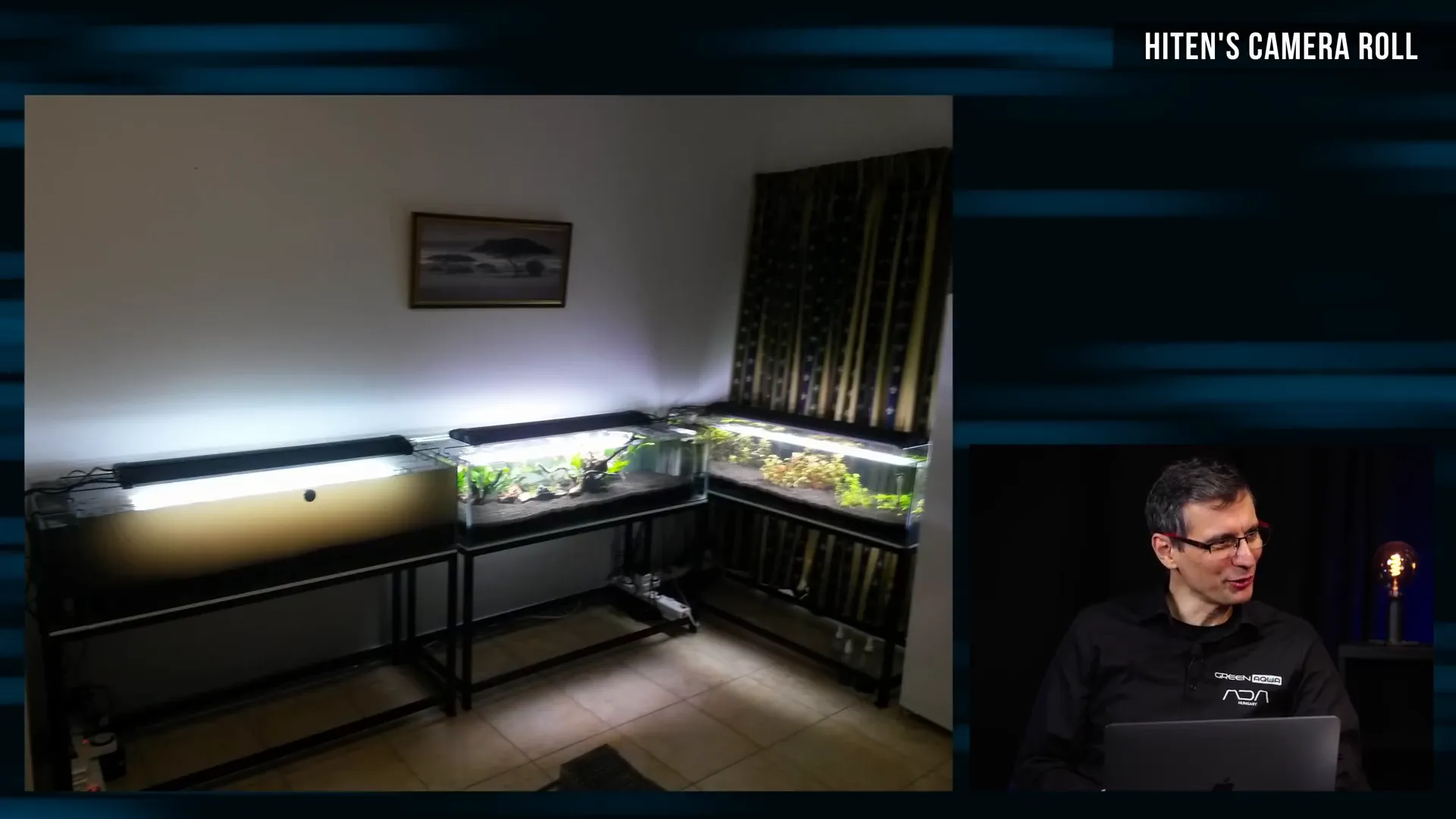
One fascinating aspect of Epic Aquatics’ beginnings is how they imported many of their initial plants. Hiten recalls receiving cuttings and plants from overseas, often sent covertly through the mail. These introductions brought in various stem plants that were not native to South Africa, which helped diversify the plant stock available locally. However, this also introduced challenges regarding regulations around plant importation.
South Africa, like many countries, has strict agricultural regulations to prevent invasive species from disrupting native ecosystems. Hiten explains that they now work closely with the Department of Agriculture to ensure only approved species are cultivated and sold. Tissue culture plants are particularly favored as they are easier to regulate and less likely to introduce harmful organisms.
"If someone throws these plants into our river systems, they will start to take over." – Hiten Goolab on invasive aquatic plants
Early on, Hiten’s team began focusing on cultivating Rotala from just two cuttings, a testament to their dedication and expertise in plant propagation. This strategy helped build a sustainable supply of high-quality aquatic plants for the South African market.
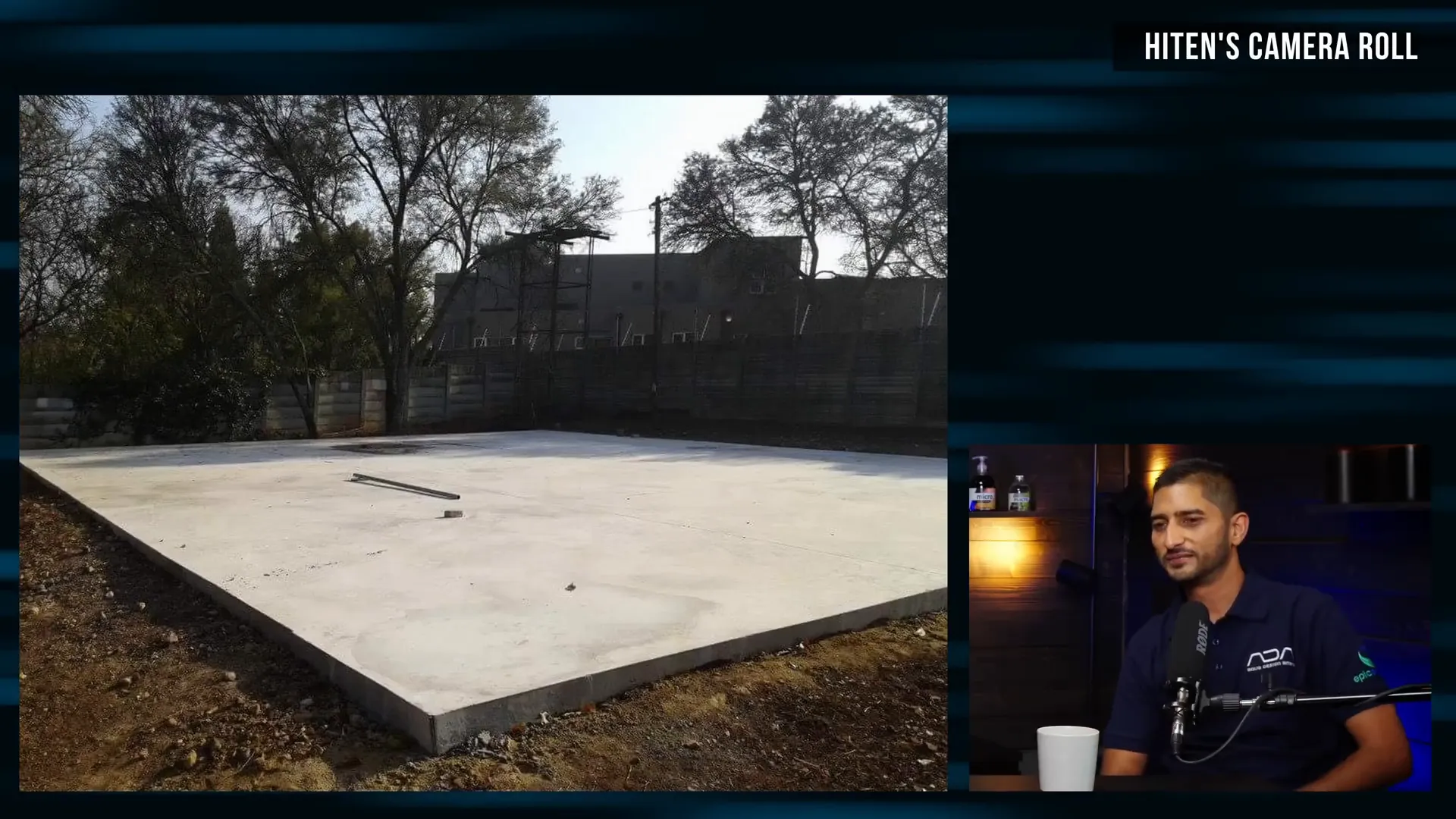
The first greenhouse for Epic Aquatics was a sizable 15x20 meter structure, built on a concrete slab. It was equipped with essential infrastructure such as pumps, humidifiers, and biofilters to maintain optimal growing conditions. The cultivation systems included both deep-water culture and emersed plant growth setups, allowing for a wide range of aquatic species to be grown effectively.
Among the plants cultivated were Hemianthus micranthemoides (HM) and Monte Carlo (Micranthemum tweediei), popular carpeting plants in the aquascaping community. Epic Aquatics also expanded into growing Bucephalandra, a genus of slow-growing, shade-loving plants, starting with small patches and scaling up to large mats measuring 2x1 meters.
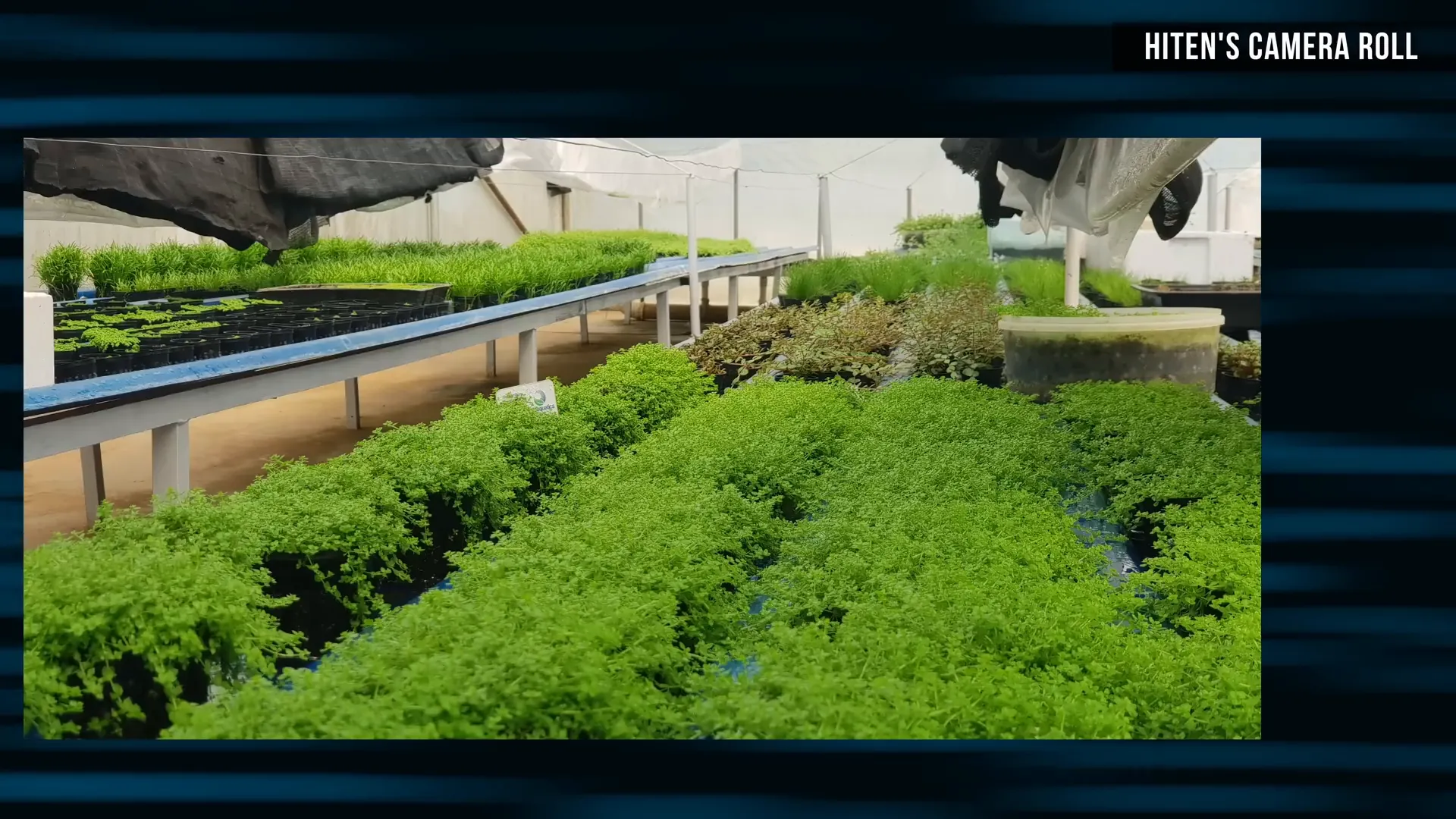
Interestingly, the cultivation of Bucephalandra required a unique approach to fertilization, as these plants responded poorly to the fertilizers used for typical stem plants. This highlighted the importance of understanding the specific needs of each species to ensure healthy growth and commercial viability.
Hiten also shared his experiences with native South African aquatic plants such as Utricularia species, which are carnivorous and challenging to maintain. He emphasized the importance of maintaining soft water conditions (measured as Total Hardness or TH) to keep these plants thriving.
Hiten’s passion for aquatic plants stems from his childhood, influenced by his father who kept basic fish tanks. However, the shift from simple fish tanks to complex aquascaping came after Hiten encountered ADA (Aqua Design Amano) products and literature around 2011. This connection to Takashi Amano’s work was a turning point, inspiring Hiten to fully embrace aquascaping and eventually become a distributor of ADA products in South Africa.

Green Walls, Ponds, and Gardens
Expanding beyond aquariums, Epic Aquatics has ventured into creating stunning green walls and ponds that bring nature indoors and outdoors in innovative ways. One remarkable project involved a living green wall and a mini pond installed for a private client near their dining area, featuring South African Epik stone as the primary hardscape element.
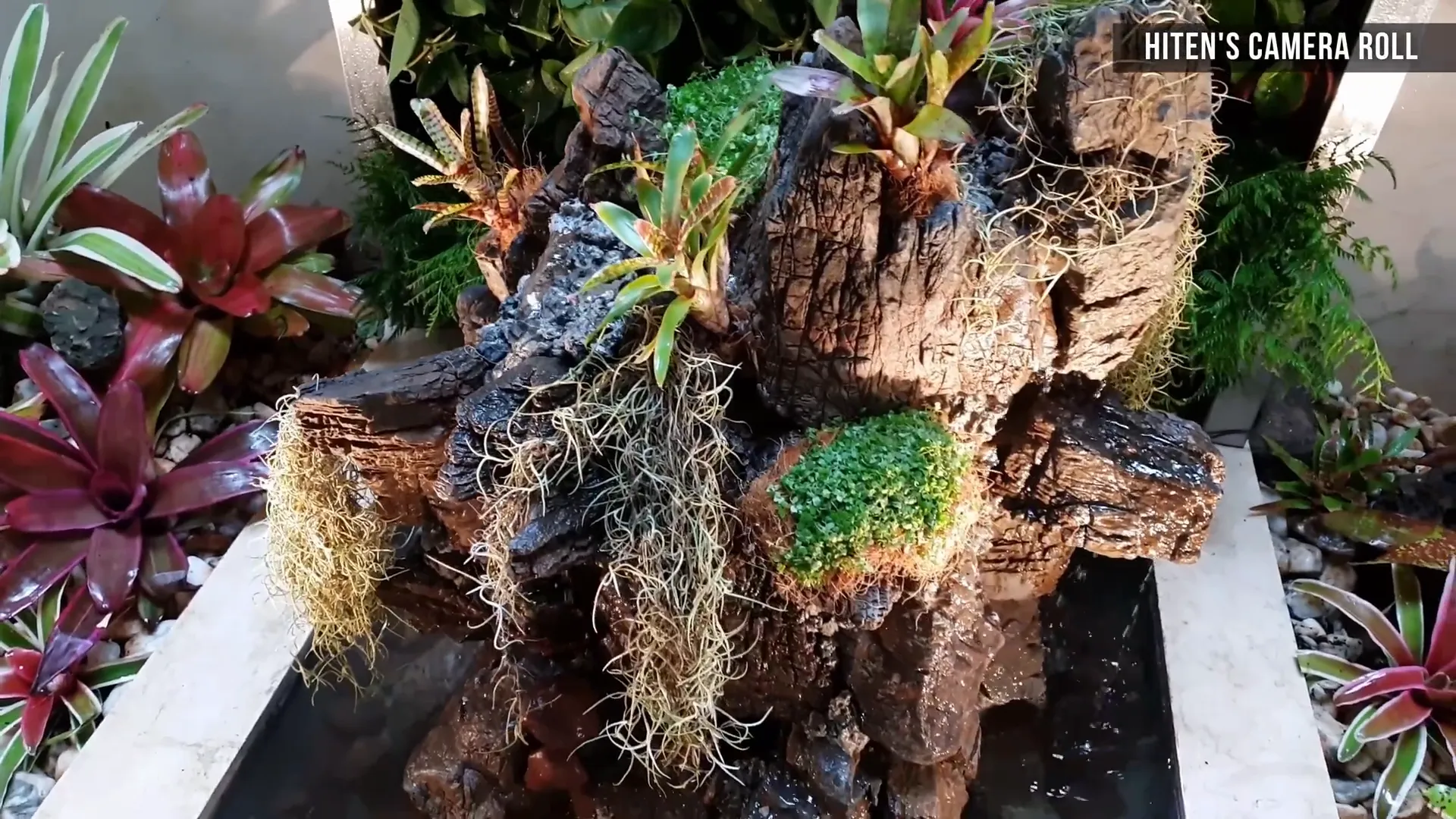
The Epik stone, sourced locally, is notable for its limited algae growth and minimal leaching of calcium and magnesium into the water, making it ideal for aquatic and semi-aquatic applications. The stone’s unique layered structure, with distinct color variations from the mountain base to higher elevations, adds natural beauty and texture to installations.
To secure the stones in place, Epic Aquatics uses a proprietary hardscape adhesive rather than liquid super glue, ensuring stability while allowing for a balanced structure that won’t collapse. This attention to detail is crucial when creating installations that need to remain intact for years.
In addition to hardscape, the team incorporates bromeliads and mosses, carefully planting them to create lush, vibrant walls that mature over 3-4 months to form cohesive, natural-looking habitats.
One of the most impressive green wall projects was completed at Johannesburg’s OR Tambo International Airport. Despite the logistical challenges posed by strict security and agricultural inspections, Hiten’s team successfully installed a large green wall with specialized irrigation and drainage systems. This project took about one and a half weeks and involved subcontracted installation support.
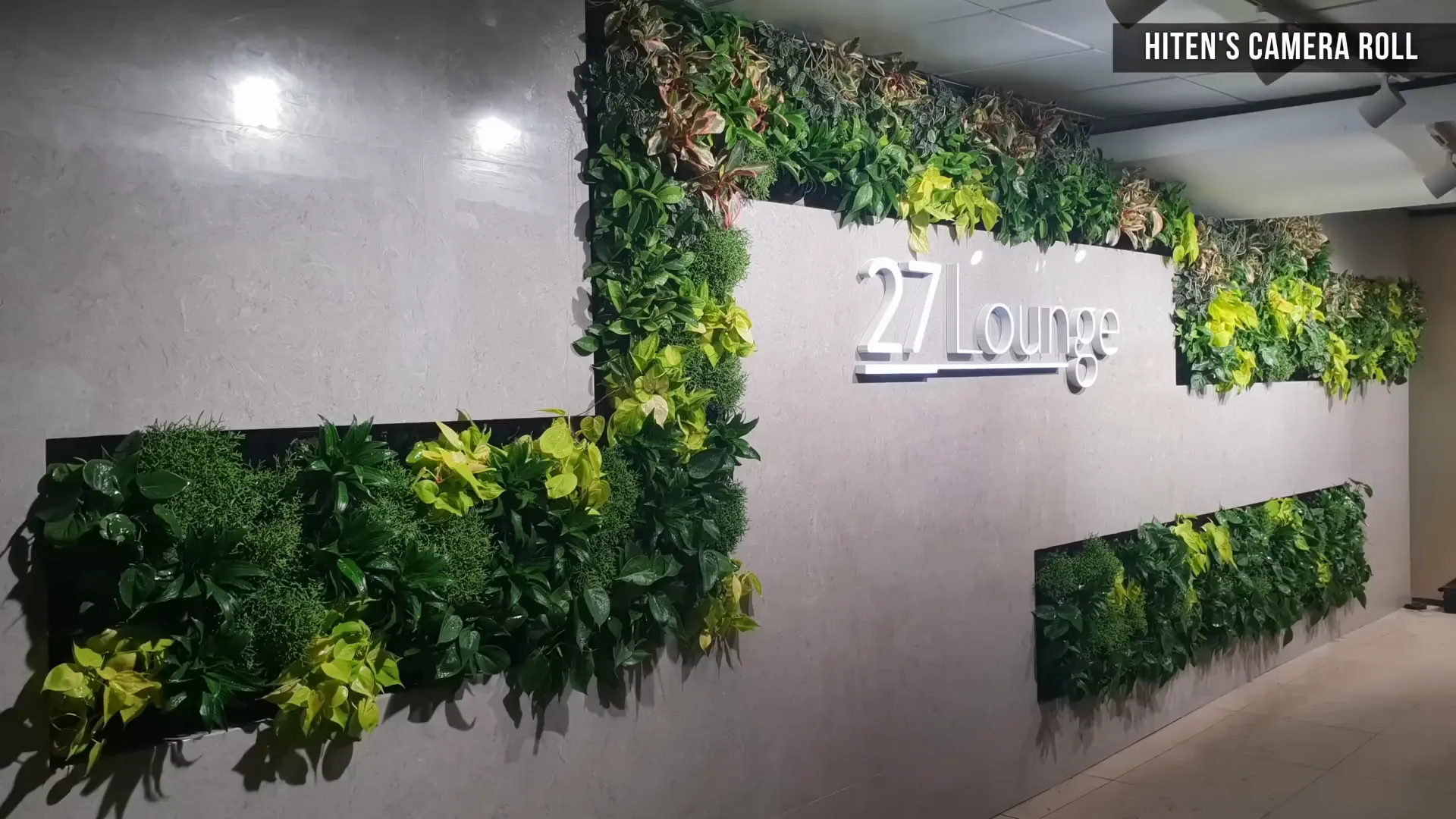
The irrigation system for green walls typically involves a rail system with pots secured into holes, supplied by a single water line at the top. Water drains into a trough at the bottom and is usually recycled in residential installations, though the airport system discharged water directly due to specific requirements.
Epic Aquatics also creates large-scale garden ponds that blend aquascaping principles with landscape design. These ponds often feature massive hardscape structures, waterfalls, and native aquatic plants. One notable pond installation measures approximately 15x20 meters with a waterfall structure around 6-7 meters tall.
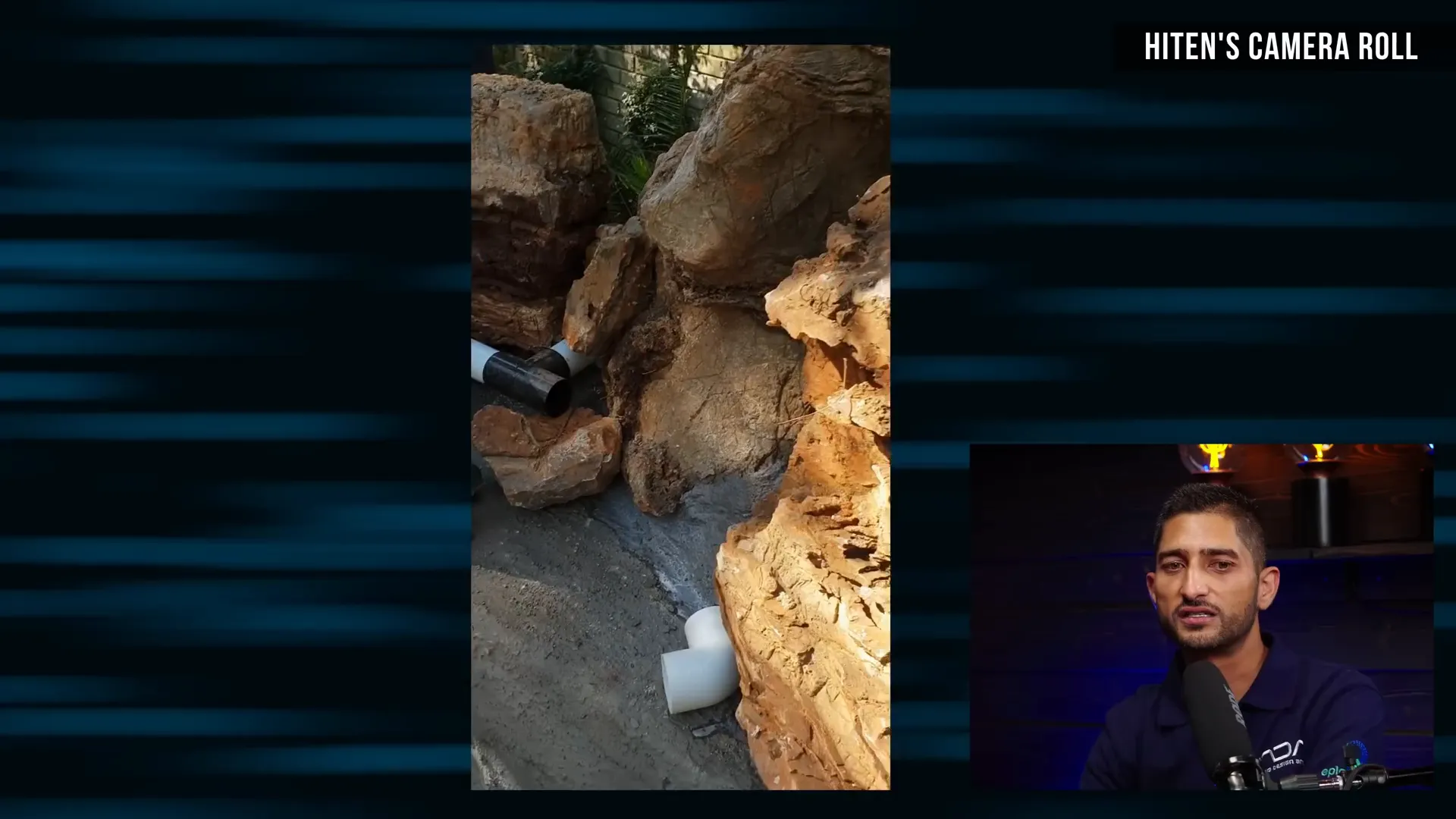
These ponds rely on biological filtration provided by aquatic plants and lava rock substrates rather than mechanical filters, showcasing a natural, sustainable approach to water quality management.
Leadwood, a dense and textured South African hardwood, is frequently used for hardscape in ponds and aquariums. It does not tint the water, unlike some other woods, and offers a unique aesthetic combining features of hornwood and ironwood species.
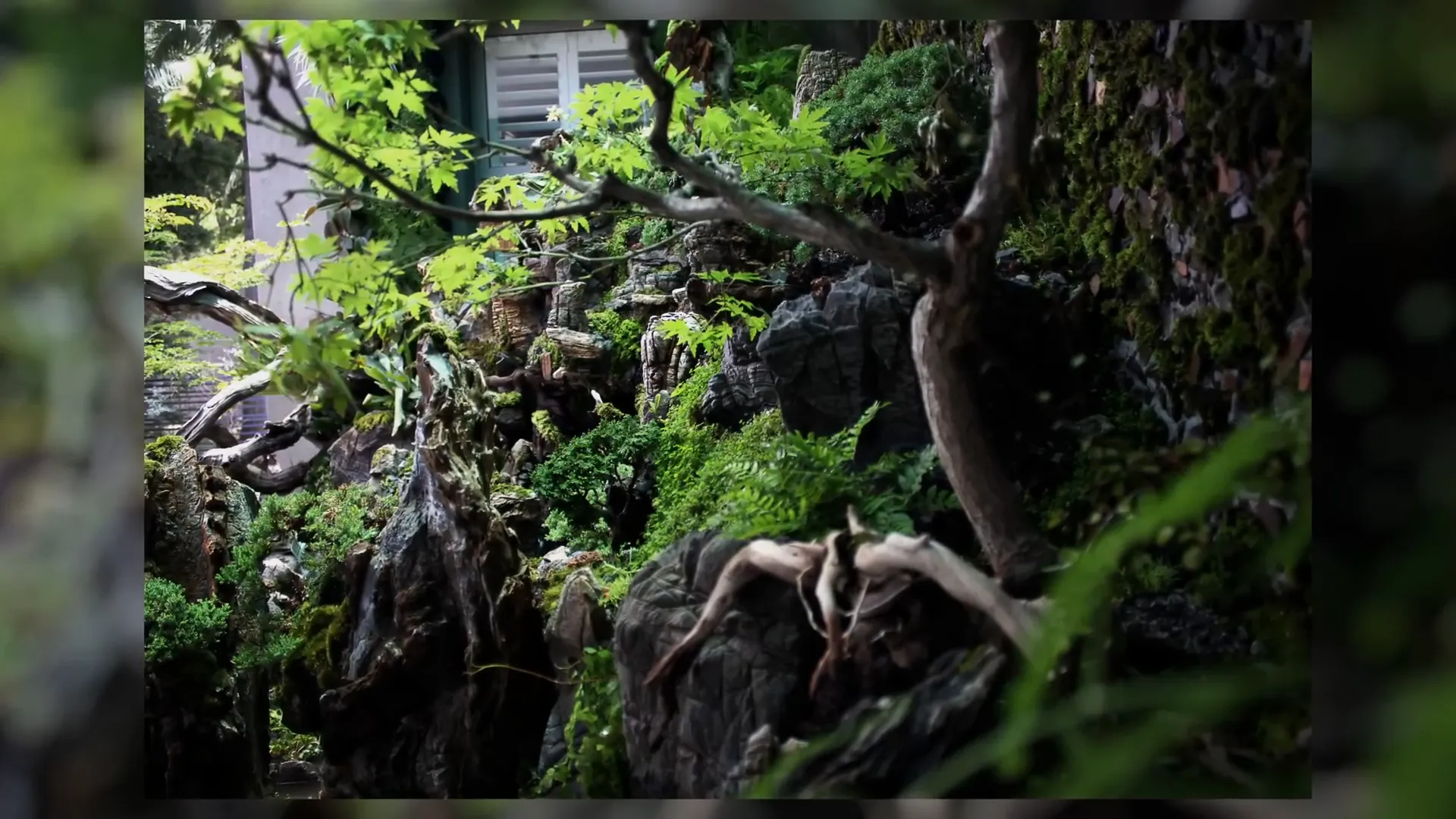
The combination of living walls, ponds, and gardens demonstrates Epic Aquatics’ holistic approach to integrating aquatic plants and natural elements into various environments, enhancing both aesthetic and ecological value.
Planted Aquariums and Aquascaping Techniques
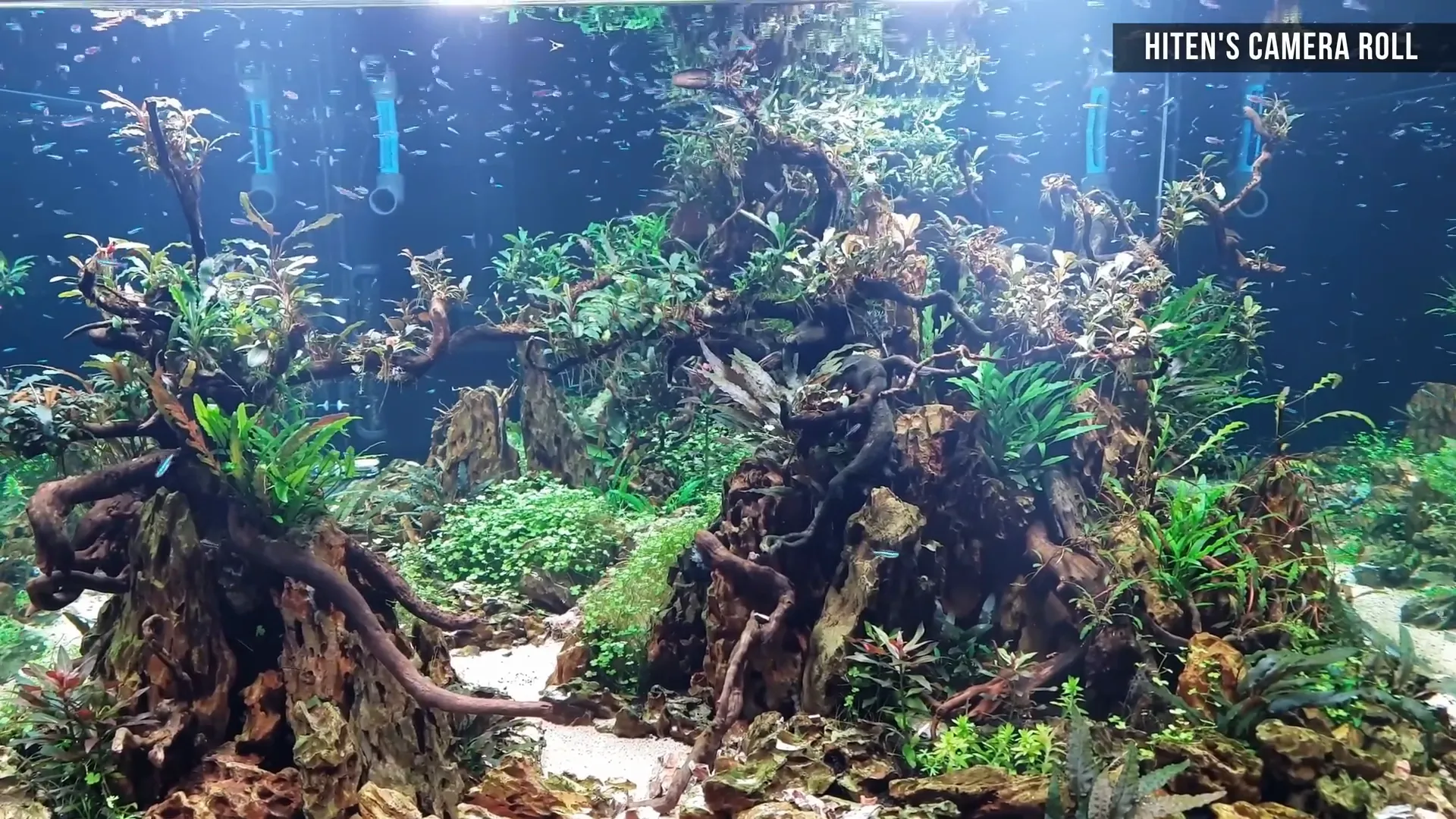
Epic Aquatics’ planted aquariums reflect the influence of Takashi Amano’s Nature Aquarium style, blending artistic landscape principles with aquatic plant cultivation and fish keeping. One standout aquarium measures 2.5x2.5x2 meters, originally a marine tank, now transformed into a lush freshwater planted tank.
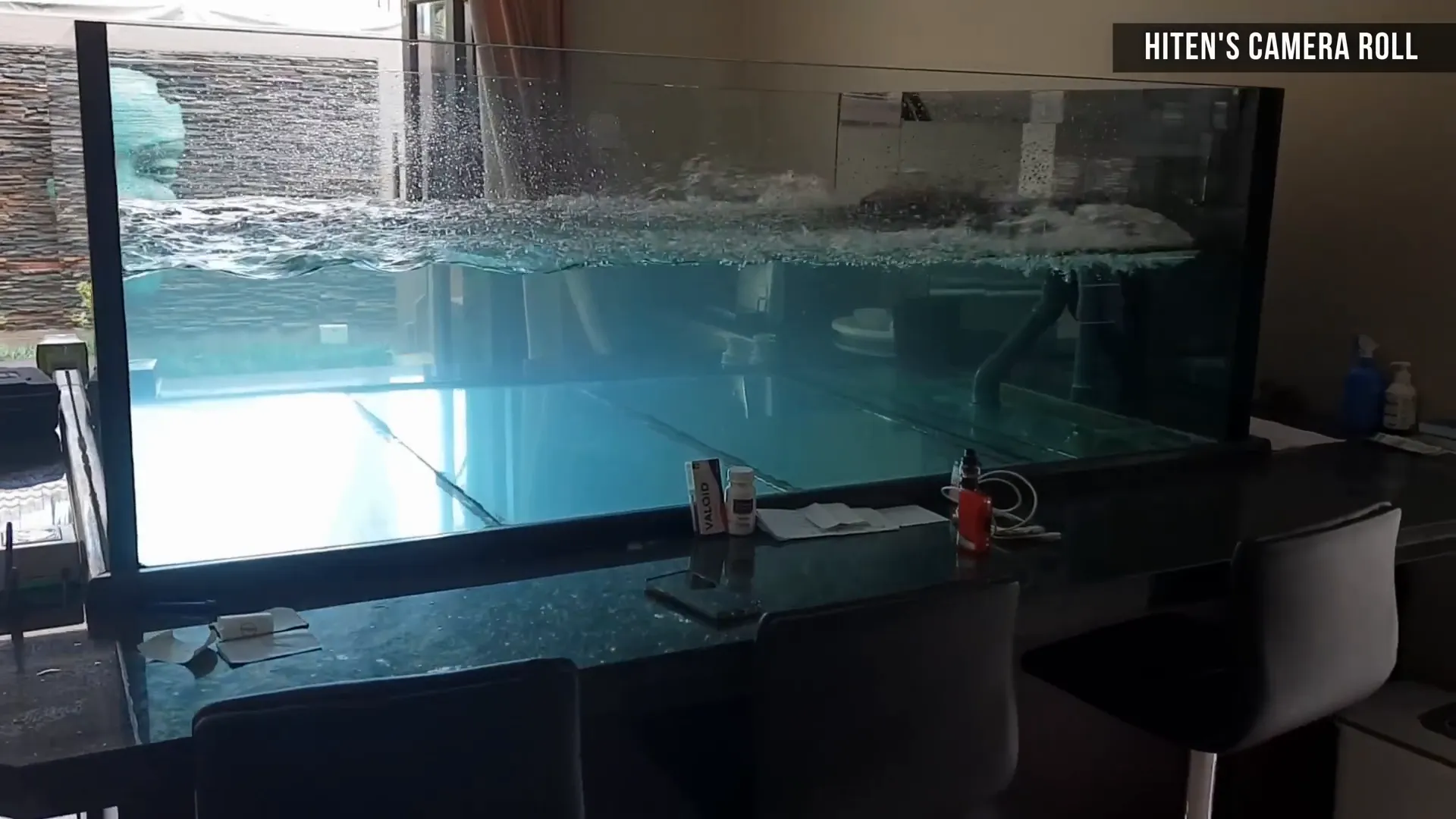
The aquascape features Dragon stone hardscape, ADA Aqua Soil Amazonia substrate, and Power Sand as a base fertilizing layer. The stones are meticulously cleaned using high-pressure washing to remove fine sediment, ensuring strong adhesion when glued together with contact cement.
Automation plays a significant role in maintaining these large tanks. Water changes, fertilization, and CO2 dosing are fully automated, requiring only quarterly maintenance visits for trimming and cleaning. This level of automation allows for highly stable aquatic ecosystems with minimal manual labor.
The plant selection includes carpeting species such as Lilaeopsis brasiliensis (locally called “bar kobra”), Monte Carlo, Hydrocotyle tripartita, and various stem plants like Ludwigia repens. The aquarium houses around 500 green neon tetras and several thousand shrimp, creating a vibrant and dynamic ecosystem.
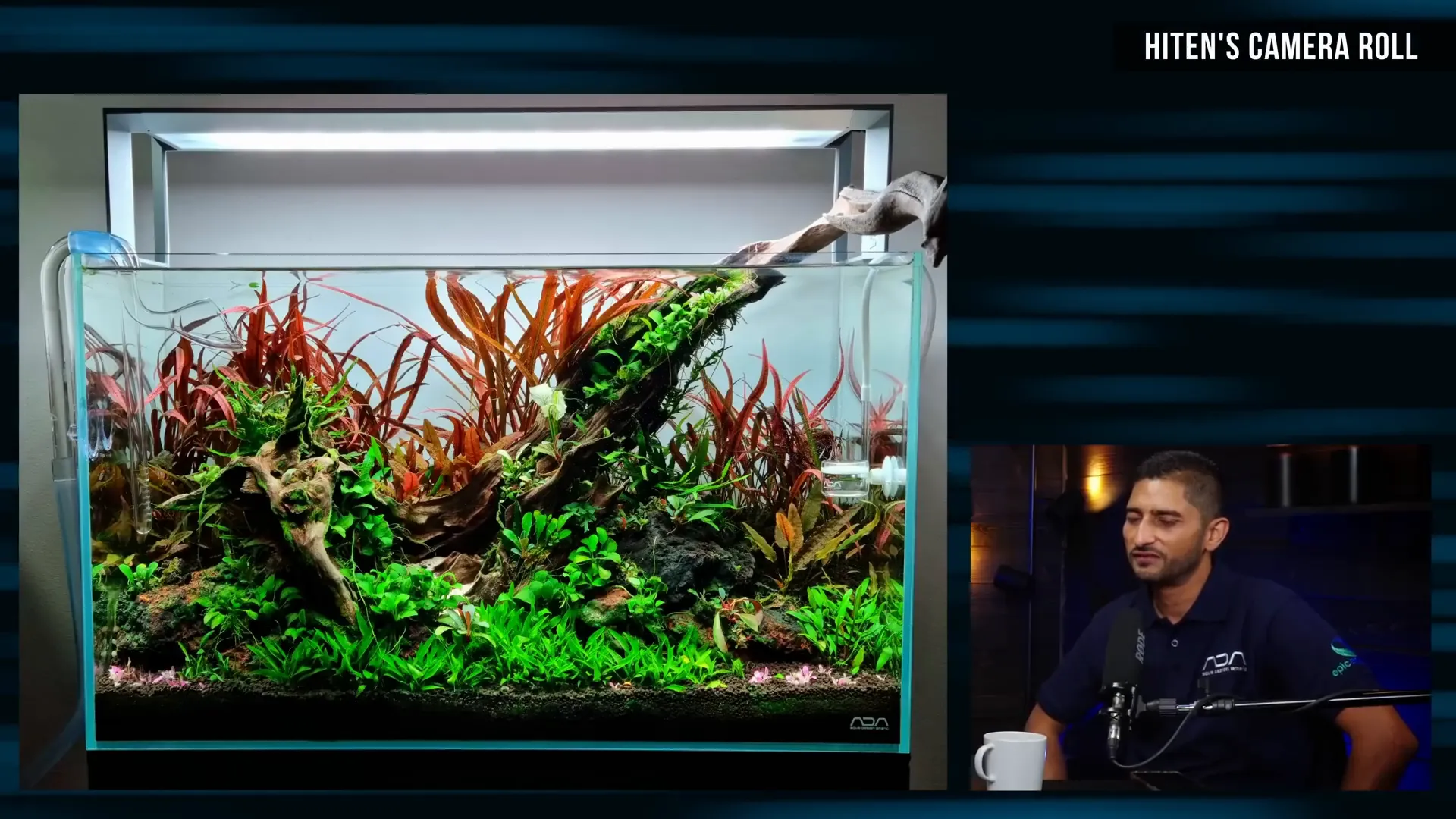
Another aquarium project was created specifically for a yoga room, with a low cabinet height of about 30 inches (76 cm) to allow visibility when seated on the floor. This tank features ADA Solar RGB lighting and a diverse plant palette including Staurogyne repens, demonstrating how aquascaping can complement lifestyle and interior design.
Hiten also shares his personal home aquascapes, which tend to be lower maintenance with slow-growing plants and weekly water changes, offering a balance between beauty and practicality for hobbyists.
The Epic Aquatics Team & South African Aquascaping Contest
Behind the scenes, Epic Aquatics is supported by a dedicated and skilled team. Key members include Nikita, who focuses on introducing beginners to the hobby, particularly encouraging female participation in a male-dominated field. Zuber and Andre contribute to various operational and creative aspects, including terrarium construction.
Plant propagation is a major operation, with team members like Peti and Moosa planting thousands of pots monthly, supported by family members who have been involved since the company’s inception in 2014.
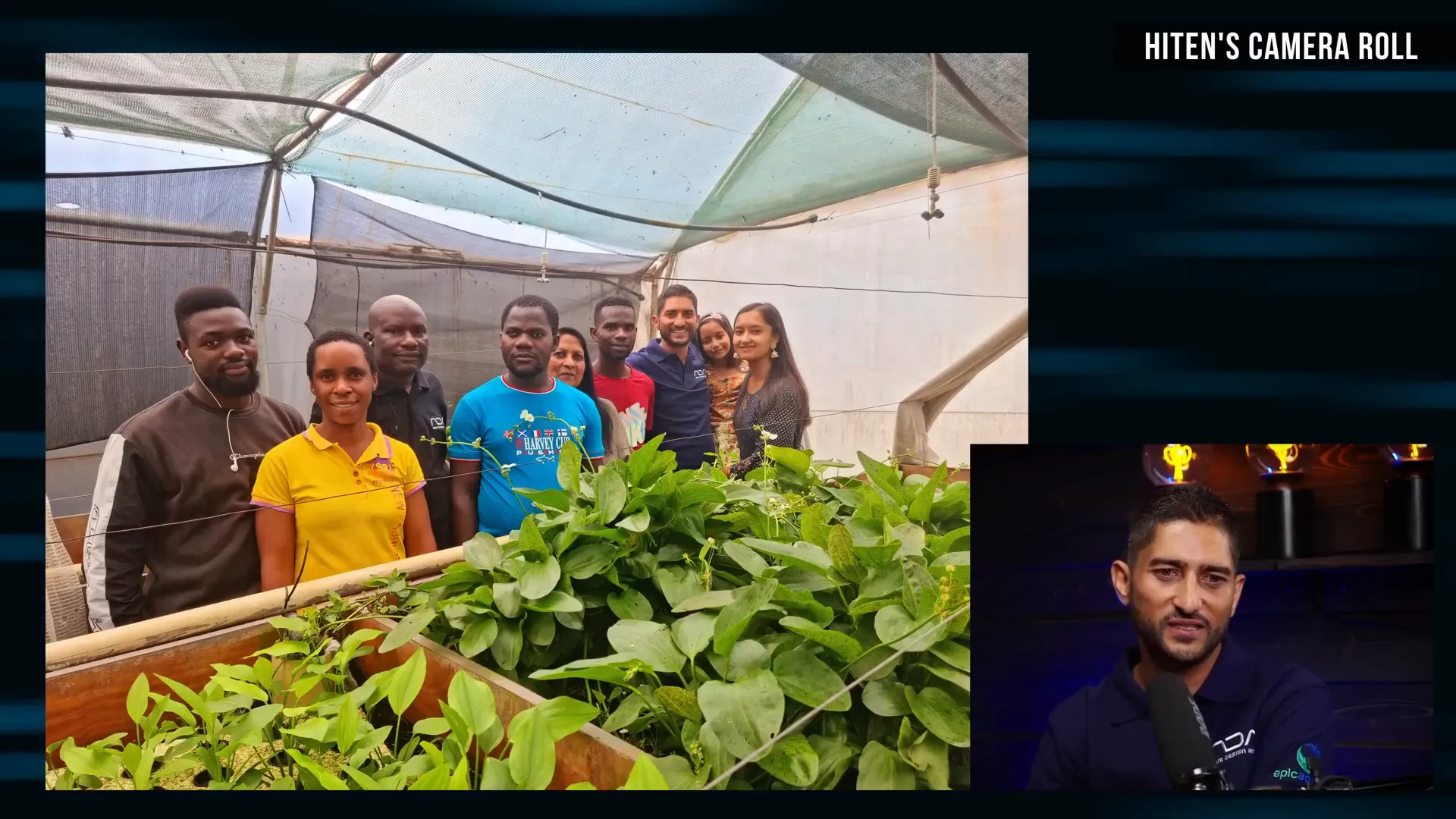
Photography and media are handled by professionals like Chandra, who documents projects and contributes to aquascaping publications. The team’s collaboration extends to organizing and judging the South African Aquascaping Contest, a key event that unites the local aquascaping community.
The contest is officially recognized by the International Aquatic Plants Layout Contest (IAPLC), allowing participants to submit their entries locally and globally. This fosters growth and competition, encouraging aquascapers to improve their skills and creativity.
Entries range from Iwagumi and Nature Aquarium styles to more wild and creative layouts, showcasing the diversity and talent within the South African aquascaping scene. Hiten notes significant improvements in quality and participation over recent years, attributing this to community efforts and educational seminars.
Hiten emphasizes the importance of feedback and critique from judges to help aquascapers evolve their designs and techniques, highlighting the role of the contest in community building and skill development.
Plans for the Future and Growing the Hobby
Looking ahead, Epic Aquatics aims to continue expanding its plant production capabilities, introducing new native species, and fostering a deeper connection between people and nature. Hiten expresses concern over the increasing influence of technology on younger generations, noting that many children are engrossed in digital devices rather than engaging with the natural world.
To counter this trend, Epic Aquatics plans to conduct workshops and educational programs in schools to inspire the next generation of aquascapers. The goal is to nurture a lifelong appreciation for aquatic plants and ecosystems, ensuring the hobby’s sustainability and growth.
Despite challenges such as frequent power outages in South Africa, which complicate maintaining automated aquarium systems, the community remains resilient. Many hobbyists adapt by running their tanks during off-peak hours or investing in generators and solar power systems when possible.
Terrariums have also gained popularity, offering a low-maintenance alternative that requires no lighting or filtration because they rely on natural window light. This diversification helps broaden the hobby’s appeal and accessibility.

Hiten’s vision extends beyond business success; it is about inspiring people to reconnect with nature through the beauty and tranquility of aquascaping. His journey, team, and community efforts are a powerful example of how passion and dedication can create meaningful change.
Frequently Asked Questions (FAQ)
What inspired Hiten Goolab to start Epic Aquatics?
Hiten's inspiration came from his father’s early fish tanks and later from discovering Aqua Design Amano (ADA) products and Takashi Amano’s books around 2011. This sparked his passion for aquascaping and led him to start propagating aquatic plants and eventually founding Epic Aquatics.
What kind of plants does Epic Aquatics specialize in?
Epic Aquatics cultivates a wide variety of aquatic plants including popular stem plants like Rotala, Ludwigia, Anubias, carpeting plants such as Hemianthus micranthemoides and Monte Carlo, and slow-growing species like Bucephalandra. They also work with some native South African species like Utricularia.
How does Epic Aquatics maintain large planted aquariums?
Large tanks are highly automated with systems for water changes, fertilization, and CO2 dosing. The team performs maintenance visits every three months primarily for plant trimming. This automation enables stable ecosystems with minimal daily intervention.
What challenges does aquascaping face in South Africa?
One major challenge is frequent power outages affecting automated systems. Hobbyists adapt by changing tank operation times or using generators and solar power. Import restrictions on plants and the male-dominated nature of the hobby are other challenges being addressed through education and community building.
How can beginners get involved in aquascaping in South Africa?
Epic Aquatics and community members organize seminars, workshops, and maintain active WhatsApp groups and social media channels to support beginners. Nikita, part of the Epic Aquatics team, focuses on welcoming newcomers and especially encouraging female participation.
What role does the South African Aquascaping Contest play?
The contest unites aquascapers across South Africa, providing a platform for creative expression and competition. It is affiliated with the international IAPLC, allowing participants to gain local and global recognition and receive constructive feedback to improve their skills.
Where can I see Epic Aquatics’ work or follow their updates?
Epic Aquatics primarily shares their projects and updates on Instagram. Interested individuals can follow their official Instagram account to see the latest designs, plant cultivation progress, and community events.
Conclusion
The story of Hiten Goolab and Epic Aquatics is a vibrant example of how passion, innovation, and community engagement can transform a hobby into a thriving enterprise that inspires and educates. From pioneering aquatic plant propagation in South Africa to creating breathtaking green walls, ponds, and planted aquariums, Hiten’s work bridges the gap between art and nature.
His commitment to sustainability, education, and nurturing the next generation of aquascapers ensures that the hobby will continue to flourish despite challenges. Whether you are captivated by the delicate balance of a planted aquarium or the grandeur of a garden pond, the insights and experiences shared here offer a valuable roadmap for anyone eager to dive into the world of aquascaping.
Explore, experiment, and most importantly, connect with nature through the incredible works of Hiten Goolab and the Epic Aquatics team.
This article was inspired from the video The Insane Works of HITEN GOOLAB | ADA South Africa - Aquascaping Podcast | Drop a like and subscribe to show your support!