If you’ve ever wondered whether a bristlenose pleco can clean your entire aquarium or simply wanted to know how to help these fascinating fish thrive, you’re in the right place. Native to South America and beloved by aquarists worldwide, plecos are a popular choice for freshwater tanks due to their unique appearance and helpful algae-eating habits. In this guide, we'll dive deep into the essentials of caring for plecos, their tank requirements, diet, personality traits, and even how to breed them successfully. Let’s get started!
Table of Contents
- What Are Plecos? An Overview
- Tank Size and Set-Up Considerations
- Personality and Tankmates
- Feeding Your Pleco: What They Need to Thrive
- Breeding Plecos: The Basics
- Popular Pleco Varieties to Consider
- Conclusion
- Frequently Asked Questions about Plecos
What Are Plecos? An Overview
Plecos, specifically the bristlenose pleco, are named for the bristles that adult males sport on their noses—giving them a distinct and quirky look. Females, on the other hand, usually have very few or no bristles at all. Both sexes share a large sucker mouth and a flat underside, adaptations that help them cling to surfaces and graze on algae.
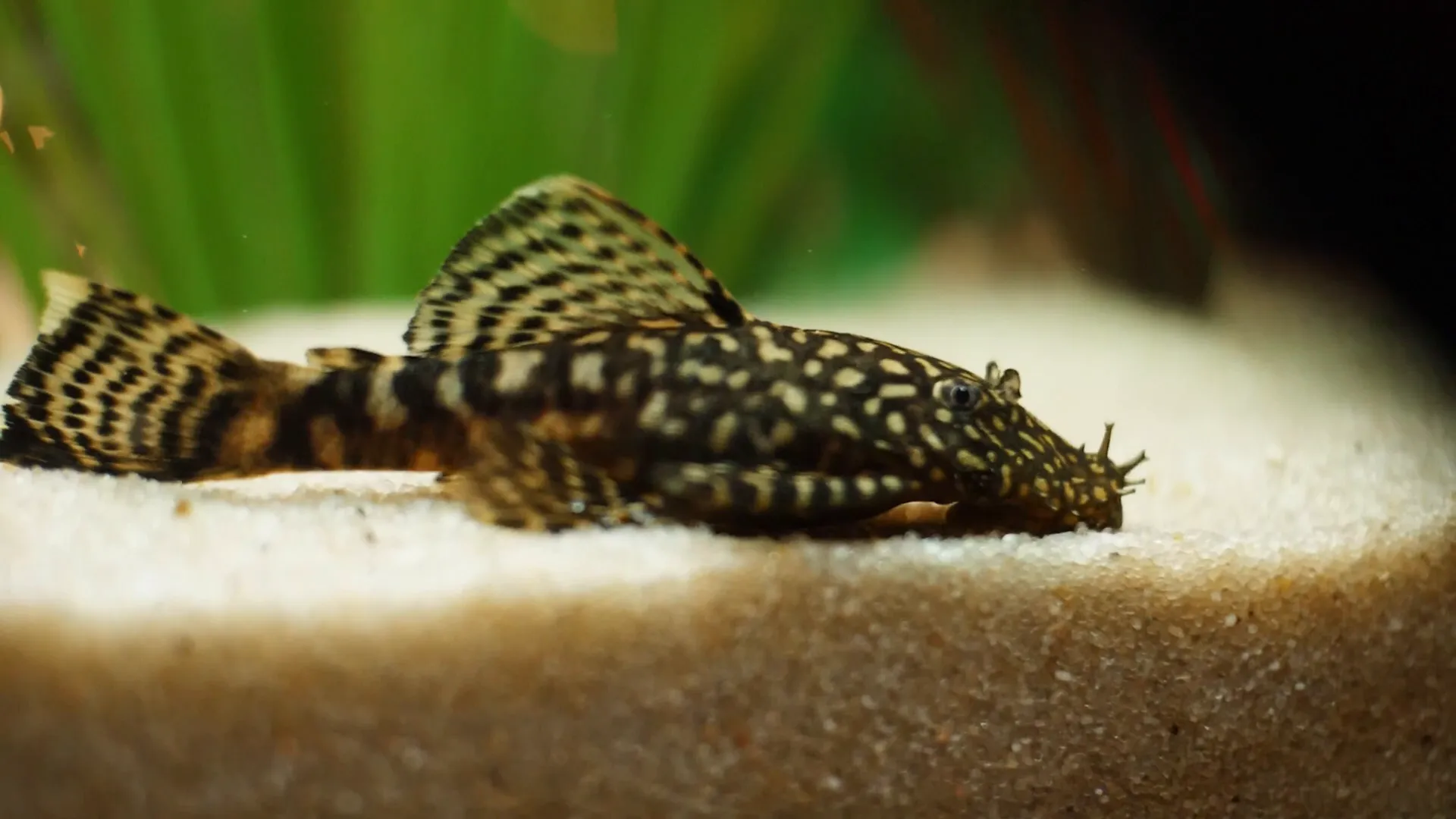
These fish typically grow to between four and six inches long, which is much smaller than some of the giant plecos you might have heard of that reach up to two feet. Because of their moderate size, managing their tank environment becomes much more feasible for beginners.
Tank Size and Set-Up Considerations
When it comes to accommodating plecos, tank size is important. For one or two plecos, a 20 to 30-gallon aquarium is sufficient. However, if you plan on keeping more than a pair, you’ll need to scale up your tank to provide ample swimming space and reduce territorial disputes.
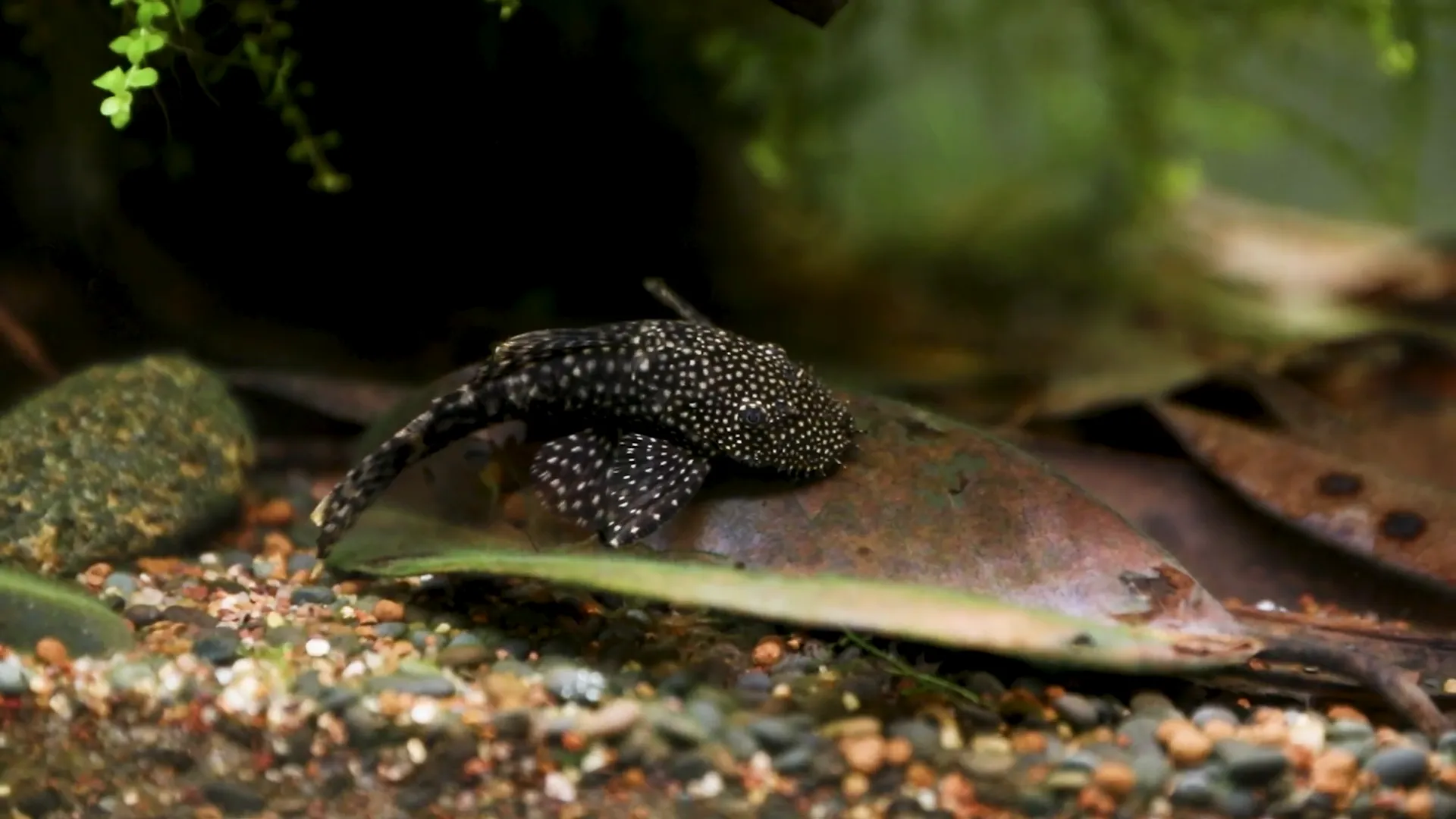
Plecos are solitary by nature—they’re not schooling fish—but they make excellent members of a community tank. Occasionally, adult plecos can become territorial, so it’s usually best to keep only one per tank or provide a larger space where they can establish their own territory without conflict.
Creating the Perfect Environment
The ideal pleco habitat includes:
- Heater: Plecos thrive in temperatures ranging from 72°F to 80°F.
- Filter: Good water flow and cleanliness are crucial, so a reliable filter is a must.
- Driftwood: Driftwood is a pleco favourite—they love to crawl on it and graze on the biofilm growing on its surface.
- Hiding Places: Rocks, caves, and other decor that provide shelter help plecos feel secure.
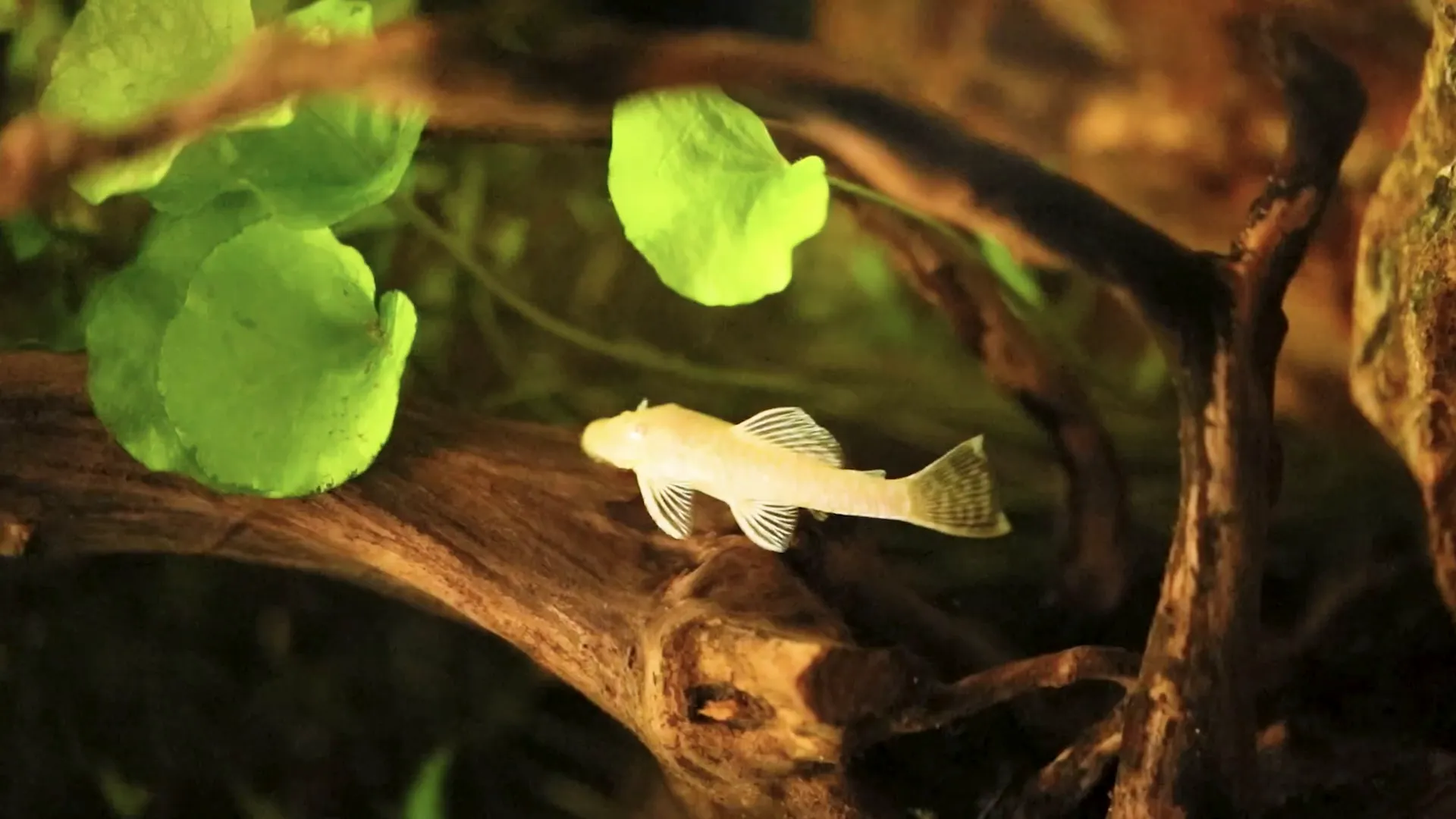
Maintaining a pH between 6 and 8 ensures a healthy environment, as plecos are quite hardy and adaptable within this range.
Personality and Tankmates
While plecos are not schooling fish, they are peaceful community members that usually keep to themselves. They tend to occupy the bottom of the aquarium, which helps reduce competition for space with more active, free-swimming species.
Suitable tankmates include:
- Tetras
- Corydoras catfish
- Various cichlids (usually with minimal aggression)
- Baby fish in breeding tanks—plecos typically ignore them as they stick to the bottom
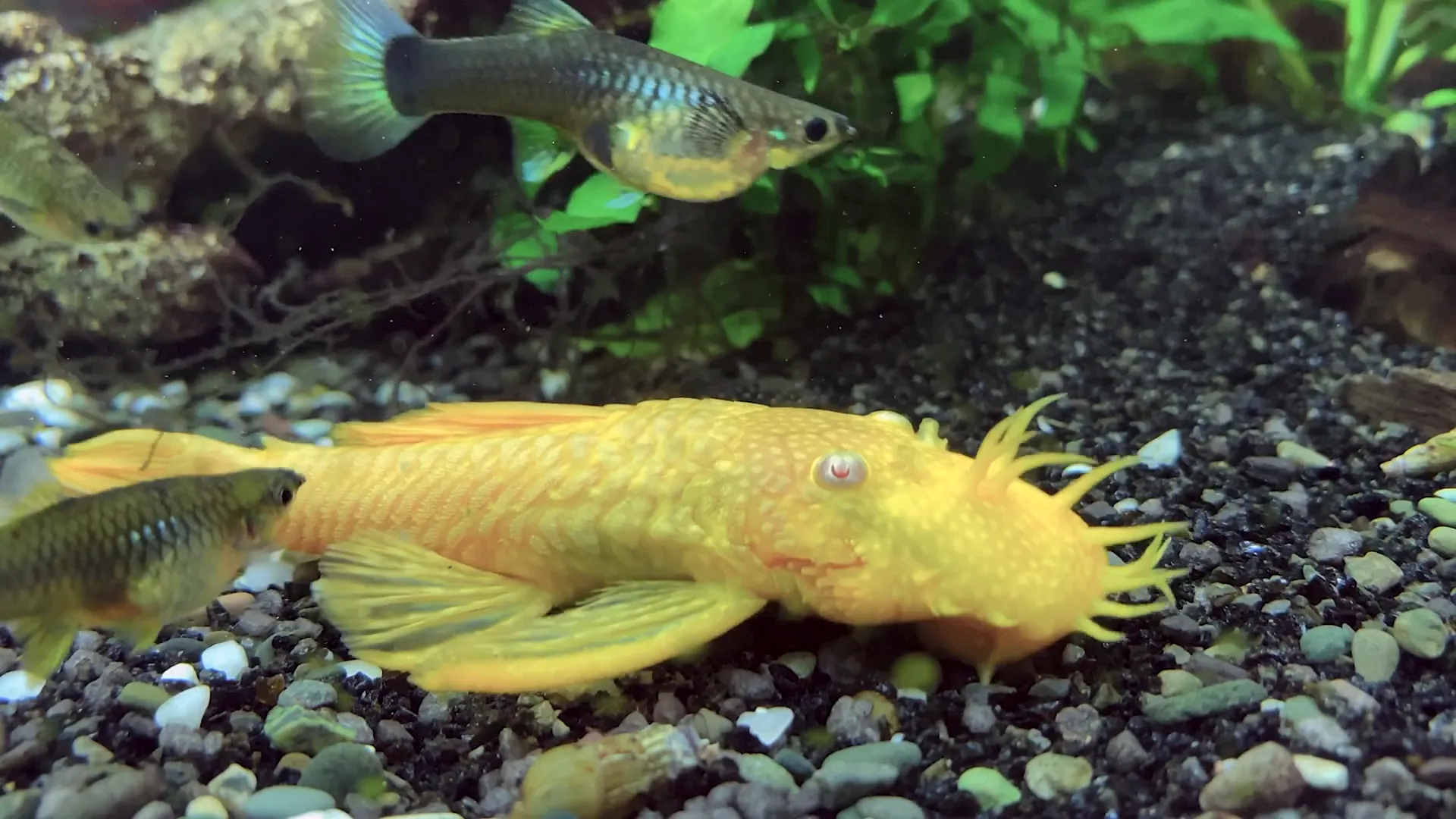
Since plecos are bottom-dwellers, they rarely interfere with mid- or top-level swimmers, making them great companions in a diverse community tank.
Feeding Your Pleco: What They Need to Thrive
Plecos require a varied diet to stay healthy. While they are famous for eating algae, relying solely on algae growth in your tank may not meet all their nutritional needs.
A balanced diet for your pleco should include:
- Algae wafers and sinking pellets
- Vegetables such as zucchini, cucumber, or peas (blanched and softened)
- Protein-rich foods, especially when breeding
- Leftover community fish food, which they will happily scavenge
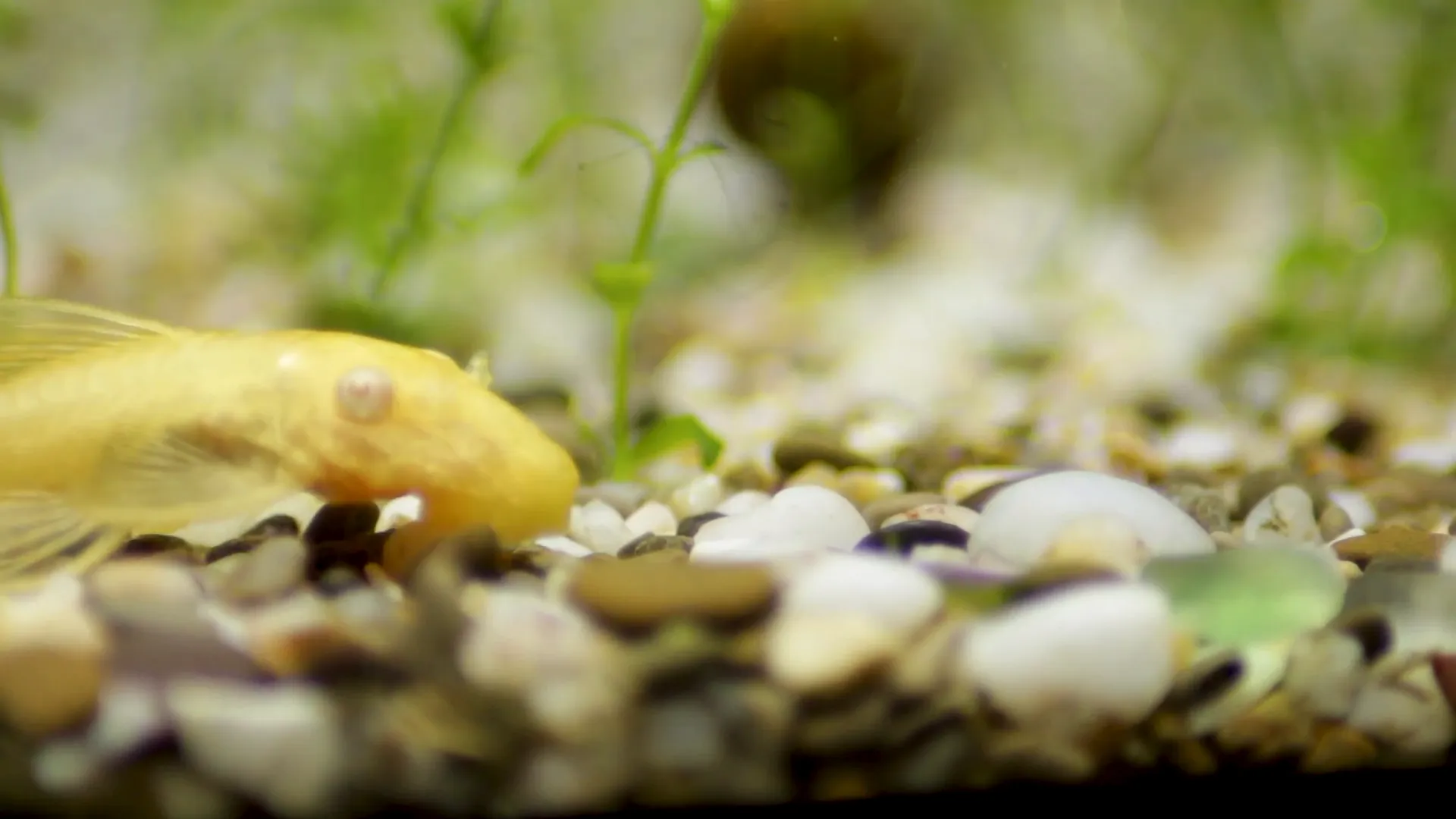
Ensuring a well-rounded diet helps prevent nutrient deficiencies and keeps your pleco’s stomach full and healthy.
Breeding Plecos: The Basics
If you’re interested in breeding plecos, it’s easier than you might think. Here’s a simple overview:
- Keep a male and female pleco together in a tank equipped with a cave or similar enclosed space.
- The female will lay her eggs inside the cave.
- The male will guard the eggs, fanning them to provide oxygen and keep them clean.
- The male will often not eat during this guarding period until the fry become free-swimming.
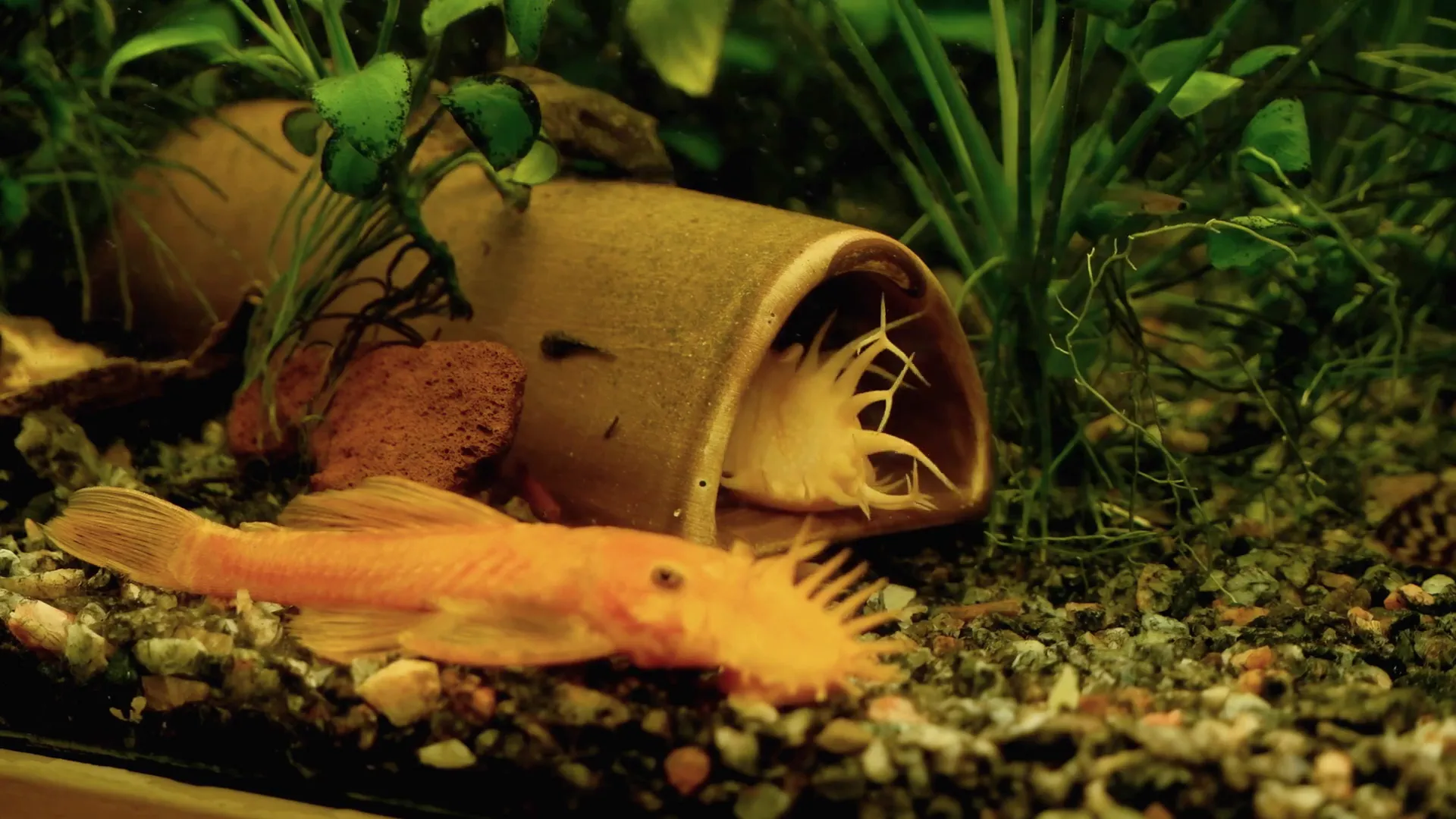
As with any breeding project, further research and preparation are essential to ensure success and healthy fry development.
Popular Pleco Varieties to Consider
While the bristlenose pleco is a classic choice, there are many varieties to explore, including:
- Super Red Pleco: Starts bright red and darkens with age, adding vibrant colour to your tank.
- Albino Longfin Pleco: Features elegant, flowing fins and a striking pale colour.
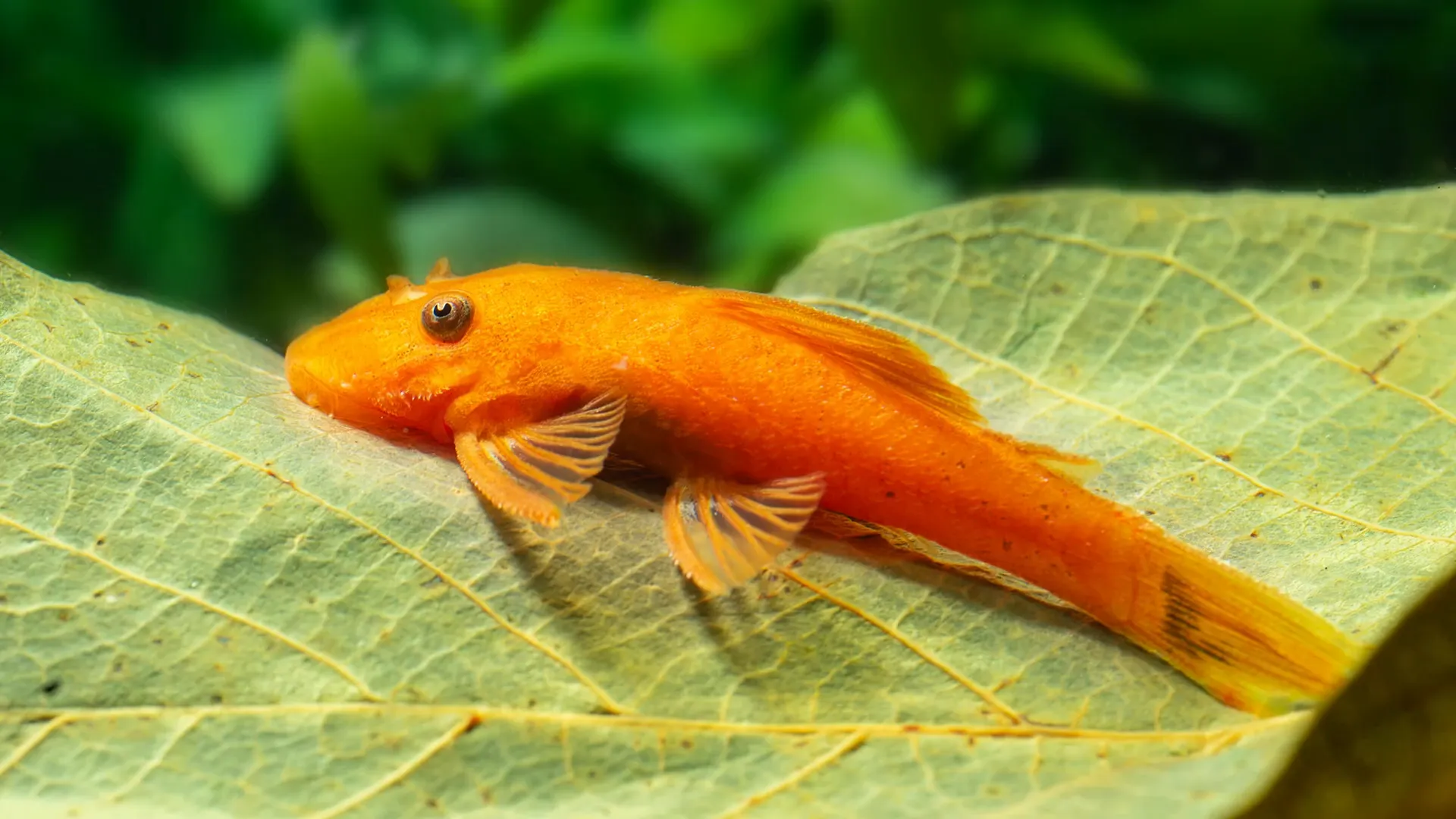
These varieties bring unique flair and personality to your aquarium while maintaining the hardy and peaceful nature plecos are known for.
Conclusion
Plecos are a fantastic addition to many freshwater aquariums, offering both personality and functional algae control. By understanding their size, personality, dietary needs, and tank requirements, you can create a thriving environment for these hardy fish. Whether you’re a beginner or a seasoned aquarist, plecos are rewarding fish to care for and even breed.
Remember, while plecos do help with algae, they won’t clean your entire aquarium alone—but they will certainly do their part in keeping it looking great!
Frequently Asked Questions about Plecos
How big do bristlenose plecos get?
Bristlenose plecos typically grow between 4 to 6 inches, which makes them a manageable size for many home aquariums.
Can I keep more than one pleco in my tank?
You can keep a pair or more plecos if you have a large enough tank. For one or two plecos, a 20 to 30-gallon tank is suitable. Larger groups require more space to avoid territorial behavior.
What water conditions do plecos prefer?
They are quite hardy and thrive in temperatures between 72°F and 80°F with a pH range of 6 to 8.
What do plecos eat?
Plecos eat algae, but they also need a varied diet including algae wafers, vegetables, and protein-rich foods, especially during breeding.
Are plecos peaceful fish?
Yes, plecos are peaceful and excellent community tank members, though males can sometimes be territorial.
Can plecos be bred at home?
Yes, breeding plecos is possible with the right setup, including a male and female pleco and a cave for egg laying and guarding.
This article was inspired from the video Beginner's Guide to Plecos | Drop a like and subscribe to show your support!