Jumping spiders are fascinating creatures, known not only for their tiny size but also for their surprising intelligence and curious behaviours. In this article, we explore the unique experience of forming a bond with a tiny spider named Earl over a two-week period. This journey reveals just how rewarding and intriguing keeping a jumping spider as a pet can be, especially when you witness their personality and capability to trust humans.
Table of Contents
- Introducing Earl: A Tiny Spider with a Big Personality
- Day One: Settling into a New Home
- Early Challenges and Small Victories
- Building Trust Through Feeding
- Molting: A Remarkable Phase in Earl’s Life
- Testing Earl’s Intelligence: The Mirror Experiment
- Final Steps: Acceptance of Food and Staying Calm
- The Meaning of Friendship with a Tiny Spider
- Frequently Asked Questions About Tiny Spiders and Jumping Spiders
Introducing Earl: A Tiny Spider with a Big Personality
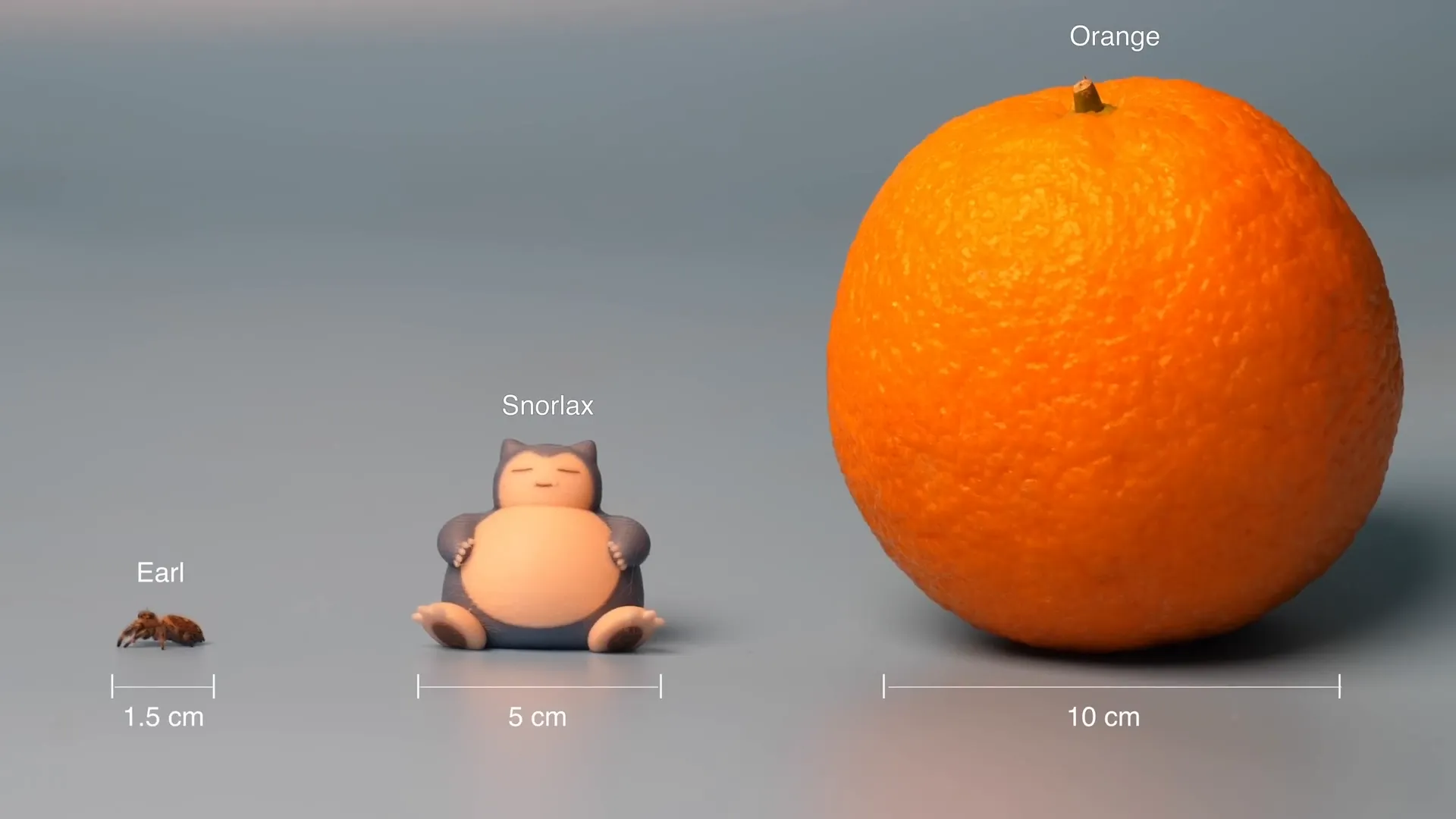
Earl is a tiny jumping spider, no bigger than the nail on a human finger, yet he boasts an incredibly adorable face and lively character. To put Earl’s size into perspective, he was photographed next to a small toy Snorlax and an orange, highlighting just how minute these spiders really are.
Despite their small stature, jumping spiders make some of the most rewarding pets. Unlike many other spiders, they don’t rely on webs to catch prey but actively hunt, displaying impressive agility and cunning. More surprisingly, it’s possible to develop a genuine bond with them, a fascinating prospect that inspired the decision to see how far this friendship could grow within fourteen days.
Day One: Settling into a New Home
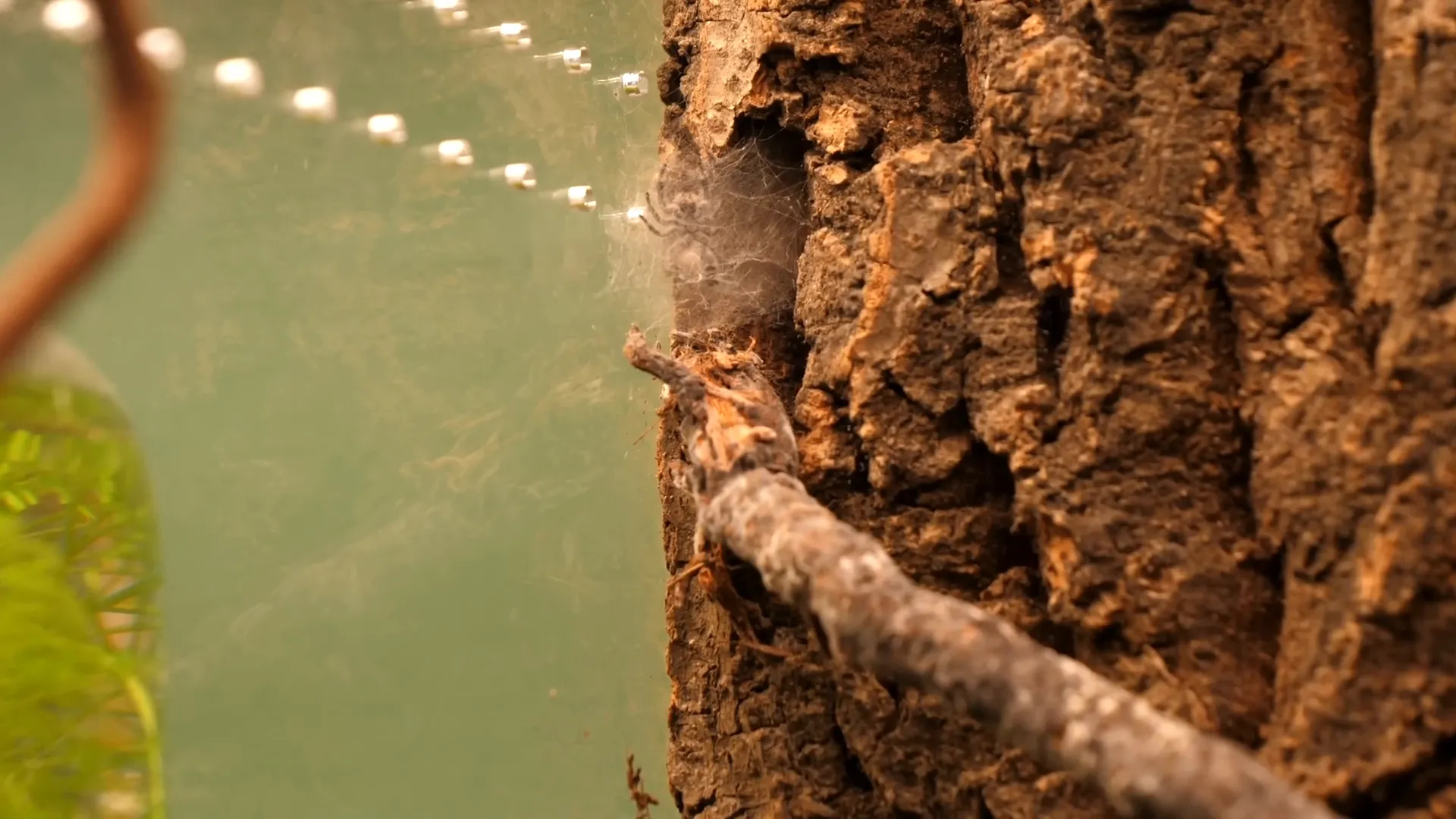
Initially, there was concern about how Earl would adapt to his new environment. But those worries were quickly dispelled when Earl entered his terrarium and began wiggling his abdomen—a behaviour that looks like a happy dance but is actually him spinning a cozy web inside his new home. This web acts as a "home within a home," providing Earl with a safe, snug retreat.
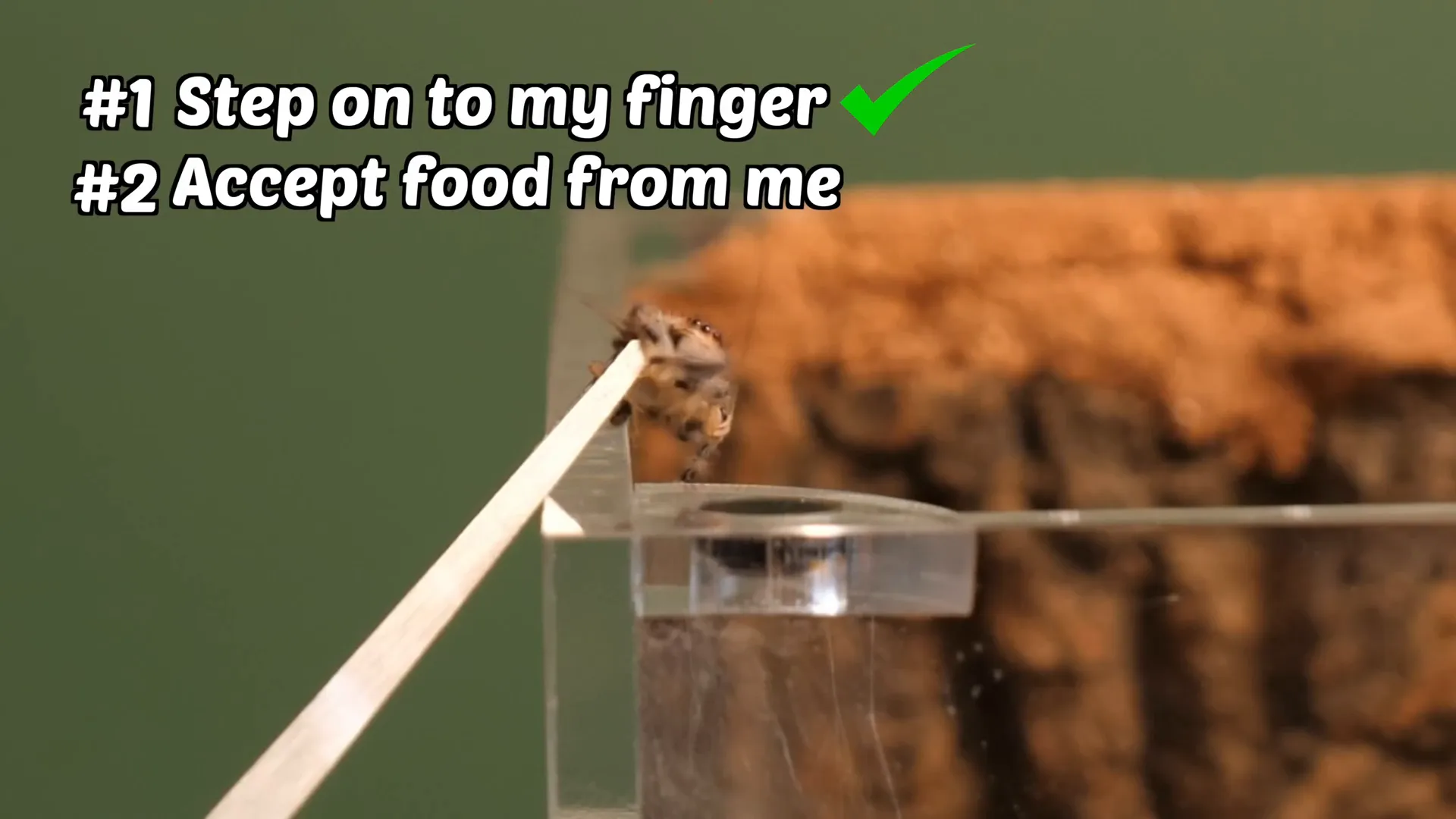
After giving Earl a few days to settle, the first real test of our bond arrived on day three, with three clear goals in mind:
- Get Earl to step onto my hand.
- Get him to stay on my hand.
- Get him to accept food directly from me.
If all three were achieved within the next two weeks, it would mean Earl and I had officially formed a connection.
Early Challenges and Small Victories
The first attempts were met with understandable caution. Earl displayed a defensive stance and was hesitant to step onto my hand, retreating and looking back with those captivating eyes. However, persistence paid off. On subsequent tries, Earl came ever closer and even briefly stepped onto my hand before quickly hopping away.
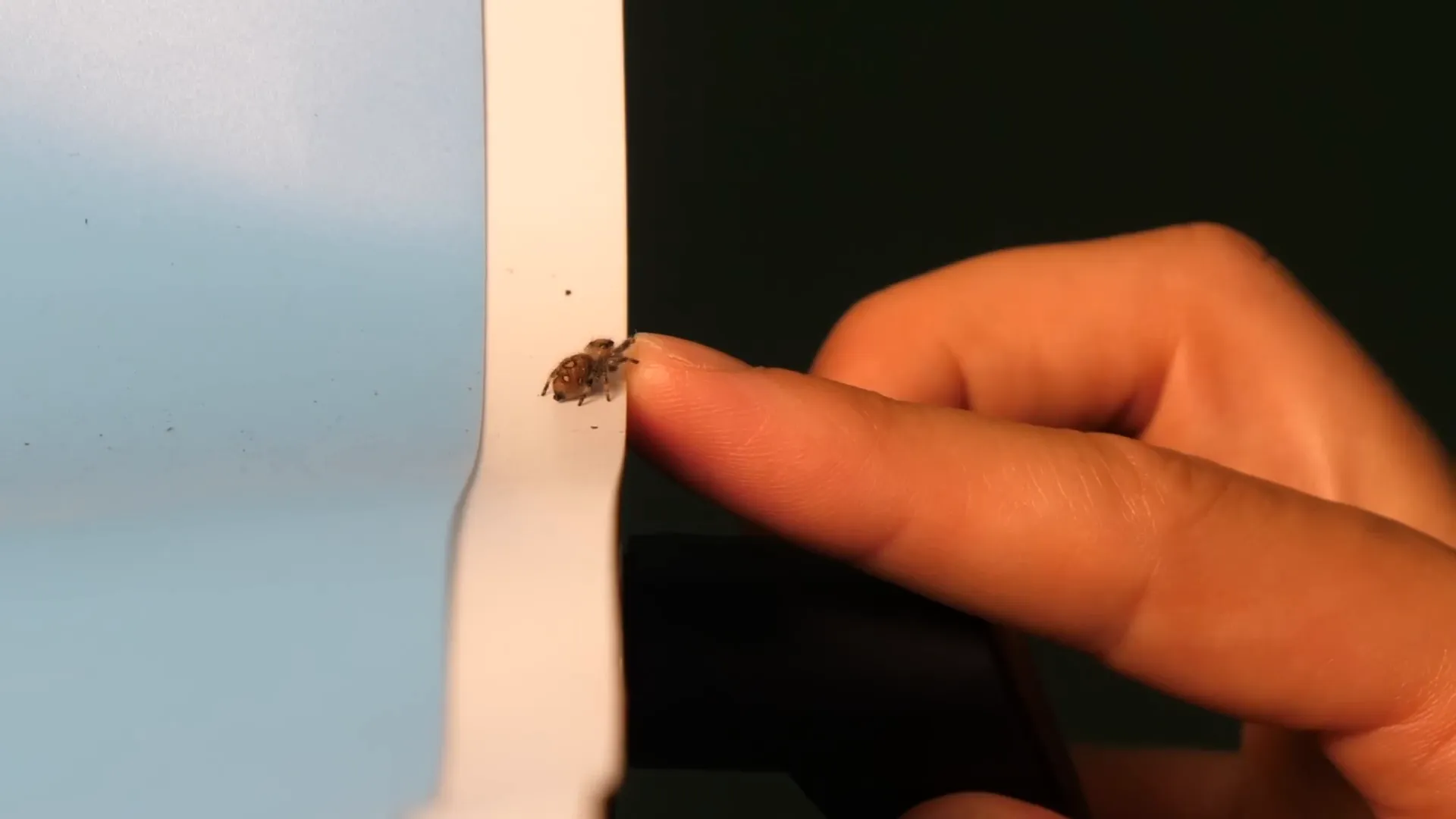
Instead of forcing him, I shifted tactics to associate myself with feeding time. Since jumping spiders hunt rather than trap prey in webs, this offered an excellent opportunity to build trust. Earl caught a fly on his own, but the real test was whether he would accept a cricket directly from my hand.
Building Trust Through Feeding
Initially, Earl seemed uninterested in taking food directly from me, but patience was key. At one point, he surprised me by stepping onto my finger, a significant milestone given our size difference—I'm roughly 190 times bigger than Earl. This moment marked the first goal achieved, proving that even tiny spiders can learn to trust a human.
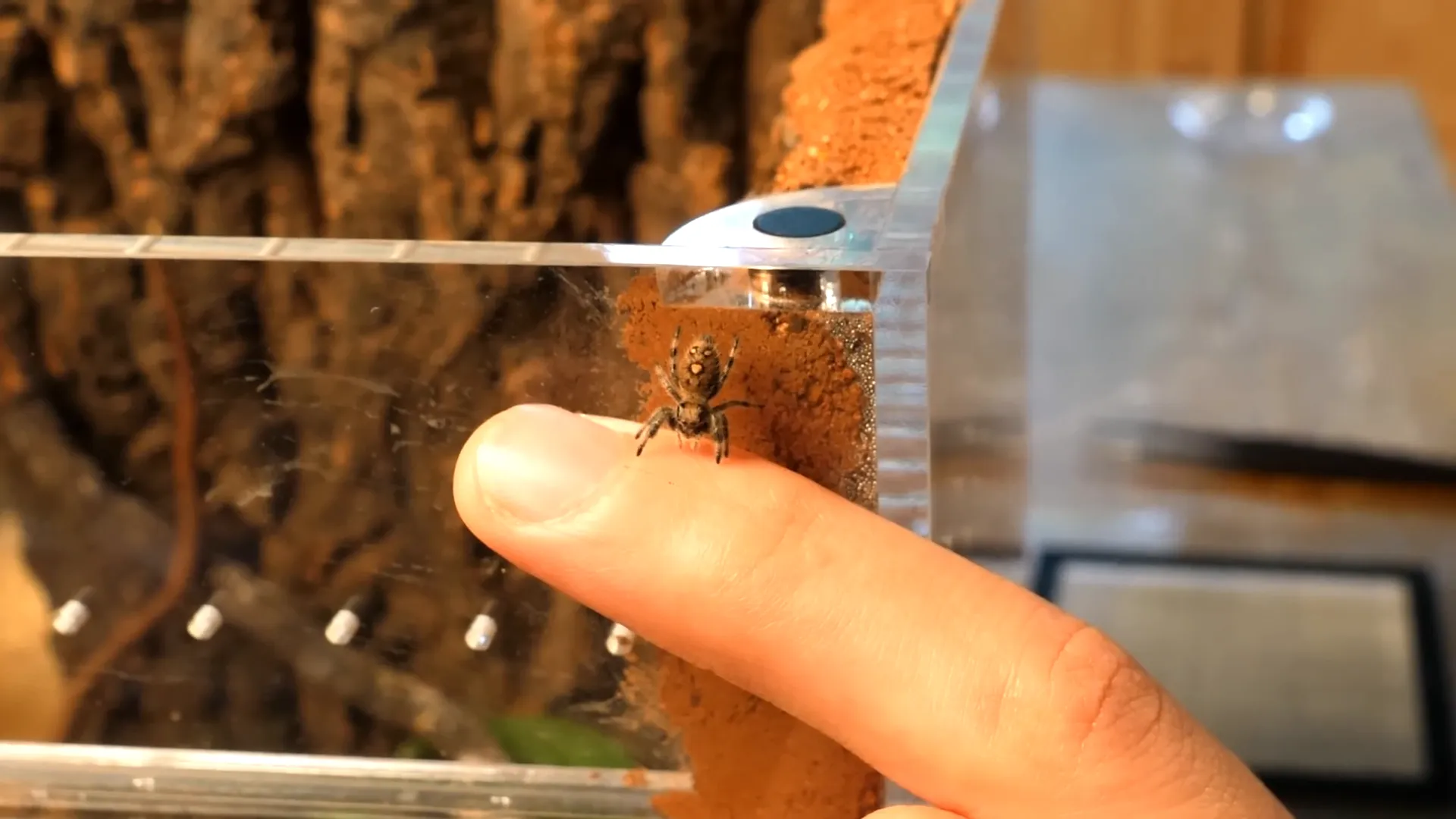
By day six, Earl was stepping onto my finger multiple times, reinforcing the growing bond between us.
Molting: A Remarkable Phase in Earl’s Life
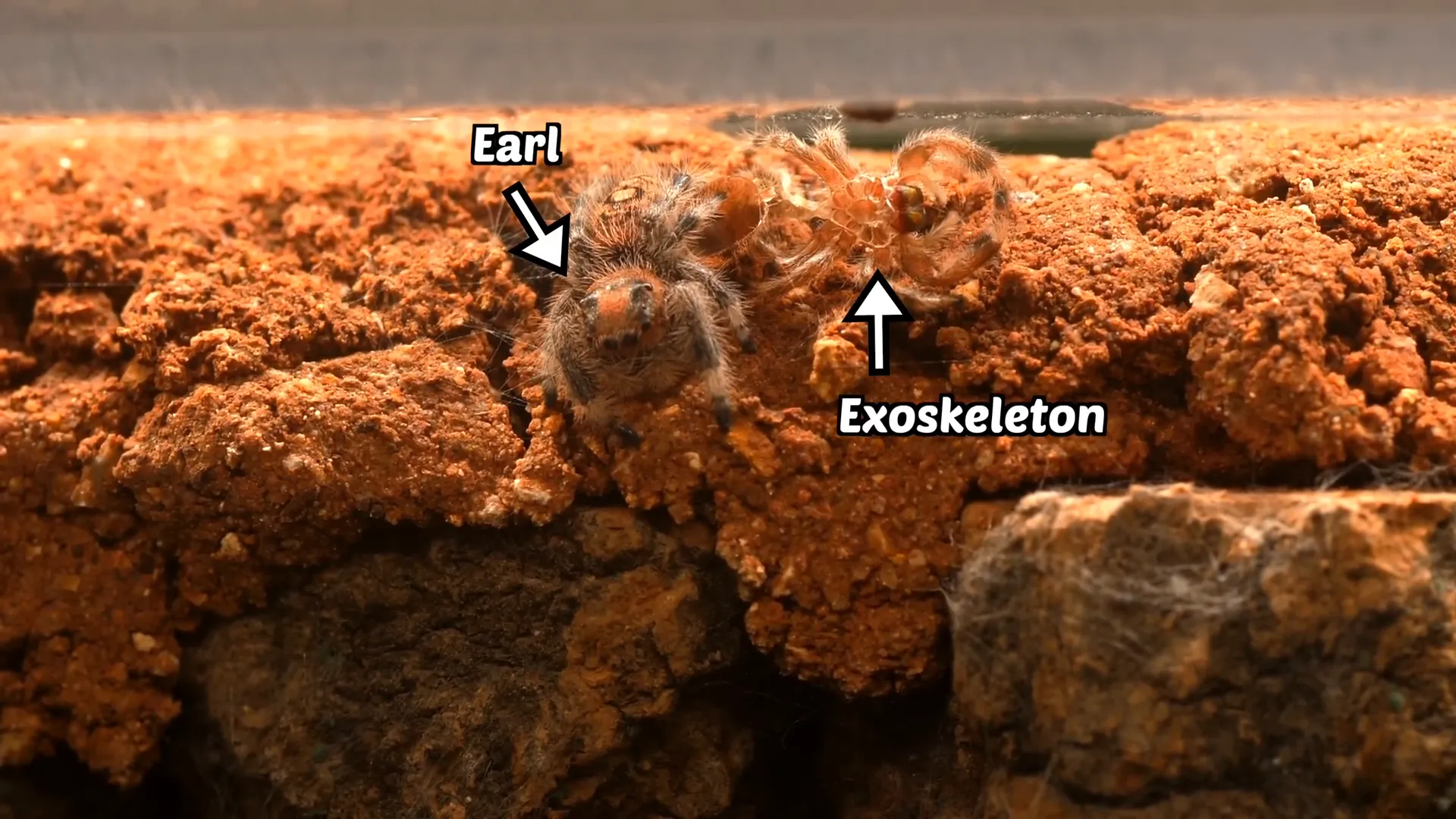
On day eight, Earl surprised me with a molting event—a fascinating process where he shed his old exoskeleton to grow. Jumping spiders stop eating and retreat to their webs during this vulnerable phase. Finding his discarded exoskeleton in the terrarium was evidence that Earl was growing and thriving. After molting, he spent time grooming himself and needed a few days alone to allow his new exoskeleton to harden.
Testing Earl’s Intelligence: The Mirror Experiment
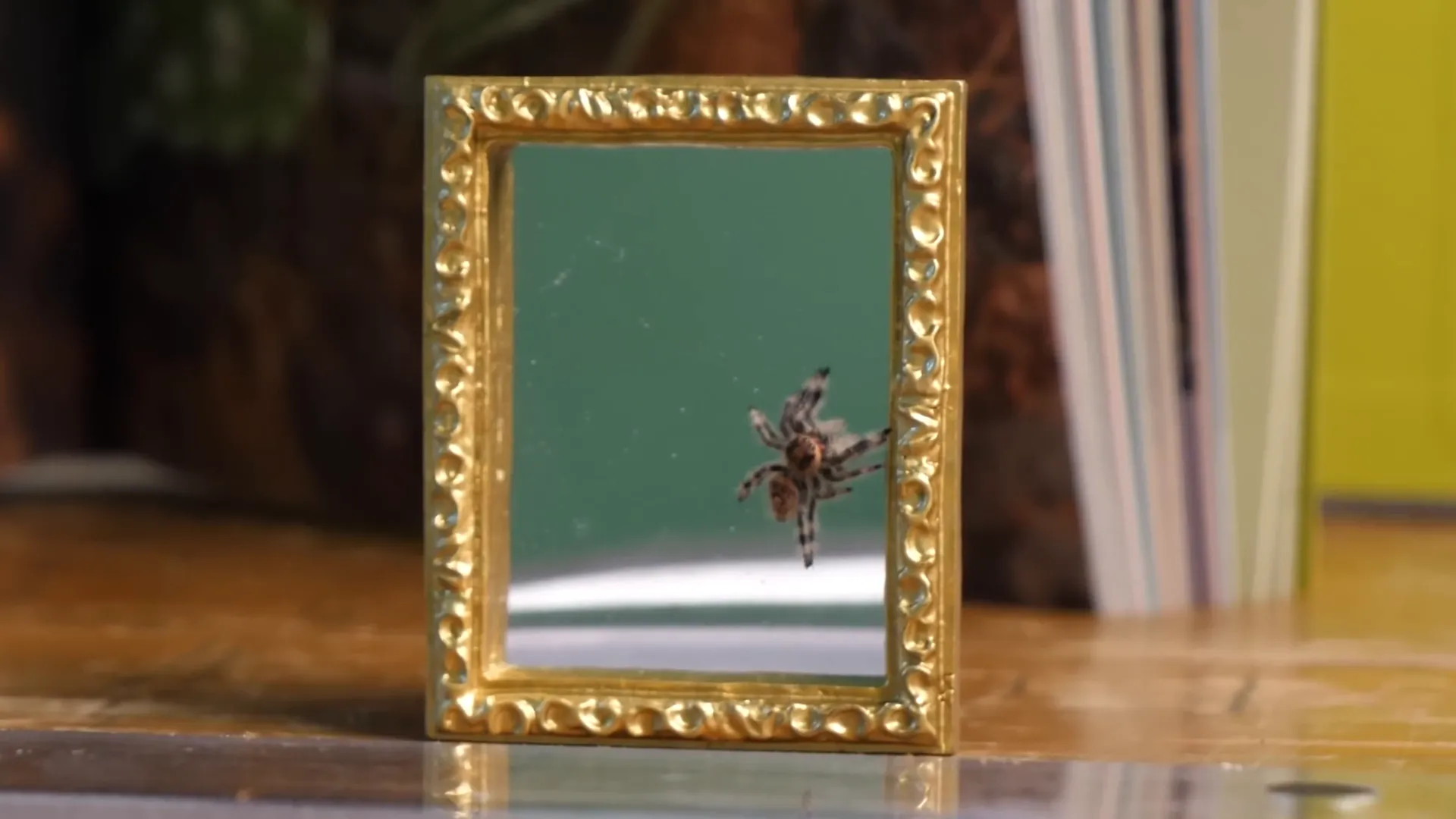
Jumping spiders are known for their intelligence and problem-solving abilities, but they do not tend to live in groups. Curious about Earl’s self-awareness, I introduced a mirror to see his reaction. For a brief moment, Earl seemed confused but neither scared nor aggressive, suggesting he recognized the reflection was not another spider. This behaviour highlights the cognitive capabilities of these tiny creatures.
Final Steps: Acceptance of Food and Staying Calm
With two goals remaining—to accept food directly from me and to sit calmly on my hand—I continued encouraging Earl. While he initially showed disinterest, he eventually took a cricket directly from my hand on day fourteen, marking a huge breakthrough.
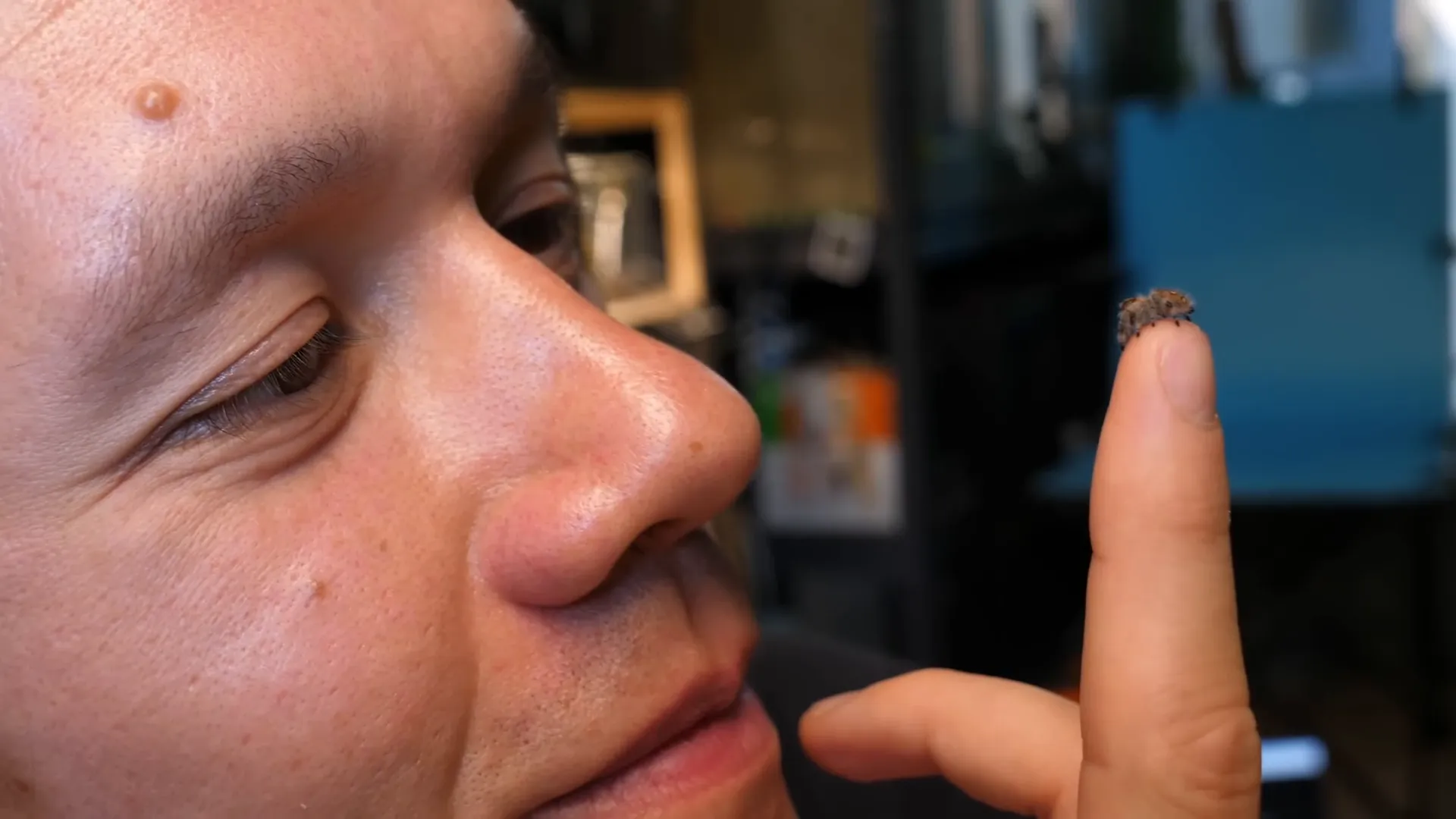
After a satisfying meal that visibly swelled his abdomen, the ultimate goal was to have Earl calmly stay on me. At first, he was hesitant, moving away and hopping off quickly. But with patience, Earl climbed back and spent ten calm minutes on my hands—the moment that completed our bonding journey.
The Meaning of Friendship with a Tiny Spider
While spiders may not experience emotions like mammals, their intelligence and ability to learn are undeniable. Earl, named after a character from the classic Sega Mega Drive game, has come a long way in trusting me since day one. Although jumping spiders have relatively short lifespans of up to three years, the friendship we’ve built will last for the rest of his life.
For anyone interested in keeping jumping spiders or other small terrarium animals, this journey with Earl shows that even the tiniest creatures can form meaningful connections with their caretakers.
Frequently Asked Questions About Tiny Spiders and Jumping Spiders
Can you really form a bond with a jumping spider?
Yes, jumping spiders can learn to trust their owners, especially when associated with feeding and gentle handling. While their emotional capacity differs from mammals, they recognize humans and can show signs of comfort and acceptance.
How big are jumping spiders like Earl?
Jumping spiders are very small, often no bigger than the nail on a human finger. Earl, for instance, is tiny enough to fit comfortably on a fingertip and next to small objects like a toy Snorlax or an orange.
Do jumping spiders spin webs?
Unlike many spiders, jumping spiders don’t use webs to catch prey. Instead, they actively hunt and pounce on their food. However, they do spin silk to create cozy nests or retreats within their enclosures.
What is molting in spiders?
Molting is when a spider sheds its old exoskeleton to grow larger. During this vulnerable time, spiders stop eating and retreat to a safe spot until their new exoskeleton hardens.
How long do jumping spiders live?
Jumping spiders typically have a short lifespan, usually up to three years. Despite their brief life, they can form bonds and display fascinating behaviours during this time.
This article was inspired from the video The Process of Making Friends With a Tiny Spider | Drop a like and subscribe to show your support!