The Jecod DMP Wavemaker, specifically the DMP-40 model, has been making waves in the aquarium community as a budget-friendly alternative to the highly regarded Vortech MP-40 powerhead. As a reef enthusiast and long-time user of the original Vortech MP-40, I decided to get my hands on the Jecod DMP-40 to see how it stacks up in terms of build quality, design, and overall value. This article walks you through a comprehensive unboxing, my initial impressions, and a detailed comparison between these two popular wavemakers to help you decide if the Jecod DMP Wavemaker is right for your aquarium setup.
Table of Contents
- Unboxing the Jecod DMP-40: First Look at the Packaging
- Included Documentation and Quality Control
- The Wet Side Assembly: Inside Your Aquarium
- Power Supply and Cable Quality
- The Dry Side Assembly: The Brains of the Wavemaker
- Additional Accessories: Cable Management and Control Box
- First Impressions Summary: Is the Jecod DMP Wavemaker Worth It?
- Frequently Asked Questions (FAQ)
- Final Thoughts
Unboxing the Jecod DMP-40: First Look at the Packaging
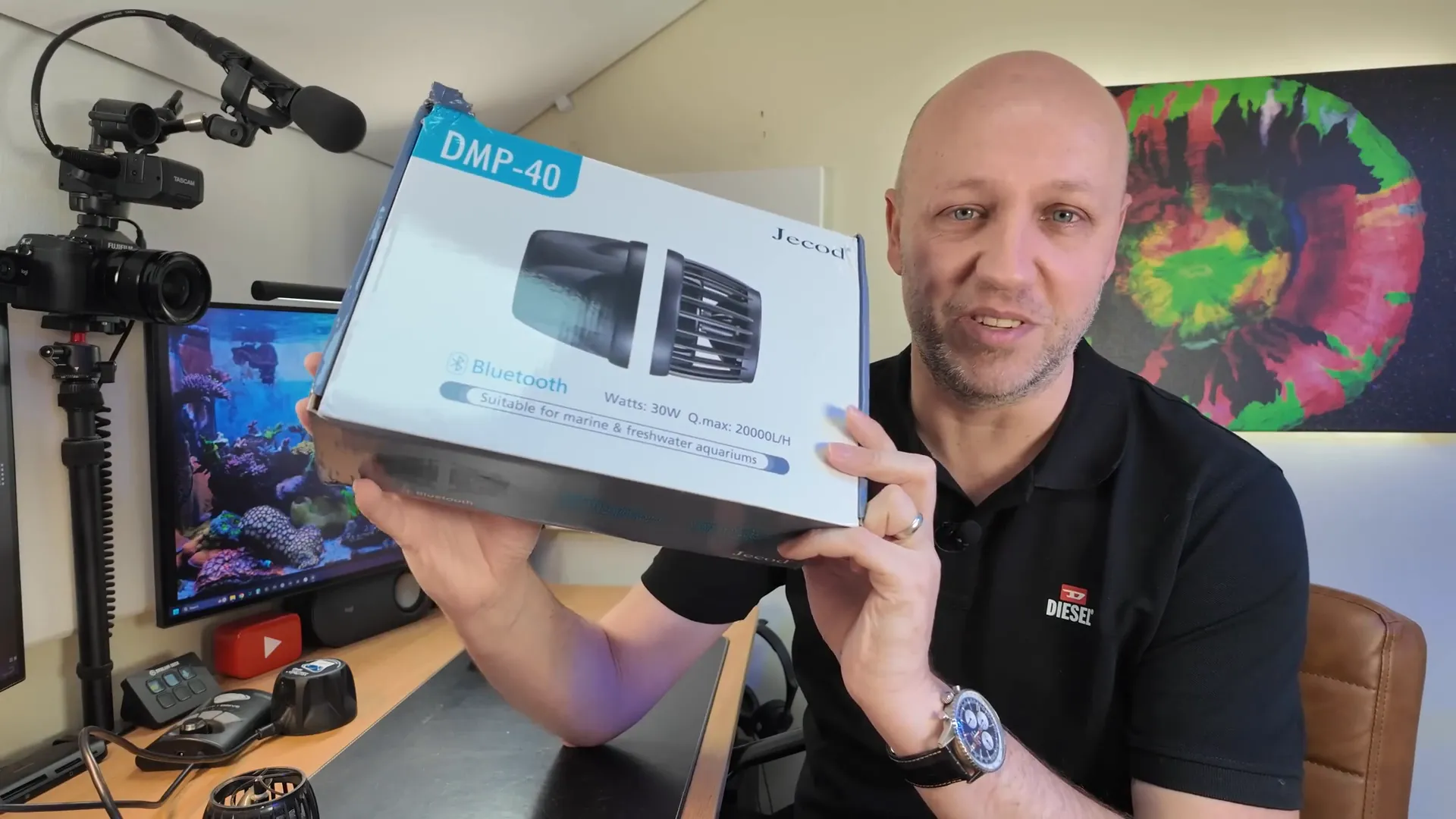
The Jecod DMP-40 arrives in a glossy white cardboard box—a packaging style that's quite popular these days. However, the box itself feels a bit cheap compared to the sturdier packaging from more premium brands. Having ordered mine from AliExpress, the box was somewhat battered and had a rip on the corner, even letting daylight through. Despite the rough shipping condition, the pump inside was well protected by bubble wrap, and everything arrived intact.
While packaging isn't a dealbreaker, it's the first indication that the Jecod DMP Wavemaker aims to be an affordable alternative rather than a premium product. The box’s wear and tear is a small price to pay if the product inside performs well.
Included Documentation and Quality Control
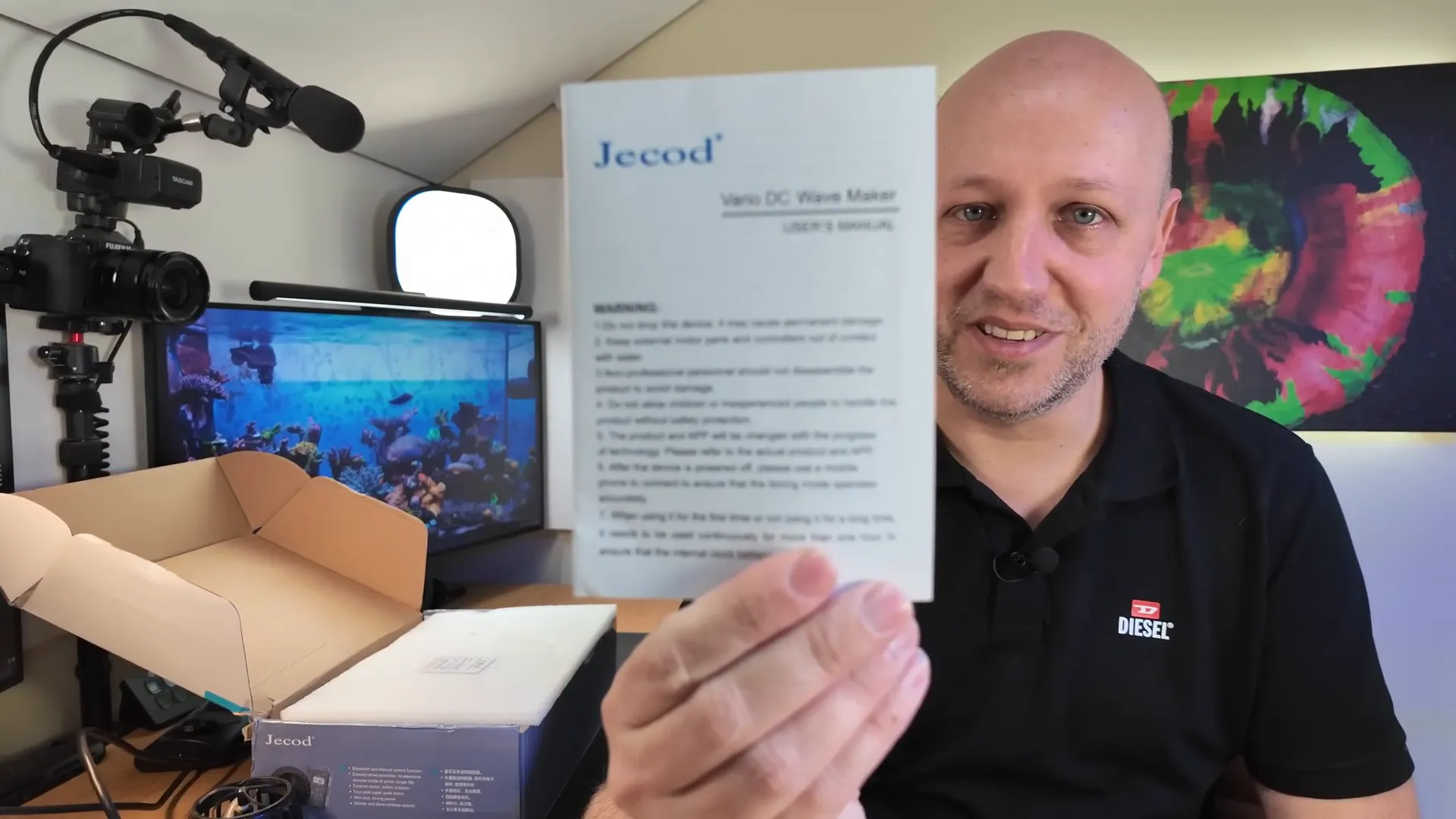
Inside the box, you’ll find a user manual and a certificate of quality control. The user manual is surprisingly detailed, covering flow patterns and tips on how to operate the wavemaker effectively. I usually skim manuals, but this one is worth a thorough read to understand the product better.
The quality control card is dated 10th October 2024, which is just a few weeks before I received mine in early November 2024. This suggests the unit was freshly manufactured and not sitting in a warehouse for long—a reassuring sign of product freshness.
The Wet Side Assembly: Inside Your Aquarium
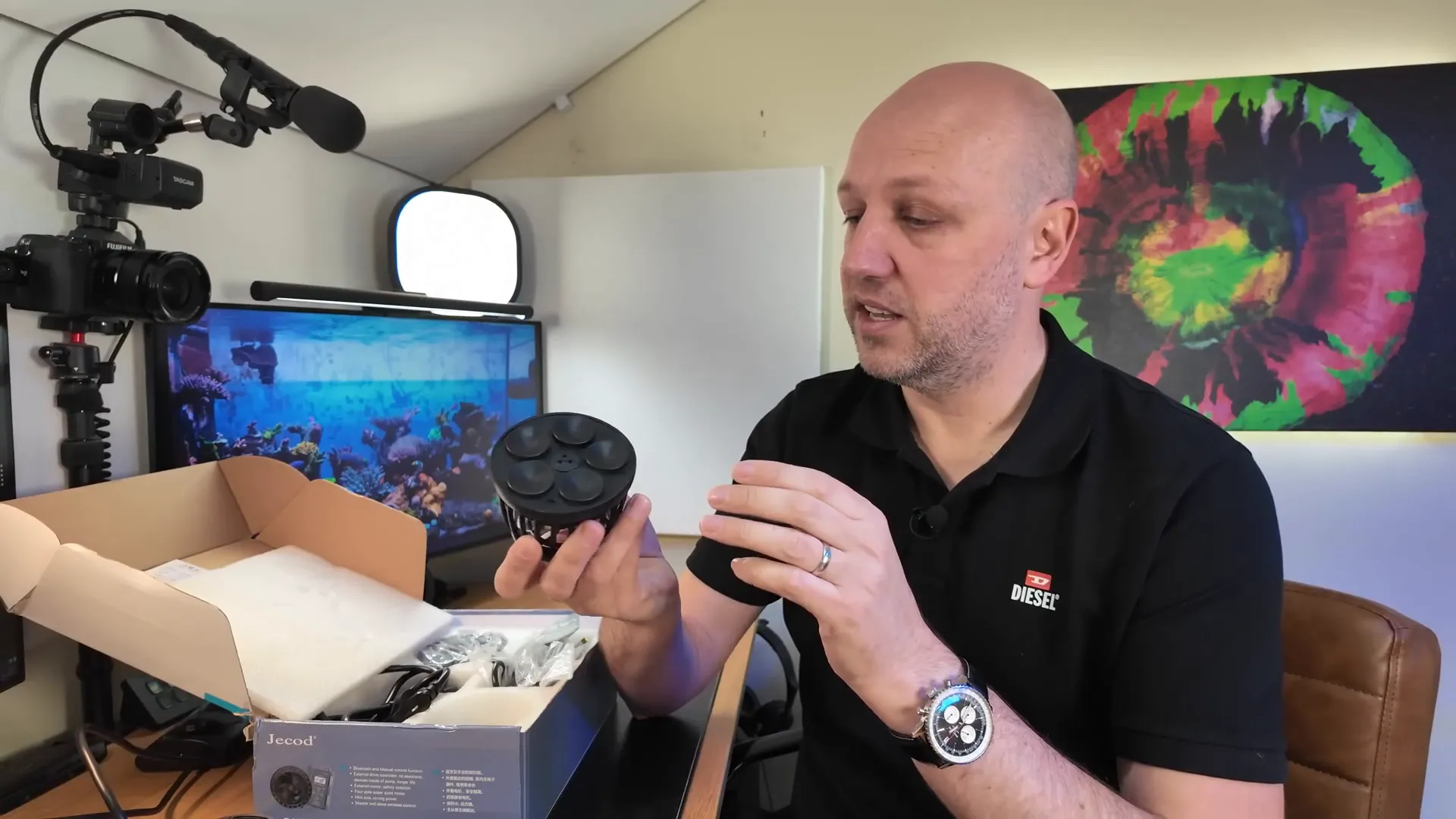
The wet side is the part of the wavemaker that goes inside your aquarium. This is where the Jecod DMP-40 differs noticeably from the Vortech MP-40. The Jecod comes equipped with small suction cups designed to attach to your aquarium glass. While the MP-40 can handle aquarium glass up to 90mm thick by using different gaskets, the Jecod DMP-40 is rated only for glass up to 21mm thick.
These suction cups might be the reason for the glass thickness limitation. They look a bit clunky and cheap, and admittedly, I’m not a fan of their appearance. However, since they are placed against the glass, they won’t be very visible once installed. The suction cups could potentially improve grip compared to the MP-40, which sometimes feels a bit precarious on my 19mm thick glass tank. So, there might be a practical upside here.
Unlike the MP-40, which comes with various sized gaskets to accommodate different glass thicknesses, the Jecod’s wet side uses a one-size-fits-all suction cup approach. I’m curious to see how this impacts performance and stability over time, but initial impressions suggest it might offer a sturdier grip.
Removing the Cage and Comparing Designs
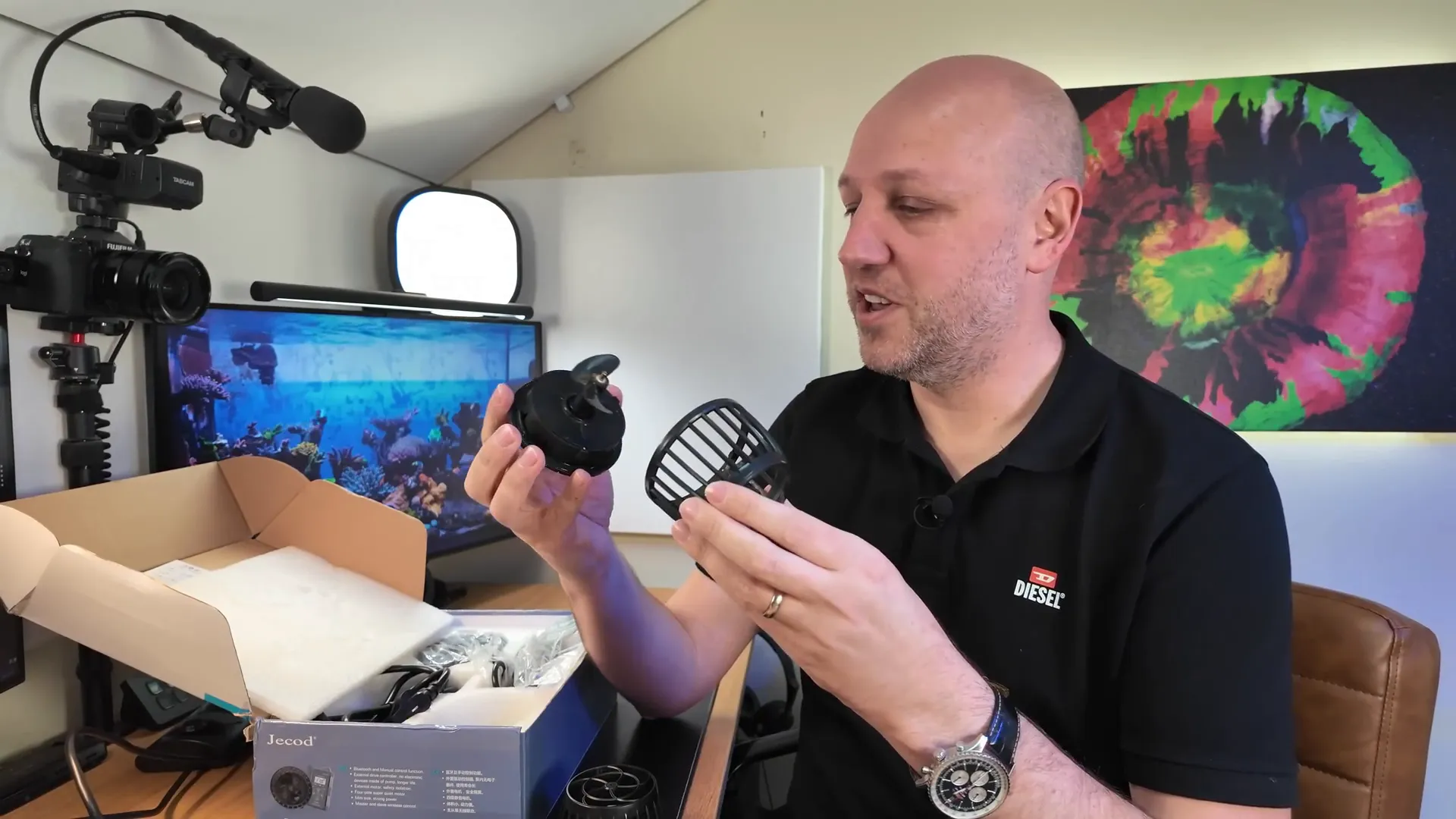
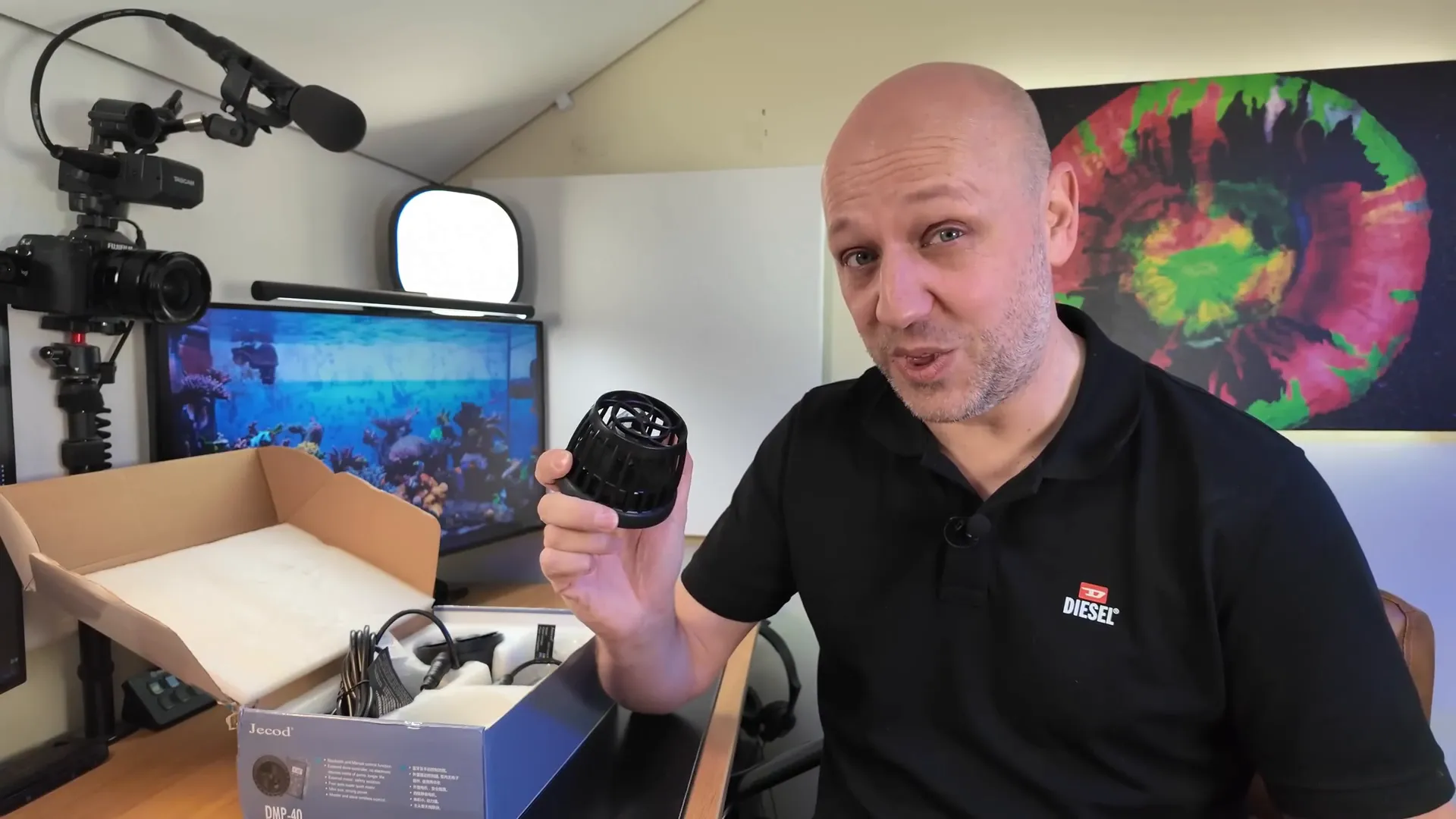
Removing the cage on the Jecod DMP-40 is straightforward—twist it anti-clockwise to unlock. This is the opposite direction from the MP-40, which can be confusing at first. The cage on the Jecod comes off quite easily, which I appreciate, especially since my MP-40 has developed some stiffness over years of use.
When comparing the cages side-by-side, the Jecod cage has thicker grid lines than the MP-40, which might slightly reduce water flow. The plastic on the Jecod feels cheaper and less refined, but these are marginal differences. One design feature I dislike on the Jecod cage is a central ring that the MP-40 lacks. This makes manually spinning the propeller to restart it a bit fiddly, requiring cage removal if the impeller stops.
Wet Side Build Quality and Maintenance
The Jecod’s wet side plastic feels somewhat flimsy and cheap compared to the MP-40, which uses a sturdier build. Additionally, the MP-40 wet side can be partially disassembled to remove the magnet for cleaning or inspection—a handy feature since magnets can rust over time. With the Jecod, I was unable to find a way to disassemble the wet side further, which could make maintenance more challenging.
Another difference is that the Jecod’s wet side assembly can slide and tilt slightly when the cage is off, giving a looser feel. The MP-40 sits flush and solid, reflecting a more refined design. However, when the cage is on, this looseness is mitigated on the Jecod.

Power Supply and Cable Quality
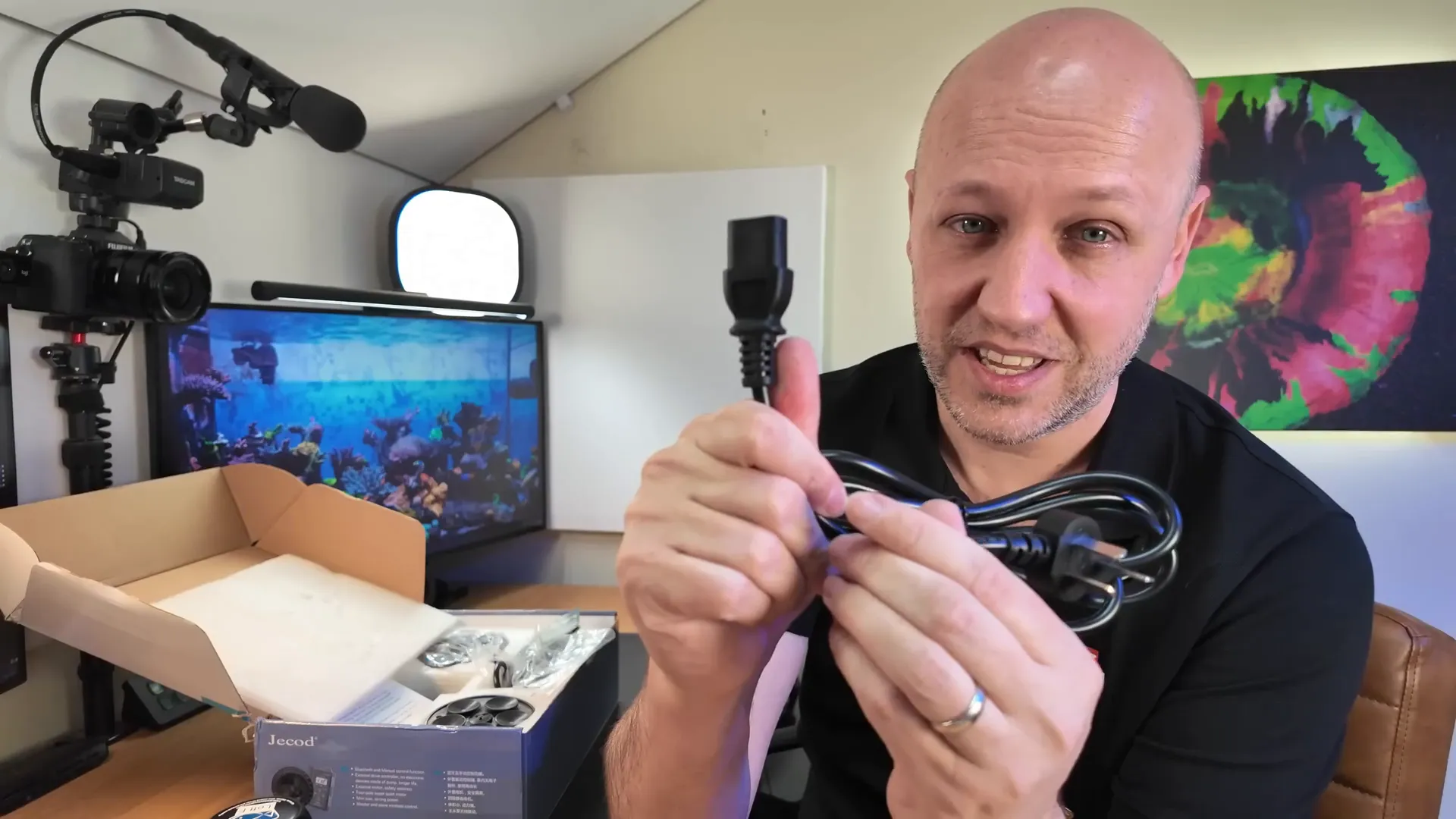
The Jecod DMP-40 power supply cable is the usual thick type with a kettle plug shape on one end and a three-pin plug on the other. Mine came with a US-style plug adapter that feels extremely cheap and flimsy. Although it likely meets safety standards, I’m planning to discard it and use my own more reliable UK three-pin cable, which is easy to source online for just a couple of pounds.
The actual power brick is manufactured by GVE, a brand known in the aquarium hobby but not as reputable as the EcoTech power supplies used by Vortech. While GVE supplies have generally been reliable in my experience, they are probably a cost-cutting measure here. This means the Jecod power supply is likely less reliable over the long term compared to the MP-40’s.
The Dry Side Assembly: The Brains of the Wavemaker
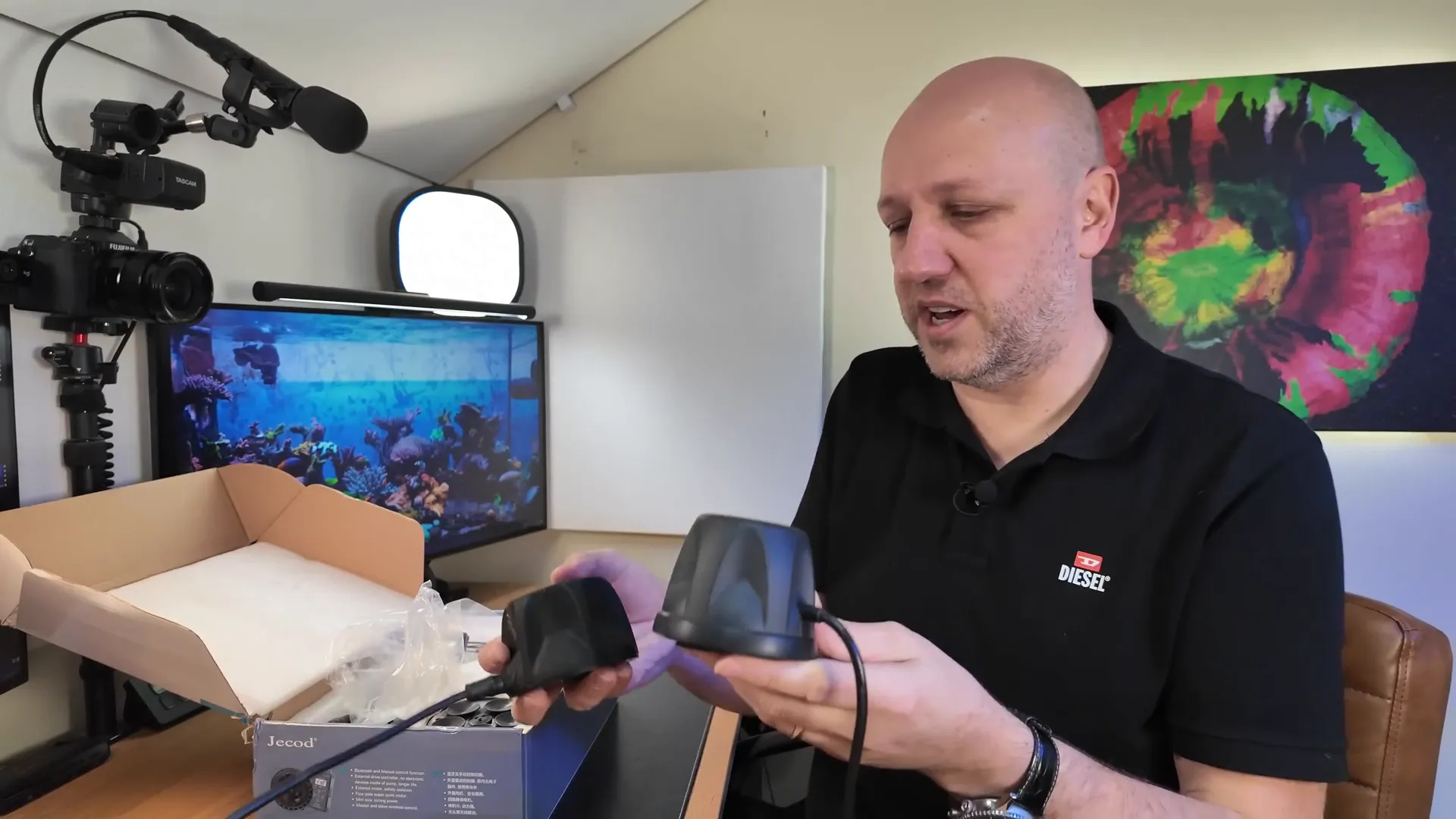
The dry side houses the motor and electronic components. It is surprisingly heavy—comparable in weight to the MP-40’s dry side. However, it is noticeably taller and bulkier, which might be a consideration for smaller tanks where aesthetics and space matter.
This section also has suction cups on the back to attach to the outside of the aquarium glass. These appear to be glued on and not removable. The design is similar but not identical to the MP-40, and while it looks a bit bulkier, it’s not excessively so.
The cable points upwards, matching the intended upright mounting orientation, which is consistent with the MP-40 design. Overall, the dry side looks functional and solid enough for its purpose.
Additional Accessories: Cable Management and Control Box
The Jecod package includes small cable tie clips that stick to your tank, helping you keep the power cable tidy—just like the MP-40 includes. This is a nice touch that helps with aquarium aesthetics and safety.
Control Box Build Quality and Features
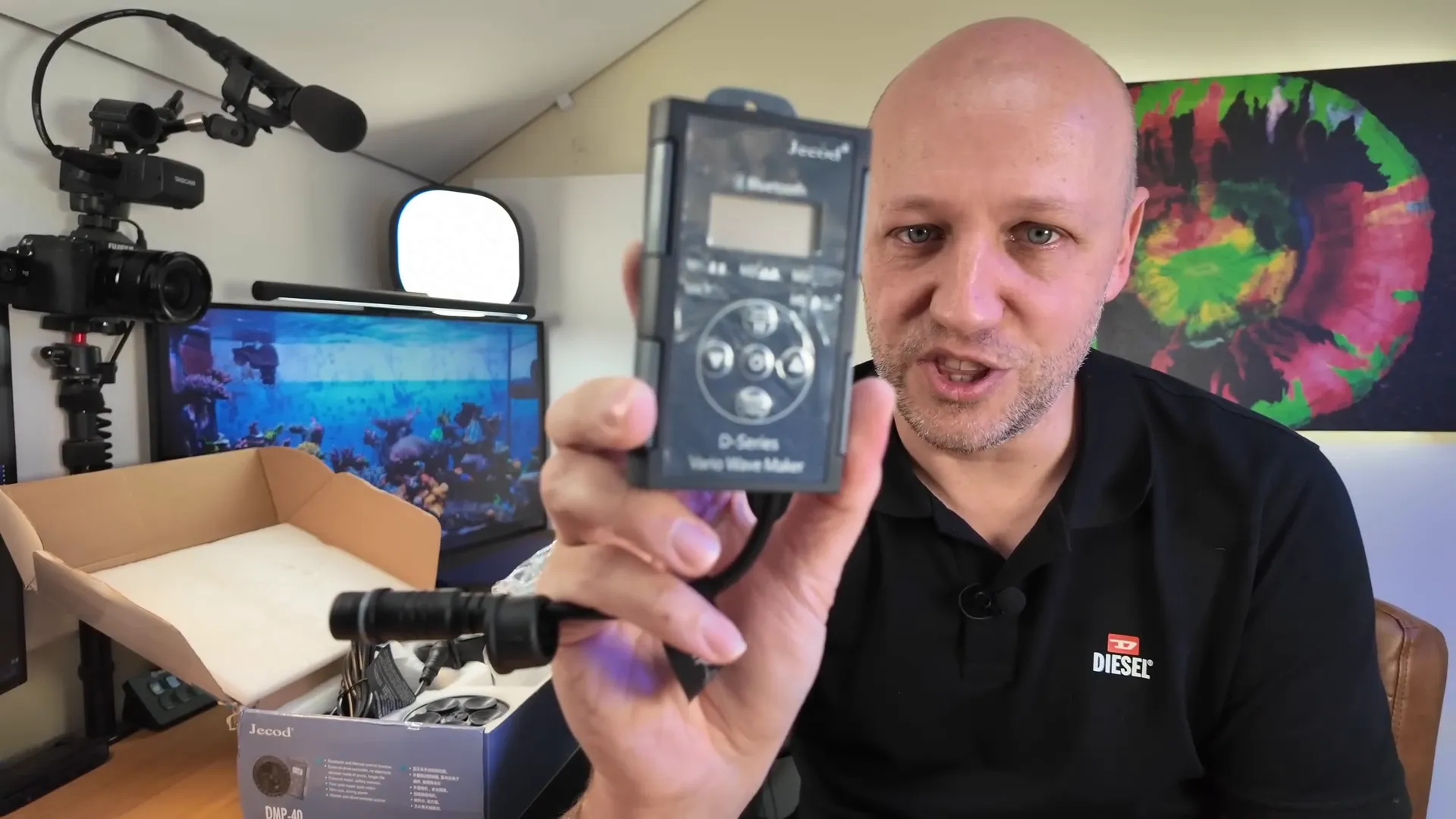
The control box is where the Jecod DMP Wavemaker shows its budget roots most clearly. The included wall mounting bracket is flimsy, lacks screw holes, and comes with no adhesive or Velcro. This means you need to provide your own mounting solution, which feels cheap and inconvenient.
The control box itself feels lightweight and less robust compared to the MP-40’s. The MP-40 control box features a solid dial for speed control and rubberized buttons that feel splash-proof. The Jecod’s buttons and mode selectors look basic and less durable, though this part is less critical since it’s not handled frequently after setup.
The Jecod control box includes buttons for mode selection (pulse, wave, random modes), a pause button, intensity up/down, a power button, and a feed mode button that presumably shuts off the pump temporarily—usually for about ten minutes.
Limitations: No Battery Backup or 0-10V Connectivity
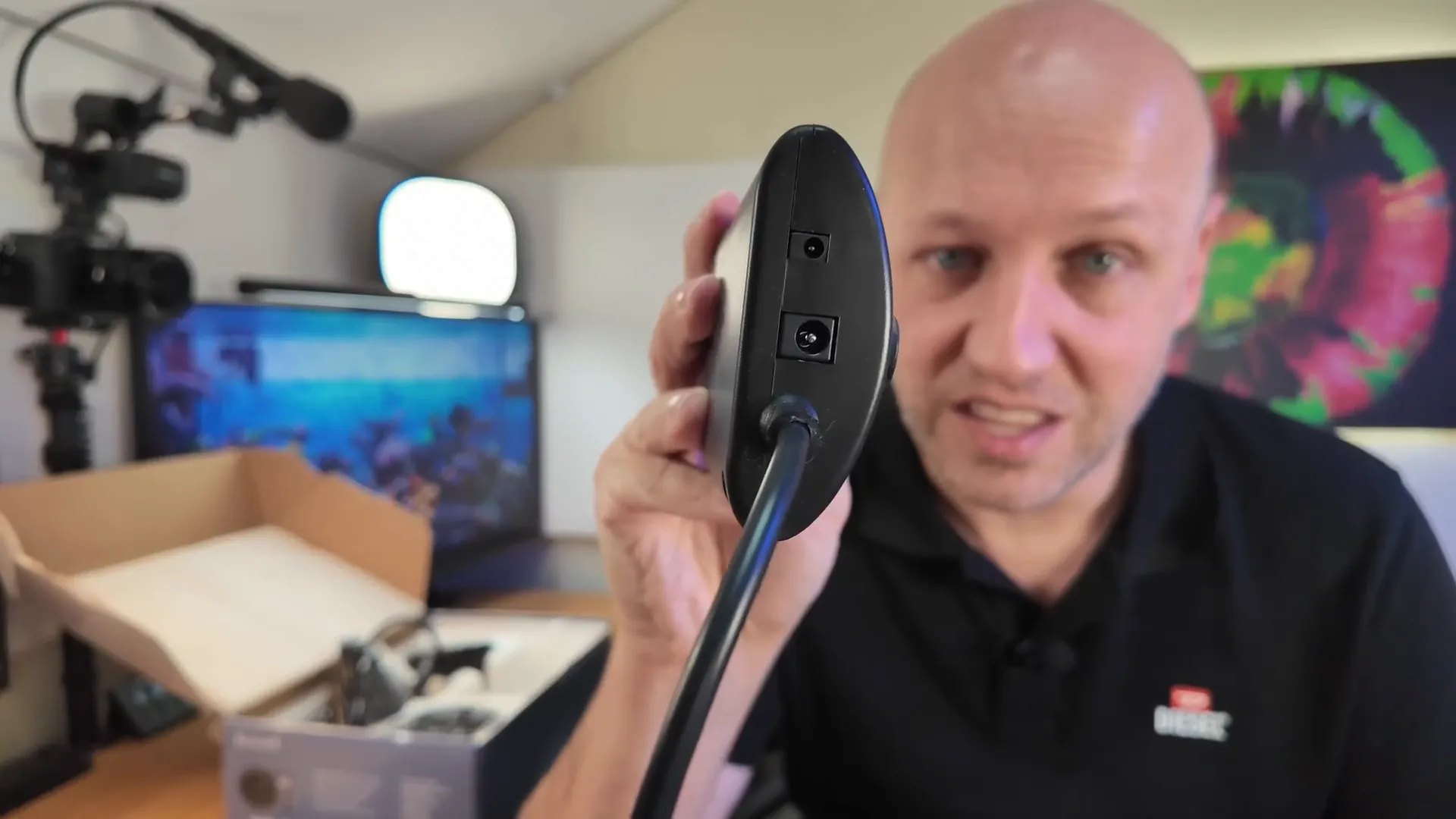
One significant downside of the Jecod DMP-40 control box is the lack of ports for battery backup or 0-10V connectivity. The underside of the box only has a cable connecting to the powerhead and a socket for the power supply. This means you cannot easily connect it to a battery backup system, unlike the MP-40, which has a dedicated port for EcoTech’s battery backup unit.
Battery backup is essential for many reef keepers to maintain water flow during power outages. While there are DIY ways to add battery backup to the Jecod, it’s complicated and not user-friendly. For most users, this is a strong argument in favor of the MP-40 if power backup is important.
First Impressions Summary: Is the Jecod DMP Wavemaker Worth It?
After unboxing and examining the Jecod DMP-40, my first impressions are mixed but generally positive given the price point. The build quality is undeniably cheaper than the Vortech MP-40, with some parts feeling plasticky and less solid. Design-wise, there are fewer thoughtful touches, and some features like easy maintenance and battery backup compatibility are missing.
However, the Jecod is less than half the price of the MP-40, making it an attractive option for hobbyists on a budget or those who want decent performance without breaking the bank. There’s nothing about the Jecod that screams “avoid,” and I’m optimistic it will perform well once installed and running.
In the end, the unboxing and dry inspection are often the most disappointing parts of buying a budget copy of a premium product. I’m looking forward to putting the Jecod DMP Wavemaker through its paces in my reef tank and sharing a full review soon. Stay tuned for that!
Frequently Asked Questions (FAQ)
Q: How does the Jecod DMP-40 compare to the Vortech MP-40 in build quality?
A: The Jecod DMP-40 has noticeably cheaper build quality, with more plastic parts feeling flimsy and less refined. The MP-40 features a more solid and durable construction with thoughtful design elements like easy disassembly for maintenance.
Q: Can the Jecod DMP-40 be used on thick aquarium glass?
A: The Jecod is rated for aquarium glass up to 21mm thick, due to its suction cup mounting system. The MP-40 can handle glass up to 90mm thick using different gaskets, offering more flexibility for various tank setups.
Q: Does the Jecod DMP-40 support battery backup?
A: No, the Jecod control box lacks a dedicated battery backup port. While the MP-40 supports EcoTech’s battery backup system out of the box, the Jecod requires complicated DIY solutions for backup power.
Q: Are there any differences in the control box features?
A: Both have mode selection and feed modes, but the MP-40 control box has a more robust design with a dial and rubberized buttons. The Jecod’s control box feels cheap and lacks advanced connectivity options.
Q: Is the Jecod DMP-40 a good value for money?
A: Yes, for less than half the price of the MP-40, the Jecod offers a decent alternative for those on a budget. While it lacks some premium features and build quality, it still promises good performance as a wavemaker.
Q: What should I consider before buying the Jecod DMP Wavemaker?
Consider your tank glass thickness, the importance of battery backup, and your willingness to accept slightly lower build quality for a reduced price. If these trade-offs are acceptable, the Jecod DMP-40 is a worthwhile option.
Final Thoughts
The Jecod DMP Wavemaker is an intriguing budget-friendly alternative to the Vortech MP-40, offering many of the same basic features but with some compromises in build quality and functionality. For hobbyists who want a cost-effective powerhead that performs well without premium price tags, it’s worth considering.
However, if you value premium build quality, easy maintenance, and seamless integration with battery backup systems, the Vortech MP-40 remains the gold standard. Ultimately, your choice will depend on your budget, tank setup, and personal preferences.
Keep an eye out for my upcoming full review where I will share detailed performance tests and long-term impressions of the Jecod DMP-40 in action. Until then, happy reefing!
This article was inspired from the video Jecod DMP-40 Unboxing, Initial Impressions & Comparison With Vortech MP-40