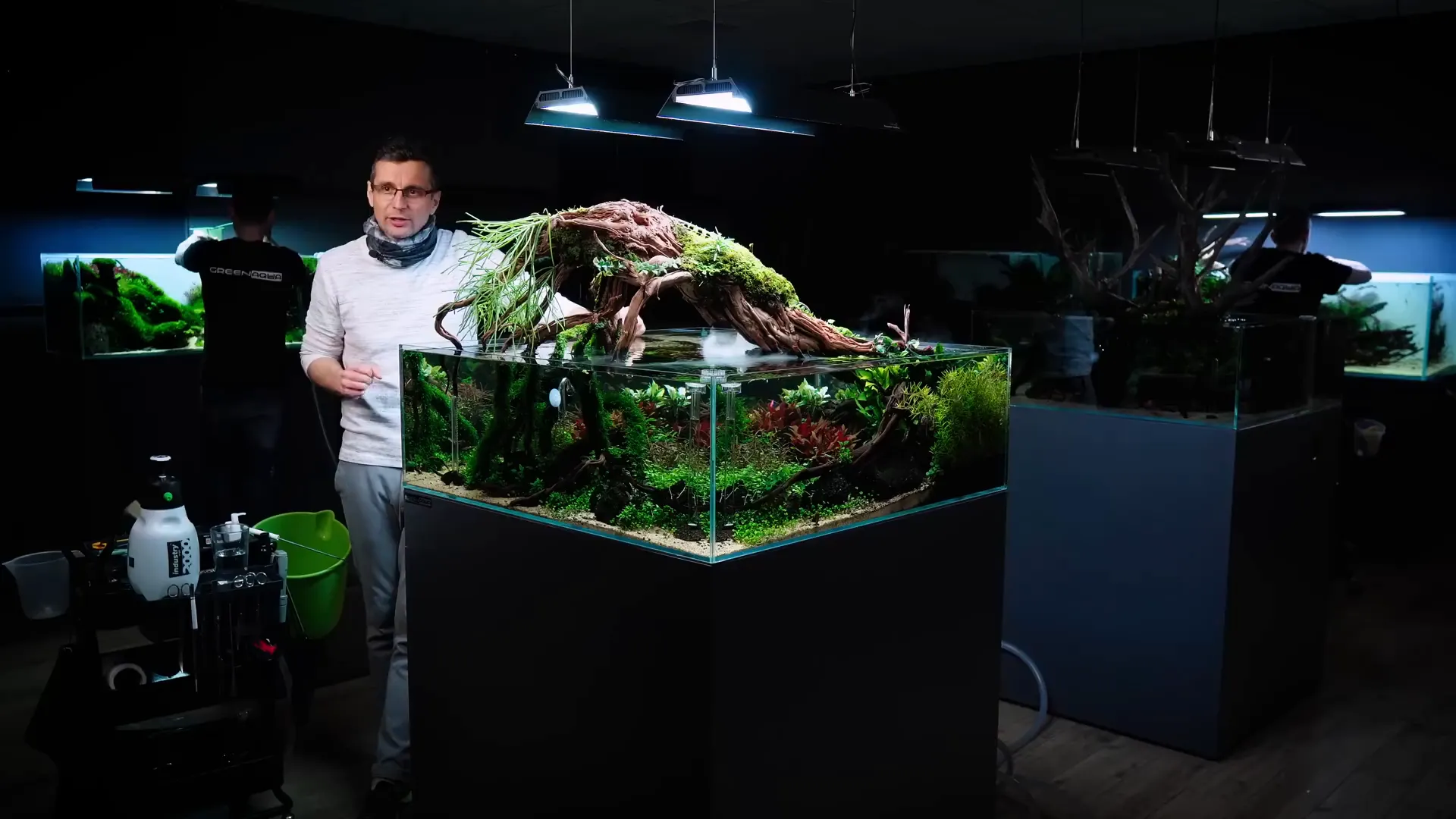
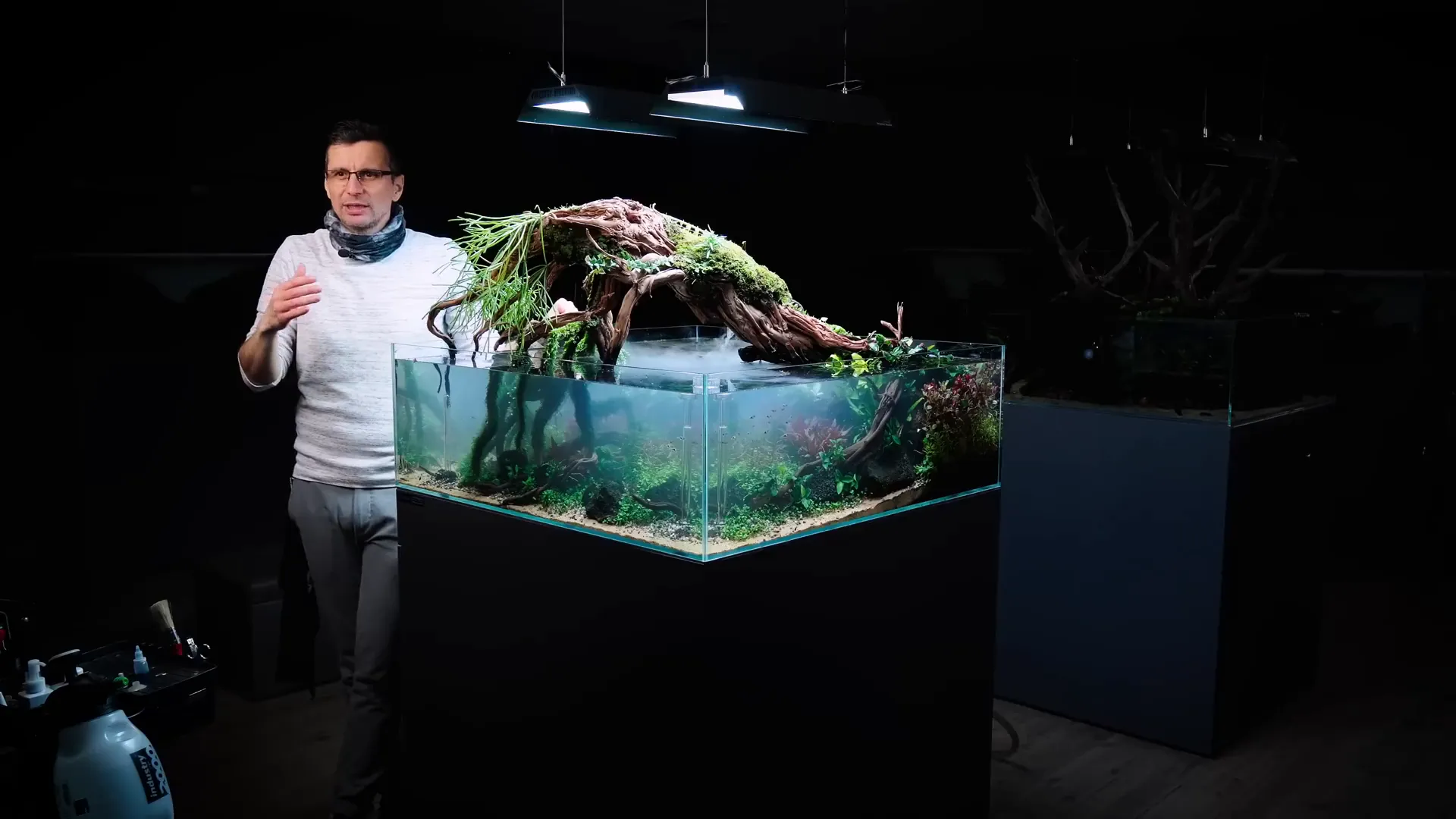
Welcome to the fascinating world of planted aquarium maintenance, where the art of nurturing aquatic life meets the science of aquarium care. This article dives deep into the philosophy and practical steps involved in maintaining a stunning planted tank, inspired by the work of renowned aquascaper Hiten Goolab. His beautiful walkaround planted aquarium, created in December 2022, has been running flawlessly and serves as a perfect canvas to explore how maintenance shapes the long-term health and aesthetics of aquascapes.
Whether you're a beginner looking to understand the basics or an experienced aquarist seeking to refine your skills, this comprehensive guide will walk you through the essential tasks, mindset, and tools needed to keep your planted aquarium thriving. From trimming moss to balancing CO2 injection, every detail matters in the art of aquarium maintenance.
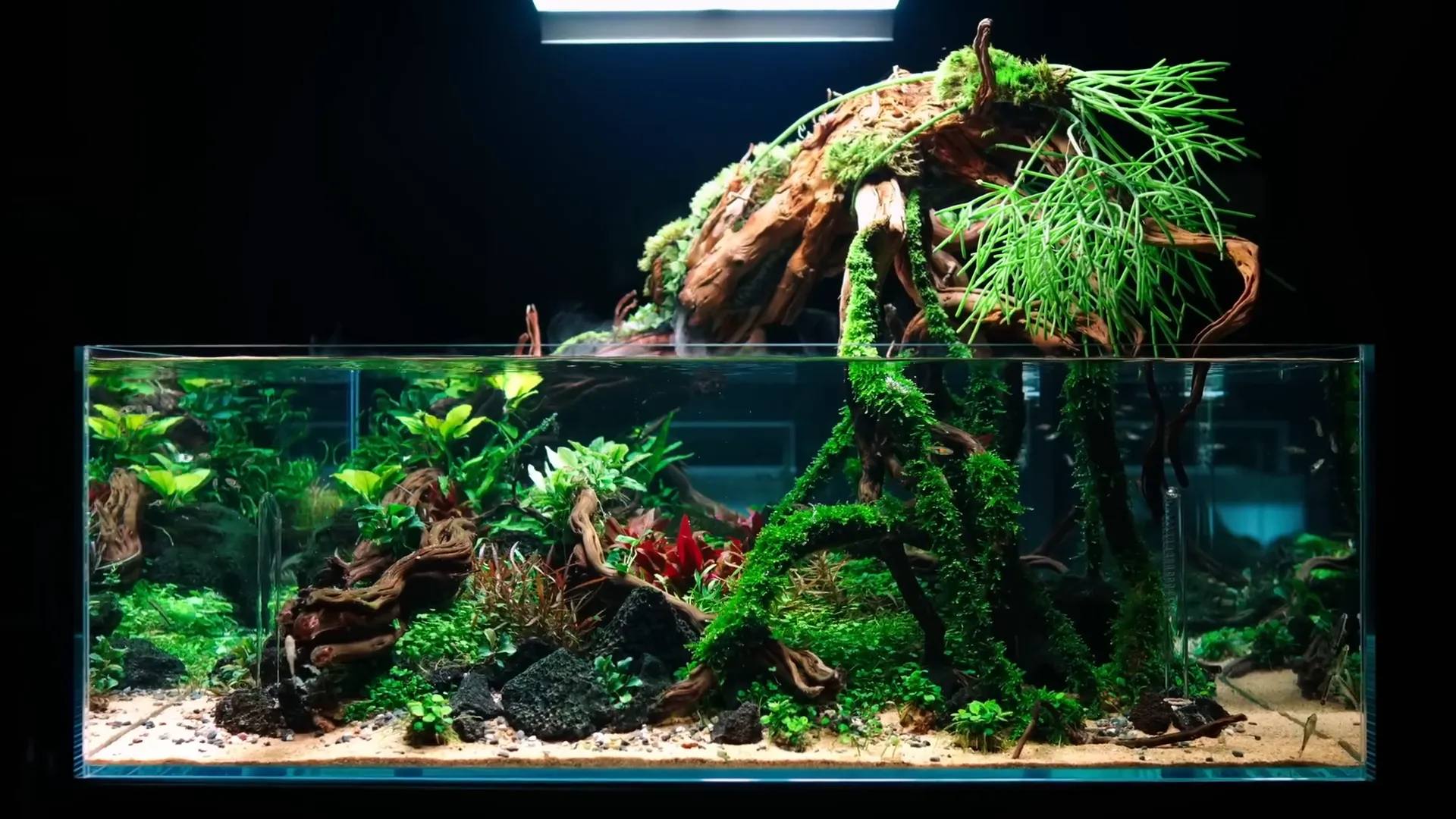
Table of Contents
- Understanding the Essence of Planted Aquarium Maintenance
- Assessing the Aquarium Before Maintenance
- Preparing for Maintenance: The Essential Steps
- Mastering Moss Trimming: A Delicate Art
- Trimming and Replacing Plants: Balancing Growth and Aesthetics
- Cleaning and Detailing: Enhancing the Final Look
- Performing Water Changes and Final Adjustments
- Conclusion: The Art and Philosophy of Planted Aquarium Maintenance
- Frequently Asked Questions (FAQs) about Planted Aquarium Maintenance
Understanding the Essence of Planted Aquarium Maintenance
Aquascaping, as the name suggests, is much more than just arranging plants underwater—it's a process that demands ongoing care and attention. For me, the heart of aquascaping lies in maintaining and cleaning the aquarium to preserve its natural beauty and ecological balance.
One of the key insights from Hiten Goolab’s planted tank is that maintenance is not just about fixing problems but about nurturing the ecosystem to flourish continuously. The planted aquarium is a living artwork that evolves, and maintenance sessions are opportunities to guide its growth and health.
Respecting the Original Creation
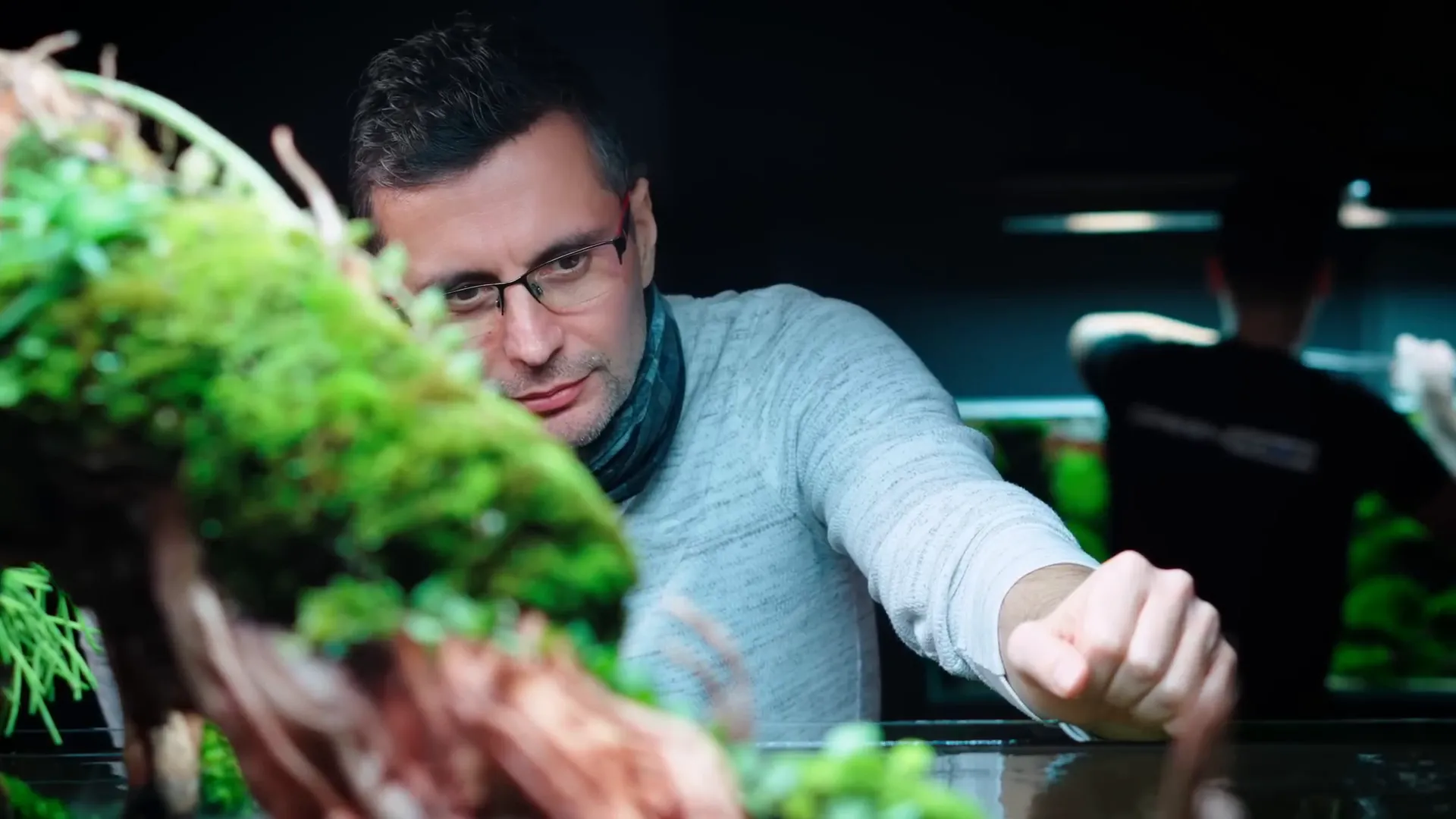
Before starting any maintenance, it’s crucial to appreciate the original creator’s vision. Hiten Goolab’s aquarium is cherished by visitors and aquascaping enthusiasts alike, adding immense value to the gallery where it’s displayed. This respect influences how maintenance is approached—not as a disruptive act but as a collaborative effort to enhance and sustain the aquascape.

Assessing the Aquarium Before Maintenance
Every maintenance session begins with a careful evaluation of the aquarium’s current condition. In this case, the planted tank was almost perfect, but the plants had grown rather wild over recent weeks, necessitating some trimming.
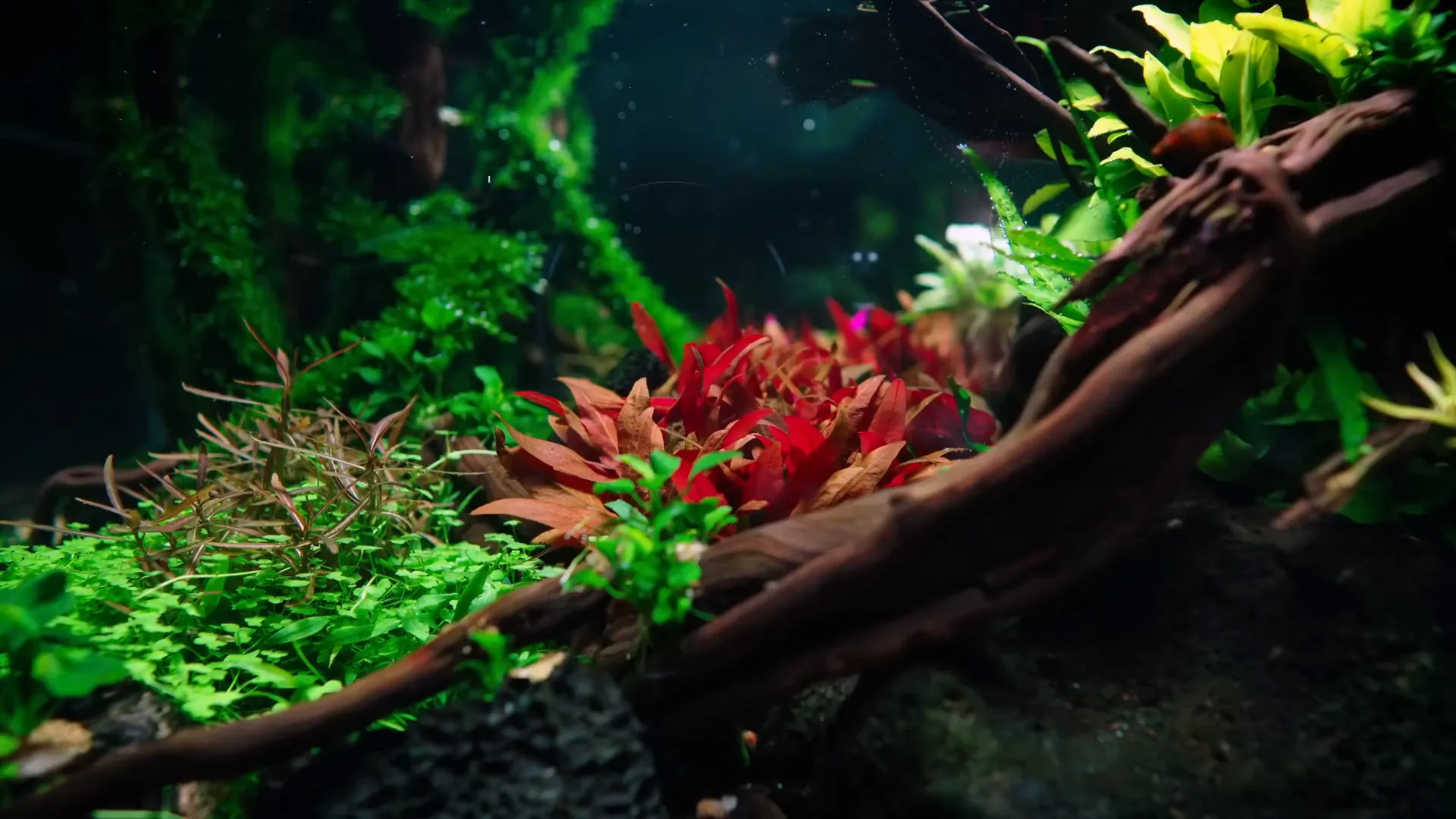
Replacing moss on the driftwood was also needed because winter’s dampness had hindered its growth. Observing how light interacts with the plants revealed that certain areas, like the 'hra' Rotala in the background, lacked the vibrant red hue due to shading by shrubs and wood.
This evaluation stage is vital—it helps identify what needs trimming, replacing, or enhancing to keep the planted aquarium looking vibrant and healthy.
Choosing the Right Plants for Enhancement
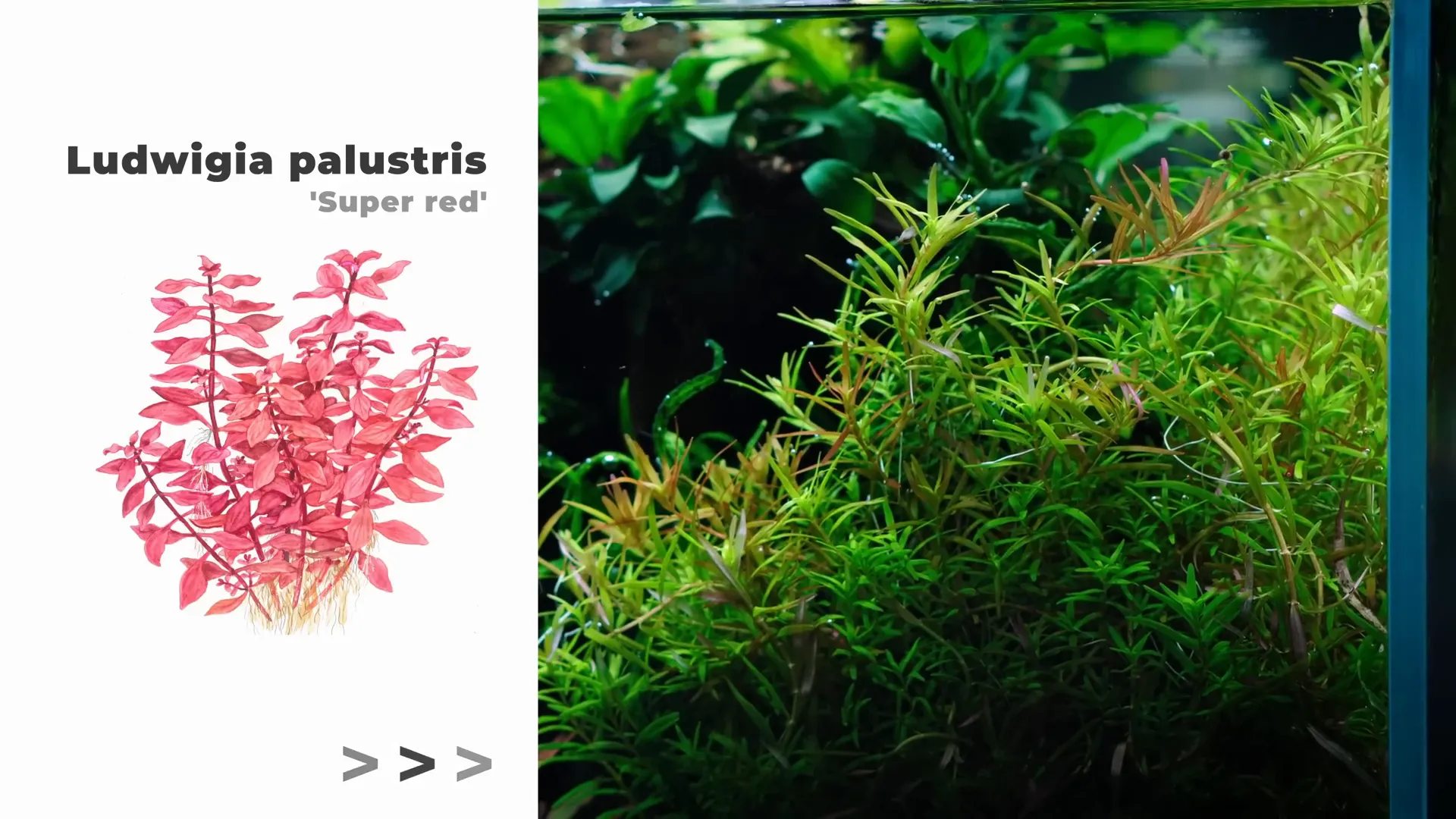
To brighten shaded areas, introducing plants like Ludwigia palustris 'Super Red' can add striking color contrasts. Red plants often provide a dramatic visual impact, drawing the eye and breaking up the green monotony. In this tank, the existing red plants already added wonderful depth, but more could be introduced strategically.
Preparing for Maintenance: The Essential Steps
Preparation is the cornerstone of effective planted aquarium maintenance. Rushing into trimming or cleaning without the right setup can lead to mistakes or even harm the tank’s ecosystem. Here are some key preparatory steps to follow before starting maintenance:
- Hydrate Yourself: It may sound trivial, but when working around water, it’s easy to forget to drink. Staying hydrated ensures you stay alert and focused during the process.
- Stop the CO2 Reactor: If your aquarium uses a pressurized CO2 system, shut off the CO2 supply first. This prevents the reactor from filling with gas, which can cause issues when restarting the filter later.
- Turn Off the Filter: Close the valve on the filter hose adapter to keep water inside the inlet and outlet tubes, then disconnect the filter. This prevents water spillage and eases the cleaning process.
- Gather Your Tools: Have all your maintenance tools within reach—scissors, moss cutters, siphons, and buckets. Being organized saves time and reduces stress.
- Prepare Hoses and Buckets: Set up hoses for water changes and a bucket to collect water and debris. Using a bucket also helps you strain and reuse water where appropriate.
Mastering Moss Trimming: A Delicate Art
Moss trimming is one of the most intricate yet rewarding aspects of planted aquarium maintenance. Mosses like Riccardia chamedryfolia and Vesicularia ferriei add softness and texture but can quickly become overgrown and unruly.
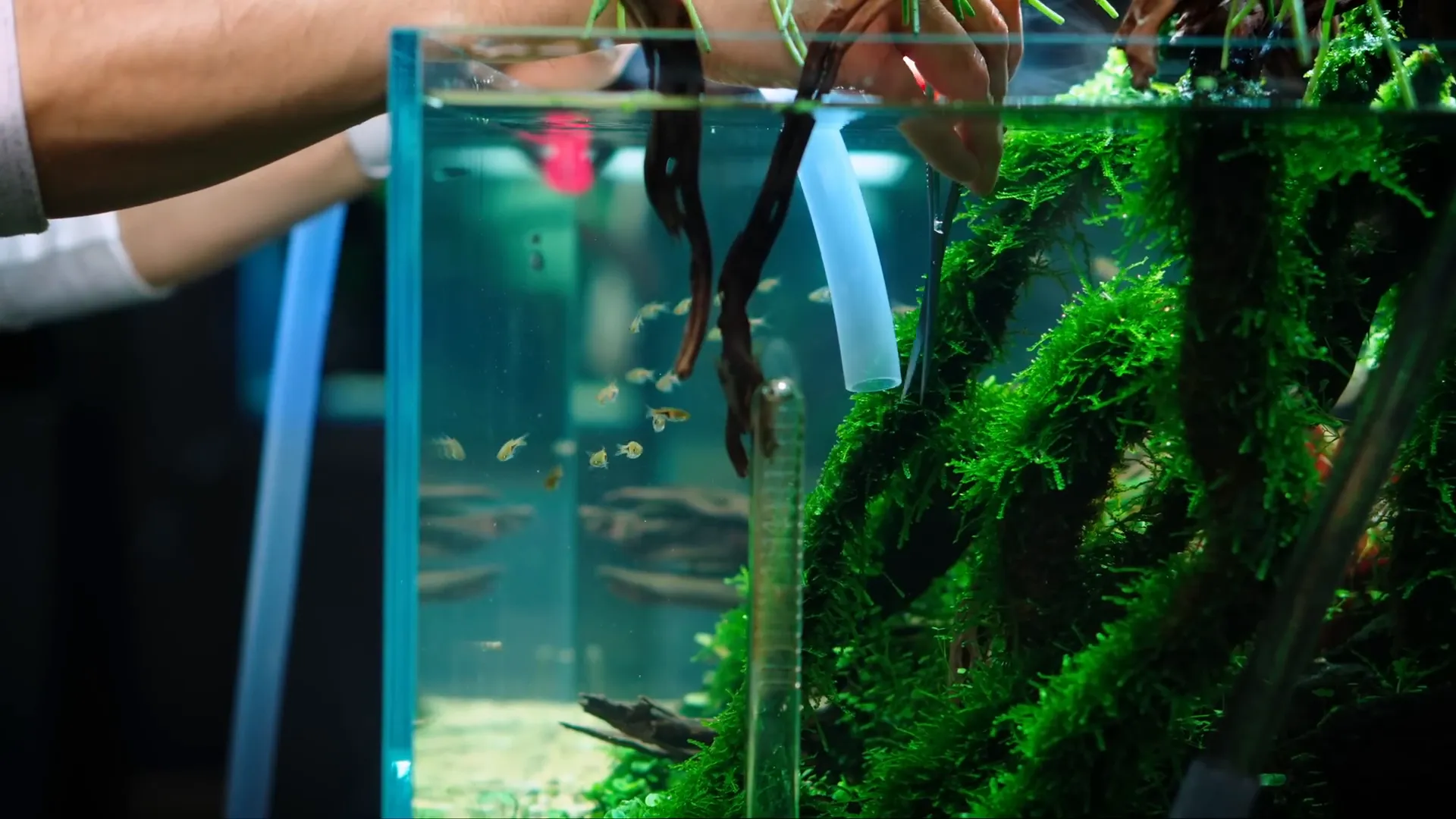
To trim moss effectively, I use a small external filter (in this case, an Oase Filtosmart 200) with a hose of 16/20 diameter. This setup is perfect because it doesn’t clog easily with moss fragments and allows me to suck up trimmed moss carefully without disturbing the tank too much.
Using curved scissors, I carefully trim the moss, ensuring not to suck in large chunks that could block the hose. This technique saves water, reduces mess, and keeps the moss healthy and well-shaped.

Why Use an External Filter for Moss Trimming?
While it might seem excessive to use an external filter just for trimming moss, it’s a practical choice. It helps conserve water by capturing trimmed moss in the bucket, preventing the need for extensive water changes. Plus, it offers precise control over the trimming process without risking damage to the plants.
Trimming and Replacing Plants: Balancing Growth and Aesthetics
After moss trimming, the next step is to address the other plants in the aquarium. In Hiten’s tank, Hydrocotyle tripartita thrives everywhere, providing lush greenery with distinctive leaf shapes. However, some plants like the 'hra' Rotala in the background needed careful trimming and replacement to maintain balance.
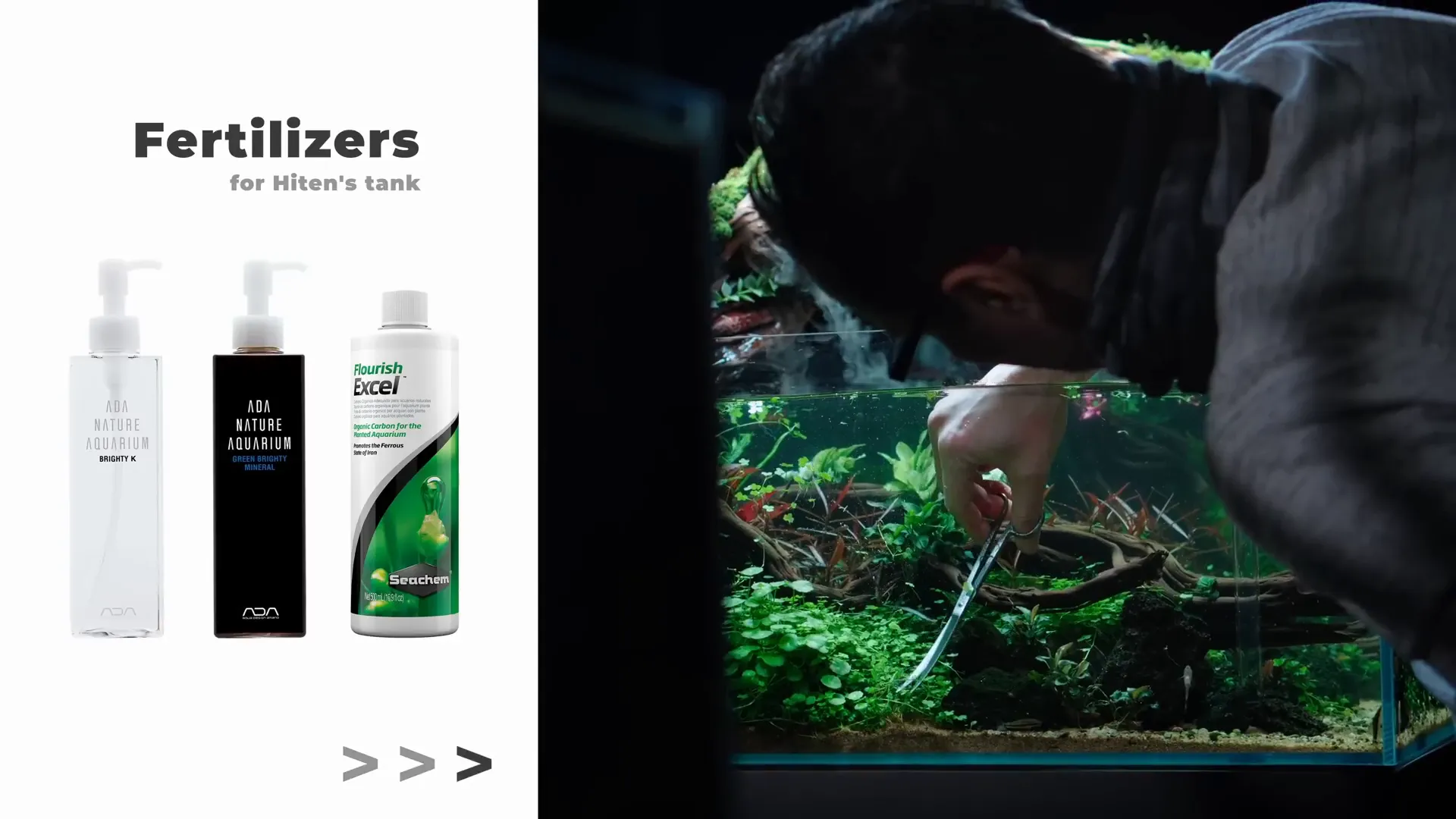
Using ADA’s curved scissors, I trimmed the tripartite leaves that had grown too long and replaced some of the 'hra' Rotala to revive the red corner of the tank. The goal was not to over-prune but to maintain a natural, slightly wild look consistent with the South African style of the aquarium.
This approach respects the natural growth cycle of plants while preventing overgrowth that can obscure light and reduce overall tank health.

Maintaining CO2 and Fertilization Levels
Healthy plant growth depends on proper CO2 injection and fertilization. In this aquarium, ADA Brighty K and Mineral fertilizers are used alongside Seachem XL to support biological balance and supplement carbon levels.
Regular monitoring and adjustment of these inputs ensure plants remain vigorous, which in turn helps prevent algae outbreaks and keeps the aquascape looking pristine.
Cleaning and Detailing: Enhancing the Final Look
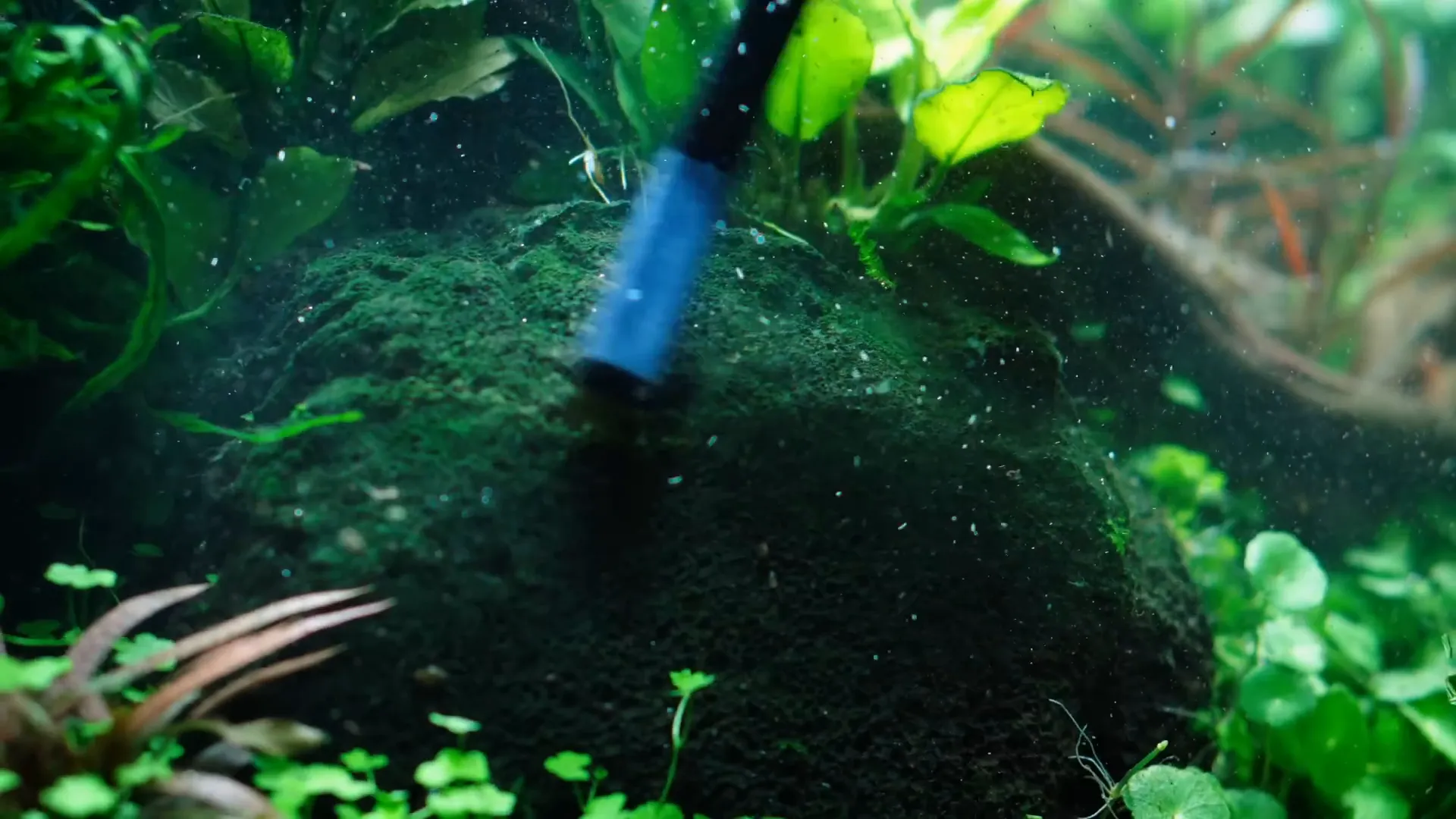
Once trimming and plant replacement are complete, it’s time to focus on cleaning and detailing. This includes removing algae from decorative elements like lava stones to create contrast and highlight the aquascape’s features.
While some aquarists prefer a natural patina of algae, I prefer a cleaner look that accentuates the hardscape and plant colors. Cleaning also prevents algae from spreading excessively and competing with plants for nutrients.
Adding Fish for Movement and Balance
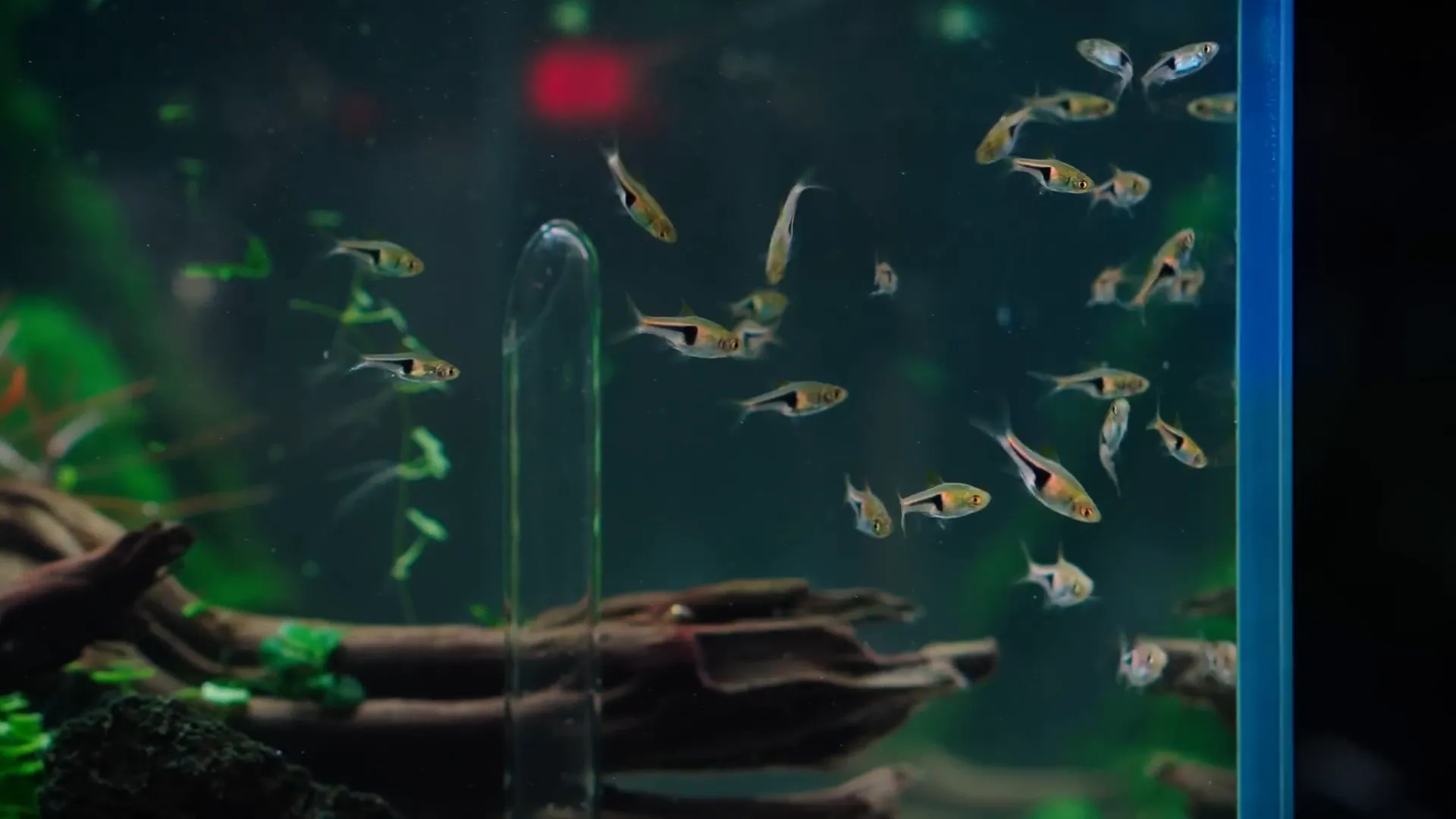
Adding fish species like Sp. rasbora brings life and movement to the aquarium, complementing the planted environment. In this tank, the rasboras blend beautifully with the plants, enhancing the natural atmosphere.
Fish also contribute to the ecosystem’s health by consuming algae and waste, creating a balanced aquatic environment.
Performing Water Changes and Final Adjustments
After maintenance tasks are complete, a water change is essential to remove debris, replenish nutrients, and maintain water quality. Using a net and siphon, I perform a partial water change, ensuring minimal disturbance to the aquascape.
This final step refreshes the environment, leaving the tank ready to continue thriving until the next maintenance session.

Conclusion: The Art and Philosophy of Planted Aquarium Maintenance
Planted aquarium maintenance is more than routine cleaning—it’s an art form that blends science, patience, and respect for living ecosystems. As I often say, we are not striving for perfection but embracing the process and the connection it fosters with nature.
Each maintenance session offers a chance to observe, learn, and nurture. The planted aquarium is a dynamic creation that evolves under our care, rewarding attention with beauty, health, and tranquility.
I hope this detailed guide inspires you to approach your planted aquarium maintenance with mindfulness and enthusiasm. Remember, the joy is in the journey, not just the final result.
Frequently Asked Questions (FAQs) about Planted Aquarium Maintenance
Q1: How often should I perform maintenance on my planted aquarium?
Maintenance frequency depends on your tank’s size, plant species, and growth rate. Generally, trimming and partial water changes every 1-2 weeks are recommended to keep plants healthy and prevent algae buildup.
Q2: What tools are essential for planted aquarium maintenance?
Basic tools include curved scissors for trimming, tweezers for planting, siphon hoses for water changes, buckets, and possibly an external filter setup for moss trimming. Organizing tools beforehand improves efficiency.
Q3: How do I prevent algae growth during maintenance?
Maintaining balanced lighting, CO2 levels, and fertilization helps prevent algae. Regular trimming removes decaying plant matter, and cleaning hardscape elements reduces algae buildup. Avoid overfeeding fish and excess nutrients.
Q4: Can I trim moss without harming it?
Yes, trimming moss carefully with sharp scissors and removing trimmed parts gently ensures moss remains healthy. Avoid pulling or tearing moss, and use a suction setup like an external filter to collect trimmed moss safely.
Q5: How do I manage CO2 during maintenance?
Always turn off the CO2 reactor before starting maintenance to prevent gas buildup in the system. After maintenance, restart CO2 gradually to avoid shocking plants and aquatic life.
Q6: Should I replace plants regularly in my aquarium?
Replacing plants depends on their health and growth. Some plants may need to be replaced if they become unhealthy or overgrown. Introducing new species strategically can refresh the aquascape and add visual interest.
Q7: What is the best approach to maintain a natural look in the aquarium?
Balance is key—allow some plants to grow freely but trim others to prevent overcrowding. Use a variety of plant species and hardscape elements to mimic natural environments, and avoid excessive pruning that makes the tank look artificial.
Q8: How do I stay motivated to maintain my planted aquarium?
Focus on the process rather than perfection. Enjoy observing plant growth, fish behaviour, and the evolving ecosystem. Maintenance sessions can be meditative and stress-relieving, deepening your connection with nature.
This article was inspired from the video The ART of Aquarium MAINTENANCE | Hiten Goolab Workshop Planted Tank Trimming | Drop a like and subscribe to show your support!