Betta splendens, often called Siamese fighting fish, are colourful, intelligent aquarium fish with distinct personalities. They can thrive in a home aquarium when their environment provides clean water, gentle flow, plants, cover and a carefully chosen diet.
This guide explains the essentials of betta fish care, including how to create a suitable planted aquarium, maintain water quality, feed a varied diet, choose compatible tank mates and understand the basics of breeding.
Table of Contents
- What type of betta fish is most common?
- How to set up a betta fish aquarium
- Betta fish water conditions and filtration
- What do betta fish eat?
- Can bettas live together?
- Best tank mates for betta fish
- Common betta care mistakes to avoid
- Betta fish breeding basics
- Betta care checklist
- Frequently asked questions
- Final takeaway
What type of betta fish is most common?
The betta most commonly sold in aquarium shops is Betta splendens. Betta is actually a broader group containing many wild species, but Betta splendens is the familiar brightly coloured fish bred in many fin forms and colour patterns.
Popular fin types include veil tails, double tails, halfmoons, plakats and crowntails. Colours can include red, blue, green, gold, copper and white, along with patterns such as koi, galaxy, bi-colour and tri-colour varieties.
Although many general principles of care apply to wild bettas, each wild species may have more specific requirements. Research the individual species before setting up an aquarium for one.
How to set up a betta fish aquarium
Betta splendens are associated with slow-moving streams, marshes, swampy areas and rice paddies across Southeast Asia. Their environments can vary, but plant cover, submerged roots, leaf litter and sheltered spaces are recurring features.
A successful betta aquarium should give the fish places to rest, explore, hide and establish a sense of security. This is especially important because bettas can be territorial.
Use plants and cover generously
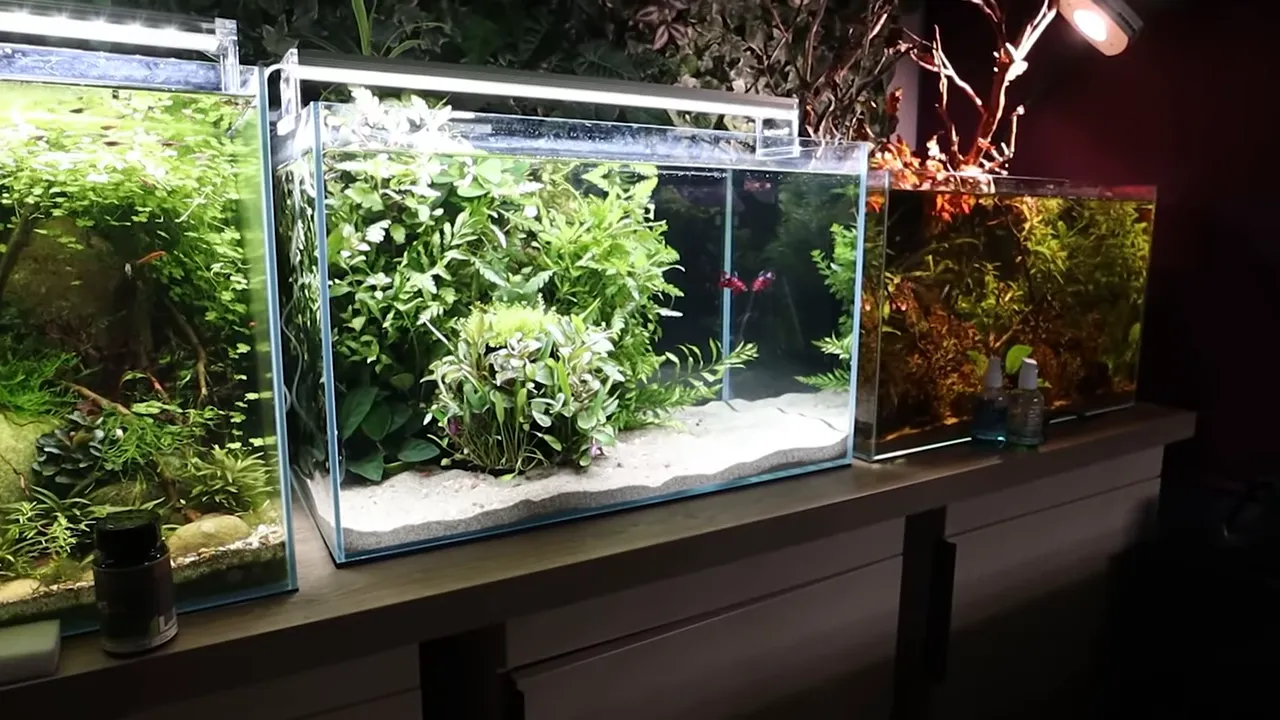
Aquatic plants, floating plants and emergent plants with roots in the water all help recreate the sheltered conditions bettas favour. Dense planting also breaks up sight lines in the aquarium, giving a fish places to retreat rather than remaining exposed in open water.
- Use aquatic plants below the surface for cover and resting areas.
- Add floating plants where appropriate to provide surface shelter.
- Consider houseplants with roots growing into the aquarium for extra cover.
- Include wood and rocks as hiding places and visual territory markers.
- Use a substrate that suits the aquascape, such as sand, gravel or leaf litter.
Leaf litter and tannins
Leaf litter and other botanicals can create a natural-looking aquarium and tint the water with tannins. This darker, tea-coloured water is natural to many betta habitats and can complement a planted, low-flow setup.
The exact decor is flexible. Tank-bred Betta splendens have been raised in aquariums for generations, so the priority is not copying one exact wild habitat. The priority is providing clean water, shelter, resting places and a calm environment.
Betta fish water conditions and filtration
Good water quality is essential for betta health. Bettas are sometimes displayed in very small containers, but this does not make poor water conditions acceptable for long-term care.
Keep the current gentle
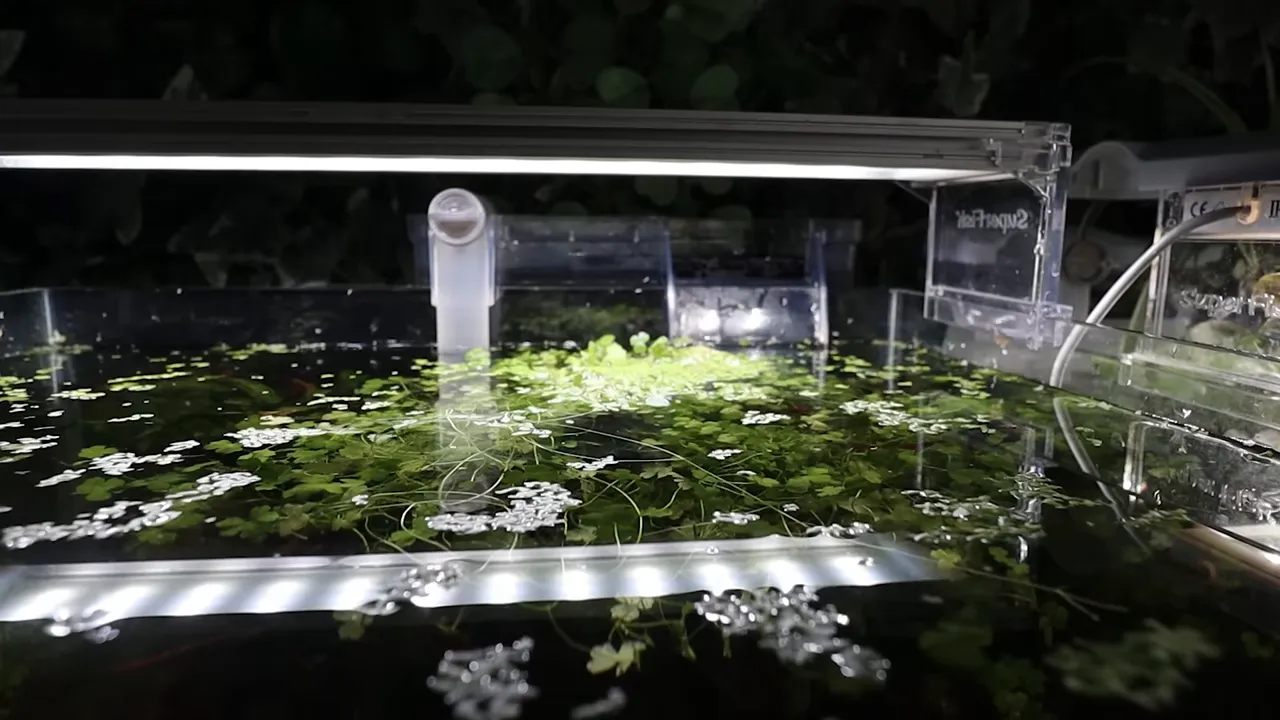
Bettas do not enjoy strong flow. Powerful current can make swimming difficult, particularly for long-finned varieties. Choose a filter with low flow, adjust the outlet so the current disperses gently, or use a small air-driven sponge filter.
Key water parameters for bettas
| Water factor | Practical target |
|---|---|
| Flow | Low and gently dispersed |
| Ammonia | 0 |
| Nitrite | 0 |
| Nitrate and phosphate | Keep as close to 0 as practical |
| pH for tank-bred Betta splendens | They can be maintained across a broad range, from the low 6s through to 8 depending on their source and conditions |
| pH for many wild bettas | Generally softer, at 7 or below |
| Temperature | Approximately 22 to 30°C, with a middle-ground temperature generally being practical |
Temperature affects metabolism. In cooler water, bettas tend to eat less and their body processes slow down. In warmer water, they generally eat more and produce more waste. A stable middle-range temperature helps avoid either extreme.
Test and record your aquarium water
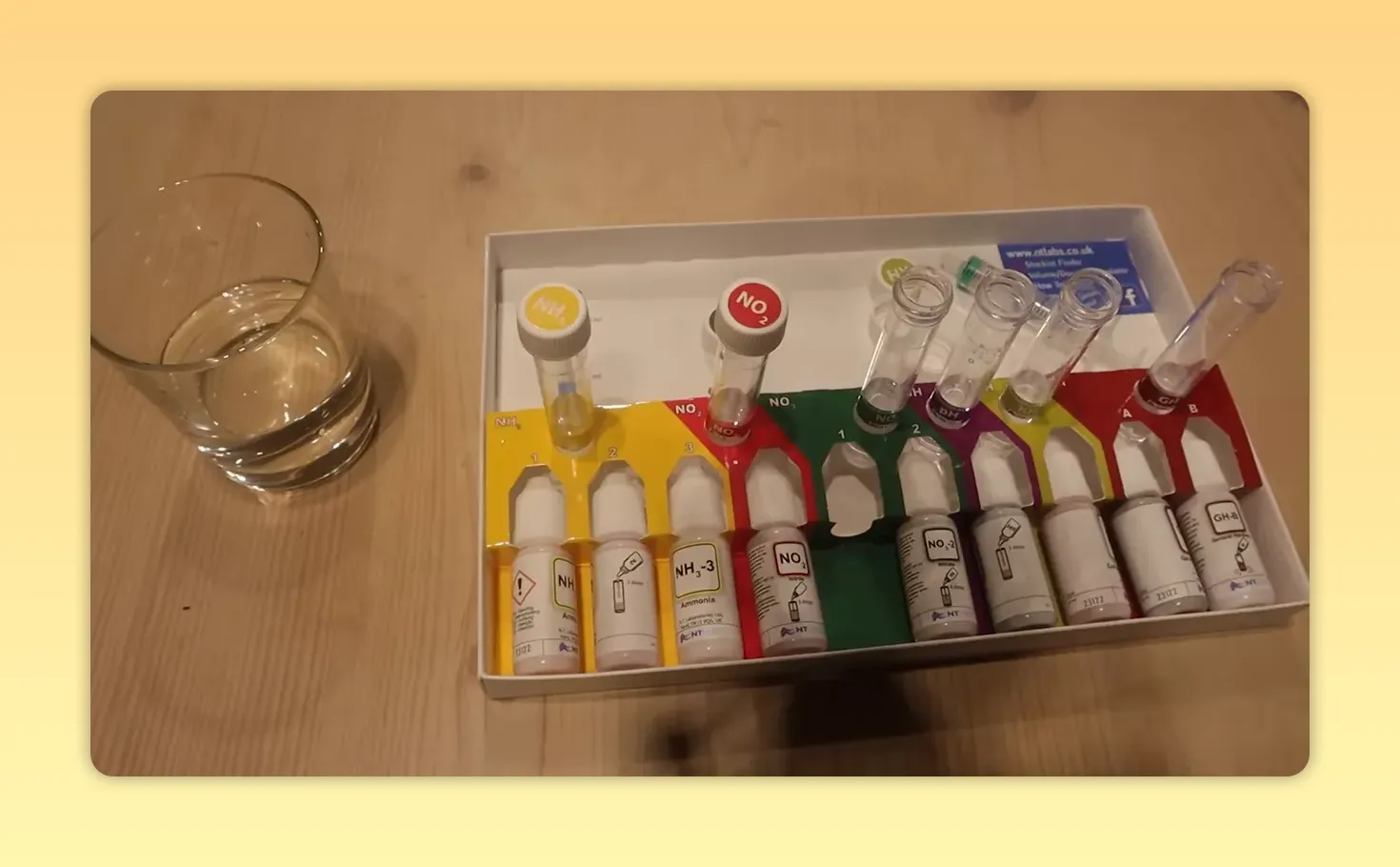
A test kit is one of the most useful pieces of aquarium equipment. In practice, much of fishkeeping is water management. Testing helps identify changes before they become serious problems.
Test regularly, especially in a newer aquarium. Once an aquarium is mature, testing can be less frequent, but it remains useful to log pH and hardness. A written record makes gradual changes easier to spot and gives you a baseline when troubleshooting later.
How to maintain clean betta water
- Use suitable filtration with gentle water movement.
- Grow aquarium plants to support water quality.
- Follow a consistent water-change routine.
- Feed carefully to limit uneaten food and waste.
- Monitor water parameters rather than relying on appearance alone.
What do betta fish eat?
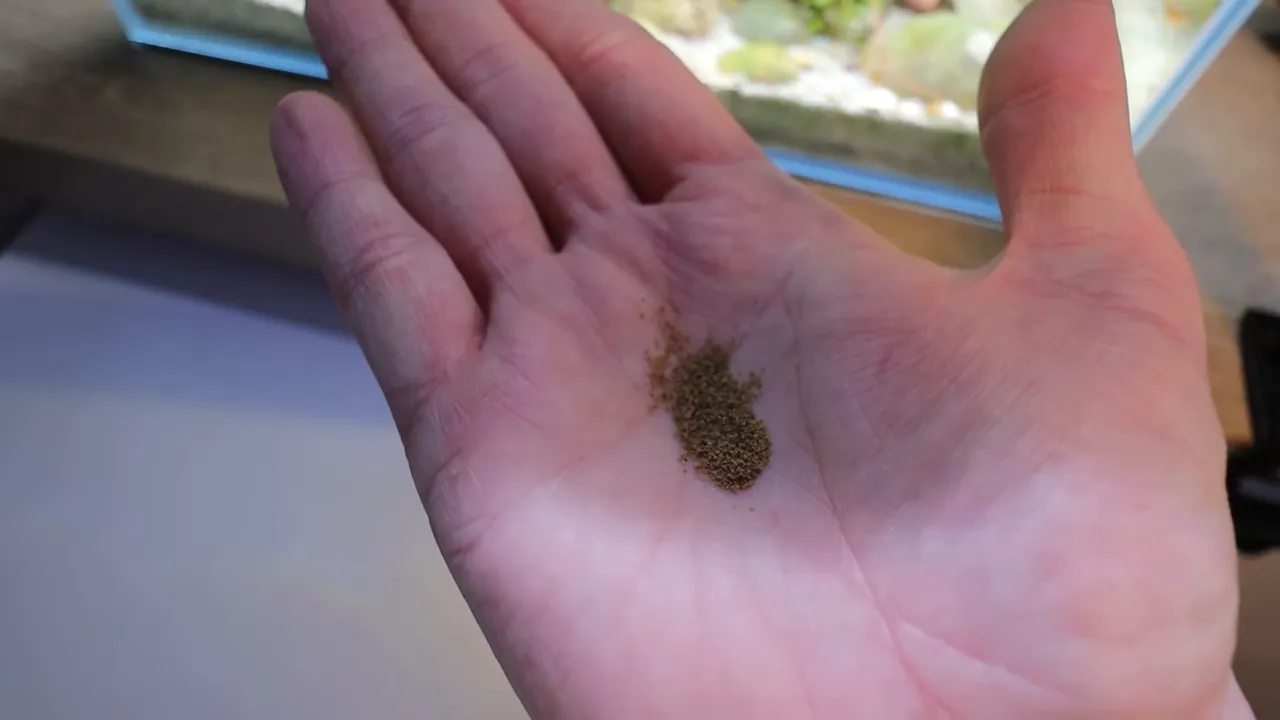
Bettas are often willing eaters, but a varied diet is important. A quality pellet food makes a useful staple because it allows targeted feeding and makes it easier to monitor how much the fish eats.
A typical approach is to feed a small number of pellets daily, then adjust based on the individual fish and its size. Three or four pellets may suit many bettas, while larger individuals may need more. Observe the fish rather than treating one quantity as universal.
A varied betta feeding plan
- Staple: High-quality betta pellets.
- Additional variety: Good-quality flake food.
- Occasional food: Frozen bloodworms or daphnia, such as once a week.
Do not confuse a betta's eagerness for food with a need for constant feeding. Bettas commonly approach the glass when someone comes near the aquarium, so overfeeding can be an easy mistake.
Can bettas live together?
Compatibility depends strongly on the individual fish, the aquarium layout, available cover and the amount of space. Bettas have very different temperaments, ranging from highly assertive to shy and withdrawn.
Male bettas
Do not keep male bettas together. They can be highly territorial and aggressive toward one another. Even seeing another male nearby can trigger attention or displays in some fish.
Female bettas
Female bettas can be kept in groups, but group dynamics vary. Larger groups may help spread social pressure so that one fish is less able to dominate all the others. Groups of six, eight, ten or more can work well in suitable conditions.
Smaller groups can also work, but the outcome depends on the tank size, planting density, hiding places and the personalities of the fish. Monitor every female closely. A particularly aggressive individual may not tolerate company, while a timid fish may avoid food or stay hidden if it feels pressured.
Best tank mates for betta fish
Keeping a betta with other species is not guaranteed to work. The safest approach is to judge the betta's temperament and provide a well-maintained, heavily planted aquarium with plenty of cover.
Rules for choosing betta tank mates
- Choose fish that are not small enough to be eaten.
- Avoid fish large enough to intimidate or harass the betta.
- Avoid fin nippers, especially with long-finned bettas.
- Prefer peaceful, non-boisterous species.
- Provide a planted layout with hiding places for all inhabitants.
- Observe the aquarium closely after introducing any new animal.
Small shoaling fish that may work
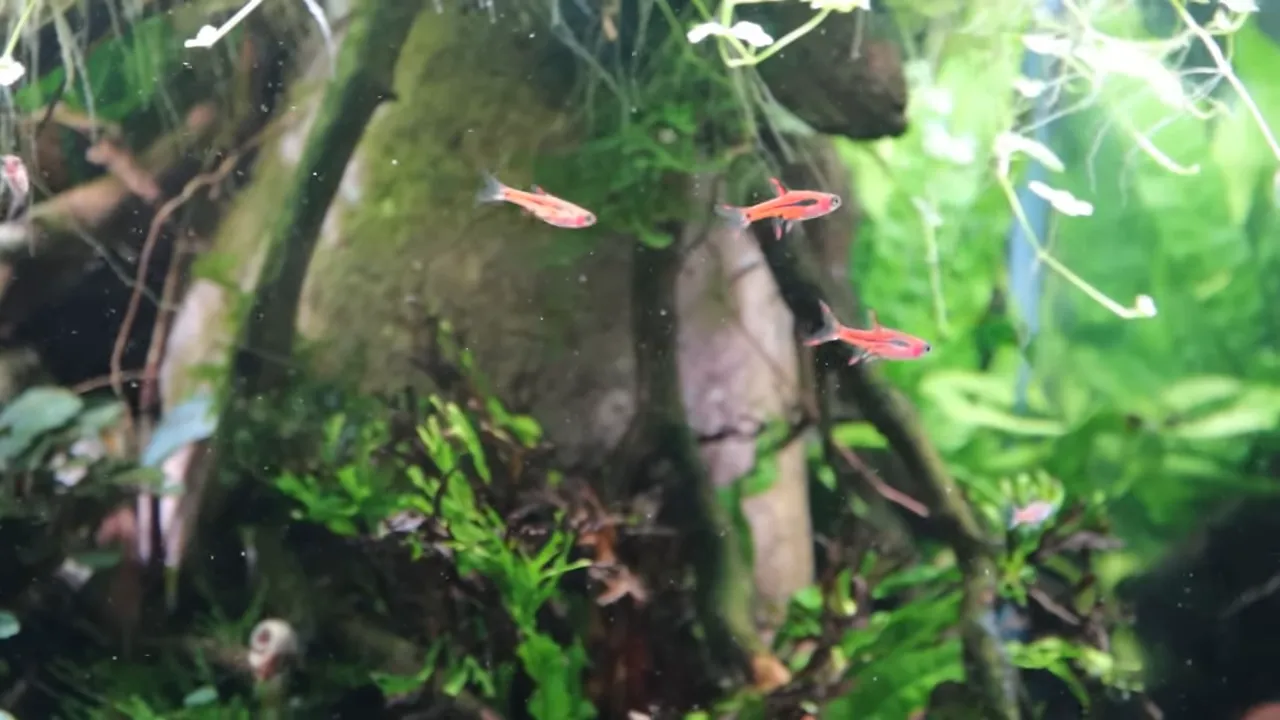
Small shoaling fish can coexist successfully with many bettas in a planted aquarium. Examples include chilli rasboras, celestial pearl danios, neon tetras, harlequin rasboras and white cloud mountain minnows.
However, no list overrides individual behaviour. A betta that ignores one species may chase another, and a calm betta may still react differently as conditions change.
Bottom-dwelling fish
Peaceful bottom dwellers can be easier companions because they occupy a different area of the aquarium. Corydoras catfish, otocinclus and small rosy loaches are examples of fish that can work when they are peaceful, appropriately sized and not overly active or nippy.
Can bettas live with shrimp?
Amano shrimp often work well with bettas because they are larger algae-eating shrimp. Even so, success depends on the betta's character.
Cherry shrimp are less predictable. An established colony of larger shrimp may be left alone, but very small shrimp added to an aquarium with an established betta are more likely to be treated as food.
Common betta care mistakes to avoid
- Keeping males together: Male bettas may fight because of territorial aggression.
- Using excessive filter flow: Strong water movement can exhaust a betta, particularly a long-finned fish.
- Neglecting water testing: Water conditions can shift gradually without obvious visual warning.
- Overfeeding: A food-motivated betta may beg even when it has already eaten enough.
- Using an exposed aquarium layout: A lack of plants, cover and resting places can leave a betta feeling insecure.
- Assuming all bettas accept tank mates: Compatibility is always individual.
- Adding tiny shrimp to an established betta aquarium: Small shrimp may be eaten.
Betta fish breeding basics
Breeding bettas is not a one-aquarium project. You will need multiple aquariums to separate males, separate males and females, and eventually manage the young fish.
1. Condition the pair separately
Keep the male and female in separate aquariums and prepare them with good water quality and high-quality food. Warmer water in the male's aquarium can encourage him to build a bubble nest, a sign that he may be entering breeding condition.
2. Introduce the female carefully
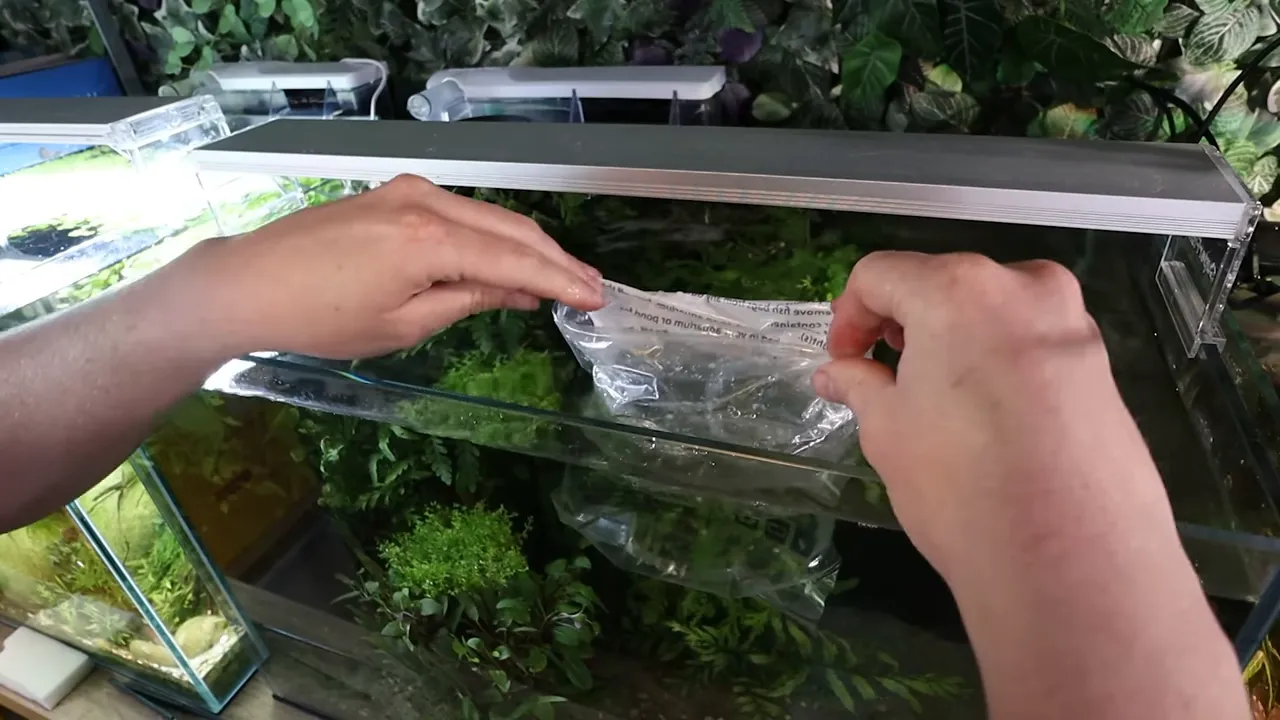
Do not simply release the female into the male's aquarium. Place her in a jar or fish bag floating in the male's tank first, then assess their reactions. If she is persistently trying to escape or the male shows no interest, they may not be ready.
3. Monitor spawning and remove the female
If the pair is receptive, the male may guide the female toward the bubble nest. During spawning, eggs fall toward the bottom and the male usually collects them and places them in the nest.
Once spawning is complete and the female moves away from the nest area, remove her. This reduces the risk of the male becoming aggressive toward her.
4. Care for eggs and fry
Eggs commonly hatch after about a day. The young typically become free swimming after roughly three to four days. At that stage, begin feeding prepared powdered fry food or infusoria.
Separate the fry or remove the male once the young are free swimming so the male cannot eat them. Raising betta fry requires further planning, especially as young males grow and need separation.
Betta care checklist
- Provide clean, regularly tested water.
- Maintain ammonia and nitrite at 0.
- Keep flow gentle.
- Use plants, wood, rocks and resting places for cover.
- Feed a quality pellet staple with dietary variety.
- Do not house male bettas together.
- Select tank mates based on size, behaviour and the individual betta's temperament.
- Keep water test results and observe gradual changes.
- Plan multiple aquariums before attempting breeding.
Frequently asked questions
Do betta fish need a filter?
Good filtration supports water quality, but the flow must be gentle. Use a low-flow filter, disperse the outlet current or use a small air-driven sponge filter.
What water temperature do betta fish need?
Bettas can tolerate roughly 22 to 30°C. Cooler water slows appetite and body functions, while warmer water increases feeding and waste production. A stable middle-ground temperature is generally practical.
Can a male betta live with female bettas?
Male and female bettas should be kept separately except during a carefully managed breeding attempt. A breeding introduction should be supervised, and the female should be removed after spawning.
Can bettas live with neon tetras or rasboras?
They can coexist in a well-planted, maintained aquarium when the shoaling fish are suitably sized, peaceful and not fin nippers. Individual betta temperament remains the deciding factor.
Can bettas live with cherry shrimp?
It is possible but unpredictable. Larger, established cherry shrimp are less likely to be targeted than tiny shrimp introduced to an aquarium where a betta is already established.
Final takeaway
The best betta aquarium is clean, calm and well planted. Focus on gentle flow, consistent water quality, varied feeding and enough cover for the fish to feel secure. When adding companions, treat compatibility as an individual test rather than a guarantee, and always prioritise the welfare of every animal in the aquarium.