Neocaridina shrimp, often called cherry shrimp, are colourful freshwater shrimp that suit beginners and experienced aquarists alike. Their care is straightforward when the aquarium is mature, stable and built around their natural grazing behaviour.
Success is less about complicated equipment and more about providing clean water, plenty of biofilm-covered surfaces, safe hiding places and compatible tank-mates. This guide covers the practical essentials for keeping a healthy Neocaridina shrimp colony.
Table of Contents
- What Are Neocaridina Shrimp?
- Neocaridina Shrimp Care at a Glance
- How to Set Up a Neocaridina Shrimp Tank
- Water Parameters and Water Quality for Neocaridina Shrimp
- What Do Neocaridina Shrimp Eat?
- Best Tank-Mates for Neocaridina Shrimp
- How to Breed Neocaridina Shrimp
- How to Raise Baby Neocaridina Shrimp
- Filtration: How to Keep Shrimp Out of the Filter
- Medications and Chemicals: A Major Shrimp Safety Risk
- Common Neocaridina Shrimp Care Mistakes
- Neocaridina Shrimp Care Checklist
- Frequently Asked Questions
- Final Takeaway
What Are Neocaridina Shrimp?
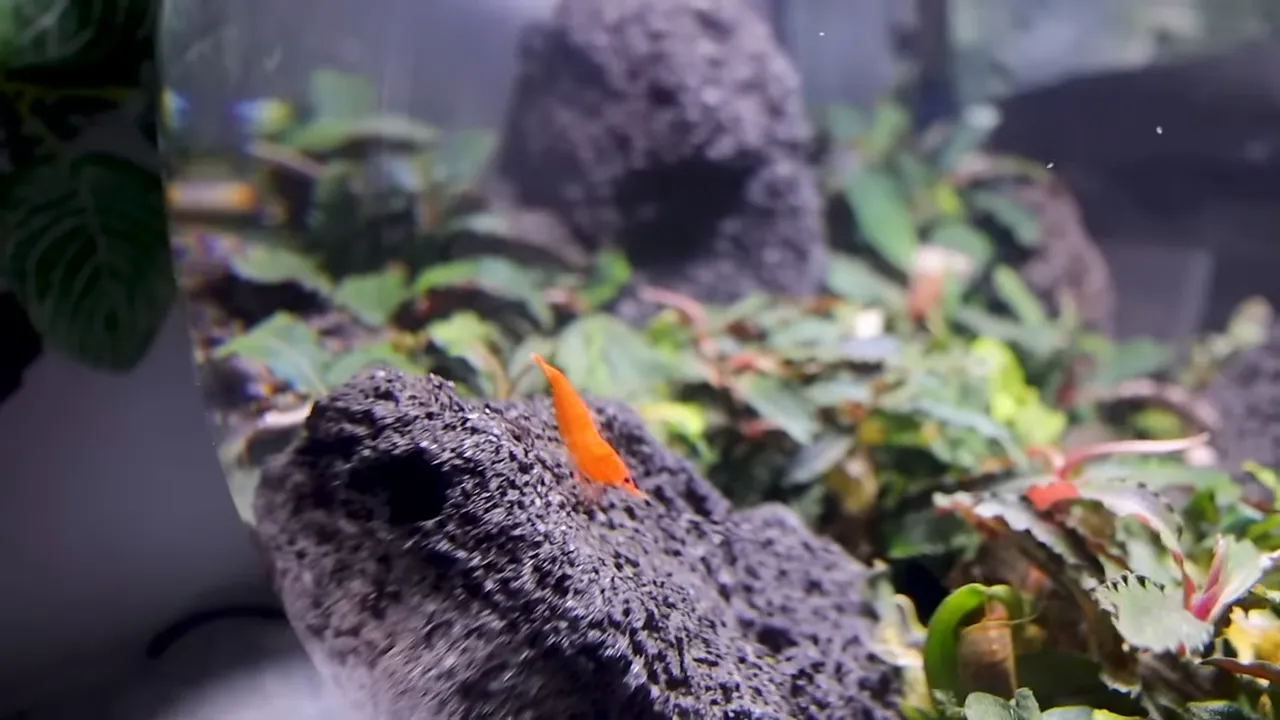
Neocaridina shrimp originate from small streams and ponds in South East Asia. In an aquarium, they spend much of their time picking at algae, biofilm and microscopic food on rocks, wood, plants and filter sponges.
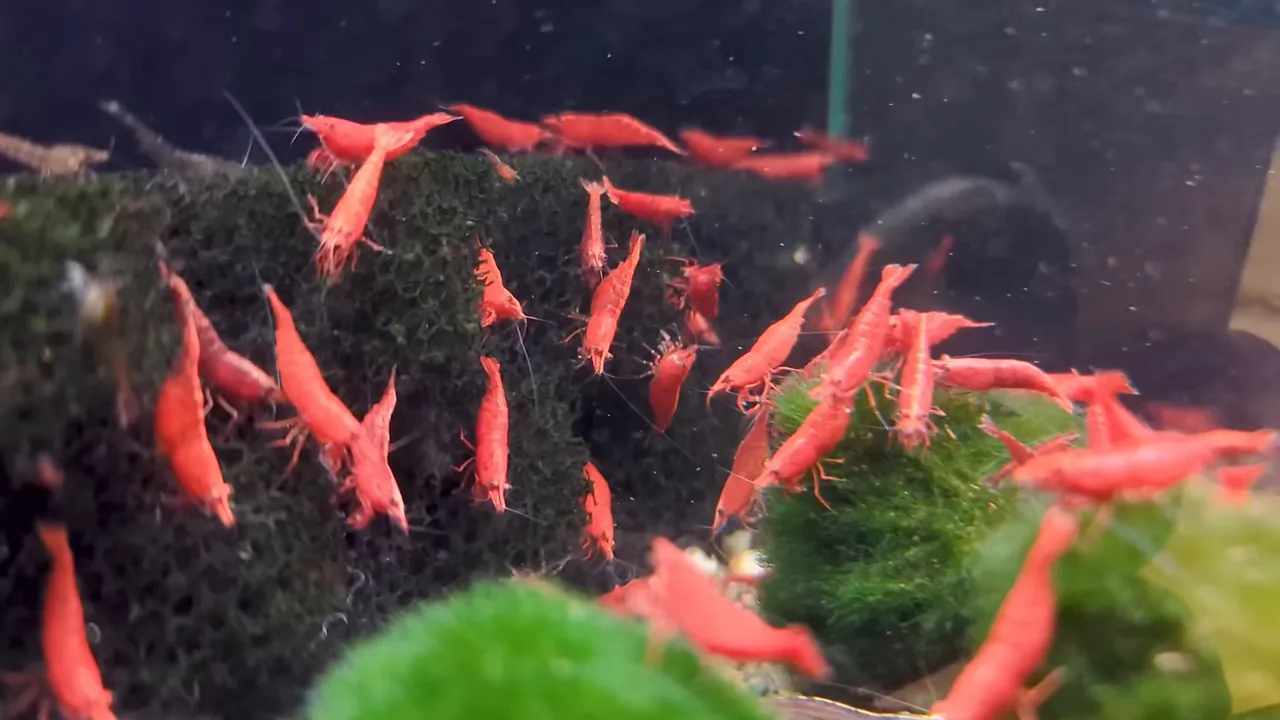
Red cherry shrimp are the most familiar variety, but Neocaridina are available in many colours, including blue, yellow, orange and other selectively bred forms. They are social in the sense that a larger group is generally more visible and confident than a very small group.
The key idea: build an aquarium with abundant surfaces for grazing and shelter, then maintain consistent water conditions.
Neocaridina Shrimp Care at a Glance
| Care factor | Practical target |
|---|---|
| Water temperature | 20 to 26°C, or approximately 70 to 79°F |
| pH | About 6.5 to 8, while avoiding extremes |
| Water hardness | Medium to hard water is generally preferred |
| Best aquarium condition | A mature, clean aquarium with established algae and biofilm |
| Core habitat materials | Plants, rocks, wood, moss and other textured surfaces |
| Colony growth | Most reliable in a shrimp-only aquarium without predators |
How to Set Up a Neocaridina Shrimp Tank
A good Neocaridina aquarium should resemble a sheltered stream or pond edge rather than a bare display tank. The goal is to create cover and maximise usable surface area.
Use hardscape and plants for shelter and grazing
Rocks, aquarium-safe wood and live plants serve two important roles. They give shrimp places to hide, especially after moulting and when young shrimp are growing, while also creating large areas for algae and biofilm to develop.
Include a variety of textures and levels in the layout:
- Rocks provide broad, stable grazing areas and crevices.
- Wood adds intricate surfaces and shelter.
- Plants increase cover and create more surfaces for natural food growth.
- Mossy or fine-textured areas can offer particularly useful refuge for tiny shrimp.
More usable surface area generally means more natural food and more places for babies to avoid being eaten.
Choose plants carefully
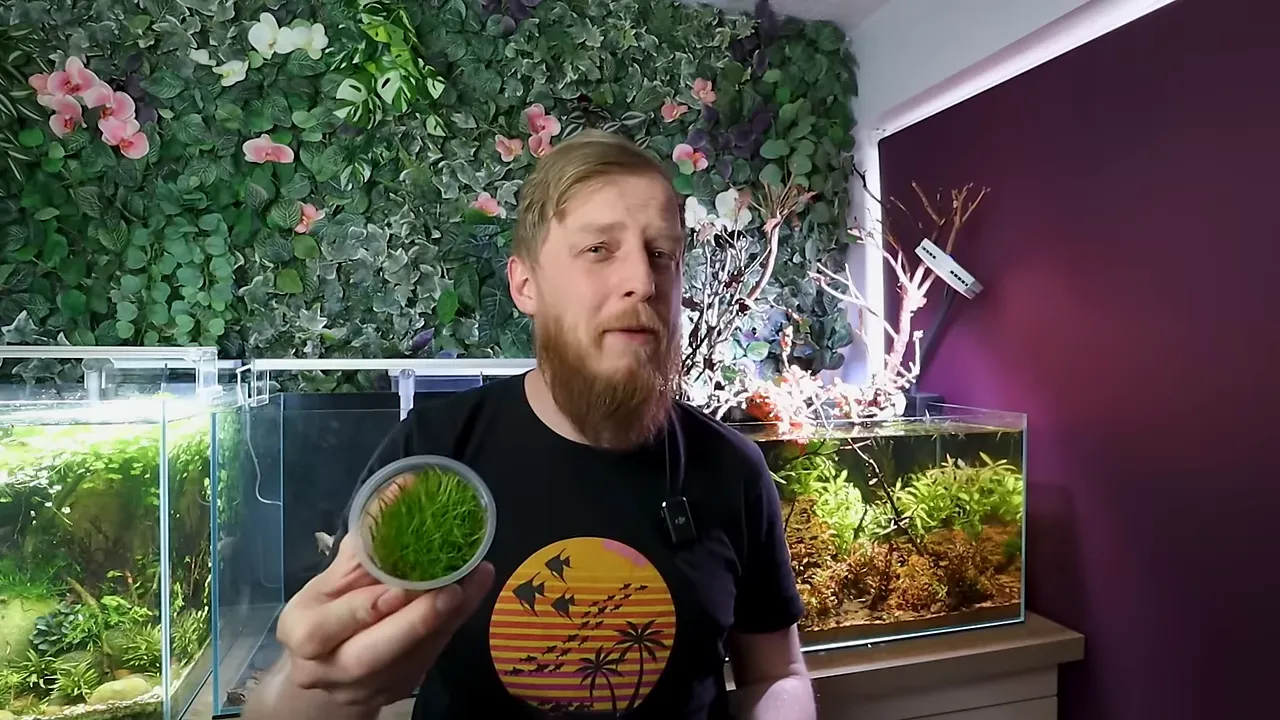
Plants can be an excellent addition to a shrimp tank, but take care with newly purchased plants. Some commercially grown plants may have been exposed to pesticides or insecticides, which can be harmful to shrimp.
One precaution is to soak plants in a separate bucket for several days to around a week, replacing the water regularly before introducing them to the aquarium. Another option is in vitro plants, which are grown in gel under controlled conditions and are supplied without pests, snails or pesticide exposure.
Start with a mature aquarium
Neocaridina shrimp graze continuously. A mature aquarium naturally develops algae and biofilm that support this behaviour. A newly established, spotless tank may look attractive but can offer little natural food for a grazing shrimp colony.
Prepared food can help supplement the diet, but a mature aquarium remains a valuable foundation for long-term shrimp care.
Water Parameters and Water Quality for Neocaridina Shrimp
Neocaridina shrimp are often considered hardy, but they are sensitive to pollutants and toxins. Even small amounts of unsuitable substances can cause serious problems. Stable, clean water matters more than chasing perfect numbers.
Recommended pH and hardness
Neocaridina can live across a reasonably broad range of conditions, though medium to hard water and a pH of approximately 6.5 to 8 are a practical middle ground. Conditions beyond that range may be tolerated, but shrimp may not perform as well.
Avoid sudden changes. Shrimp keeping is fundamentally about maintaining water quality consistently, not repeatedly making dramatic adjustments.
Keep the temperature moderate
Aim for 20 to 26°C, or roughly 70 to 79°F. Neocaridina may be kept outside this range, but there are trade-offs.
- Warmer water speeds up the shrimp's processes and may shorten lifespan.
- Cooler water slows those processes down.
- Moderate, stable temperatures offer a sensible balance for routine care.
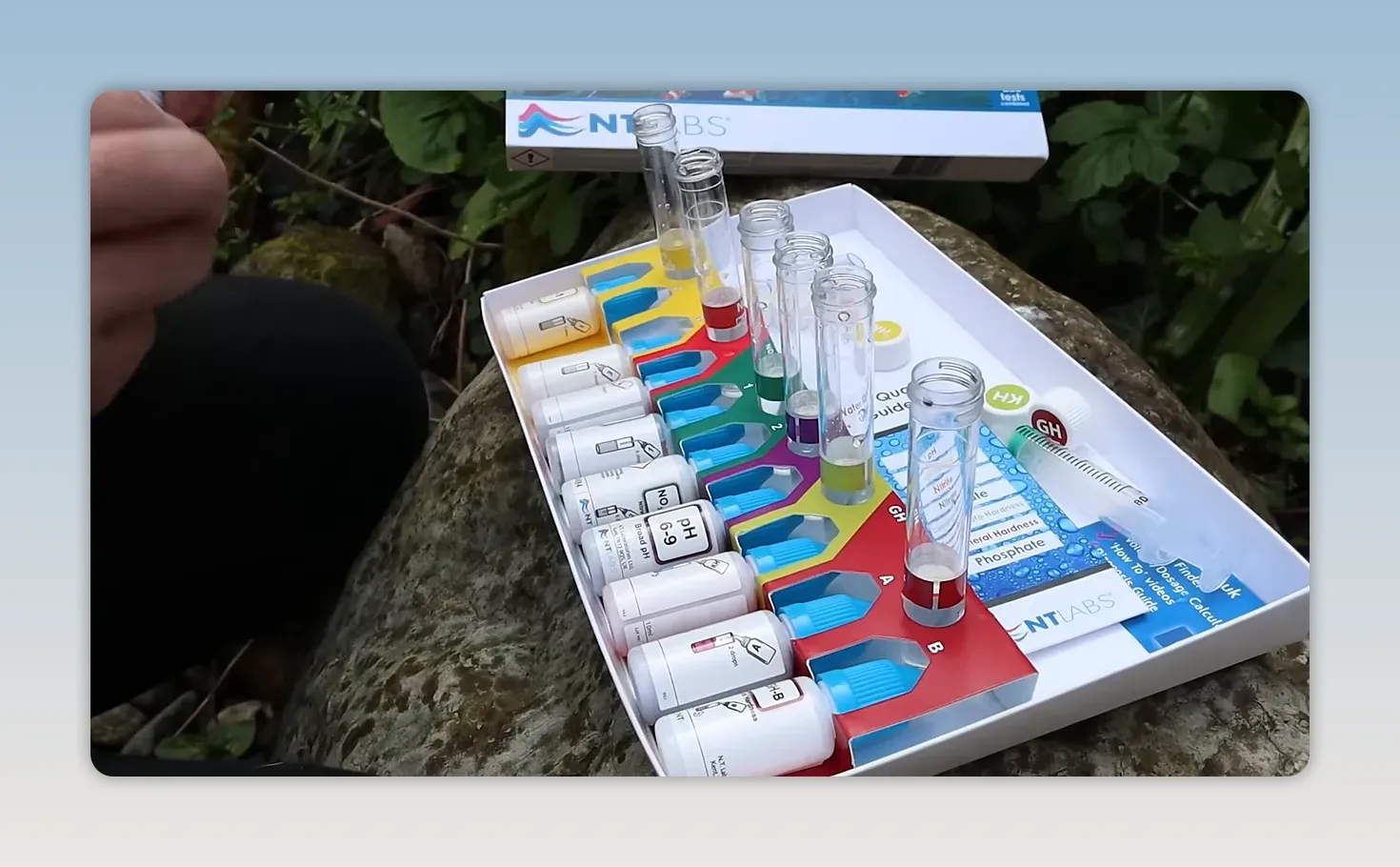
Use a test kit
A water test kit is one of the most useful tools for shrimp keepers. It allows you to monitor aquarium conditions and identify a water-quality issue before it becomes a colony-wide problem.
What Do Neocaridina Shrimp Eat?
Neocaridina shrimp feed naturally on algae and biofilm found throughout the aquarium. In a mature tank, this grazing can provide a substantial part of their diet.
However, a prepared shrimp food is useful when building a breeding colony or when aiming to support the health and survival of more shrimp. Shrimp foods are available as pellets, sticks and tablets, and they commonly provide added nutrients and minerals.
Why mineral-rich shrimp food matters
Prepared foods with minerals, including calcium, support the moulting process and help shrimp harden their new shells. This is especially valuable when shrimp are growing and reproducing.
Offer variety without overfeeding
Cucumber and courgette can be offered as an occasional treat, such as once a week. They add variety, but they should not replace a balanced shrimp diet or be left as a constant food source.
Feeding approach:
- Allow shrimp to graze naturally on established surfaces.
- Use quality prepared shrimp food to supplement their diet.
- Offer vegetables occasionally for variety.
- Feed with restraint and avoid turning food into a source of water pollution.
Best Tank-Mates for Neocaridina Shrimp
Other Neocaridina shrimp are the safest and most reliable tank-mates. A larger colony is typically more active and more frequently seen.
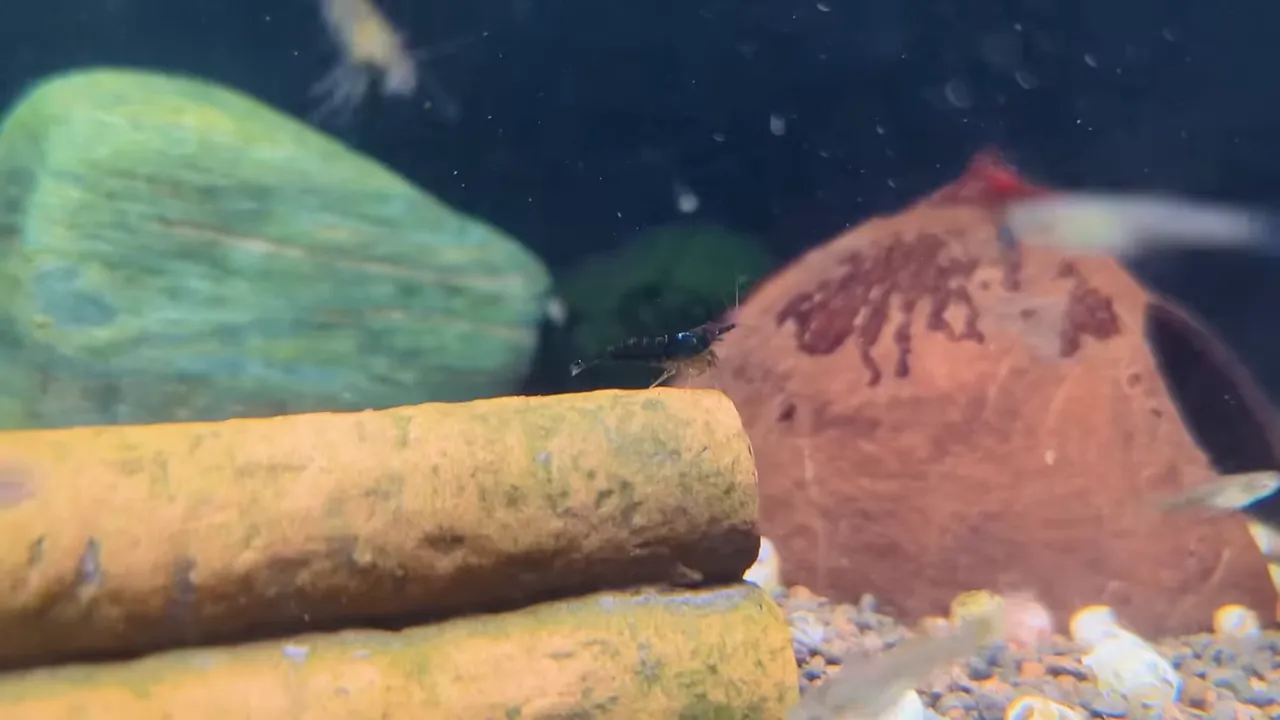
Fish require careful consideration. If a fish can fit a shrimp, particularly a baby shrimp, into its mouth, it may eat it. This is why a community tank can work for adult shrimp while still producing fewer surviving babies.
Fish that may be less risky
Small, non-aggressive nano fish with very small mouths, such as chilli rasboras, can be more suitable than larger fish. Pygmy Corydoras and Otocinclus catfish are also commonly considered gentler options.
However, no fish should be treated as completely safe for baby shrimp. Given an opportunity, even small tank-mates may eat tiny shrimplets.
Choose a shrimp-only tank for maximum breeding success
If the goal is to grow a large, self-sustaining colony, a shrimp-only aquarium is the strongest option. It removes the main predation risk and makes it easier for young shrimp to reach adulthood.
Can different Neocaridina colours live together?
They can, but mixed colour forms may eventually produce offspring that trend back toward more natural brown or grey colouration. Keep a single colour line in one aquarium if maintaining bright, consistent colours is important to you.
How to Breed Neocaridina Shrimp
Breeding Neocaridina shrimp is usually uncomplicated once the aquarium provides stable water, a suitable temperature, appropriate hardness and a reliable food supply. In a well-run tank, a mixed group of mature shrimp can breed without specialised intervention.
How to tell males and females apart
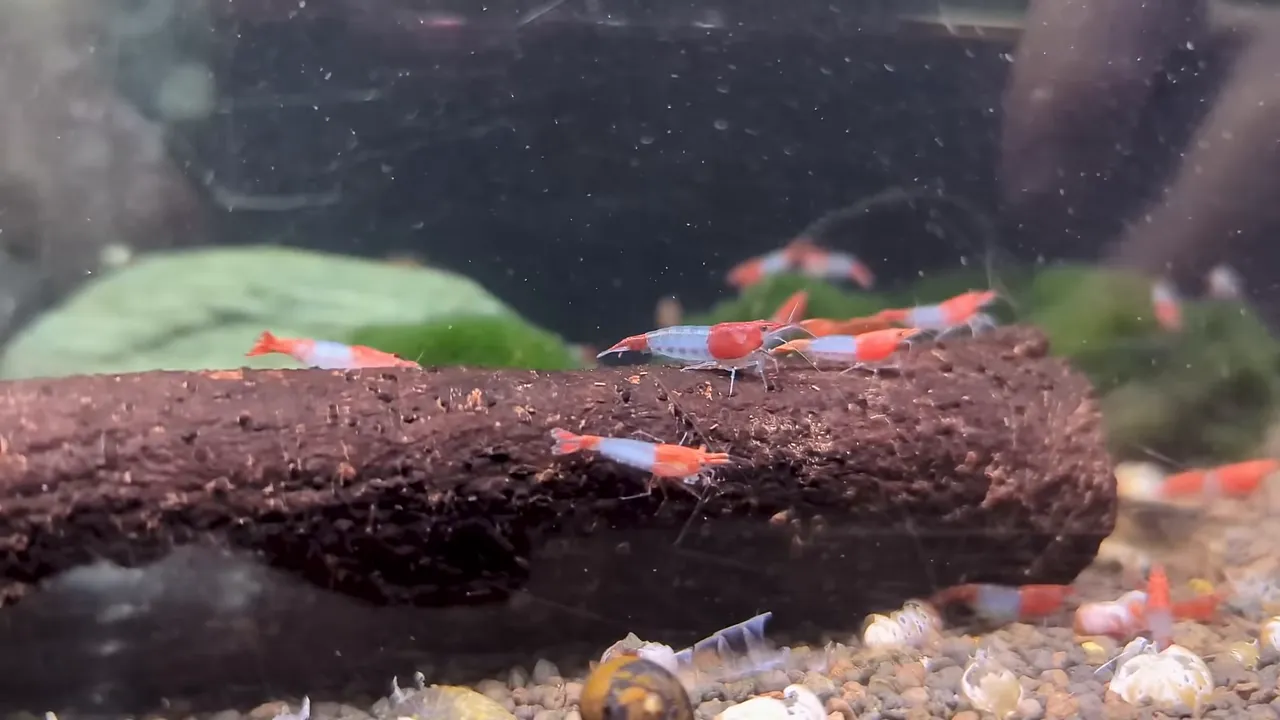
Female Neocaridina are generally larger and stockier than males. Males tend to be slimmer, while females have a fuller body shape because they carry developing eggs.
What is a shrimp saddle?
A saddle is a differently coloured patch visible behind the head on the female's back. It represents eggs developing inside the shrimp. The saddle can be difficult to spot in some colour varieties.
What does a berried shrimp look like?
After mating, a female carries eggs beneath her abdomen, held around her swimming legs. A shrimp carrying eggs is commonly called berried. Once eggs are visible under the female, the focus should be on maintaining stable conditions and ensuring the tank offers safe, food-rich cover for the young.
How to Raise Baby Neocaridina Shrimp
Baby shrimp do not need an elaborate nursery if the aquarium is designed well. Their survival depends largely on avoiding predators and finding enough microscopic food across the tank.
To improve shrimplet survival:
- Keep fish and other potential predators out of the aquarium.
- Provide dense plants, wood, rocks and textured surfaces.
- Encourage biofilm and algae growth rather than making the aquarium excessively sterile.
- Use prepared food so tiny particles and microscopic food sources are available in the water and on surfaces.
As young shrimp grow, they soon join adult shrimp at feeding time. A stable colony can then develop into an ongoing cycle of adults breeding and new shrimp reaching maturity.
Filtration: How to Keep Shrimp Out of the Filter
Neocaridina shrimp are curious and may explore filter inlets, pipes and other openings. They may even survive and breed inside an external filter because it contains food-rich media, but that is not where most keepers want their colony to live.
Prevent access to filter intakes by fitting a piece of foam over the inlet. This can stop shrimp from entering while also creating another surface for biofilm to grow.
Are sponge filters good for shrimp tanks?
Air-driven sponge filters are a useful option for shrimp aquariums. They reduce the risk of shrimp entering a powerful intake, provide filtration and develop a biofilm-coated surface that shrimp can graze on.
A combined approach can also work: protect a standard filter inlet with foam and use a sponge filter for additional filtration and grazing area.
Medications and Chemicals: A Major Shrimp Safety Risk
Many fish medications are not safe for shrimp. This becomes particularly important in mixed community tanks, where fish may need treatment while shrimp remain in the aquarium.
Before adding any medication or chemical:
- Read the product label and full instructions.
- Confirm that the treatment is explicitly shrimp-safe.
- Consider moving affected fish to a separate quarantine tank for treatment if the product is unsuitable for shrimp.
Do not assume a product safe for fish is safe for invertebrates. Shrimp are especially vulnerable to inappropriate treatments and contaminants.
Common Neocaridina Shrimp Care Mistakes
Keeping shrimp in an immature, overly clean aquarium
Shrimp rely on natural grazing. A mature aquarium with biofilm, algae and varied surfaces offers more reliable day-to-day food than a bare environment.
Providing too few hiding places
Open layouts leave shrimp, especially babies, exposed. Use plants, wood and rockwork to build cover and increase grazing space.
Adding untreated plants without considering pesticide risk
New plants can introduce unwanted chemical exposure. Soak them with regular water changes or choose in vitro plants where appropriate.
Assuming small fish cannot eat baby shrimp
Small, peaceful fish may be relatively compatible with adult shrimp, but tiny shrimplets remain vulnerable. A shrimp-only aquarium is the safer choice for colony expansion.
Mixing colour lines when colour consistency matters
Mixed Neocaridina colours can result in offspring returning toward wild-type brown and grey shades. Keep one colour line per aquarium if selective colour breeding is the aim.
Using fish medication without checking the label
Treatments and other aquarium chemicals can be fatal to shrimp. Always check invertebrate safety before dosing a mixed aquarium.
Neocaridina Shrimp Care Checklist
- Water: clean, stable and monitored with a test kit.
- pH: approximately 6.5 to 8.
- Temperature: 20 to 26°C.
- Hardness: medium to hard water is a practical target.
- Habitat: plants, rock, wood and plenty of surface area.
- Food: biofilm and algae plus prepared shrimp food.
- Plants: soak potentially treated plants or use in vitro plants.
- Filter safety: cover intakes with foam or use a sponge filter.
- Tank-mates: avoid fish if maximising baby survival is the priority.
- Chemicals: use only treatments confirmed safe for shrimp.
Frequently Asked Questions
Are Neocaridina shrimp easy to keep?
They are considered among the easier freshwater shrimp to keep, provided their aquarium has stable water conditions, low pollution, established grazing surfaces and no unsuitable chemicals.
What temperature do Neocaridina shrimp need?
A temperature of 20 to 26°C, or about 70 to 79°F, is a sensible target range. Warmer conditions speed up their processes and may reduce lifespan, while cooler conditions slow them down.
Can Neocaridina shrimp live with fish?
They can live with small, non-aggressive fish, but fish may eat baby shrimp. A shrimp-only aquarium gives the best chance of raising a large colony.
Do Neocaridina shrimp need to be fed?
They graze on algae and biofilm in a mature aquarium, but prepared shrimp food provides valuable nutrients and minerals. Supplementary feeding is particularly useful for healthy colonies and better baby survival.
Why are my Neocaridina shrimp hiding in the filter?
Shrimp naturally explore and may enter filter inlets or external filters. Cover the intake with foam or use an air-driven sponge filter to prevent this while providing an additional grazing surface.
Will mixed cherry shrimp colours stay bright?
Not necessarily. When different colour forms breed together, later generations can revert toward brown or grey wild-type colouration. Keep one colour form per tank to maintain a stronger colour line.
Final Takeaway
A thriving Neocaridina shrimp tank is built on stability and surface area. Keep the water clean and within a moderate range, create a planted and textured environment, feed a balanced shrimp diet and protect the colony from predators, filter intakes and shrimp-unsafe medications.
When those fundamentals are in place, Neocaridina shrimp can establish an active, colourful colony that continues breeding with minimal intervention.