Dragon Stone, also called Ohko Stone, is a popular aquascaping rock for planted aquariums. Its naturally pitted surface, layered texture and irregular holes create an aged, rocky appearance with relatively little effort. It is particularly useful for building height, forming detailed focal points and adding smaller pieces around a larger hardscape.
To use Dragon Stone successfully, start with a mix of sizes, clean it carefully, arrange it with a clear sense of scale, and maintain regular aquarium water changes once the scape is established.
Table of Contents
- What Is Dragon Stone?
- Does Dragon Stone Affect Aquarium Water Chemistry?
- Why Dragon Stone Works Well for Aquascaping
- How to Choose Dragon Stone for an Aquarium Layout
- How to Arrange Dragon Stone Step by Step
- How to Clean Dragon Stone Before Adding It to an Aquarium
- Common Dragon Stone Aquascaping Mistakes
- Is Dragon Stone Good for Beginners?
- Dragon Stone Aquascaping Checklist
- Key Takeaway
- Frequently Asked Questions
What Is Dragon Stone?
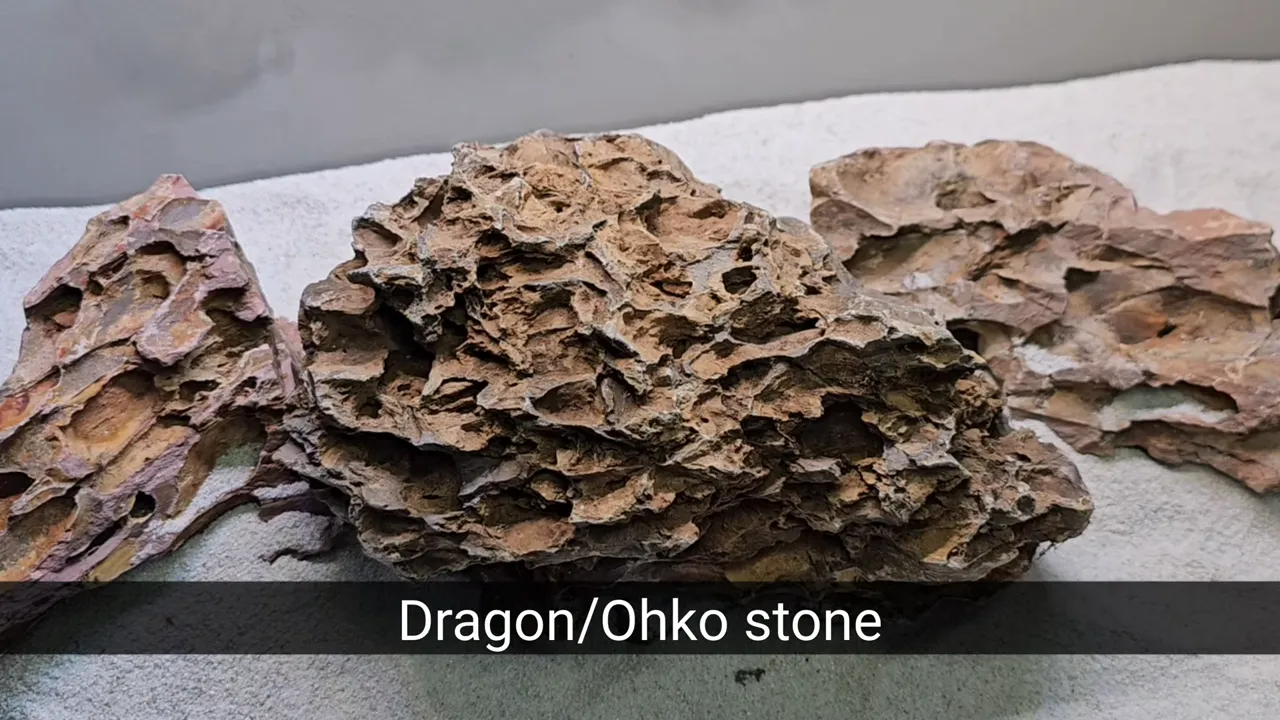
Dragon Stone is a clay-based aquascaping stone known for its rough, perforated surface. The pits and ridges give it a texture often compared with dragon scales, which is where its common name comes from.
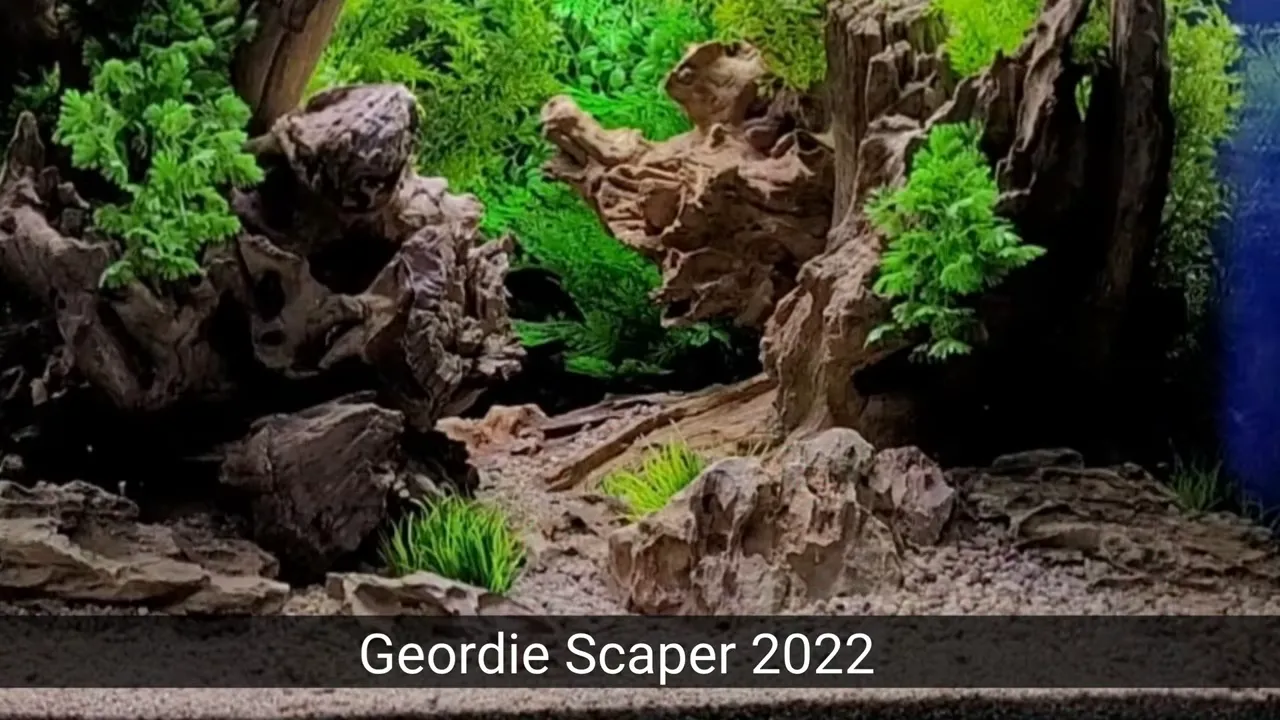
Its visual complexity is its main advantage. A single piece can already look weathered and natural, while several carefully arranged pieces can suggest a cliff, mountain slope, rocky bank or planted ravine.
Does Dragon Stone Affect Aquarium Water Chemistry?
Dragon Stone does not affect aquarium water chemistry. That makes it a practical hardscape choice when the goal is to create a detailed layout without using a stone that changes water parameters.
However, water quality still depends on the aquarium as a whole. Fish waste, plant debris, detritus and other pollutants can accumulate regardless of the rock used. A consistent maintenance routine remains important.
Maintain regular water changes
A useful baseline is a 50% water change each week. Regular water changes dilute accumulated waste and help keep the aquarium balanced. This can reduce the conditions that contribute to dirty water and algae blooms.
In simple terms, dilution is an effective way to manage pollution in a closed aquarium system.
Why Dragon Stone Works Well for Aquascaping
It has built-in texture
Many smooth rocks need careful placement and planting before they begin to look interesting. Dragon Stone already has fissures, small cavities and irregular edges. These features make even a modest layout appear more detailed.
It comes in useful size grades
Dragon Stone can be used from gravel-sized fragments to much larger feature rocks. Combining sizes helps the scape look more natural and gives the design a clearer sense of perspective.
- Large pieces establish the main focal structure and overall height.
- Medium pieces support the main stones and bridge awkward gaps.
- Small pieces and gravel soften transitions and make the base look more believable.
It stacks well for height
Dragon Stone is well suited to taller structures because pieces can be layered to create elevation. This is valuable in aquariums where the available footprint is limited but the design needs depth and vertical impact.
Use larger pieces as the visual foundation, then build upward with stones that follow the same general direction and texture. Avoid a pile of unrelated rocks. The arrangement should read as one connected formation.
How to Choose Dragon Stone for an Aquarium Layout
Choose rocks as a group rather than selecting every piece in isolation. Look for pieces that appear to belong together in colour, texture and overall character.
Choose a main stone first
Start with the largest or most visually distinctive rock. This is the piece that establishes the scale and direction of the composition. Its ridges, holes and silhouette should give the layout a clear focal point.
Add supporting stones
Select medium rocks that can sit beside, behind or partially beneath the main stone. Their job is to continue the same visual flow rather than compete for attention.
Use small fragments deliberately
Small Dragon Stone pieces are not just leftovers. They can be placed around the base of larger rocks to make the transition into the substrate feel less abrupt. They also help connect separate stones into a single rocky formation.
Check the stone from the intended viewing side
A piece that looks impressive from above may look flat from the front. Before finalising placement, assess the layout from the aquarium’s main display angle. Prioritise the visible outline, height and gaps between stones.
How to Arrange Dragon Stone Step by Step
- Decide on the landscape idea. Choose a simple concept such as a slope, ridge, cliff or valley. A clear idea makes stone placement more consistent.
- Place the largest stones first. Establish the main mass and the tallest point before adding details.
- Keep a consistent direction. Let layered faces and major lines point in a similar direction so the rocks appear naturally related.
- Build height with layers. Stack stones to create elevation rather than spreading every rock evenly across the substrate.
- Fit medium stones around the structure. Use them to extend the main formation and reduce empty, unnatural-looking spaces.
- Finish with small pieces. Add fragments near the base and between major rocks to create a gradual, natural transition.
- Review the composition before filling the aquarium. Adjust the arrangement until the layout feels balanced and connected.
Create depth through scale
Place larger stones toward the main focal area and use smaller stones where the layout needs a sense of distance. This approach helps a compact aquarium feel more expansive. The smallest fragments can suggest that the larger formation continues beyond the visible hardscape.
Use the holes and crevices as visual assets
Dragon Stone’s cavities are part of its appeal. Turn textured faces toward the front where possible, especially on the primary rocks. A smooth or less detailed side can be hidden behind other stones or planting.
How to Clean Dragon Stone Before Adding It to an Aquarium
Although Dragon Stone does not alter water chemistry, it is clay-based and can carry substantial dust. Cleaning it before installation is essential to reduce loose debris entering the aquarium.
Recommended cleaning method
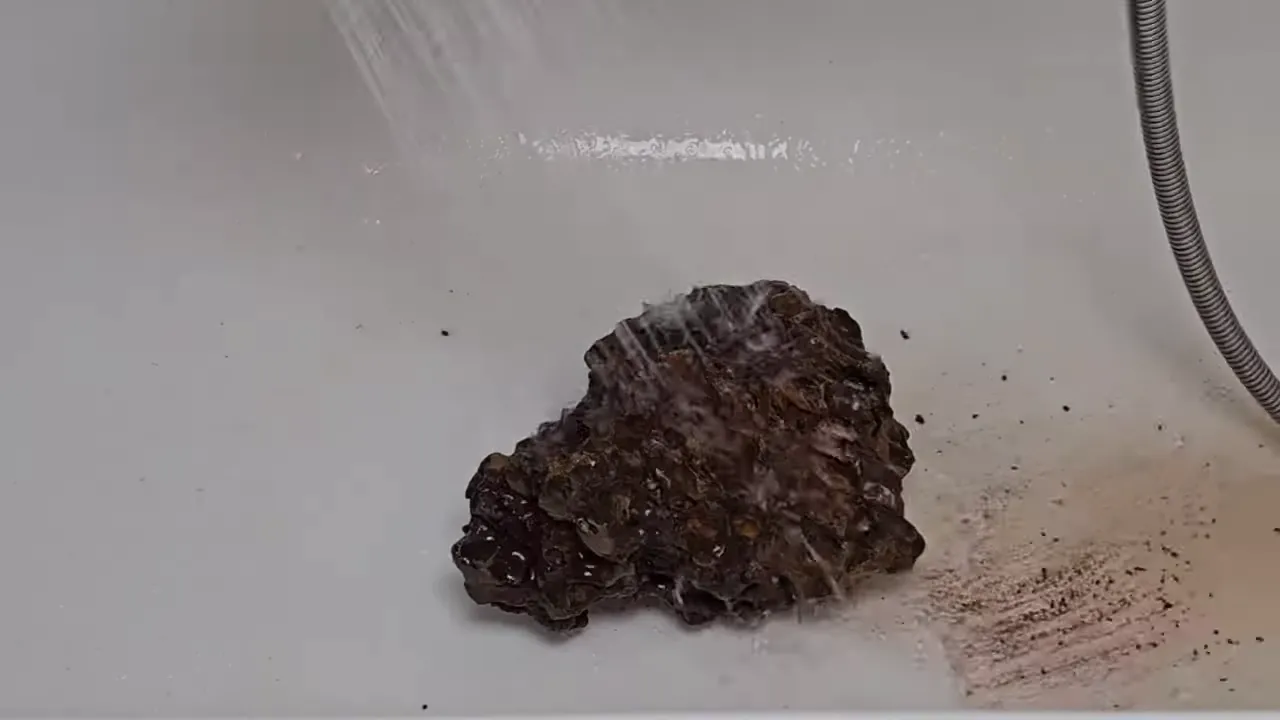
- Place the stone in a suitable area such as a bath.
- Rinse each piece thoroughly with shower water.
- Allow the water to run through holes, crevices and layered surfaces.
- Continue rinsing until as much loose dust as possible has been removed.
- Handle each piece carefully while moving it into the aquarium.
Do not use a jet wash
A pressure or jet wash is not recommended. Because Dragon Stone is clay-based, a powerful water jet can break off parts of the rock. A thorough but gentler shower rinse removes dust while reducing the risk of damaging the stone’s delicate features.
Common Dragon Stone Aquascaping Mistakes
Adding dusty rock straight to the aquarium
Skipping the rinse can introduce a large amount of clay dust. Clean every piece before it goes into the tank, including small fragments.
Using only one rock size
An arrangement made entirely from similarly sized rocks can look repetitive or flat. A combination of large, medium and small pieces gives the hardscape more depth and makes the main stones appear more convincing.
Creating height without a unified structure
Stacking is effective, but random stacking can look unstable and visually disconnected. Build one clear rock formation, using supporting stones to continue the angle and character of the main piece.
Ignoring weekly maintenance because the stone is inert
Dragon Stone may not change water chemistry, but it does not eliminate the need for maintenance. Continue regular water changes to manage detritus, waste and general water quality.
Using excessive force during cleaning
The stone’s holes and textured ridges are a major feature, but they can also be fragile. Avoid jet washing and handle the rock with care.
Is Dragon Stone Good for Beginners?
Yes. Dragon Stone is a strong option for beginners because its highly detailed appearance makes it easier to create an interesting layout. It also suits experienced aquascapers who want to build more elaborate height and layered formations.
The most important skill is not perfection. Begin with a simple composition, use varied stone sizes, and adjust the arrangement until the formation looks cohesive from the front.
Dragon Stone Aquascaping Checklist
- Select a range of sizes: large feature stones, medium supports and small fragments.
- Choose a focal stone: use it to set the layout’s scale and direction.
- Rinse all pieces thoroughly: remove clay dust with a gentle shower rinse.
- Avoid pressure washing: the clay-based rock can chip or break.
- Build height in layers: stack stones to make the hardscape more dimensional.
- Use smaller pieces at the base: blend the formation into the substrate.
- Check the front view: assess the composition from the intended display angle.
- Keep up weekly 50% water changes: maintain balance and dilute accumulated pollutants.
Key Takeaway
Dragon Stone is an effective aquascaping material for creating textured, natural-looking rocky layouts. Its detailed surface, availability in different sizes and ability to form height make it flexible for everything from simple planted-tank focal points to more intricate mountain and valley designs.
Clean it gently before use, build with a mix of sizes, and treat regular water changes as part of the aquascape’s long-term care.
Frequently Asked Questions
Does Dragon Stone raise pH or change aquarium water chemistry?
Dragon Stone does not affect aquarium water chemistry. Normal aquarium maintenance is still required to manage waste, detritus and overall water quality.
Do you need to clean Dragon Stone before putting it in an aquarium?
Yes. Dragon Stone is clay-based and can carry a lot of dust. Rinse it thoroughly under shower water before placing it in the aquarium.
Can you pressure wash Dragon Stone?
No. A jet wash can damage the stone because parts of its clay-based structure can break away. Use a gentler shower rinse instead.
Can Dragon Stone be stacked in an aquascape?
Yes. Dragon Stone stacks well and is useful for creating height. Use larger stones to establish the structure and smaller stones to support the composition and blend it into the substrate.
Why use small Dragon Stone pieces in an aquascape?
Small pieces and gravel help create more natural transitions around larger rocks. They also add detail and support a stronger sense of depth and scale.