Black beard algae, also called black brush algae or BBA, is one of the most persistent algae problems in planted aquariums. It grips hardscape, plant leaves and equipment tightly, so simply scrubbing it away rarely solves the underlying issue.
The most reliable approach is to remove or kill the existing algae, then correct the conditions that allowed it to grow. In many planted tanks, that means improving CO2 consistency, moderating lighting, avoiding excessive fertiliser dosing and keeping the aquarium clean.
Table of Contents
- What is black beard algae?
- Why black beard algae appears
- How to remove black beard algae
- How to stop black beard algae from coming back
- A practical BBA recovery plan
- Common black beard algae mistakes to avoid
- Frequently asked questions
- Key takeaway
What is black beard algae?
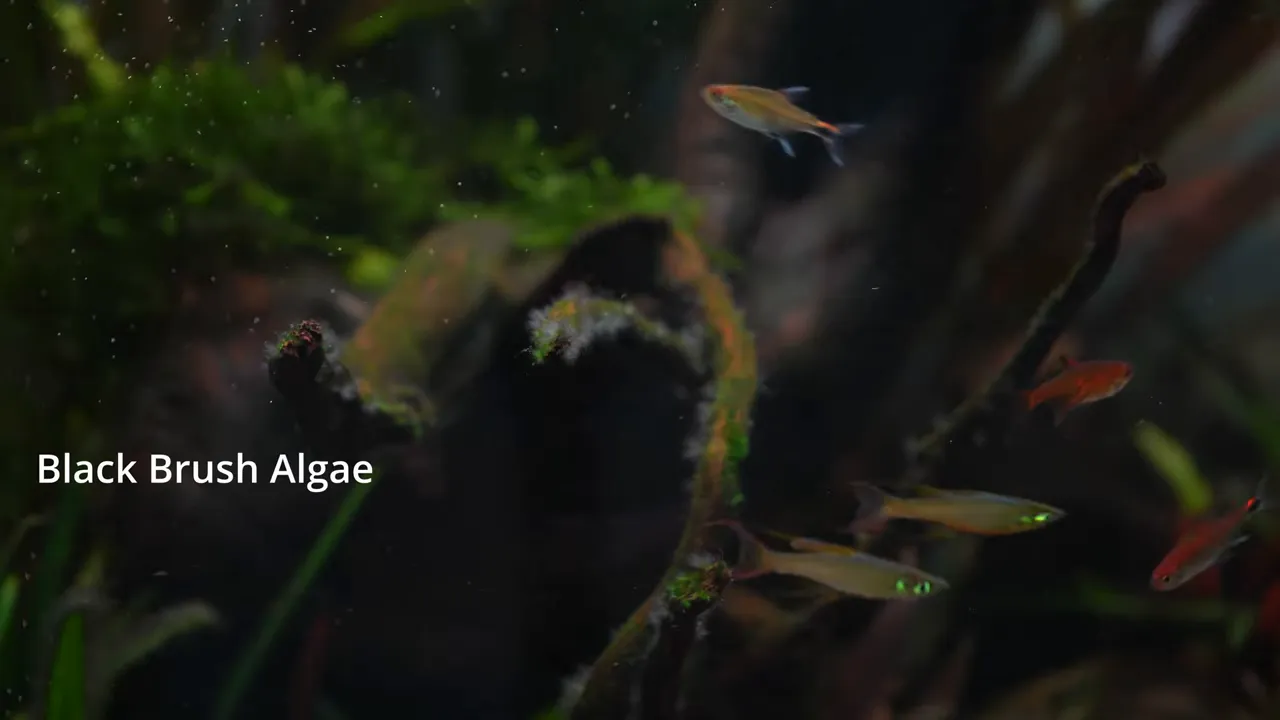
Black beard algae is a fluffy, brush-like growth that forms small tufts on aquarium surfaces. Despite its name, it is not always truly black. It may appear dark green, grey or nearly black, especially when healthy and established.
BBA commonly grows on:
- Slow-growing plant leaves and stems
- Driftwood, stones and other hardscape
- Filter pipes, CO2 equipment and other aquarium hardware
- Areas with uneven water movement
A useful sign that treatment is working is a colour change. Treated BBA can turn reddish before it dies off. At that stage, algae-eating animals may show more interest in it than they do when it is healthy and dark.
Why black beard algae appears
In planted aquariums, BBA is often connected to CO2 problems. The issue may be no CO2 injection, insufficient CO2 or CO2 levels that fluctuate through the day. Plants struggle when their available carbon supply is inconsistent, while BBA can gain a foothold.
Other conditions that can contribute include:
- Too much light for the aquarium’s plant growth and CO2 availability
- Excess nutrients, particularly excessive iron supplementation
- Organic waste accumulation in a poorly maintained aquarium
- Inadequate filtration or circulation, leaving some areas less supplied with CO2-enriched water
These factors often overlap. For example, a high-intensity light with inconsistent CO2 and heavy fertiliser dosing creates a more algae-friendly environment than any one factor alone.
How to remove black beard algae
Choose a method based on how widespread the infestation is, the livestock in the aquarium and whether the affected surface can be removed. Combining a treatment method with better aquarium conditions gives the strongest chance of long-term success.
1. Remove what you can manually
Manual removal is useful for small patches. Use a brush on hardscape or equipment, and remove heavily affected leaves by trimming them. However, BBA attaches strongly, so brushing alone is usually not enough for dense growth.
Manual removal works best as an initial clean-up step before addressing the cause. Avoid aggressively damaging plants just to save a leaf that is heavily covered in algae. In many cases, trimming the affected growth is the cleaner option.
2. Treat BBA with hydrogen peroxide or glutaraldehyde
Chemical treatment can be effective against black beard algae. Two options are hydrogen peroxide and glutaraldehyde-based liquid carbon products. These treatments can be added to the water column or applied precisely to affected areas with a small syringe.
Spot treatment allows the chemical to reach the algae directly while limiting exposure elsewhere in the aquarium. A more direct method is to lower the water level and apply treatment to exposed algae with a small paintbrush. This can be highly effective, but it also raises the risk of accidentally contacting plants or animals.
For 3% hydrogen peroxide, a conservative maximum guideline is 20 ml per 100 litres per day. For glutaraldehyde-based products, do not exceed twice the product’s recommended dose.
Use careful, measured dosing. More treatment is not automatically better, and direct application requires particular care around livestock and desirable plants.
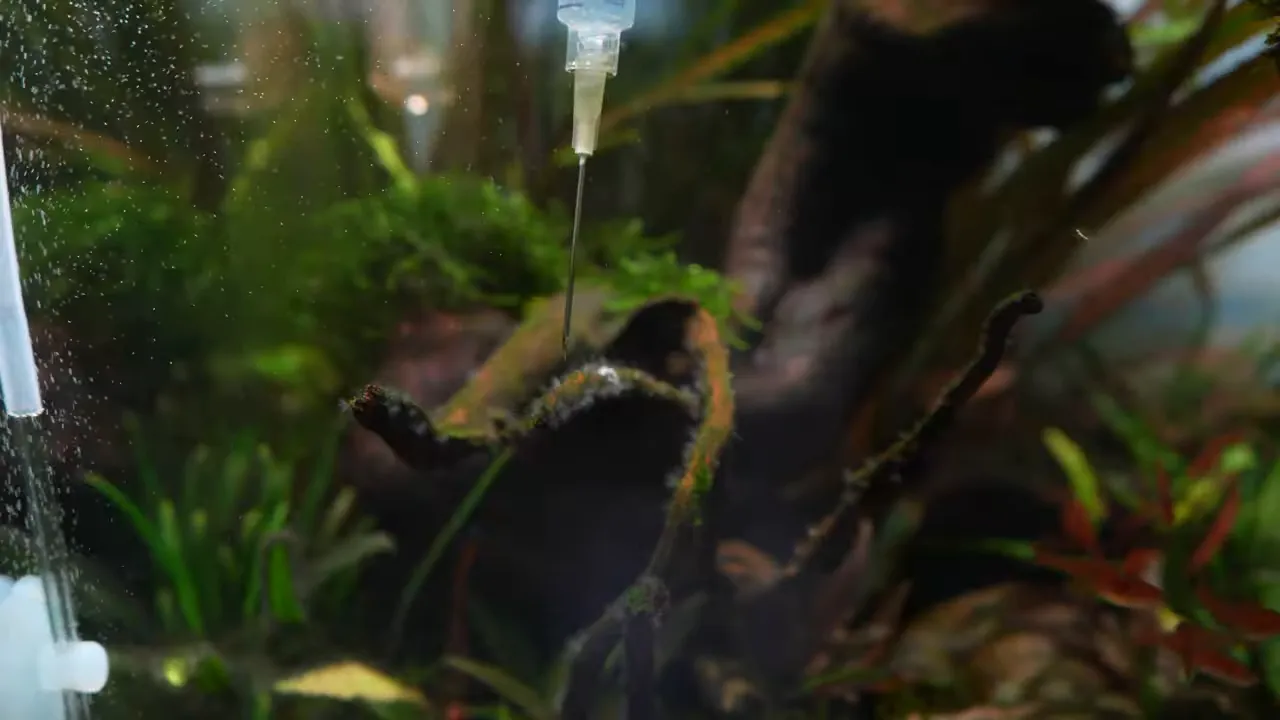
After treatment, allow several days for the BBA to discolour and die. Reddening is a positive sign that the algae has been damaged.
3. Add appropriate algae eaters
An algae clean-up crew can assist with BBA control, especially once the algae is weakened. It should support good aquarium management rather than replace it.
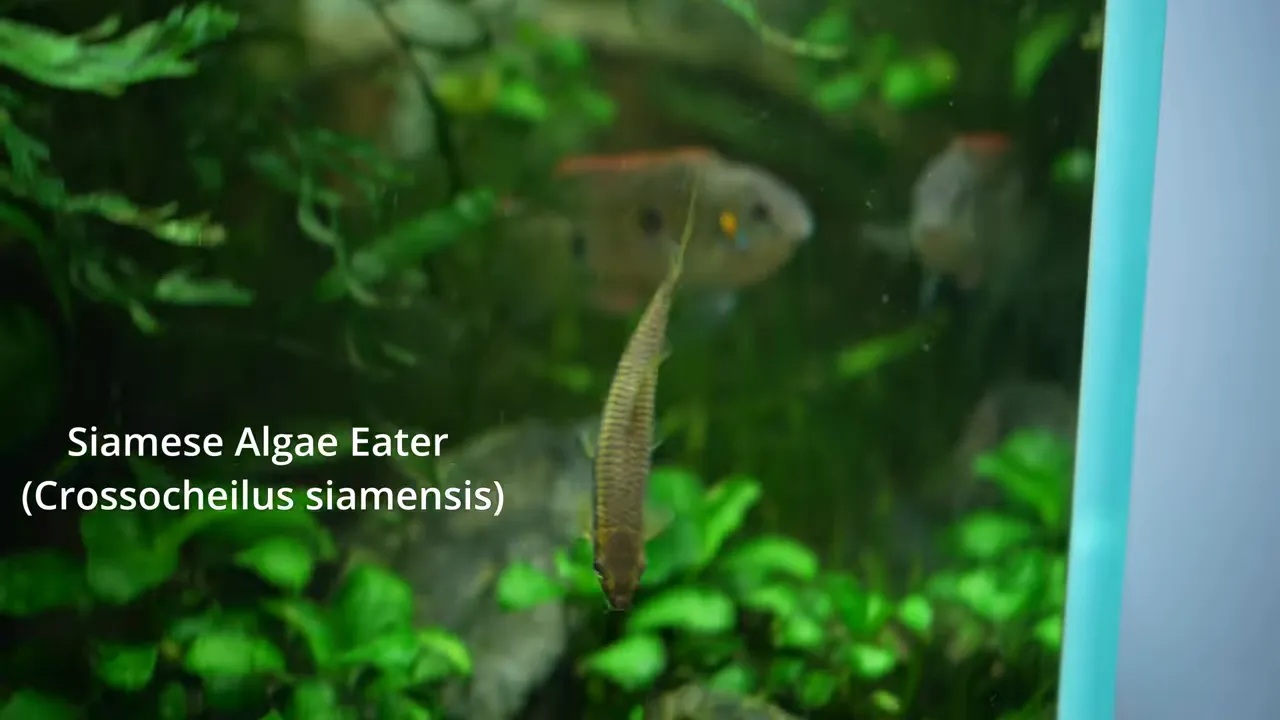
- Siamese algae eaters are a strong option for larger aquariums and are particularly effective when young.
- Clithon snails, also called horned nerites, are better suited to nano aquariums. They are less effective than Siamese algae eaters but can help when kept in suitable numbers.
Do not expect algae eaters to resolve a rapidly worsening BBA outbreak on their own. If CO2, lighting or maintenance remains out of balance, the algae can continue to return.
How to stop black beard algae from coming back
Keep CO2 stable and well distributed
For a CO2-injected planted tank, consistency matters as much as the amount supplied. A good regulator should provide a steady bubble rate rather than irregular output. Put CO2 on a timer so it begins at least one hour before the lights turn on.
Water movement is equally important. The filter should be strong enough to distribute CO2-enriched water throughout the aquarium, including areas around dense plants and hardscape where BBA often develops.
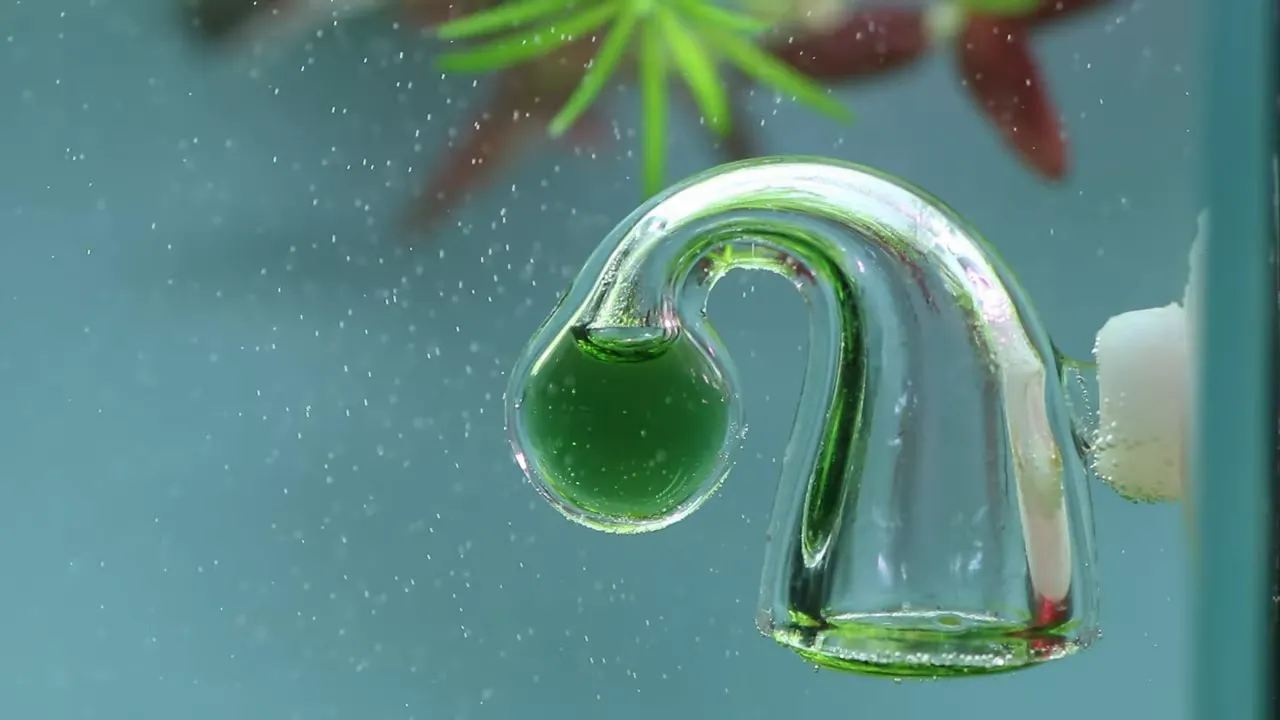
A CO2 drop checker helps confirm whether the aquarium is receiving sufficient CO2. Treat it as a monitoring tool alongside plant growth, circulation and the overall condition of the aquarium.
Reduce excessive light
Too much light can encourage BBA and other algae types. Assess whether the aquarium light is stronger than the plants and CO2 system can support. If necessary, dim the fixture or use floating plants to soften the light reaching the aquarium.
Keep lighting on a timer so the photoperiod is consistent every day. A useful starting range is:
- Six to eight hours daily for stronger lighting
- Up to 10 hours daily for lower-intensity lighting
Longer lighting periods are not automatically better for plants. If plant growth is limited by inconsistent CO2, poor flow or other factors, extra light can favour algae instead.
Review fertiliser and iron dosing
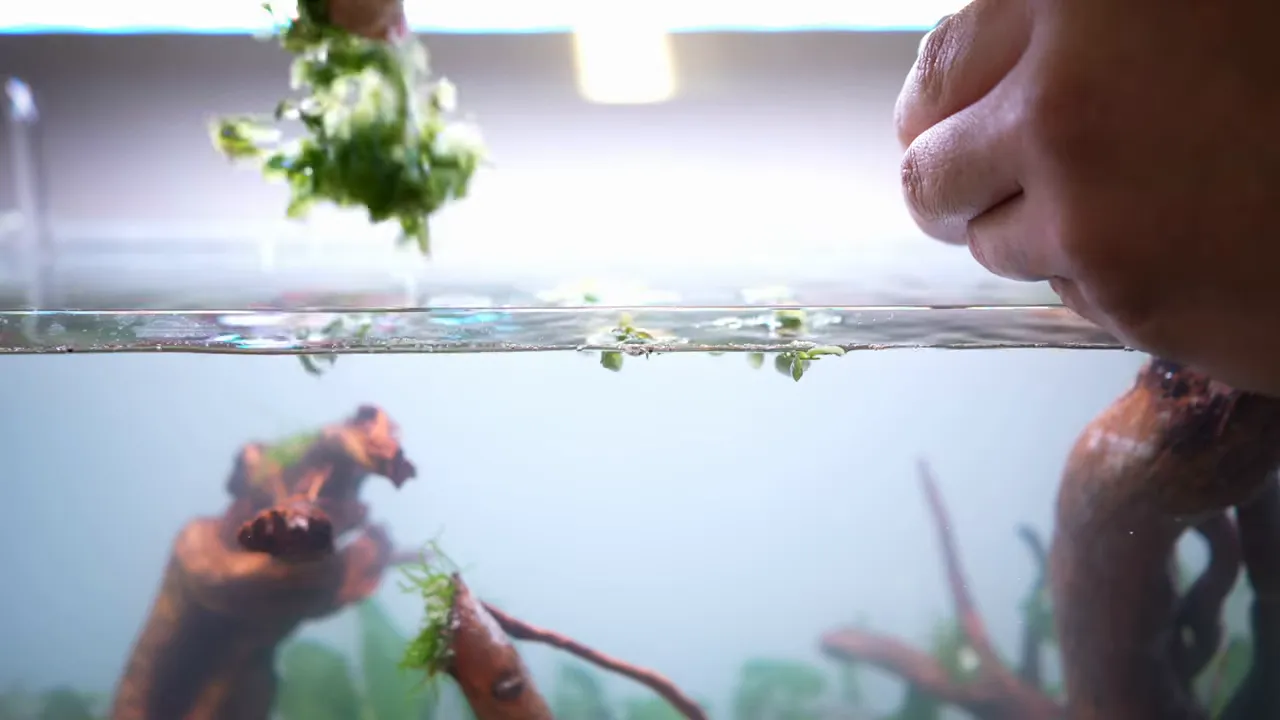
Overdosing liquid fertiliser can contribute to algae problems. Extra iron deserves particular attention because plants need only small amounts of this micronutrient. Adding large quantities of separate iron fertiliser in pursuit of redder plant colour can be counterproductive when BBA is present.
If you are dosing additional iron and dealing with BBA, reduce it or pause it, then observe how both the plants and algae respond. A complete fertiliser containing a modest amount of iron may be sufficient for many planted aquariums.
Make one measured change at a time where possible. This makes it easier to identify whether lighting, fertiliser or CO2 adjustments are improving the situation.
Improve maintenance and aquarium cleanliness
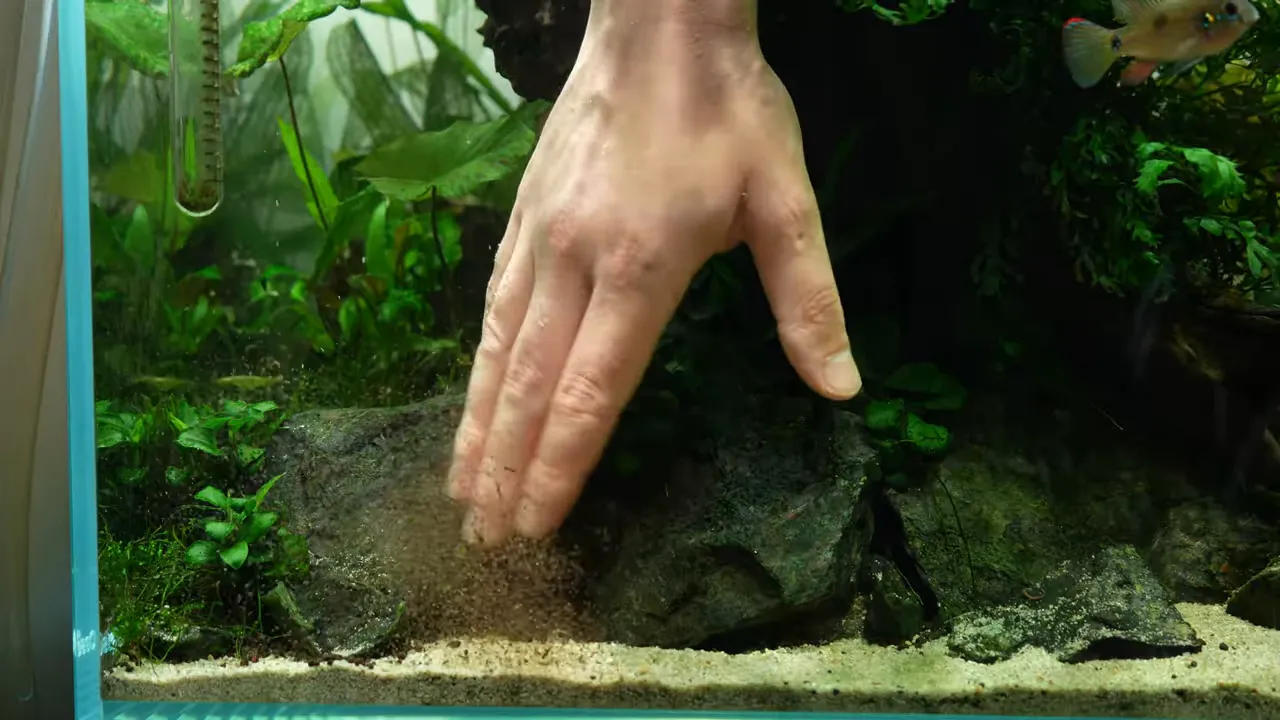
Organic waste can make an aquarium more prone to BBA. Regular maintenance, adequate filtration and sensible stocking all help limit the accumulation of waste that can raise nitrate and phosphate levels.
Use this practical maintenance checklist:
- Remove decaying leaves and visible debris.
- Clean accessible hardscape and equipment during routine maintenance.
- Check that the filter is adequate for the aquarium’s size.
- Ensure flow reaches all areas rather than leaving stagnant corners.
- Keep water changes and cleaning on a consistent schedule.
- Review nutrient dosing instead of adding fertiliser by habit.
A practical BBA recovery plan
If black beard algae is spreading, avoid changing everything at once. Use a simple sequence that addresses both existing growth and the aquarium conditions behind it.
- Assess the spread. Identify affected plants, hardscape and equipment.
- Remove the worst growth. Trim heavily affected leaves and brush accessible surfaces.
- Choose a treatment. Use careful spot treatment where appropriate, or rely on manual removal and a suitable clean-up crew if avoiding chemicals.
- Stabilise CO2. Check timing, regulator consistency and circulation.
- Reduce excessive light. Shorten or dim the photoperiod if it is too strong for the system.
- Review fertiliser. Avoid excessive liquid fertiliser and consider reducing separate iron dosing.
- Maintain consistently. Remove waste, check filtration and prevent dirty areas from building up.
Common black beard algae mistakes to avoid
- Treating only the visible algae. Killing BBA without fixing unstable CO2, excessive lighting or dirty conditions often leads to recurrence.
- Overdosing chemical treatments. Stay within the stated limits and avoid careless application around plants and livestock.
- Using algae eaters as the only solution. They can help, but they cannot correct poor CO2 consistency or excessive light.
- Extending the light period to force plant growth. More light can worsen algae when the rest of the aquarium is not balanced.
- Adding extra iron unnecessarily. Red plants do not necessarily require heavy iron supplementation.
- Panicking over a few tufts in a new aquarium. Small amounts of BBA can occur while a tank settles. Take action when it spreads quickly or becomes unsightly.
Frequently asked questions
Why is black beard algae turning red?
Reddening usually indicates that BBA has been damaged or killed by treatment. It may take a few days for this colour change to appear, and weakened algae can become more appealing to algae-eating fish and snails.
Can Siamese algae eaters eat black beard algae?
Yes. Siamese algae eaters can be effective BBA eaters, particularly when they are young, and are best suited to larger aquariums. They work best alongside stable CO2, suitable lighting and good maintenance.
Can I get rid of black beard algae without chemicals?
Yes. Trim affected leaves, remove algae manually where possible, improve CO2 and water circulation, reduce excessive lighting, manage fertiliser dosing and maintain the aquarium regularly. Siamese algae eaters or Clithon snails can also help, depending on aquarium size.
What is the main cause of black beard algae in planted tanks?
CO2 issues are a major cause in planted aquariums, especially insufficient or fluctuating CO2. Excessive light, excess nutrients and organic waste can also contribute to BBA growth.
How long should aquarium lights be on when dealing with BBA?
Use a consistent photoperiod. Six to eight hours is a useful range for stronger lighting, while lower-intensity lighting can run for up to 10 hours. Avoid extending the light period beyond what the aquarium can support.
Key takeaway
The best way to get rid of black beard algae is not a single product or animal. Remove the visible growth, treat carefully when needed and build a stable planted aquarium with consistent CO2, sensible lighting, restrained fertiliser dosing, effective circulation and regular maintenance. That combination makes BBA far less likely to return.