Welcome to this comprehensive guide packed with practical Aquarium Tips for freshwater hobbyists, inspired by the expertise of BRSfresh. Whether you're a beginner or an experienced aquarist, these hacks will help you maintain a thriving, beautiful aquarium while solving common challenges. From managing pesky oil slicks on your tank’s surface to creating stunning aquascapes, this article covers 13 essential tips that will elevate your freshwater aquarium experience.

Table of Contents
- 1. Quickly Remove Oil Slicks from Your Aquarium Surface
- 2. Manage Aggressive Cichlids by Enhancing Their Territory
- 3. Use Root Tabs to Support Tissue Culture Plants
- 4. Keep Your Substrate Neat When Vacuuming
- 5. Ensure Electrical Safety with Proper Drip Loops
- 6. Experience Your Aquarium from a New Perspective with Look Down Boxes
- 7. Promote Plant Health by Trimming Dead or Algae-Covered Leaves
- 8. Betta Fish Can Thrive in Community Tanks
- 9. Use Amano Shrimp and Mystery Snails for Natural Tank Cleaning
- 10. Diversify Your Fish’s Diet with Frozen Bloodworms
- 11. Customize Rock Sizes and Shapes with Basic Tools
- 12. Combine Substrates for Unique Aquascapes
- 13. Use Remineralizer When Using RO or Distilled Water
- Bonus Tip: Hide Your Aquarium Heater with a Simple Adjustment
- Frequently Asked Questions (FAQ)
- Conclusion
1. Quickly Remove Oil Slicks from Your Aquarium Surface
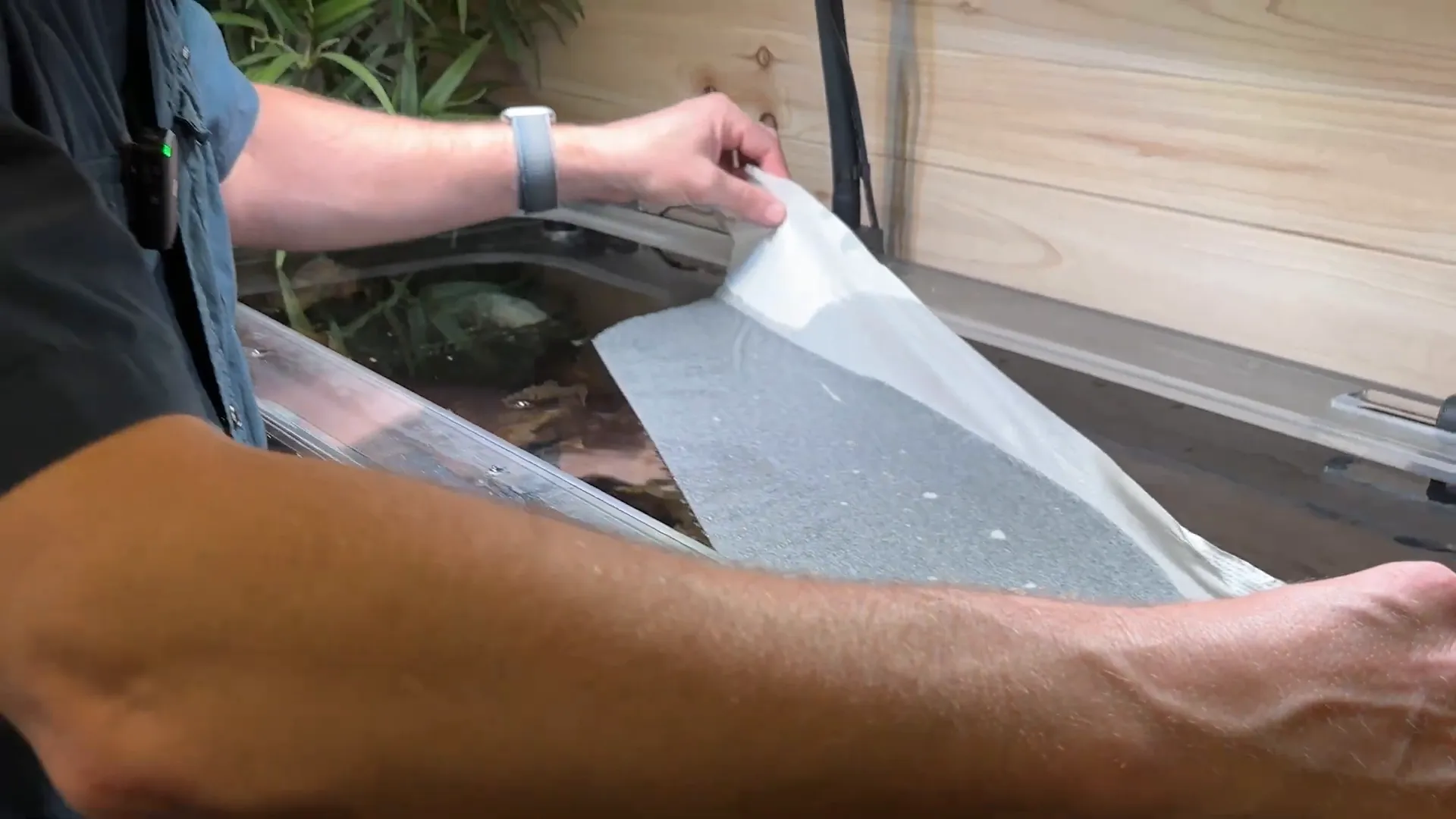
One of the most unsightly issues when guests come over is noticing an oily film on the surface of your aquarium. This happens when there isn't enough surface agitation or movement, allowing oils and other residues to accumulate. A simple yet effective hack is to gently lay a paper towel over the oily film and then lift it off carefully. This action absorbs the slick and leaves a clear patch on the water’s surface.
It might take a few repetitions to fully clear the surface, but this method is quick, mess-free, and perfect for those last-minute preparations before visitors arrive.
2. Manage Aggressive Cichlids by Enhancing Their Territory
Cichlids are known for their territorial behaviour, and aggression often spikes when they lack adequate hiding spots or sufficient space to establish their domains. If your cichlids are showing signs of aggression, consider reshaping their environment using existing aquarium décor to create more territories and hiding places.
Rearranging rocks, plants, and other decorations can help reduce stress and aggression by giving each fish a designated space. This simple adjustment can dramatically improve the harmony in your tank.
3. Use Root Tabs to Support Tissue Culture Plants
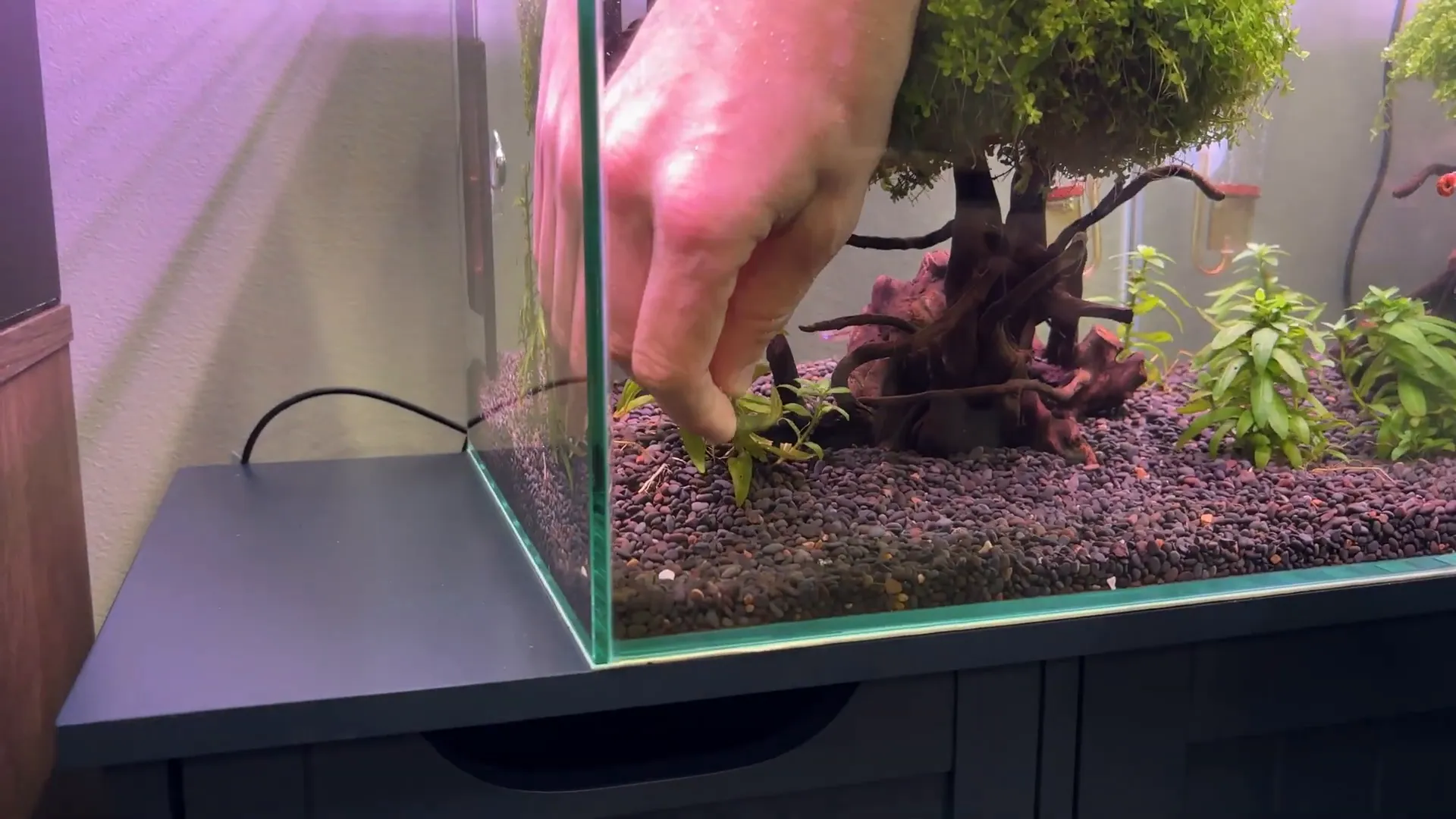
If you prefer gravel over aqua soil or don't want to switch substrates, you can still successfully grow root-feeding plants by using root tabs. These nutrient tablets are placed near the roots of your plants to provide essential nutrients over extended periods.
Liquid Gardens root tabs are particularly effective because they dissolve slowly, providing nutrients for up to two months—much longer than other brands that last only a few weeks. This means healthier, more vibrant plants without frequent fertilising.
4. Keep Your Substrate Neat When Vacuuming
Vacuuming your aquarium substrate is crucial for removing debris, but a common frustration is that the substrate can get displaced or uneven after cleaning. A handy kitchen tool like a turkey baster can help here. After vacuuming, use a few gentle puffs of air to reposition and settle the substrate back into place without stirring up a mess.
This trick saves time and keeps your tank looking pristine without disturbing your aquascape.
5. Ensure Electrical Safety with Proper Drip Loops
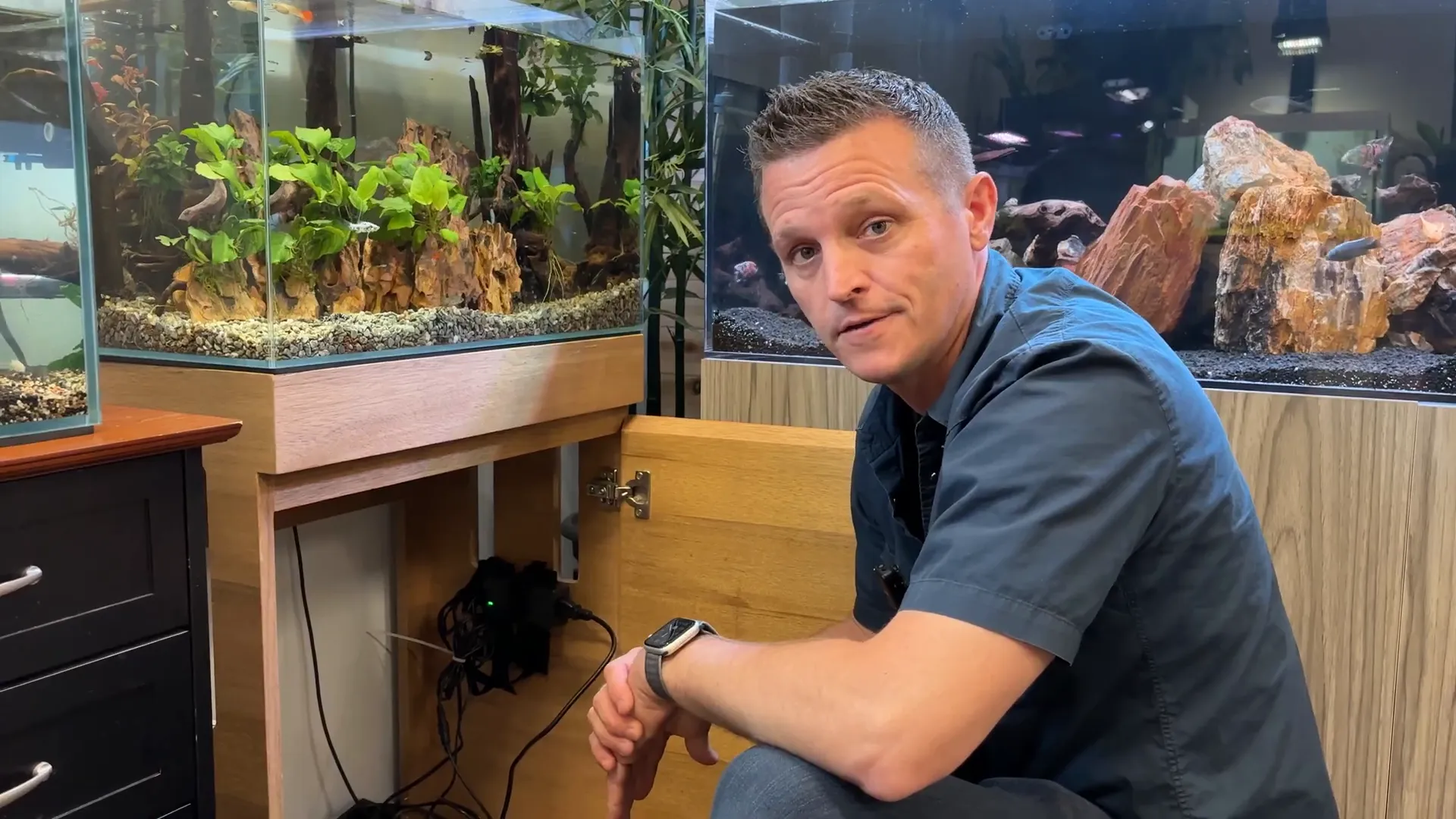
Electrical safety is paramount in aquarium maintenance. Improperly managed cords can lead to dangerous situations, including electrical shorts or even fires. Creating drip loops—where cables hang below the outlet before rising to plug in—prevents water from running down into sockets.
Special brackets designed to organise and secure cords beneath your aquarium can make this task easier and safer. Installing these brackets keeps your setup tidy and significantly reduces risk.
6. Experience Your Aquarium from a New Perspective with Look Down Boxes
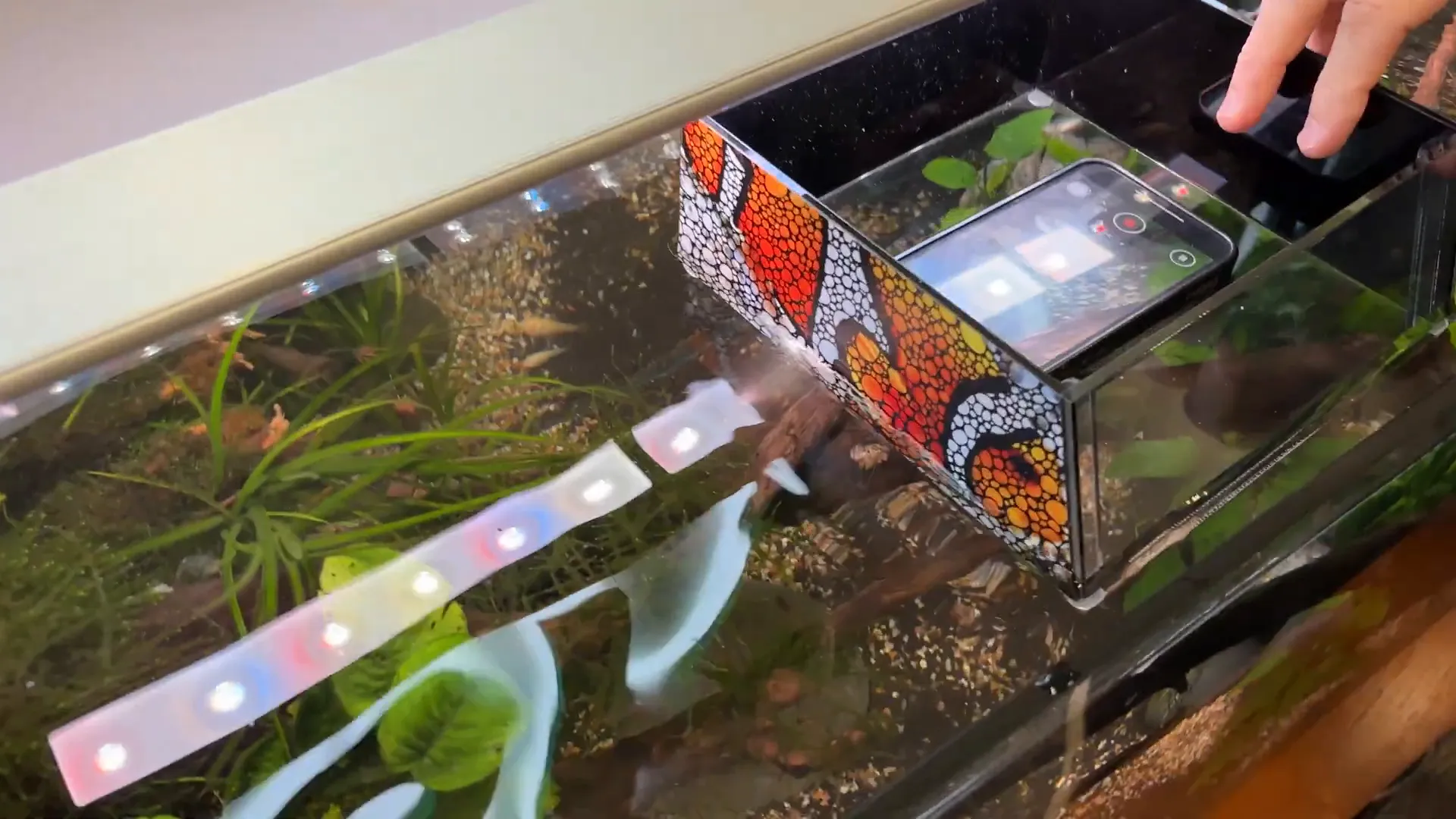
Want a fresh view of your aquarium’s underwater world? Look down boxes are a fun gadget that allows you to record video footage looking directly down into your tank. Simply place your phone inside the waterproof box, drop it into your aquarium, hit record, and glide it across the surface.
This method reveals unique angles of your plants and fish, offering an immersive viewing experience and providing excellent footage for sharing your aquarium’s beauty.
7. Promote Plant Health by Trimming Dead or Algae-Covered Leaves
Maintaining healthy plants means regularly removing dead or algae-covered leaves. Using a pair of scissors, trim back any leaves showing black root algae or decay. This simple step encourages new growth and revitalises your plants, improving the overall aesthetics and health of your planted tank.
Don’t hesitate to prune—plants often respond positively to a little grooming.

8. Betta Fish Can Thrive in Community Tanks
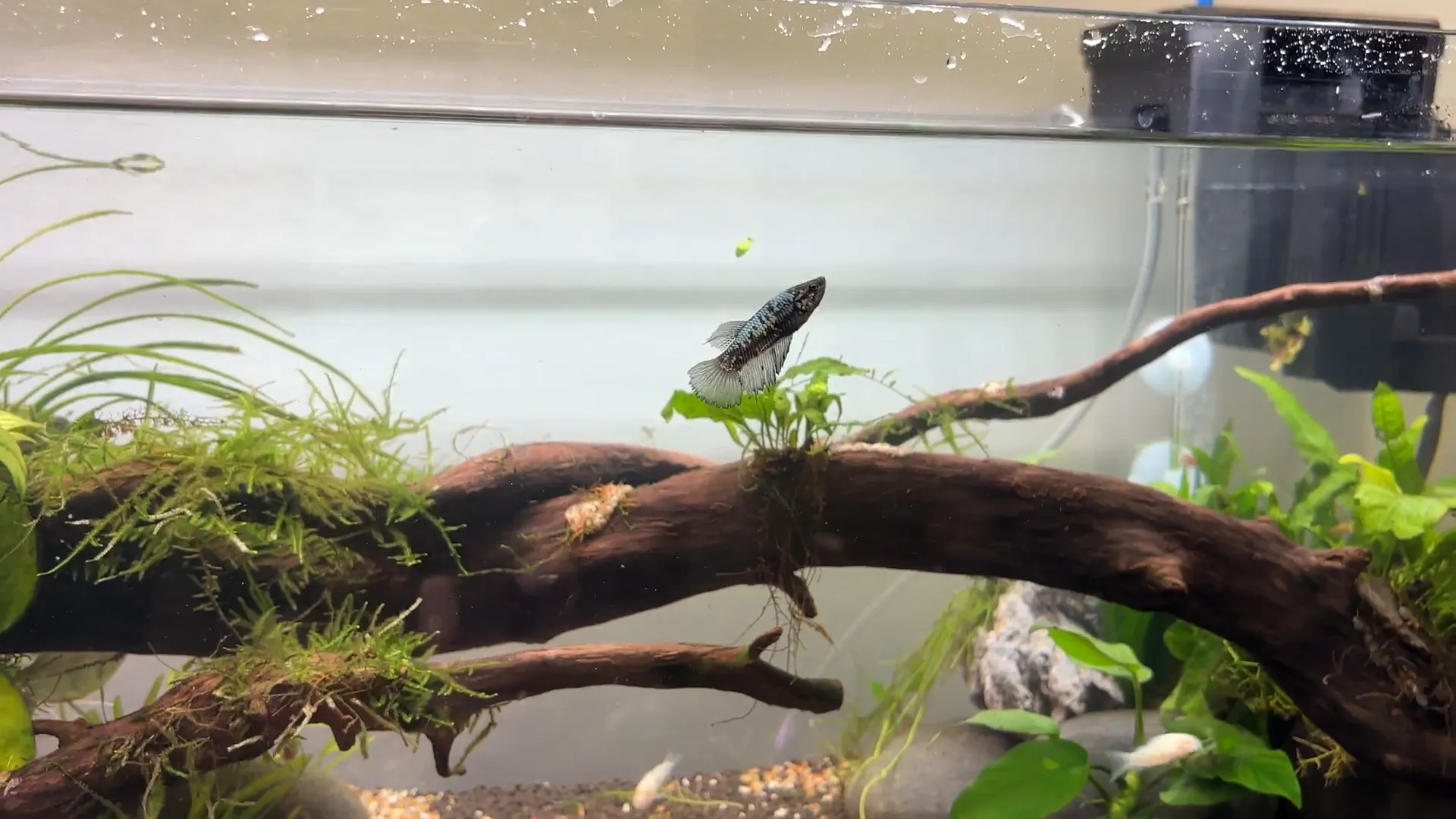
Contrary to popular belief, betta fish don’t always have to be solitary. If your betta shows no aggression, you can safely keep it in a community tank with other peaceful species. For example, a samurai betta coexisting peacefully with albino corydoras and ember tetras is not uncommon.
Observing your betta’s behaviour and ensuring compatible tank mates can create a vibrant, diverse aquarium without conflict.
9. Use Amano Shrimp and Mystery Snails for Natural Tank Cleaning
Amano shrimp and mystery snails are excellent natural cleaners that help maintain glass clarity and substrate cleanliness. Their grazing habits control algae and leftover food, reducing your maintenance workload.
With these helpful invertebrates in your tank, you might find yourself cleaning the glass far less often, keeping your aquarium sparkling.
10. Diversify Your Fish’s Diet with Frozen Bloodworms
Fish can be picky eaters, and sometimes they need a varied diet to stay healthy and vibrant. Frozen bloodworms are a favourite treat for many freshwater species and can be introduced to stimulate appetite and provide nutritional diversity.
Incorporating such high-protein foods occasionally supports fish health and coloration.
11. Customize Rock Sizes and Shapes with Basic Tools
If your aquarium rocks are too large or don’t fit your design vision, don’t hesitate to shape them. Using a hammer or a hammer and chisel, you can break down dragon stone, seiryu stone, or similar materials into smaller, more manageable pieces.
This allows you to create unique aquascapes tailored to your aesthetic preferences and tank size.

12. Combine Substrates for Unique Aquascapes
For a truly distinctive aquarium design, consider mixing substrates. For root-feeding plants, ensure you include pockets of aqua soil to provide necessary nutrients. Surround these with gravel or sand to create natural-looking river scapes or other themes.
This blend of substrates adds texture and visual interest to your tank while supporting plant health.

13. Use Remineralizer When Using RO or Distilled Water
Reverse osmosis (RO) or distilled water often lacks essential minerals needed for a balanced aquarium environment. When performing water changes with such water, adding a remineralizer is crucial to restore minerals and maintain water hardness suitable for fish and plants.
This step helps prevent mineral deficiencies and keeps your aquarium inhabitants thriving.
Bonus Tip: Hide Your Aquarium Heater with a Simple Adjustment
If your aquarium is on a stand or shelf and you want to keep the heater out of sight, try turning it sideways. This simple repositioning makes the heater less visible without affecting its performance, preserving the clean look of your tank setup.
Frequently Asked Questions (FAQ)
Q1: How often should I remove the oil slick from my aquarium surface?
A: Oil slicks typically form due to insufficient surface movement or organic buildup. Check your tank weekly and remove the film as needed using the paper towel method. Increasing surface agitation with a filter or air stone can also help prevent buildup.
Q2: Can I keep bettas with other fish safely?
A: Yes, bettas can live in community tanks if they show no aggressive behaviour. Always monitor interactions closely and choose peaceful tank mates like small tetras or corydoras to reduce conflict.
Q3: How do root tabs benefit aquarium plants?
A: Root tabs provide essential nutrients directly to the roots of plants, especially important for tissue culture plants grown in inert substrates like gravel. They release nutrients slowly, supporting healthy growth over weeks.
Q4: What is the best way to maintain substrate placement after vacuuming?
A: Use a turkey baster or similar tool to gently blow air and reposition substrate particles after vacuuming. This keeps your aquascape intact and avoids messy substrate displacement.
Q5: Why is using remineralizer important with RO or distilled water?
A: RO and distilled water lack minerals needed for fish health and water chemistry stability. Remineralizers restore these minerals, ensuring optimal conditions for your aquarium inhabitants.
Conclusion
Maintaining a freshwater aquarium can be both rewarding and challenging, but with these practical Aquarium Tips inspired by BRSfresh, you can tackle common problems and elevate your tank's beauty and health. From simple hacks like removing surface oil slicks and trimming dead leaves to advanced aquascaping techniques and safety measures, these solutions are designed to make your aquarium care easier and more enjoyable.
Remember, a thriving aquarium is a combination of proper maintenance, smart design, and attentive care. Implement these tips and watch your aquatic environment flourish like never before.
This article was inspired from the video Easy Solutions for Your Freshwater Aquarium with credits towards the creator.