If you're looking to make your aquarium look brand new and set up a reliable quarantine system, this guide is for you. Polishing aquarium glass to remove stubborn algae and hard water stains can transform your tanks, making them shine like the day you got them. Plus, an efficient quarantine aquarium setup will help protect your fish and keep your hobby running smoothly. Drawing from years of experience, here’s a straightforward, practical approach to polishing aquarium glass and building a quarantine system that works.
Table of Contents
- Polishing Aquarium Glass: The Secret to a Crystal-Clear Tank
- Setting Up a Functional Quarantine Aquarium System
- Final Thoughts: Steady Progress and Practical Solutions
- Frequently Asked Questions (FAQ)
Polishing Aquarium Glass: The Secret to a Crystal-Clear Tank
One of the biggest challenges aquarium enthusiasts face is removing tough hard water stains and algae buildup on their tanks. If your aquarium glass has become cloudy or crusty, don’t worry — there’s a simple, effective way to polish aquarium glass that requires minimal effort.
The Right Tools for the Job
- Sponge: A basic, inexpensive sponge works perfectly for cleaning.
- Bar Keepers Friend: This cleaning powder contains oxalic acid, a plant-based active ingredient that acts as a gentle abrasive and dissolves organic matter like algae and mineral deposits.
- Razor Blade: For scraping off algae, especially stuck-on patches, a simple razor blade is unbeatable.
Step-by-Step Polishing Process
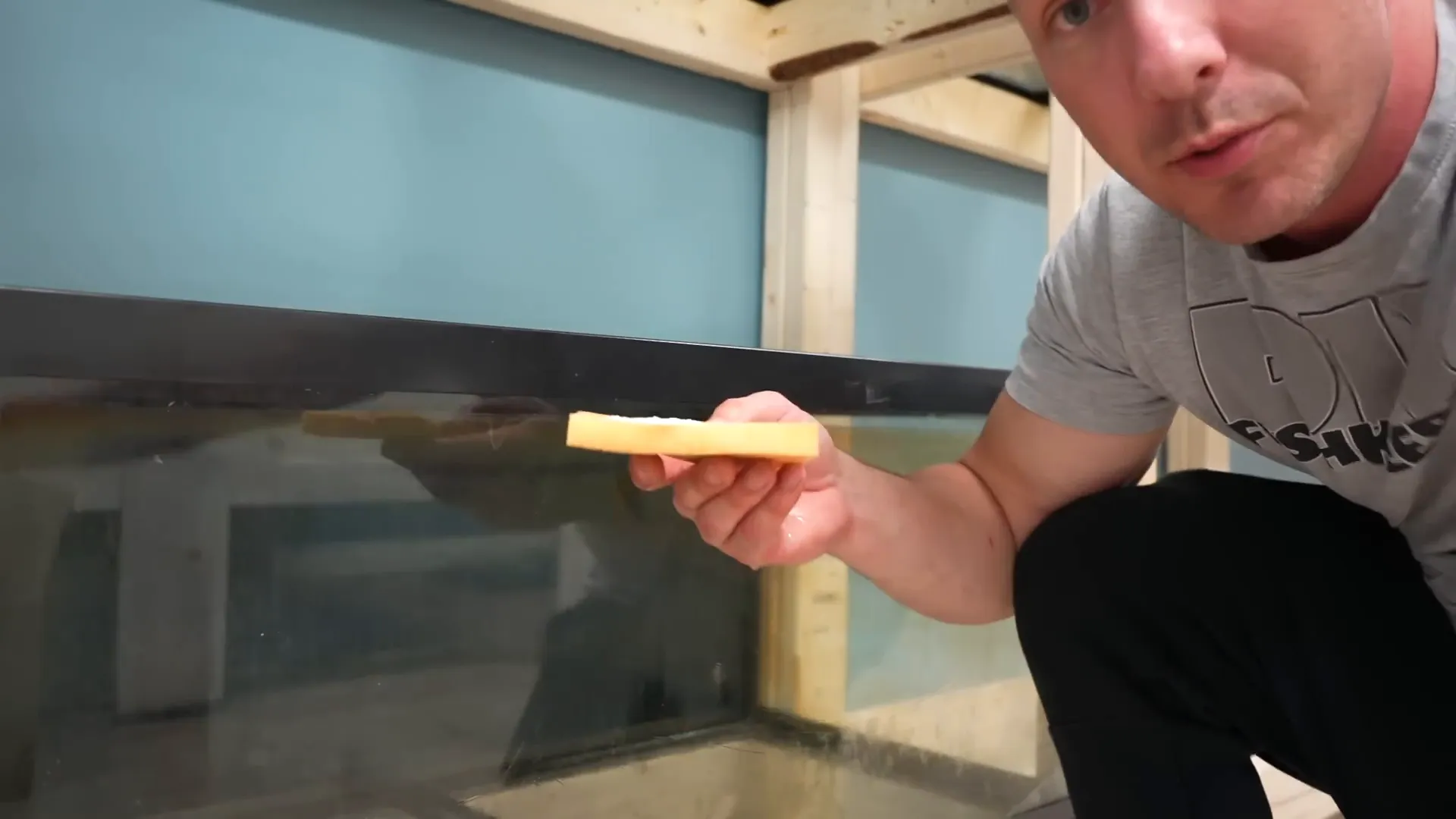
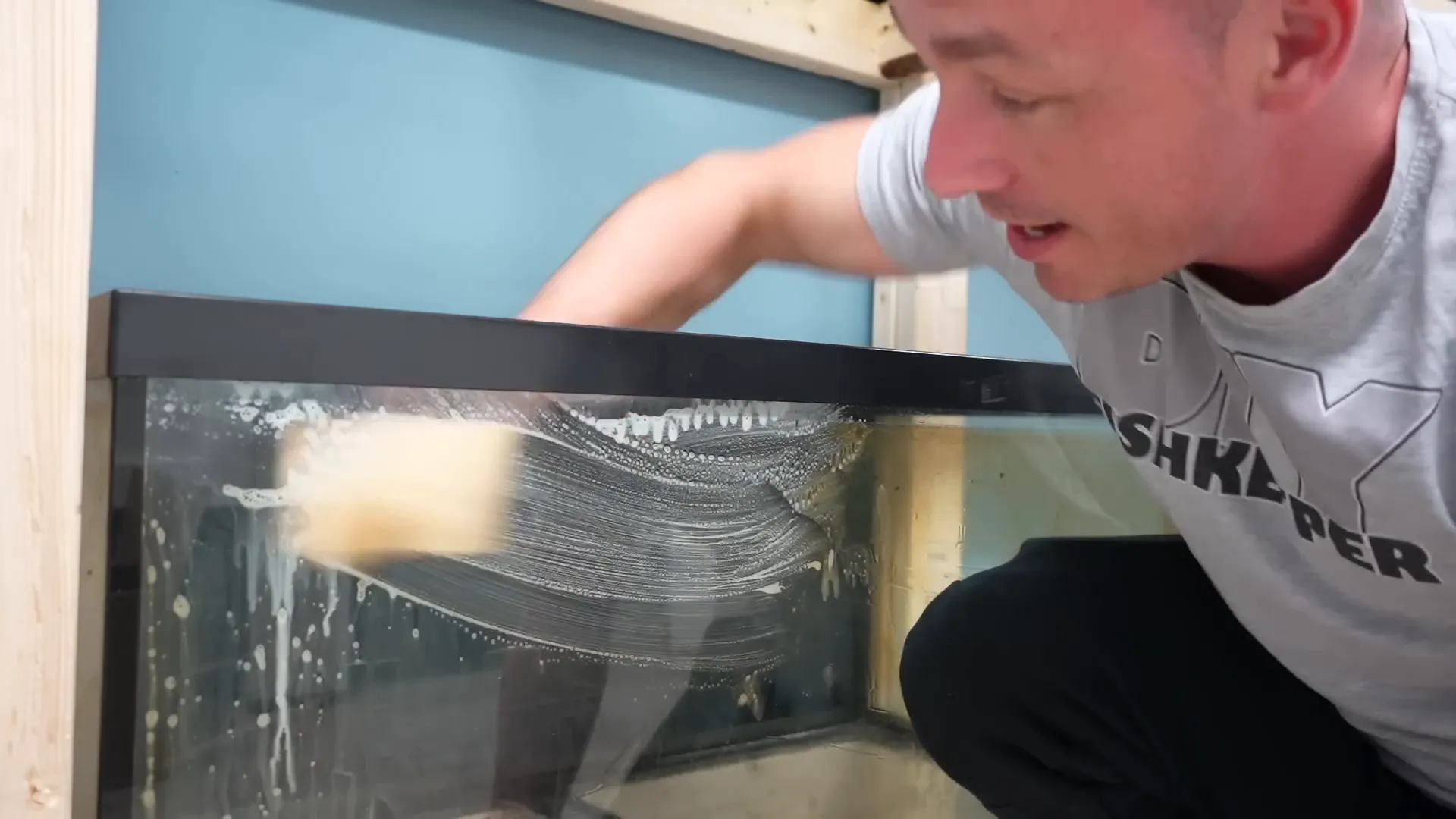
Start by wetting the aquarium glass thoroughly. Often, hard water stains become less visible when the glass is wet. Instead of sprinkling Bar Keepers Friend powder directly onto the glass, sprinkle it onto the sponge and gently rub the affected areas. You'll notice the stains begin to disappear almost instantly.
For algae, use a razor blade carefully to scrape the glass. If your tank is full, it’s best to avoid chemicals; however, you can perform a partial water change and use a dry sponge below the wet sponge with Bar Keepers Friend to minimize chemical contact with your fish.
Important: Always drain the tank completely before using any chemicals to avoid harming aquatic life.
Why Bar Keepers Friend?
While there are alternative home remedies like peroxide or lemon juice, Bar Keepers Friend works best for hard water stains. It’s affordable (a bottle costs just a couple of dollars), effective, and contains a natural active ingredient that breaks down tough mineral deposits quickly without heavy scrubbing.
After cleaning, rinse the tank thoroughly with water to remove any residue. This process can make even heavily stained tanks look brand new in just minutes.
Setting Up a Functional Quarantine Aquarium System
Once your tanks are sparkling clean, it’s time to set up the quarantine system. A good quarantine setup is essential to protect your main tanks from disease and stress, and it can save you a lot of heartache in the long run.
Choosing the Right Filtration
For quarantine tanks, simplicity and efficiency are key. Sponge filters are ideal because they are:
- Easy to install and transfer between tanks.
- Provide both mechanical and biological filtration.
- Harbor beneficial bacteria essential for water quality.
- Economical and low-maintenance.
The sponge filter works by pumping air bubbles through the sponge; as bubbles rise, they create suction that pulls water through the sponge, trapping debris and fostering bacteria growth. Additionally, the bubbles increase surface agitation, improving gas exchange and oxygenation in the water.
Air-Powered Filtration Setup
Mounting the air pump above the tanks has several advantages:
- Prevents back siphoning of water into the pump during power outages.
- Eliminates the need for check valves, which can restrict airflow.
- Allows independent control of each tank's filtration system.
This setup is especially practical for quarantine tanks that may not all be running simultaneously.
Tank Stand and Layout
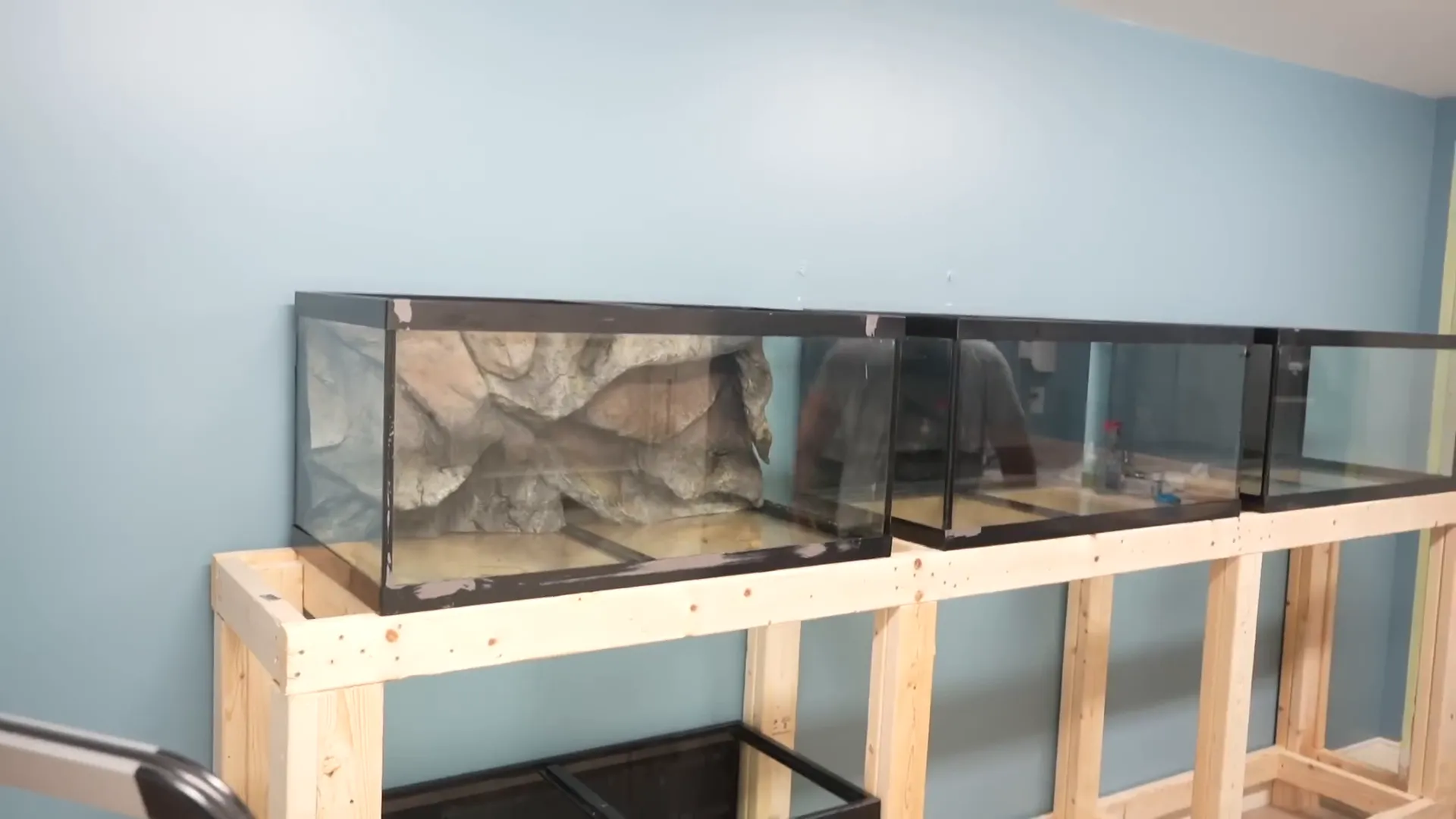
The quarantine system is built on a custom stand made from scrap wood, emphasizing resourcefulness and minimal waste. The stand is designed to provide easy access to all tanks, including the bottom ones, making maintenance simpler and more efficient.
Each tank is fitted with a background to help fish feel secure. You can use simple décor like clay flower pots or fake plants to add comfort without complicating maintenance.
Lighting and Heating Considerations
Quarantine tanks generally don’t require special lighting unless you plan to keep plants or corals. Ambient room light is sufficient. However, individual heaters are necessary to maintain optimal water temperature, as it’s more efficient to heat tanks separately rather than the entire room.
Substrate: To Use or Not to Use?
For quarantine systems, it’s best to avoid substrate. Gravel or sand can trap waste and make water changes more difficult. If you feel substrate is necessary for your setup, keep it minimal and easy to clean.
Final Thoughts: Steady Progress and Practical Solutions
Setting up a quarantine aquarium system and polishing your tanks might not be the most glamorous part of fishkeeping, but these foundational steps are vital for success. Whether you’re dealing with stubborn hard water stains or designing a flexible quarantine system, taking steady, measurable steps can save you time, money, and stress down the road.
Remember, the key to a thriving aquarium hobby is not just in the flashy setups but in the details that keep your aquatic life healthy and your tanks looking their best.
Frequently Asked Questions (FAQ)
Can I use Bar Keepers Friend on acrylic tanks?
Bar Keepers Friend is excellent for glass aquariums but is not recommended for acrylic tanks as it can scratch the surface. For acrylic, consider specialized acrylic cleaners or polishing compounds.
Is it safe to use Bar Keepers Friend with fish in the tank?
It’s safest to drain the tank completely before cleaning. However, some hobbyists use careful methods like partial water changes and dry sponges to minimize chemical exposure. Always rinse thoroughly afterward.
Why choose sponge filters over other filtration types for quarantine tanks?
Sponge filters offer mechanical and biological filtration, are easy to move between tanks, and provide excellent oxygenation through surface agitation. They are also cost-effective and low-maintenance, making them perfect for quarantine setups.
Do quarantine tanks need lighting?
Generally, no. Unless you plan to keep plants or corals, ambient room lighting is sufficient for quarantine tanks.
Should I add substrate to my quarantine tank?
Substrate is usually unnecessary and can complicate cleaning and treatment. If you prefer substrate, keep it minimal and easy to maintain.
This article was inspired from the video HOW TO: Make your aquarium look brand new!! | Drop a like and subscribe to show your support!