Breeding Bristlenose Plecos is one of the simplest and most enjoyable ventures for aquarium enthusiasts looking to step up from beginner fish like guppies. These fascinating catfish not only serve as excellent algae eaters in community tanks, but they also provide a unique breeding experience due to their egg-laying and parental care behaviours. Whether you are a hobbyist wanting to expand your knowledge or someone interested in breeding for profit, this comprehensive guide will walk you through everything you need to know to successfully breed Bristlenose Plecos, with practical advice and insider tips from an experienced aquarist.
KeepingFishSimple, a well-known aquarium expert, shares his insights and proven techniques for breeding these popular fish. This article distills his advice into a detailed, easy-to-follow format that will help you create a thriving breeding setup and raise healthy Bristlenose Pleco fry.
Table of Contents
- Why Choose Bristlenose Plecos for Breeding?
- Understanding Bristlenose Pleco Biology and Breeding Readiness
- Setting Up Your Breeding Tank
- Feeding for Successful Breeding
- The Breeding Process: From Courtship to Fry
- Caring for Bristlenose Pleco Fry
- Top Tips for Successful Breeding of Bristlenose Plecos
- Frequently Asked Questions (FAQ) About Breeding Bristlenose Plecos
- Conclusion
Why Choose Bristlenose Plecos for Breeding?
Bristlenose Plecos (Ancistrus sp.) are among the most recommended fish for controlling algae in community aquariums. They are widely available in aquarium stores and are beloved for their hardiness and unique appearance, especially the males with their characteristic bristles on the snout. More importantly, Bristlenose Plecos are one of the easiest fish to breed in the aquarium hobby, making them an excellent choice for anyone wanting to try their hand at breeding fish that actively care for their eggs and offspring.
Unlike many other egg-laying fish, Bristlenose males guard the eggs and fry diligently, providing a fascinating opportunity to observe parental behaviour underwater. This combination of ease, availability, and interesting breeding habits makes them a perfect step up from livebearers like guppies.
Understanding Bristlenose Pleco Biology and Breeding Readiness
Before diving into breeding, it’s important to understand the basic biology and growth timeline of Bristlenose Plecos. These catfish reach sexual maturity relatively slowly compared to some other aquarium species. Typically, they become mature at about one year of age, although size is a better indicator than age alone.
When you purchase Bristlenose Plecos, they are usually around 3.5 centimetres (about an inch) in length. As they grow to around 3.5 to 4 inches (approximately 9 to 10 centimetres), they become ready to breed. Some individuals may start breeding slightly earlier, but this size range is a reliable guideline.
Initial spawning events tend to produce smaller clutches of around 30 to 40 eggs, but as the fish mature and the females grow larger, they can lay up to 200 eggs at a time. This increase in fertility over time means that patience and proper care during the growth phase will pay off with larger and more frequent spawns.
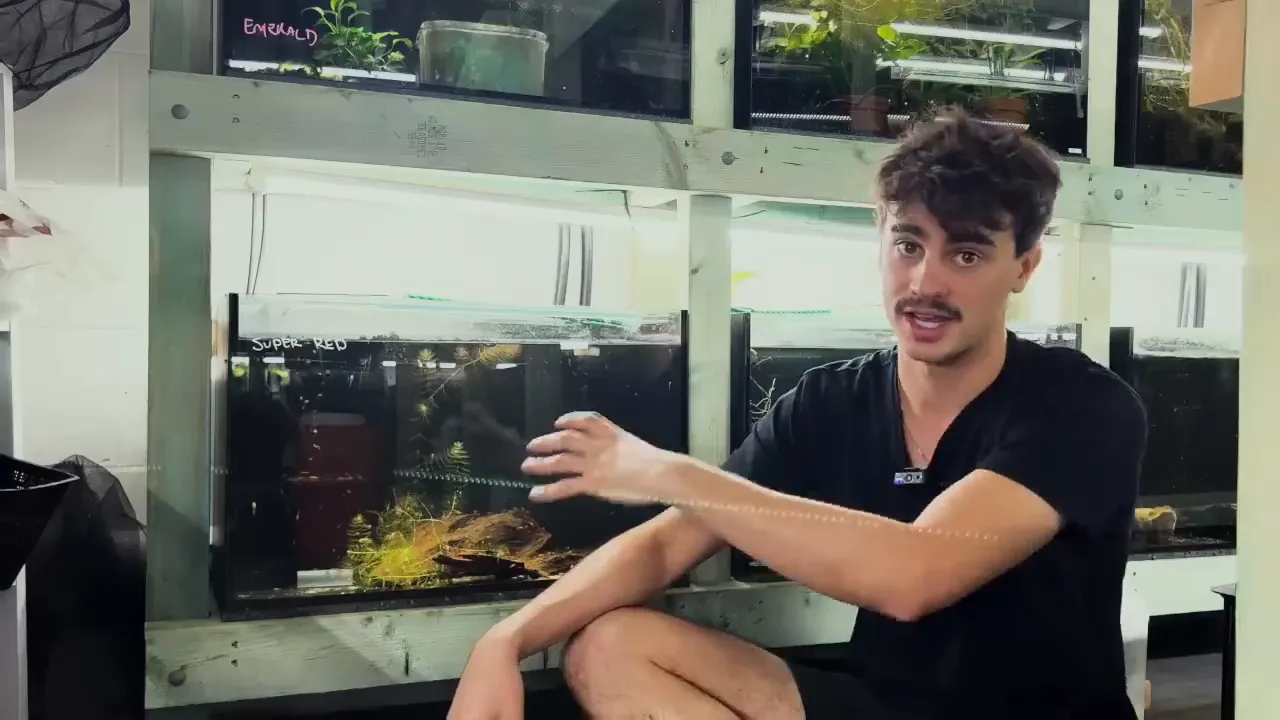
Setting Up Your Breeding Tank
Creating the right environment is crucial for encouraging Bristlenose Plecos to breed. Here is a step-by-step guide to setting up a purposeful breeding tank:
Tank Size and Equipment
A two-foot (60 cm) tank is ideal for growing out juveniles and preparing adult fish for breeding. You don’t need anything fancy; a simple setup with a sponge filter will provide gentle filtration without disturbing eggs or fry.
Essential Decorations: Pleco Caves and Driftwood
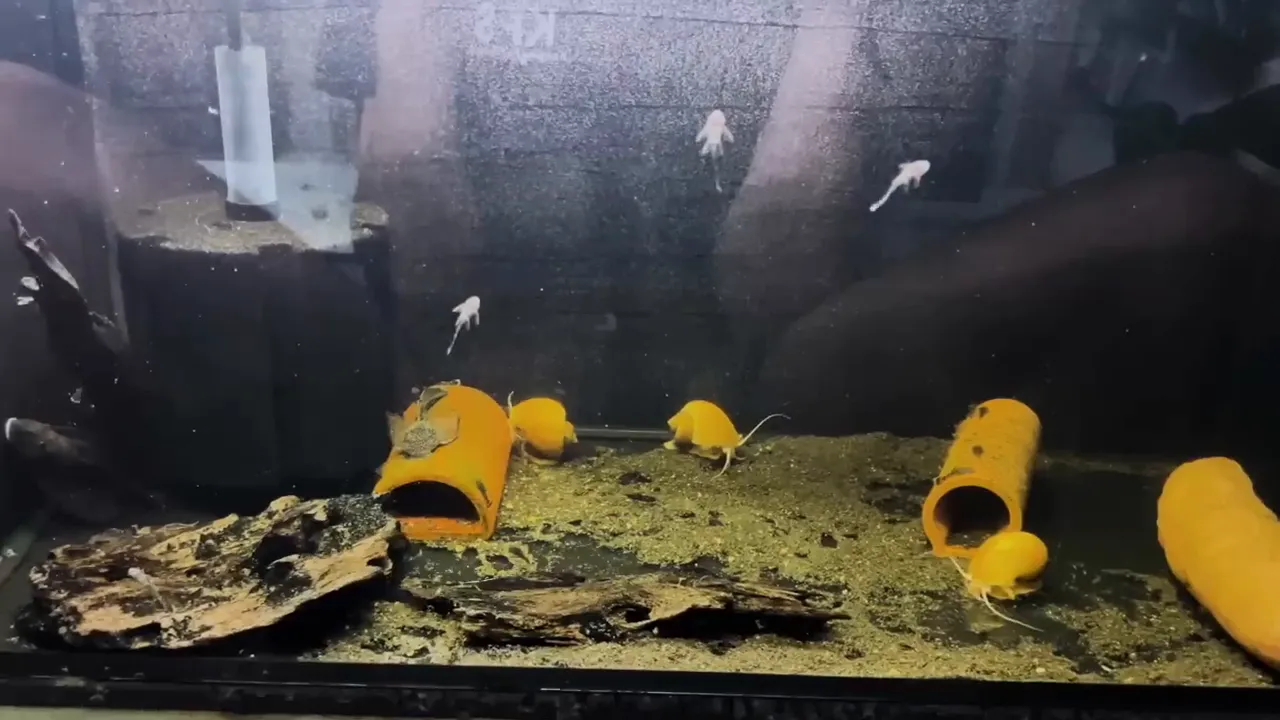
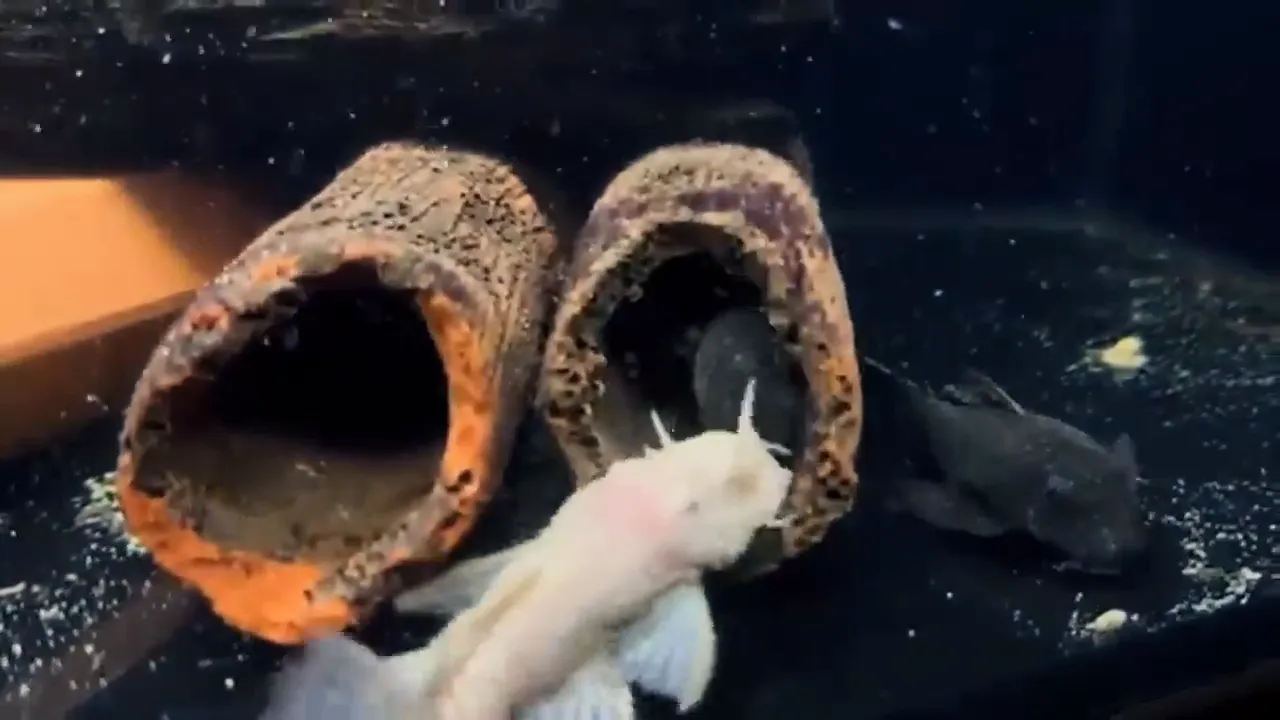
The most critical element in your breeding tank is the presence of pleco caves. These caves mimic the natural breeding sites Bristlenose Plecos seek out in the wild, such as holes in riverbanks or submerged crevices. You can buy pleco caves from aquarium stores or online. Place several caves in the tank to allow males to claim and defend their territories.
Driftwood is another vital addition. Bristlenose Plecos love rasping on driftwood, which hosts beneficial microorganisms and algae that contribute to their diet and overall health. Driftwood also helps replicate their natural habitat, encouraging breeding behaviour.
Water Conditions
The water should be kept neutral in pH, around 7.0, and with a total dissolved solids (TDS) level near 200 parts per million. Tap water from many regions, including Brisbane, works well without extensive modification.
Temperature plays a role in breeding readiness. Seasonal variations in tap water temperature, especially cooler water from winter months, can stimulate spawning activity. A cold water change of 30-40% can mimic the wet season triggers Bristlenose Plecos experience in the wild, encouraging females to lay eggs.
Tank Mates: Shrimp and Snails
Adding shrimp, such as cherry shrimp, and snails like rabbit snails can enhance the tank’s ecosystem. These invertebrates help clean up uneaten food and algae, creating a balanced environment. Although some shrimp may be eaten by the fish, their presence benefits the overall health of the tank and adds interest to the breeding setup.
Feeding for Successful Breeding
Nutrition is key to fattening up female Bristlenose Plecos and preparing them for spawning. A diet rich in algae-based foods with high protein content works best.
- Algae-Based Foods: Green Cuisine is a highly recommended staple food. It provides essential nutrients and mimics their natural diet.
- Fresh Vegetables: Offering fresh green beans or zucchini on a fork is an excellent way to boost nutrition. Bristlenose Plecos go crazy for these veggies, especially canned green beans.
- Variety: Including different high-quality vegetable-based foods like Bug Buffet helps keep their diet balanced.
Feeding females generously will help them develop the energy reserves necessary for laying eggs. This step cannot be overstated for successful breeding.
The Breeding Process: From Courtship to Fry
Male Courtship and Cave Claiming
Once your Bristlenose Plecos are mature and well-fed, males will begin to claim caves. You may notice them actively defending caves and spending most of their time inside, preparing the site for females.
In the wild, breeding occurs during the Amazon’s wet season when rising water levels flood riverbanks. Birds create holes in the banks that the fish use as breeding caves. The male traps the female in the cave during spawning, a behaviour you can replicate in your tank with the right cave setup and water conditions.
Triggering Spawning with Water Changes
A cold water change of 30 to 40 percent simulates the onset of the wet season, triggering females to lay eggs. The female will sit outside the cave while the male traps her inside for a day or two. During this time, she lays her eggs, after which the male releases her.
Parental Care and Egg Fanning
After the female leaves, the male takes full responsibility for the eggs. He fans them constantly to provide oxygen and prevent fungus growth, often going without eating during this period.
It is important to minimize disturbances during this time. Feed lightly and avoid tapping or stressing the tank. The eggs hatch within a few days, and small wrigglers can be seen inside the cave.
From Wrigglers to Free-Swimming Fry
The tiny fry develop inside the cave until they are ready to be released into the tank. You will often find multiple generations of fry in the same tank—bigger juveniles alongside fresh babies.
It is best to keep the fry in the same tank with their parents rather than moving them. There is a fascinating relationship between the fry and parents regarding gut biome development. Fry may consume the parents’ feces to acquire beneficial bacteria, which helps prevent digestive issues like bloat.
Caring for Bristlenose Pleco Fry
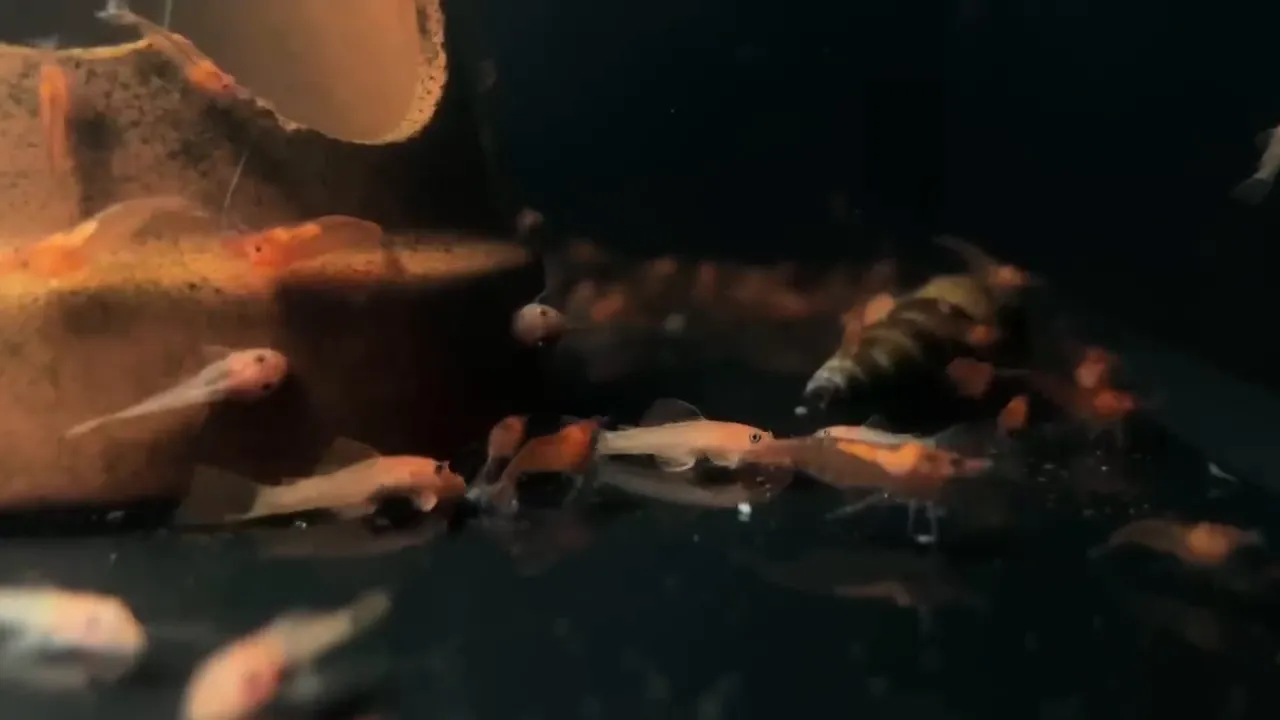
Caring for fry can be challenging because their natural diet primarily consists of diatom algae, which is abundant in rivers but scarce in aquariums. Once the parents and previous fry have consumed available algae, food scarcity can become a problem.
Feeding the Fry
The best way to feed Bristlenose fry is with finely crushed algae-based powdered foods like Green Cuisine. Crush the food into a fine powder and distribute it evenly across the tank floor and walls. This creates a “milk” of food particles that the fry will ingest accidentally while exploring their surroundings.
Supplement fresh vegetables such as zucchini and green beans by placing small bits in the tank. Green beans tend to be more effective than zucchini based on experience.
Since fry are not very adept at finding food, it’s essential to ensure food is always within easy reach. Feeding multiple small meals throughout the day helps maximize survival and growth.
Water Quality and Maintenance
Maintaining pristine water quality is critical for fry health. Frequent water changes—up to 30% daily—help reduce toxins and support fast growth. Clean water also prevents fungal and bacterial issues that can devastate delicate fry populations.
Growth Timeline and Selling
Under good conditions, Bristlenose fry grow quickly. Within two and a half to three months, they reach a sellable size, making them a profitable species for breeders. Once the fry mature, you can move the breeding pair to a new tank and repeat the process, maintaining a continuous breeding cycle.
Top Tips for Successful Breeding of Bristlenose Plecos
- Start with young fish: Purchase juveniles about one inch in size and grow them out for six months to a year.
- Use pleco caves: Provide multiple caves to encourage natural breeding behaviour.
- Include driftwood and live plants: These provide natural grazing surfaces and improve water quality.
- Feed a varied, algae-based diet: Use Green Cuisine, fresh green beans, and zucchini to fatten up females.
- Trigger spawning with cold water changes: Mimic seasonal changes to induce egg laying.
- Minimize disturbance during egg care: Let the male fan the eggs without stress.
- Feed fry crushed powdered food: Ensure food is easily accessible to the young fish.
- Perform frequent water changes: Maintain water quality with daily 30% changes during fry rearing.
- Keep fry with parents: Avoid moving fry to preserve their gut biome and reduce health issues.
Frequently Asked Questions (FAQ) About Breeding Bristlenose Plecos
How long does it take for Bristlenose Plecos to reach breeding size?
Typically, Bristlenose Plecos reach sexual maturity at about one year of age and around 3.5 to 4 inches in length. Some may breed slightly earlier depending on growth rates.
What water conditions are best for breeding Bristlenose Plecos?
A neutral pH around 7.0 and a TDS near 200 ppm is ideal. Tap water is usually sufficient. Temperature fluctuations, especially cooler water changes, can stimulate breeding.
Do I need special equipment to breed Bristlenose Plecos?
The essential items are pleco caves for breeding and a sponge filter for gentle filtration. Driftwood and live plants are highly beneficial but not mandatory.
Can I breed Bristlenose Plecos with other fish?
Breeding is easiest in a dedicated tank, but community tanks with peaceful species like shrimp and snails can work well. Avoid aggressive or predatory tank mates that may harm eggs or fry.
How do I care for Bristlenose Pleco fry?
Feed them finely crushed algae-based foods like Green Cuisine powder and small fresh vegetables. Maintain excellent water quality with frequent water changes and keep fry with their parents for optimal gut health.
How many babies do Bristlenose Plecos produce?
First spawns may have 30-40 eggs, but mature females can lay up to 200 eggs per spawning.
How often do Bristlenose Plecos breed?
Breeding frequency depends on conditions and fish age. With proper care and environment, they can breed multiple times per year.
Conclusion
Breeding Bristlenose Plecos is an accessible and rewarding endeavor for aquarists who want to experience the fascinating reproductive behaviours of this popular catfish. By providing the right environment—pleco caves, driftwood, live plants—and maintaining good water quality with a balanced algae-based diet, you can encourage your Bristlenose Plecos to spawn naturally and raise healthy fry.
Understanding their growth timeline, feeding requirements, and the importance of parental care will help you achieve breeding success. Remember to use cold water changes to simulate natural triggers and be patient as your fish mature. With these tips and insights, you’ll soon enjoy watching your Bristlenose Plecos thrive and multiply, enhancing both your aquarium’s ecosystem and your enjoyment of the hobby.
Good luck with your breeding journey!
This article was inspired from the video BREEDING Bristlenose Plecos - Easy Method! | Drop a like and subscribe to show your support!