Tannins are the natural compounds responsible for the tea-coloured water often seen in blackwater aquariums. They can be a useful part of a freshwater setup, especially for fish and plants suited to soft, acidic environments. However, brown water is not automatically blackwater, dirty water, or the right choice for every aquarium.
This guide explains what aquarium tannins do, where they come from, which fish may benefit, and how to reduce the colour when you prefer clearer water.
Table of Contents
- What are tannins in an aquarium?
- Brown water vs blackwater: what is the difference?
- How tannins affect aquarium water chemistry
- Are tannins good for fish?
- Common myths about tannins in fish tanks
- Natural sources of tannins for aquariums
- How to choose a tannin source
- How to manage tannins without chasing water colour
- How to remove tannins from aquarium water
- What to avoid when dealing with tannic water
- Takeaway: tannins are a tool, not a problem
- Frequently asked questions
What are tannins in an aquarium?
Tannins are natural plant compounds released as organic materials break down in water. Leaves, seed pods, bark and driftwood can all leach tannins, along with related humic and fulvic substances.
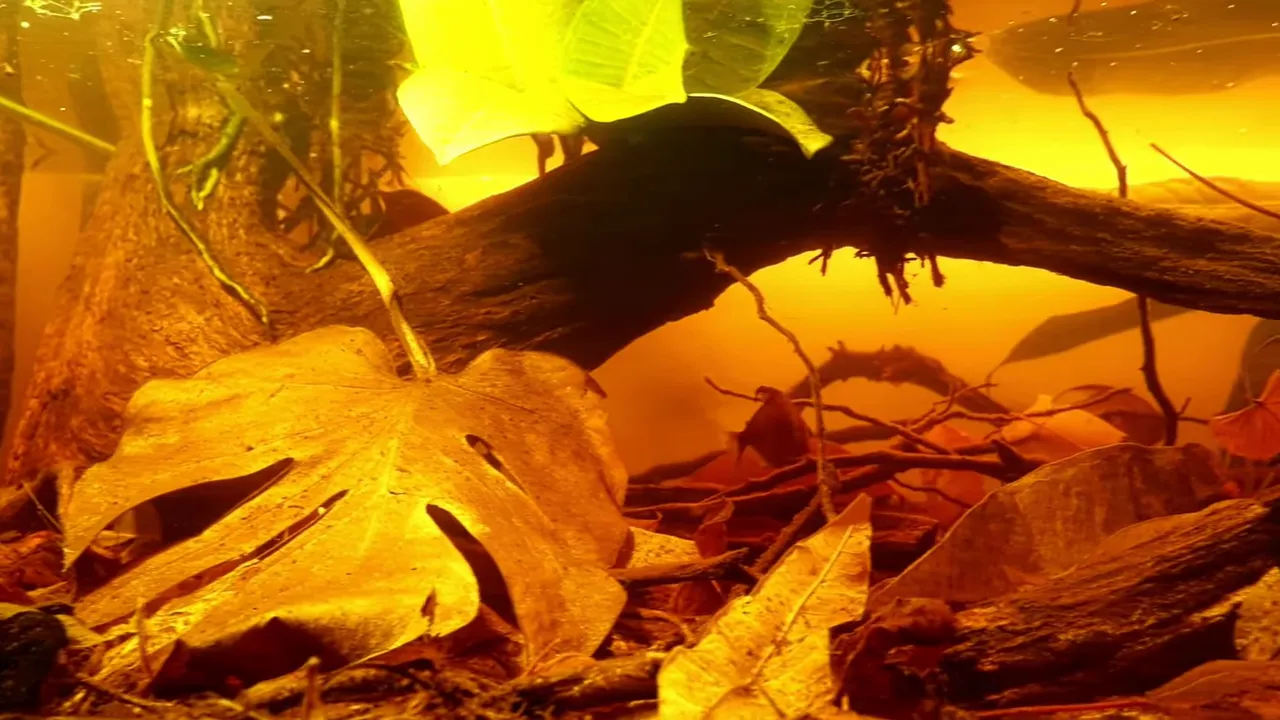
The resulting water colour can range from pale yellow or amber to a deep reddish brown, much like brewed tea. This colouration is often called tannic water. In an intentionally designed setup with the right chemistry, it may form part of a blackwater aquarium.
The colour itself is not a reliable measure of cleanliness. Tinted water can still have appropriate, stable water chemistry, while crystal-clear water is not necessarily healthy for every species.
Brown water vs blackwater: what is the difference?
Not all brown aquarium water has the same cause. It is important to distinguish dissolved tannins from suspended debris or other water-quality issues.
Tannic water
Tannic water gets its colour from dissolved plant compounds. It often appears clear but tea-coloured. Driftwood, leaf litter and botanicals are common causes.
Silty or dirty-looking water
Brown water may also contain very fine mineral particles, decomposing debris or sediment. This can resemble soil mixed into the water and is not automatically a tannin-rich environment.
True blackwater
A real blackwater environment is defined by more than appearance. It is generally soft, acidic, low in minerals and rich in dissolved organic matter. The water may be visibly dark, but its chemistry is what makes it blackwater.

How tannins affect aquarium water chemistry
As tannins release tannic acids into the water, they can lower pH. This may be useful for animals and plants that naturally live in softer, more acidic conditions.
A lower pH can also help keep nutrients such as iron and manganese in a soluble form that aquatic plants can more readily absorb. For planted aquariums that suit these conditions, this can support nutrient availability.
Tannins also reduce light penetration through the water. Together with the more acidic conditions, this may help limit algae growth and suppress harmful pathogens.
These effects are not universally beneficial. The goal is not simply to make water brown or force pH lower. The goal is to maintain chemistry that is stable and appropriate for the species in the aquarium.
Are tannins good for fish?
Tannins can be beneficial for fish that evolved in tannin-rich, shaded freshwater habitats. They may help recreate a more natural environment and reduce stress in suitable species.
Potential benefits include:
- A more natural habitat: Leaf litter, wood and subdued light can resemble shaded river systems.
- Reduced stress: A stable environment that matches a fish's natural preferences can help it settle and thrive.
- Improved breeding conditions: Tannic, soft and acidic water can be useful for species such as tetras, bettas and dwarf cichlids.
- Antimicrobial and antifungal properties: Tannins may offer protection for fish skin and eggs.
- Binding of harmful trace minerals: Dissolved organic compounds can bind certain trace minerals in the water.
The key word is suitable. A blackwater-style aquarium should be built around the needs of the livestock, not simply around the visual appeal of amber water.
Common myths about tannins in fish tanks
Myth: Tannins make aquarium water dirty or toxic
Tannins naturally stain water, but staining is not the same as pollution. In the right aquarium, tannic water can be part of a stable and beneficial environment.
That said, do not assume every brown aquarium is healthy. Check whether the colour is caused by dissolved tannins or by suspended sediment and decaying material, and maintain water conditions appropriate for the tank's inhabitants.
Myth: Clear water always means healthy water
Clear water is an aesthetic preference, not a complete measure of aquarium health. Water quality depends on stable and suitable chemistry for the fish and plants being kept. Some species are well adapted to tannin-rich water and may be more comfortable in it.
Myth: Every aquarium should be a blackwater tank
Blackwater is a specialised habitat style, not a universal upgrade. Use it when it aligns with the requirements of your fish, plants and desired water parameters.
Natural sources of tannins for aquariums
There are several ways to introduce tannins into a freshwater aquarium. Natural botanicals gradually release them as they soak and break down, while commercial extracts provide another route to blackwater colour and dissolved organic compounds.
Indian almond leaves or catappa leaves
Catappa leaves, also called Indian almond leaves, are a popular aquarium botanical. They add leaf-litter character to the aquascape while contributing tannins as they break down.
Alder cones
Alder cones are another natural tannin source. Their compact form makes them useful where the goal is to introduce botanicals without covering the substrate with large leaves.
Seed pods and bark
Seed pods and bark can add organic texture as well as tannins. They are often used to create a more natural riverbed or forest-floor appearance.
Driftwood
Driftwood is one of the most familiar sources of aquarium tannins. New wood can noticeably tint water after it is added to a tank, particularly as it becomes waterlogged.

Commercial blackwater extracts
Commercial blackwater conditioners or extracts can be used when the desired effect is tannin-rich water without relying only on physical botanicals. They can be useful for creating a blackwater look and adding humic substances without changing the hardscape or leaf litter.
How to choose a tannin source
Choose the source based on both the aquarium's needs and the look you want to create.
- For a natural leaf-litter scene: Consider catappa leaves, seed pods and bark.
- For a wood-based aquascape: Use driftwood and expect some initial water staining.
- For smaller decorative accents: Alder cones can fit naturally among plants, wood and substrate.
- For a botanical-free appearance: A commercial blackwater extract may be a more suitable option.
Only use botanicals and wood intended for aquarium use. The material placed in the tank should be suitable for a freshwater ecosystem and should support, rather than compromise, the required water conditions.
How to manage tannins without chasing water colour
Before attempting to add or remove tannins, decide whether the issue is genuinely water quality or simply a preference for a different appearance.
Use this quick decision checklist:
- Do the fish and plants suit soft, acidic, tannin-rich water?
- Is the water chemistry stable and appropriate for the species?
- Is the brown colour dissolved and tea-like, or is it caused by suspended particles?
- Do you want a natural blackwater aesthetic, or do you prefer a clear-water display?
- Has new driftwood or a new botanical recently been introduced?
If your livestock is healthy and the water conditions are suitable, amber water may be completely acceptable. If the colour does not match the aquarium you want to maintain, tannins can be reduced.
How to remove tannins from aquarium water
Tannins are not permanent. If new driftwood, leaves or other botanicals turn the water yellow, orange or brown, there are two straightforward ways to reduce the colour.
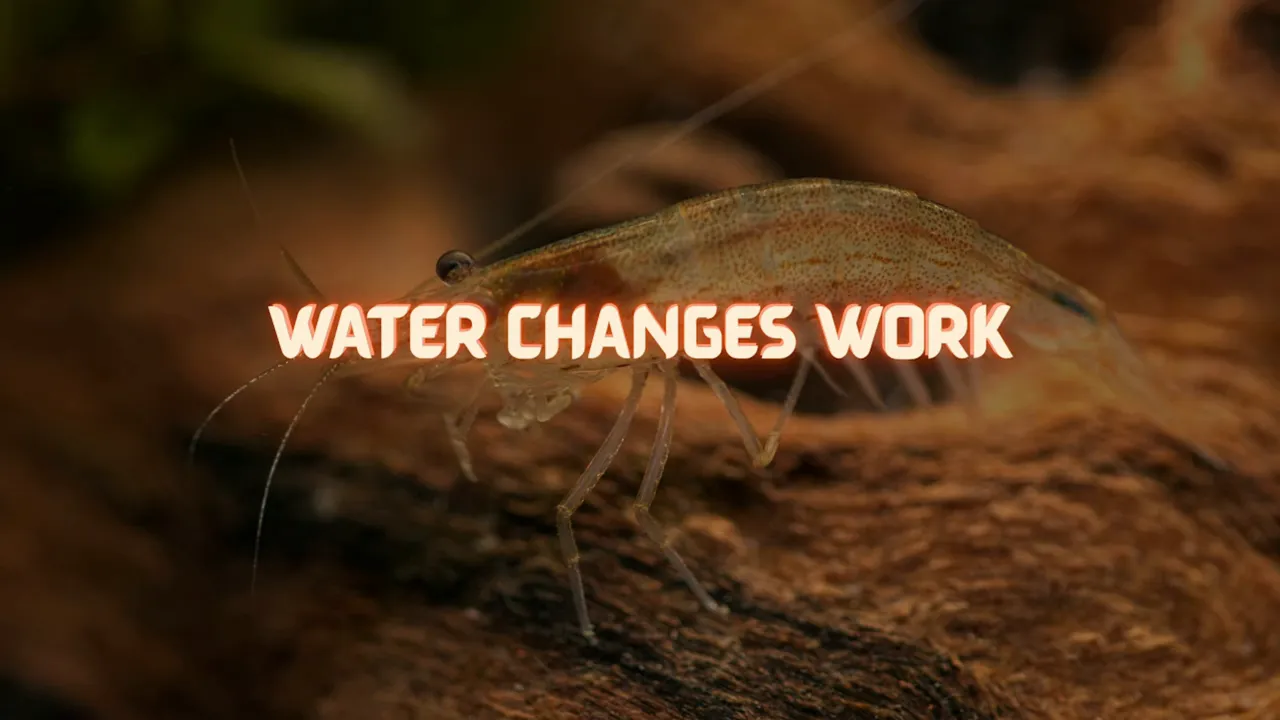
1. Use water changes
Water changes dilute dissolved tannins over time. Regular changes can gradually return a tannin-stained aquarium to clearer water.
This is a simple option when the colour is mild or when there is no need to clear the water immediately.
2. Add Purigen filter media
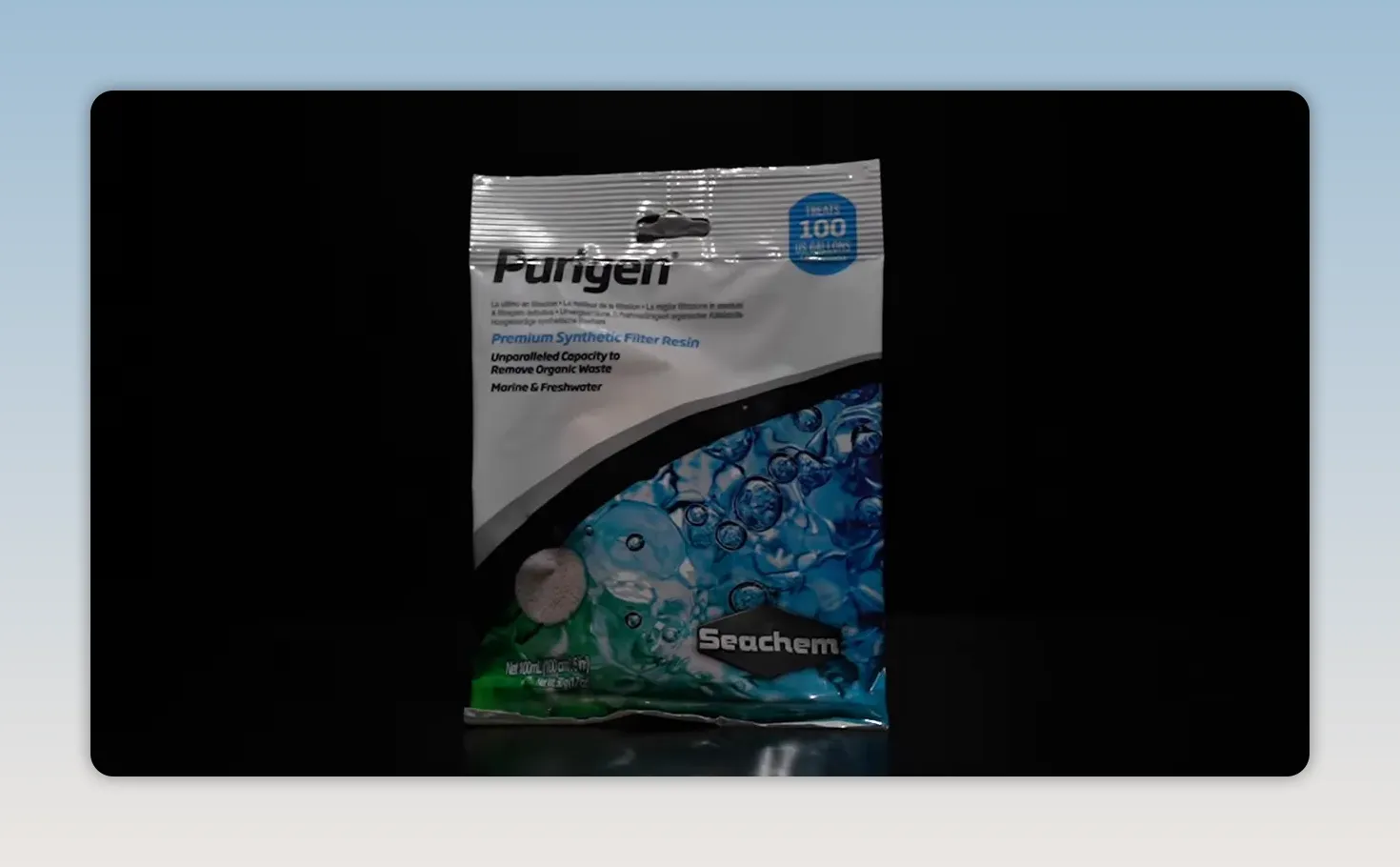
Purigen is filter media designed to reduce organic waste, colour and odours. It can be used when you want to remove tannin colour more quickly than water changes alone.
Place filter media in the filtration system according to its product instructions. As it reduces dissolved organic compounds, the water can become noticeably clearer.
What to avoid when dealing with tannic water
- Do not judge water health by clarity alone. Clear water is not automatically better water.
- Do not confuse sediment with tannins. Suspended particles and tea-coloured dissolved compounds are different issues.
- Do not create blackwater conditions only for appearance. Match water conditions to the needs of the fish and plants.
- Do not panic when new wood stains the water. Driftwood commonly releases tannins, particularly after it is introduced.
- Do not use unsuitable natural materials. Use aquarium-safe wood and botanicals rather than collecting unknown materials for the tank.
Takeaway: tannins are a tool, not a problem
Tannins can turn aquarium water a beautiful tea colour while helping create soft, acidic, organic-rich conditions suited to many freshwater species. They may support plant nutrient availability, reduce light penetration and contribute to a natural habitat for fish such as tetras, bettas and dwarf cichlids.
They are not required in every aquarium, and clear water is a valid preference. What matters most is stable water chemistry that suits the aquarium's inhabitants. When tannins are welcome, use aquarium-safe botanicals, driftwood or blackwater extracts. When they are not, water changes and organic-removing filter media can restore a clearer look.
Frequently asked questions
Are tannins harmful to aquarium fish?
Tannins are not inherently harmful. Many freshwater fish naturally occur in tannin-rich water. Their value depends on whether the resulting water conditions are suitable and stable for the species being kept.
Why did my aquarium water turn brown after adding driftwood?
Driftwood releases natural tannins into the water as it soaks. This can produce a yellow, amber or dark brown tea-like tint, especially after new wood is added.
Does brown aquarium water mean the tank is dirty?
No. Brown water may be caused by dissolved tannins and can still be appropriate for a healthy aquarium. However, brown water caused by sediment or decomposing debris is a different situation, so identify the cause rather than relying on colour alone.
Do tannins lower pH in an aquarium?
Yes. Tannins release tannic acids that can lower pH. This can be desirable in aquariums designed for fish and plants that prefer softer, more acidic water.
What removes tannins from aquarium water quickly?
Water changes will reduce tannins over time. For faster removal of colour, an organic-removing filter medium such as Purigen can reduce dissolved organic waste, colour and odours.