A healthy betta needs more than a bowl and a few decorations. A thoughtfully maintained aquarium with stable conditions, gentle water movement, cover, enrichment and nutritious food can give a betta more room to explore and a more natural daily routine.
The most effective improvements are often simple. Focus first on safe water, reliable equipment and an environment that supports resting, hiding and swimming comfortably.
Table of Contents
- What does a good betta fish environment include?
- 1. Use an adjustable aquarium heater
- 2. Reduce strong water flow with gentler filtration
- 3. Prevent jumping with a lid, lower water level or floating plants
- 4. Add live plants and allow time for adjustment
- 5. Test the water instead of guessing
- 6. Build a more interesting aquascape with caves and tunnels
- 7. Consider botanicals for a natural blackwater look
- 8. Provide safe betta enrichment
- 9. Feed high-quality foods, including frozen options
- 10. Put the aquarium somewhere you will notice it often
- Common betta care mistakes to avoid
- Betta quality-of-life upgrade checklist
- Takeaway
- Betta Fish Quality of Life FAQ
What does a good betta fish environment include?
A high-quality betta setup combines several essentials rather than relying on one product or feature. The goal is to create a stable, engaging freshwater aquarium where the fish can move around without struggling against current, retreat into cover and be observed regularly for changes in behaviour or health.
- Stable heating: A heater suited to the aquarium and room conditions.
- Gentle filtration: Clean water without a current that overwhelms the fish.
- Secure containment: A lid or other sensible jump-prevention measure.
- Living cover: Plants, wood and safe hides.
- Water testing: Regular checks of key water parameters.
- Enrichment: Safe, short activities that encourage exploration and exercise.
- Varied nutrition: Quality foods appropriate for bettas.
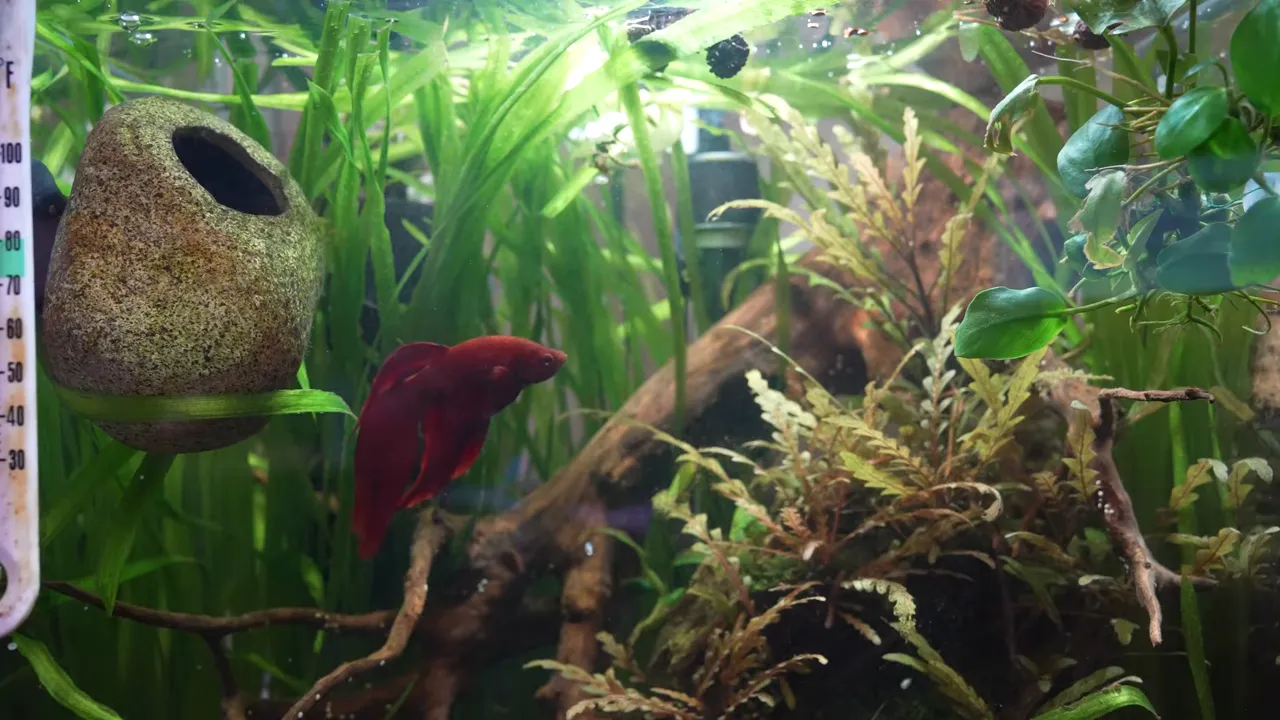
1. Use an adjustable aquarium heater
Betta care depends on consistent water conditions. An adjustable heater makes it possible to respond when the room becomes cooler or warmer through seasonal changes. This is especially useful in homes where the ambient temperature is not steady.
Adjustable heaters are often larger than compact preset models, so placement matters in a smaller aquarium. Choose equipment that fits safely, then check that it is operating properly as part of normal tank maintenance.
2. Reduce strong water flow with gentler filtration
Filtration is essential for water quality, but the output needs to suit the fish. Bettas with heavy, flowing fins may have difficulty moving around when the current is too strong.
A sponge filter is a useful option when gentle flow is the priority. It can make the aquarium easier to navigate while still providing filtration. If changing from an established filter to a new one, protect the beneficial bacteria that support the aquarium cycle.
How to change a betta filter without losing beneficial bacteria
Do not immediately remove the old, established filter when adding a new one. Instead, run both filters together for roughly two weeks. This gives beneficial bacteria time to colonise the new filter media before the old unit is removed.
This gradual handover helps avoid disrupting the biological filtration that keeps the aquarium stable.
3. Prevent jumping with a lid, lower water level or floating plants
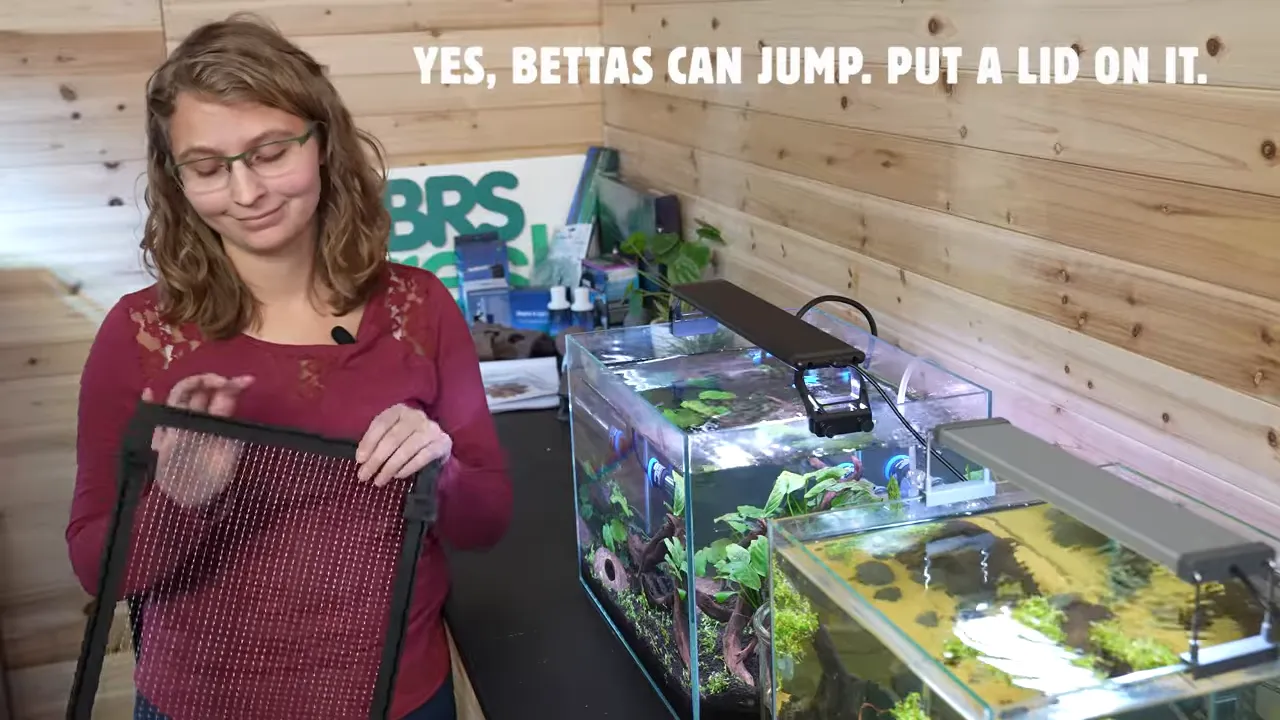
Bettas can jump, so an open aquarium needs a deliberate safety plan. A fitted lid is the most direct option. If a lid does not suit the setup, keeping the water a few inches below the rim or using floating plants as a surface barrier can reduce the risk.
Whichever approach you choose, make sure the aquarium remains practical to maintain and that equipment such as lights and filters is securely positioned.
4. Add live plants and allow time for adjustment
Live plants make a betta aquarium more interesting while providing places to swim through and rest among. Anubias is one beginner-friendly option, and taller plants can be particularly useful toward the back of the aquarium for added cover.
Do not panic if newly purchased aquatic plants lose leaves after being added to the tank. Many aquarium plants are grown above water because they grow faster that way. Once submerged, the original growth may melt back as the plant adapts. New growth can return after about two weeks.
Why planted betta tanks are useful
- They create cover and visual structure.
- They give the fish more spaces to explore.
- They can support efforts to keep water quality in check.
- They make it easier to build varied routes around wood and rockwork.
5. Test the water instead of guessing
Good water quality is central to a healthy betta fish. Keep a reliable test kit and check the values that matter most: ammonia, nitrite, nitrate and pH.
Liquid dropper-style kits are generally preferred for accuracy, while test strips can be convenient for a quick check. The key is consistency. Testing helps reveal a problem before it becomes obvious in the fish’s behaviour or appearance.
A simple betta water-quality checklist
- Keep a test kit accessible near the aquarium supplies.
- Test ammonia, nitrite, nitrate and pH regularly.
- Pay close attention after changing filtration or adding new tank elements.
- Use the results to guide maintenance rather than relying only on visual clarity.
6. Build a more interesting aquascape with caves and tunnels
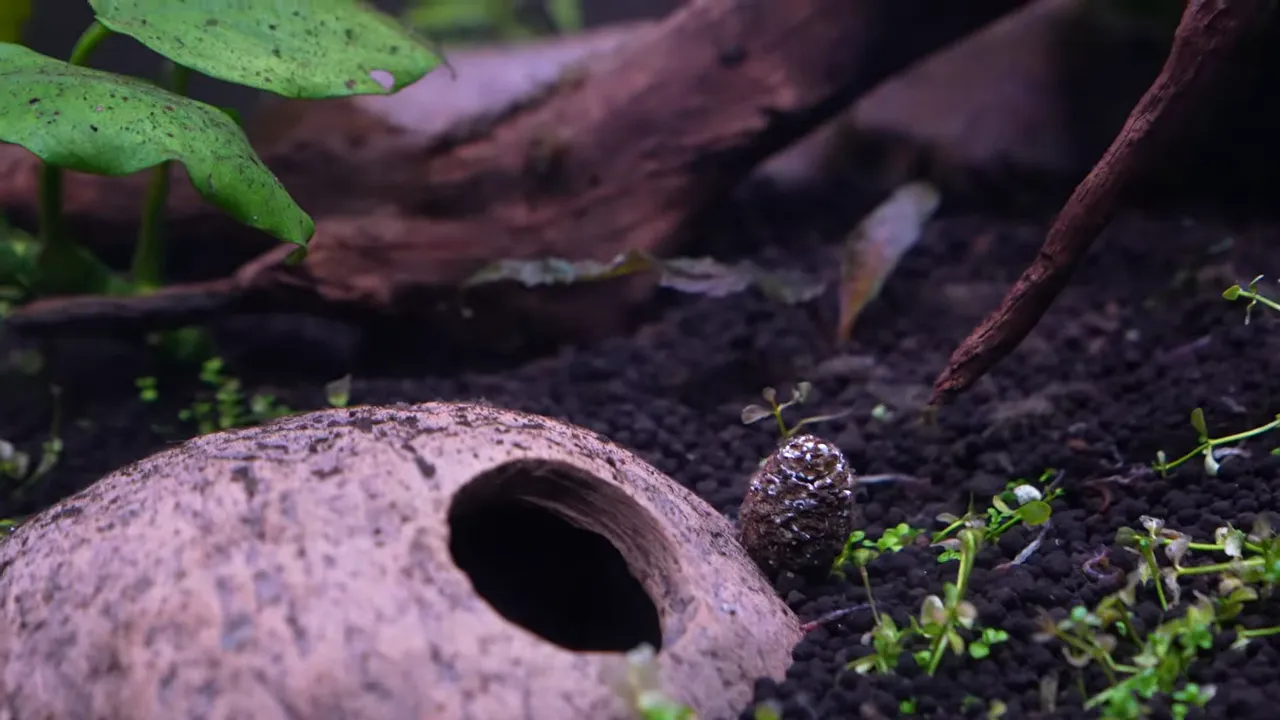
Driftwood and rocks are a good foundation, but a betta habitat can offer more than open space. Add safe caves, tunnels or other purpose-made hides to create places for the fish to investigate.
Decor should create usable pathways, not block them. A strong layout gives the fish room to move around hardscape, pass behind features and choose between exposed and sheltered areas.
Hardscape safety considerations
- Use aquarium-safe materials.
- Choose hides and decor with openings large enough for the fish to enter and leave comfortably.
- Arrange pieces securely so they cannot shift.
- Leave clear swimming space around wood, rocks and caves.
7. Consider botanicals for a natural blackwater look
A blackwater aquarium has a tea-coloured appearance caused by tannins. These can come from driftwood, catappa leaves, also called almond leaves, or alder cones.
The brown or yellow tint is often mistaken for dirty water, but it is distinct from poor water quality. Tannins have natural antibacterial and antifungal properties, can soften the water and can make it slightly more acidic. This leaf-litter style environment resembles the tannin-rich conditions associated with bettas in nature.
Blackwater is a visual preference as much as a habitat choice. If the tinted water appeals to you, botanicals can add both natural texture and a more leaf-litter-inspired setting.

8. Provide safe betta enrichment
Bettas are curious fish, and enrichment can add variety to their routine. A low-effort option is drawing a temporary doodle on the outside of the aquarium glass with a dry-erase marker. Change the drawing after a couple of days to provide a new visual stimulus.
A small mirror can also encourage flaring and exercise, but it must be used carefully. Keep mirror sessions short, never leave the mirror in the aquarium unattended and remove it after a few minutes.
Can betta fish learn tricks?
Yes. Food-based training can be used to teach a betta to swim through a hoop. Start by pairing the hoop with a treat on the other side, then gradually build toward performing the action on cue. Patience and short sessions are important.
Training should be an optional form of enrichment, not a replacement for a well-planted, stable aquarium.
9. Feed high-quality foods, including frozen options
Diet is another meaningful quality-of-life upgrade. Frozen foods can offer a high-quality, minimally processed option for bettas. Suitable choices include:
- Brine shrimp
- Bloodworms
- Mysis shrimp
Frozen food may not be practical every day. When convenience matters, a quality betta-focused prepared food such as insect-based pellets can be a useful alternative. Providing good nutrition consistently is more important than making feeding complicated.
10. Put the aquarium somewhere you will notice it often
Tank placement affects how easily you can keep up with your betta’s condition. A spot with regular household activity makes it easier to observe the fish, notice changes and address potential health issues quickly.
A high-traffic location should still be sensible for the aquarium. Keep the setup stable, protected and easy to access for routine feeding, testing and maintenance.
Common betta care mistakes to avoid
- Replacing filtration all at once: This can remove the established beneficial bacteria.
- Using excessive current: Strong water movement can make swimming difficult for bettas with long fins.
- Assuming plant melt means failure: New plants may need time to transition from above-water growth to submerged growth.
- Leaving a mirror in the aquarium: Mirror enrichment is only for short, supervised sessions.
- Skipping water tests because the tank looks clean: Clear water does not confirm safe ammonia, nitrite, nitrate or pH levels.
- Providing only bare open space: Bettas benefit from plants, hiding areas and routes to explore.
- Ignoring jump risk: A lid, lower water line or floating plant barrier should be part of the setup plan.
Betta quality-of-life upgrade checklist
Use this list when assessing an existing tank or planning an upgrade.
- Is the heater adjustable and appropriate for changing room conditions?
- Can the betta swim comfortably without being pushed by filter flow?
- Is there a lid or another practical jump-prevention measure?
- Are there live plants and enough cover to explore?
- Are ammonia, nitrite, nitrate and pH tested regularly?
- Does the tank include safe caves, tunnels or sheltered areas?
- Would tannin-producing botanicals suit the desired setup?
- Is enrichment brief, safe and supervised?
- Does the feeding routine include high-quality appropriate foods?
- Is the aquarium located where the fish can be checked often?
Takeaway
The best betta fish care is built from consistent small decisions: stable heating, gentle filtration, tested water, secure containment, natural cover and meaningful enrichment. Start with the foundations, then add plants, hides and feeding variety to create a tank that is both easier to maintain and more engaging for the fish.
Betta Fish Quality of Life FAQ
Do bettas need gentle filtration?
Gentle filtration is beneficial, particularly for bettas with long, heavy fins that can struggle in strong current. A sponge filter is one option that provides slower water movement.
How long should old and new aquarium filters run together?
Run the established and new filters together for about two weeks. This allows beneficial bacteria from the established filter to begin growing in the new filter.
Why are my new aquarium plants melting?
Many aquarium plants are grown above water before sale. When moved underwater, their original leaves may melt as they adjust to submerged conditions. New growth can return after roughly two weeks.
Are tannins good for betta fish?
Tannins from driftwood, catappa leaves or alder cones create tea-coloured water. They have natural antibacterial and antifungal properties, soften water and add slight acidity, helping recreate a leaf-litter-style environment.
Can I use a mirror to exercise my betta?
Yes, but only in moderation. A mirror can prompt flaring and exercise, but it should never be left unattended in the aquarium and should be removed after a few minutes.