Green water, recurring cloudy water, and constant algae scraping can make even a well-kept aquarium look unhealthy. A UV sterilizer is a practical filtration upgrade for controlling the microscopic organisms suspended in the water column, including free-floating algae, bacteria, and some parasite stages.
It is not a replacement for fish care, aquarium maintenance, or treating an active fish illness. However, when installed correctly, UV sterilization can make water clearer, reduce the conditions behind recurring green-water blooms, and help keep glass and décor cleaner for longer.
Table of Contents
- What Is a UV Sterilizer for an Aquarium?
- What a UV Sterilizer Can and Cannot Do
- UV Sterilizer vs Carbon, Clarifiers, and Water Changes
- When Is a UV Sterilizer Worth Adding to a Fish Tank?
- How to Install a UV Sterilizer on a Canister Filter
- Essential UV Sterilizer Safety and Setup Tips
- How to Get Better Results from a UV Sterilizer
- Common UV Sterilizer Mistakes
- What Aquarium Size UV Sterilizer Do You Need?
- FAQ: Aquarium UV Sterilizers
- Clearer Water Starts with the Right Tool
What Is a UV Sterilizer for an Aquarium?
An aquarium UV sterilizer is a chamber fitted with a UV-C bulb. Aquarium water is pumped through the chamber, where it is exposed to ultraviolet light before returning to the tank.
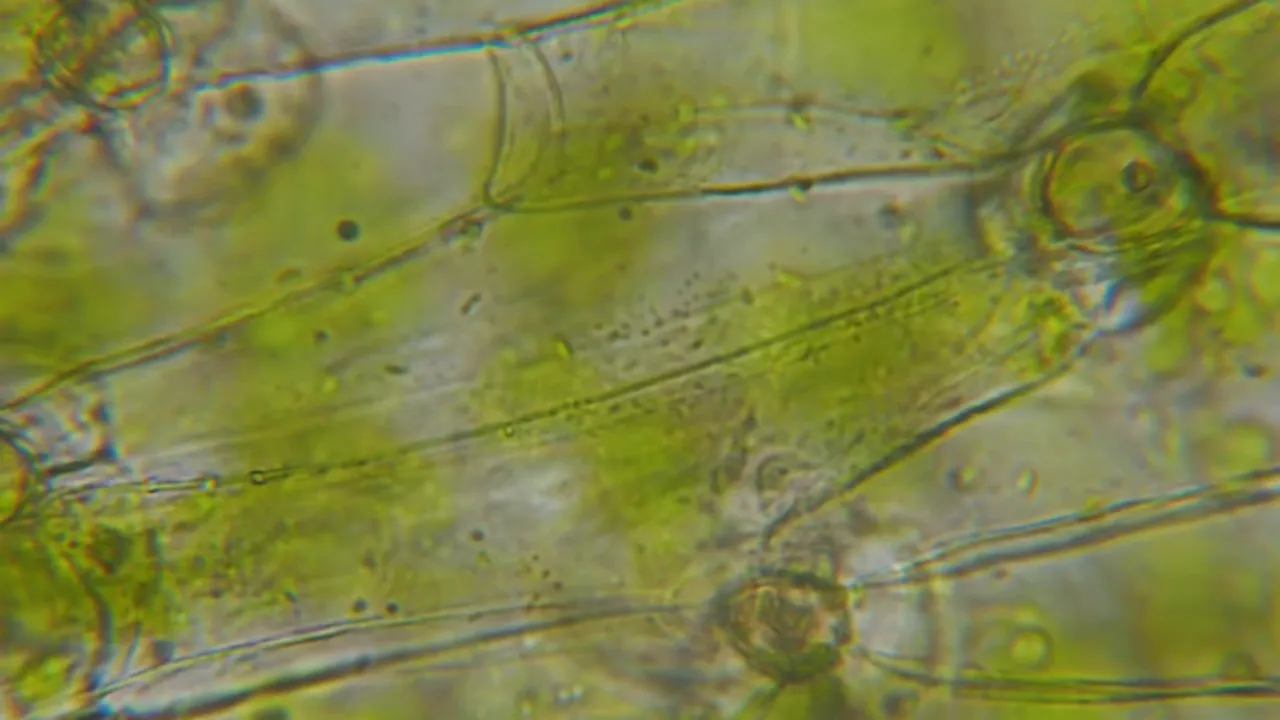
The UV-C exposure disrupts the genetic material of microorganisms that pass through the unit. This prevents those organisms from reproducing. Over time, as water repeatedly circulates through the sterilizer, the number of susceptible organisms in the water can be significantly reduced.
This is why UV sterilization is particularly useful for issues that occur in the water column, such as:
- Free-floating green algae that turns aquarium water green
- Cloudy water associated with bacterial blooms
- Free-floating microorganisms, including certain parasite stages
- General water clarity problems that persist despite regular maintenance
What a UV Sterilizer Can and Cannot Do
A UV sterilizer is most effective when the problem organism is suspended in the water and passes through the unit. That distinction is important when deciding whether it is the right solution for an aquarium.
What UV sterilization helps control
- Green water: Free-floating algae can create a green haze that makes fish, plants, and décor difficult to see.
- Bacterial blooms: Some cloudy-water problems are caused by bacteria suspended throughout the tank.
- Recurring water-column blooms: By limiting reproduction of exposed organisms, UV can help prevent a bloom from continually rebuilding.
- Parasite management: UV can reduce free-floating parasite stages, including those associated with common issues such as ich.
- Visible cleanliness: Reduced water-column algae can mean less frequent algae buildup on glass and décor.
What UV sterilization does not replace
A UV sterilizer treats water passing through its chamber. It does not directly treat organisms already attached to the glass, substrate, plants, décor, or fish.
For example, a UV unit can support parasite control, but fish still need appropriate treatment when parasites are present. Likewise, existing algae should be removed from surfaces through cleaning rather than expecting the sterilizer to erase it.
Think of UV as a control and prevention tool, not a cure-all. It works best alongside normal aquarium care.
UV Sterilizer vs Carbon, Clarifiers, and Water Changes
Several aquarium products can improve water clarity, but they work differently. The best choice depends on the cause of the problem and whether it is a temporary event or a recurring issue.
| Option | Best suited to | Primary role |
|---|---|---|
| Water changes | General maintenance and water-quality management | Removes and replaces aquarium water |
| Activated carbon | Improving water clarity | Provides chemical filtration |
| Liquid clarifier | Cloudiness or suspended particles | Helps clarify water |
| UV sterilizer | Free-floating algae, bacteria, and parasite stages | Reduces reproduction of microorganisms exposed to UV-C |
Carbon and liquid clarifiers can be useful choices for clearing water. A UV sterilizer offers a different benefit because it continually addresses organisms circulating through the system. It can be especially worthwhile when green water or cloudy blooms return after maintenance.
When Is a UV Sterilizer Worth Adding to a Fish Tank?
A UV sterilizer may be a strong fit if one or more of these situations sound familiar:
- Your aquarium develops green water repeatedly.
- You are scraping algae from the glass constantly.
- The tank experiences cloudy or off-looking water despite ongoing water changes.
- You want an added layer of control for free-floating algae, bacteria, and parasite stages.
- You keep messy fish that create a high-maintenance aquarium environment.
Goldfish aquariums are a good example. Goldfish can create a demanding maintenance routine, and algae can return quickly after the glass has been cleaned. A UV sterilizer can help maintain the clear-water result after that initial cleanup.
How to Install a UV Sterilizer on a Canister Filter
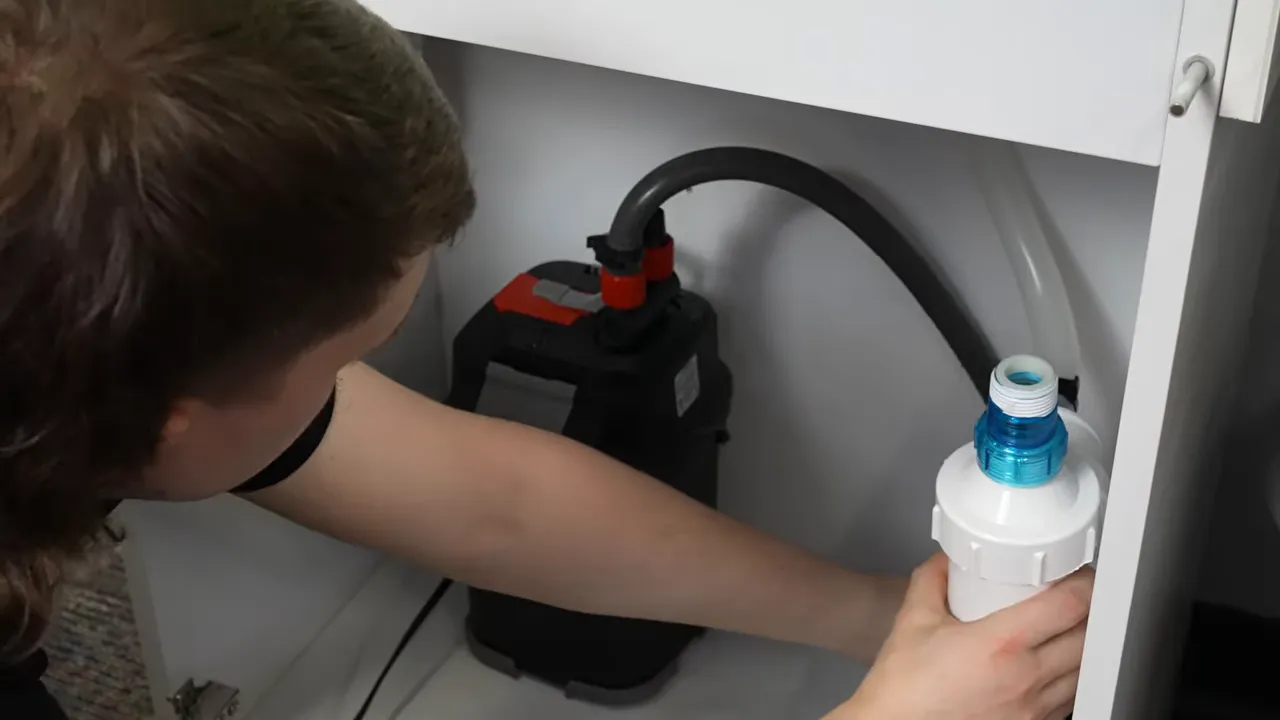
A UV sterilizer can be integrated into an existing filtration system. For a canister filter setup, placing the sterilizer on the filter output line is a practical approach.
Installation checklist
- Choose a secure location. Use a suitable mounting bracket and position the sterilizer where the tubing can run cleanly without kinks.
- Confirm the tubing size. Match the unit fittings and aquarium tubing, adding extra tubing if the existing line is too short.
- Fit the connectors. Attach the correct fittings to the sterilizer before connecting the tubing.
- Secure every hose connection. Use tube clamps to prevent leaks. Two zip ties facing opposite directions can also be used as a practical alternative.
- Route and cut tubing carefully. Run the tubing to its final position before cutting it to length.
- Install the bulb. Handle the bulb carefully and avoid touching its glass surface.
- Prime the canister filter. Restore water flow through the full filtration loop.
- Plug in the UV only after water is flowing. Never power the UV bulb before the sterilizer is filled and operating with water flow.
Essential UV Sterilizer Safety and Setup Tips
Correct installation matters for both performance and safe operation. Before using a UV sterilizer, follow these essential practices:
- Do not plug in the unit without water flow. Start the filter and confirm the system is primed first.
- Do not touch the bulb glass. Handle the bulb carefully during installation.
- Clamp the tubing. A secure connection helps avoid leaks inside an aquarium cabinet.
- Check the flow path. Water must be able to enter and exit the sterilizer without pinched tubing or loose fittings.
- Clean existing algae manually. Scrape the glass and remove visible buildup before relying on UV to maintain clearer conditions.
- Treat sick fish directly when needed. UV can help manage free-floating parasite stages, but it does not replace fish treatment.
How to Get Better Results from a UV Sterilizer
The most effective approach combines UV sterilization with basic maintenance. Start by cleaning the tank, including the viewing panes, then restore steady filtration and allow the sterilizer to work on the water column over time.
Use this simple framework when green water or cloudy water appears:
- Identify the visible issue. Determine whether the tank has green water, general cloudiness, algae on surfaces, or signs that fish need direct care.
- Remove what is already attached. Scrape algae from glass and clean visible buildup from areas that need it.
- Maintain the aquarium. Continue water changes and normal filtration maintenance.
- Use water-clarity products where appropriate. Carbon or a liquid clarifier may be useful depending on the issue.
- Run UV with steady flow. Keep water moving through the sterilizer after the system is fully primed.
- Monitor the tank rather than chasing daily changes. The goal is ongoing control of free-floating organisms and clearer water over time.
Common UV Sterilizer Mistakes
Expecting UV to clean algae-covered glass
UV affects organisms that pass through the chamber. It does not physically remove algae already stuck to the aquarium walls. Clean surfaces first, then use UV to help limit recurring free-floating algae.
Using UV instead of treating fish
UV can help manage parasite stages suspended in water, but it is not a complete treatment plan for fish with an active parasite problem. Treat the fish as needed while using UV as added support for the system.
Turning on the bulb before priming the filter
The unit should only be powered after water is moving through it. Always prime the canister filter, check flow, and confirm secure connections first.
Leaving hoses unsecured
Even a well-planned installation can leak if tubing is not clamped firmly. Secure every connection before restarting the filter.
Assuming all cloudy water has the same cause
Cloudiness, green water, algae growth, and fish health concerns can overlap, but they are not identical problems. A UV sterilizer is most relevant when suspended algae, bacteria, or other free-floating microorganisms are involved.
What Aquarium Size UV Sterilizer Do You Need?
UV sterilizers are available in a range of sizes to suit different aquarium volumes. For example, Aqua Ultraviolet models are offered from 8-watt units to much larger 80-watt units.
The correct size should fit the aquarium and the system’s filtration setup. A compact 8-watt sterilizer can suit a smaller freshwater aquarium, while larger systems require a unit designed for their water volume and circulation needs.
Before choosing a model, confirm:
- The aquarium size
- The available space for installation
- The tubing and fitting compatibility
- The filtration route and available output line
- The manufacturer’s intended sizing guidance for the chosen unit
FAQ: Aquarium UV Sterilizers
Does a UV sterilizer remove green water from an aquarium?
Yes. UV sterilization can strongly manage green water caused by free-floating algae because those algae circulate through the UV chamber and are prevented from reproducing after exposure.
Will a UV sterilizer remove algae from glass and décor?
It will not remove algae that is already attached to surfaces. Scrape or clean existing algae first. By reducing free-floating algae in the water, UV can help reduce how quickly algae returns to glass and décor.
Can a UV sterilizer treat ich in fish?
A UV sterilizer can help manage free-floating parasite stages, including those associated with ich. It does not replace treatment for affected fish, since fish also need to be treated directly when parasites are present.
Should a UV sterilizer go before or after a canister filter?
For an existing canister-filter setup, installing the UV sterilizer on the filter output line is a practical configuration.
Can I turn on an aquarium UV sterilizer without water flowing through it?
No. Prime the filter and make sure water is flowing through the sterilizer before connecting power to the UV bulb.
Clearer Water Starts with the Right Tool
If repeated water changes, algae scraping, carbon, or liquid clarifiers are not providing lasting control of green water or recurring cloudiness, a UV sterilizer can be a useful addition to the aquarium filtration system.
Use it correctly: clean the aquarium first, install it securely on a flowing filter line, avoid powering it dry, and continue normal maintenance. With those fundamentals in place, UV sterilization can help create clearer water, better visibility, and a more stable-looking aquarium.