A freshwater aquarium clean-up crew can help manage algae, fallen plant material and missed food, but not every algae eater is a good fit for every tank. The best choices contribute useful grazing or scavenging behaviour while adding relatively little waste, avoiding aggression and fitting comfortably into the aquarium for life.
For most freshwater setups, the strongest clean-up crew options are nerite snails, mystery snails, shrimp, kuhli loaches and otocinclus. Some popular fish, including common plecos, may eat algae but create too much waste or outgrow typical community tanks.
Table of Contents
- What is a freshwater clean-up crew?
- Best snails for freshwater aquarium clean-up
- Best freshwater shrimp for algae and leftovers
- Fish that can belong in a freshwater clean-up crew
- Popular algae eaters that need careful consideration
- Why common plecos are not a beginner clean-up crew solution
- How to choose the right clean-up crew for your tank
- Freshwater clean-up crew mistakes to avoid
- Clean-up crew checklist before you buy
- Takeaway: build a crew, not a shortcut
- Frequently asked questions
What is a freshwater clean-up crew?
A freshwater clean-up crew is a group of compatible animals that helps reduce unwanted algae, decaying plant debris and uneaten food. The goal is not to add animals simply because they are labelled as “cleaners.” A good clean-up crew should provide a useful service without heavily increasing the tank’s bioload or disrupting its inhabitants.
It is important to set realistic expectations. Clean-up crew animals can graze, sift and scavenge, but they do not replace routine aquarium care. If algae or uneaten food keeps accumulating, the underlying issue still needs attention.
Best snails for freshwater aquarium clean-up
Snails are among the most versatile freshwater cleaners. Depending on the species, they can graze algae from hard surfaces, eat decaying plant matter and pick through food that reaches the substrate.
Nerite snails for algae on glass and décor
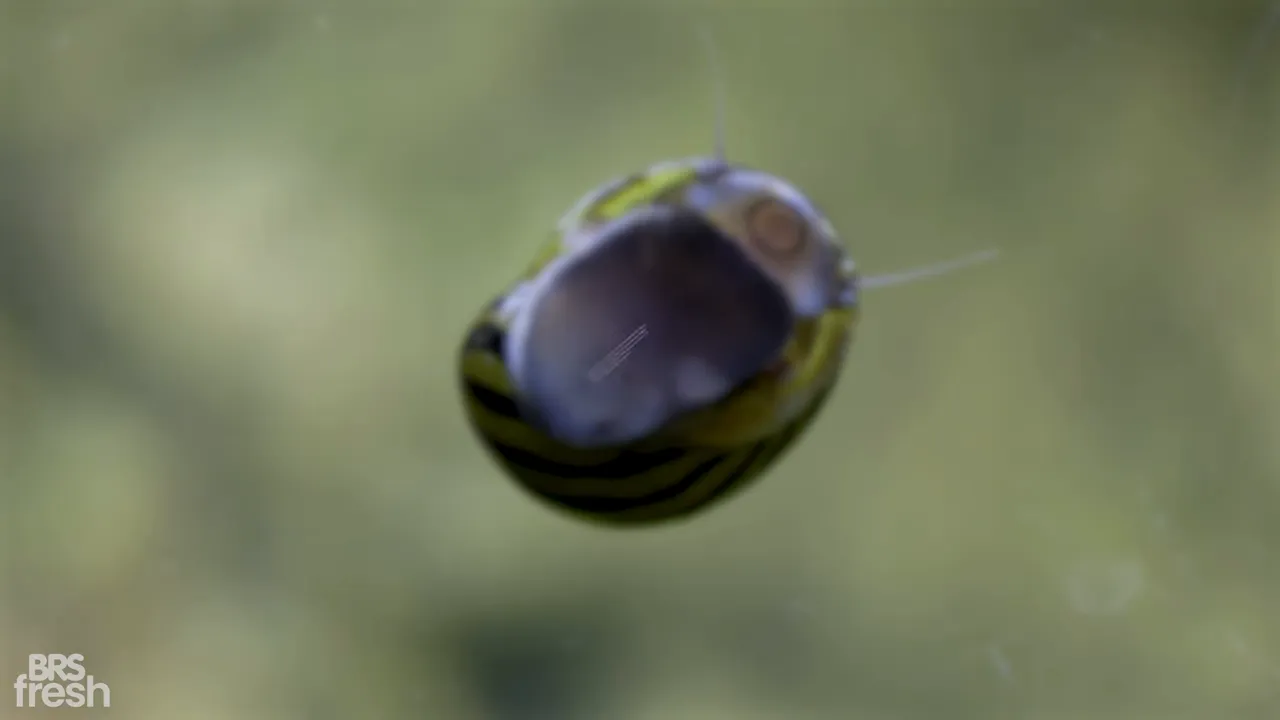
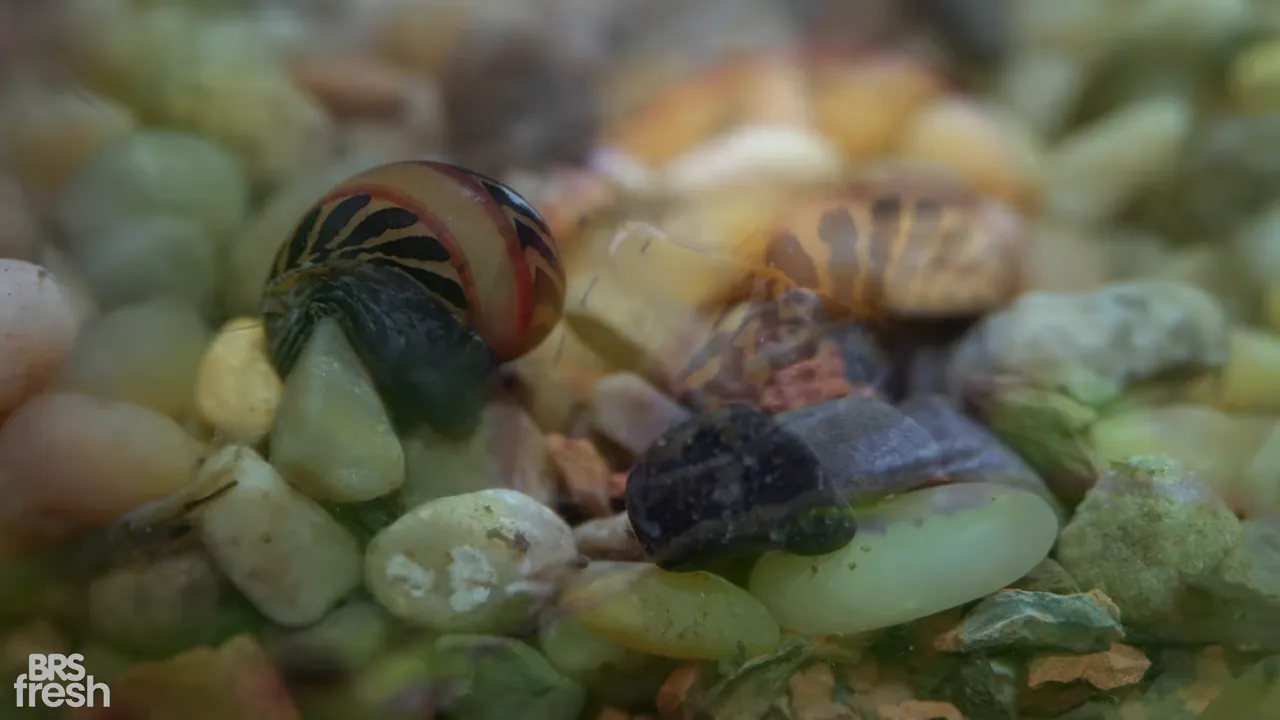
Nerite snails are an excellent choice when algae is the main concern. They actively graze across rocks, glass and other hard surfaces, and can make a visible difference on algae-coated décor. They are also easy to find and can live for a long time in an established aquarium.
The main trade-off is aesthetic rather than population control. Female nerite snails may leave eggs that can be difficult to remove. However, those eggs do not hatch in freshwater, so a nerite population will not suddenly take over a freshwater aquarium.
Mystery snails for general scavenging
Mystery snails are larger, highly visible snails that do general clean-up work. They move around the tank, climb the glass and explore areas near water flow. Their size and activity make them an appealing choice for aquariums where the clean-up crew is meant to be seen as well as useful.
Because mystery snails are bigger than nerites, they also produce more waste. They can still be valuable additions, but their bioload should be considered as part of the overall stocking plan.
Rabbit snails for sandy substrates
Rabbit snails are distinctive bottom-dwellers that spend their time on or in the substrate rather than travelling up the aquarium walls. Their long shells and hopping movement make them easy to recognise.
They can contribute to clean-up on the bottom of the aquarium, but they should be supplemented with food. Without enough available food, they may begin eating aquarium plants.
Ramshorn snails: hardworking but fast breeding
Ramshorn snails are effective little scavengers, but they are often considered pests because they can reproduce quickly. They may also arrive unexpectedly on live plants or décor.
They can be useful workers in a planted aquarium, but they are best for aquarists who are comfortable managing a potentially growing snail population.
Best freshwater shrimp for algae and leftovers
Shrimp are small, active scavengers that constantly pick through surfaces for food. They are especially helpful around hair algae, plant growth and small leftover particles that larger fish may ignore.
Cherry shrimp
Cherry shrimp, a red variety of Neocaridina shrimp, are colourful, easy to care for and enjoyable to breed. They will graze on hair algae and contribute to routine clean-up around plants and décor.
The major compatibility concern is their small size. Many fish will see cherry shrimp as food, so they are best suited to peaceful tank mates that will not prey on them.
Amano shrimp for serious algae control
Amano shrimp are particularly effective algae eaters and strong general scavengers. They are less colourful than cherry shrimp, but their larger size makes them less vulnerable to being eaten by many fish.
For an aquarium with persistent hair algae, Amano shrimp are often the more practical shrimp choice because they combine algae grazing with a more substantial adult size.
Fish that can belong in a freshwater clean-up crew
Fish can help with clean-up, but they require more careful selection than snails or shrimp. A fish should not be chosen solely for a temporary algae issue. Consider its adult size, social needs, behaviour and long-term impact on the aquarium.
Kuhli loaches for the substrate
Kuhli loaches are social, eel-like bottom fish that should be kept in groups. They dig through the substrate and can help keep the bottom tidy by searching for food among the gravel or sand.
They are not major algae eaters. Their strength is bottom-level scavenging and substrate activity, not cleaning algae from glass or plants.
Otocinclus for smaller algae-eating fish
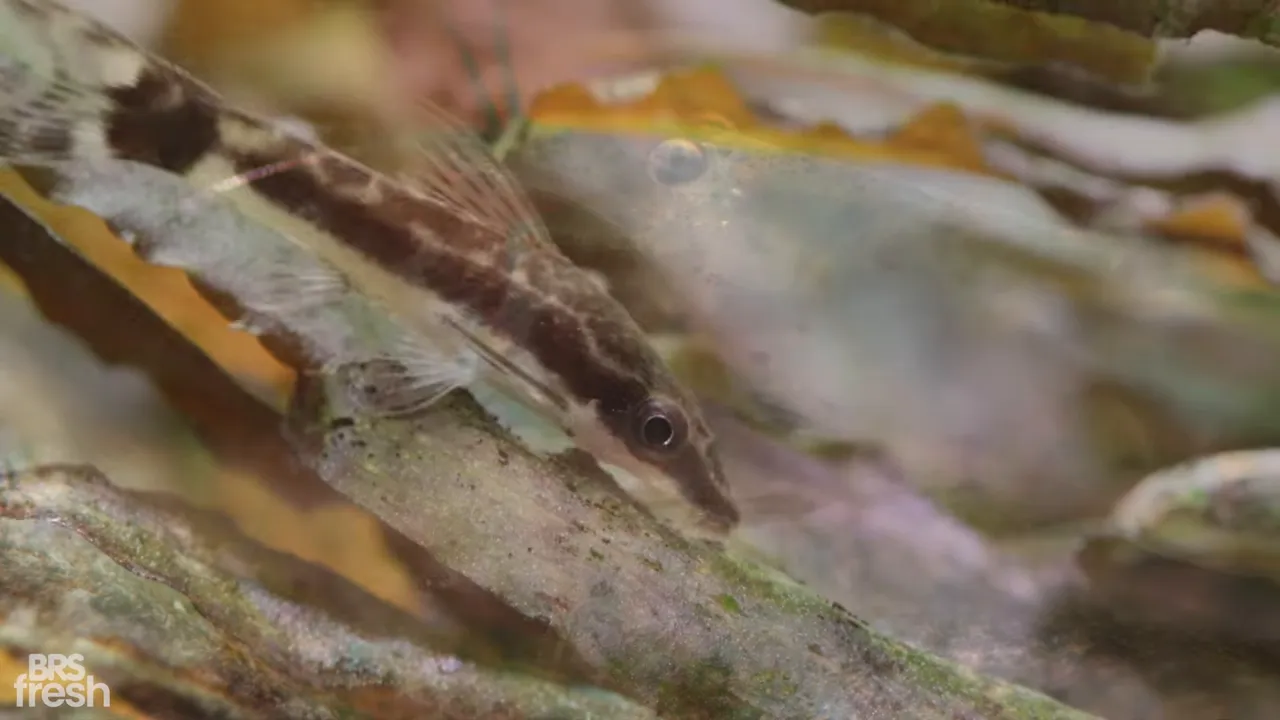
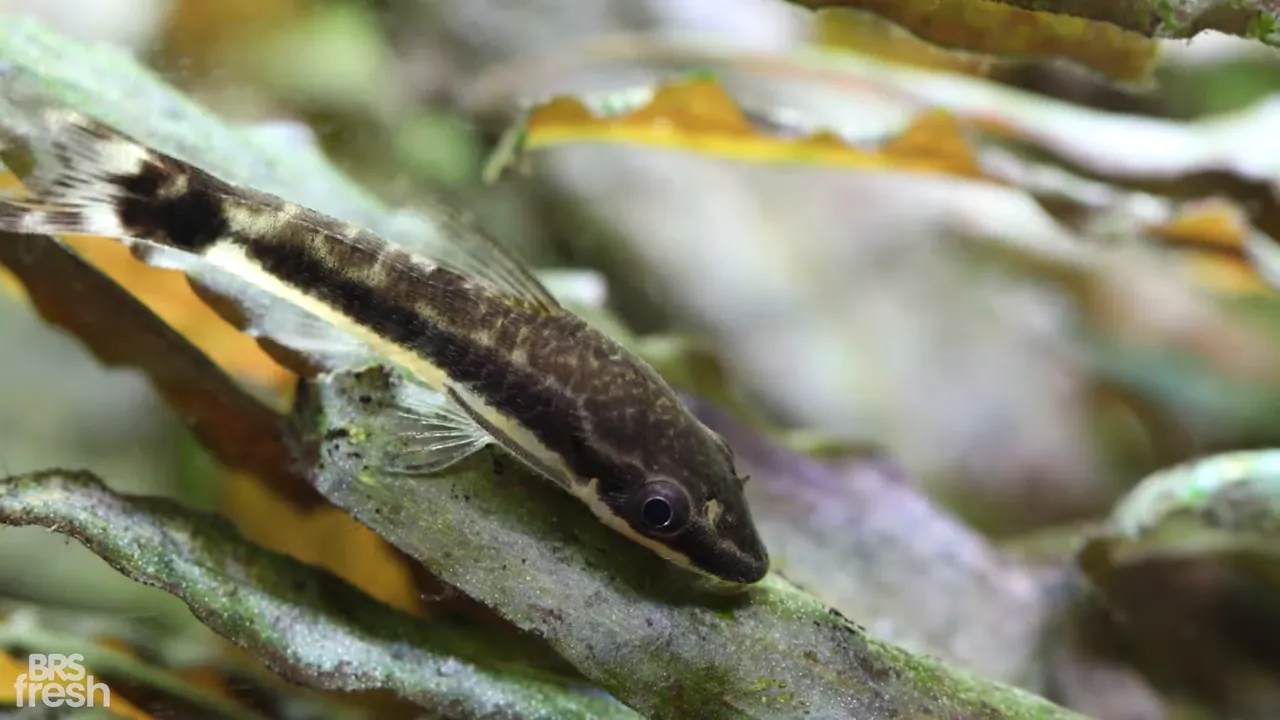
Otocinclus, often called otos, are among the smaller algae-eating fish and can work well in nano aquariums. They stay around two inches or less and should be kept in groups because they are social fish.
They are primarily valued for algae grazing. Offering vegetable-based foods can also provide variety in their diet.
Popular algae eaters that need careful consideration
Some animals do eat algae but do not meet the standard of a low-impact clean-up crew. They may be better suited to larger or more specialised aquarium setups.
Mollies
Mollies graze frequently and can pick at algae, but their larger size and potentially assertive behaviour make them less suitable as a simple clean-up crew addition. They should be chosen because they suit the aquarium’s stocking plan, not merely because algae is present.
Siamese algae eaters
Siamese algae eaters are notable because they are one of the few fish that will consume black beard algae. However, they grow to a good size and may become territorial. Long-term care calls for a larger aquarium with plenty of plants and hiding places.
They can be useful fish in the right environment, but they are not a universal solution for a small community tank.
Why common plecos are not a beginner clean-up crew solution
The common mistake is buying a small, inexpensive common pleco to solve an algae problem. Common plecos do eat algae, but they can grow well over a foot long, live for more than a decade and produce a substantial amount of waste.
They may suit a large predatory aquarium, but their adult size, plant-disturbing behaviour and heavy bioload make them a poor choice as a general-purpose cleaner for a typical freshwater tank.
What about bristlenose plecos?
Bristlenose plecos are a more manageable alternative to common plecos and can eat algae and leftovers. Even so, they produce significant waste. Adding one may mean stronger filtration or more frequent water changes to maintain water quality.
A bristlenose pleco can be a worthwhile fish when chosen for the right aquarium, but it should not be treated as a no-maintenance cleaning tool.
How to choose the right clean-up crew for your tank
Choose clean-up crew members according to the job needed and the conditions already present in the aquarium.
- For algae on rocks, glass and décor: Consider nerite snails.
- For general visible scavenging: Mystery snails can be a good option, while accounting for their waste.
- For hair algae and fine leftovers: Cherry shrimp or Amano shrimp can help.
- For food in the substrate: Kuhli loaches can search through the bottom layer.
- For a small social algae-eating fish: Otocinclus can be a suitable option when kept in a group.
- For black beard algae: Siamese algae eaters may help, but only in a tank that can support their adult needs.
Before adding any animal, ask whether it will be safe with existing fish. Small shrimp can become food for larger tank mates, while fish with larger adult sizes or territorial tendencies may not suit a peaceful community aquarium.
Freshwater clean-up crew mistakes to avoid
Buying an animal only to fix algae
Algae eaters should be selected as permanent inhabitants, not short-term equipment. Every snail, shrimp or fish added to the tank has feeding needs and produces waste. Choose animals you can support for their full lifespan.
Ignoring bioload
An animal can eat algae and still make water quality management harder. Larger snails and plecos are clear examples: they may clean surfaces, but their waste can increase the need for filtration and water changes.
Assuming all cleaners eat the same thing
Different species focus on different jobs. Kuhli loaches are useful around the substrate but do little for algae. Nerite snails are strong algae grazers. Shrimp are useful for hair algae and small leftovers. Matching the animal to the problem produces better results than buying a random assortment.
Forgetting about social needs
Some fish used for clean-up should not be kept alone. Kuhli loaches and otocinclus do best in groups, so their social requirements must be included in stocking decisions.
Failing to feed when natural food is limited
A clean aquarium may not provide enough food for dedicated grazers and scavengers. Rabbit snails in particular need supplemental feeding to avoid turning to aquarium plants. Otocinclus can also be offered vegetable-based foods.
Clean-up crew checklist before you buy
- Identify whether the issue is algae, decaying plant matter, uneaten food or a combination.
- Choose a species suited to that specific task.
- Check the animal’s adult size and expected lifespan.
- Consider the additional bioload it will create.
- Confirm it will be safe with existing fish and invertebrates.
- Make sure social species can be kept in an appropriate group.
- Plan for supplemental food if algae and leftovers are scarce.
- Avoid selecting a large fish simply because it is inexpensive when young.
Takeaway: build a crew, not a shortcut
The best freshwater aquarium clean-up crew is balanced and tank-specific. Nerite snails, shrimp, kuhli loaches and otocinclus can each contribute in different ways, while larger algae eaters such as plecos demand much more consideration than their small juvenile size suggests.
Start by identifying what needs managing, then choose compatible animals that will thrive long after the immediate clean-up job is done.
Frequently asked questions
Do freshwater clean-up crews replace water changes?
No. Snails, shrimp and algae-eating fish can reduce algae, leftovers and decaying material, but they also produce waste. Regular aquarium maintenance remains necessary.
What is the best freshwater algae eater for a small tank?
Nerite snails are a strong choice for algae on hard surfaces. Otocinclus can also suit nano aquariums when their need to live in groups is considered.
Will nerite snail eggs hatch in freshwater?
No. Female nerite snails may lay visible eggs, but those eggs do not hatch in freshwater.
Are cherry shrimp safe with fish?
Cherry shrimp can be eaten by other fish because of their small size. Assess the behaviour and size of existing tank mates before adding them.
Why should common plecos be avoided as clean-up crew fish?
Common plecos can grow well over a foot long, live for more than a decade and produce large amounts of waste. They are not a suitable algae solution for most typical freshwater community tanks.