Guppies are colourful, active freshwater fish that can be straightforward to keep, but their fast breeding and delicate fry create a few challenges that catch many owners off guard. Good guppy care is not just about putting attractive fish in a tank. It also means managing numbers, offering suitable food, choosing peaceful tank mates, controlling water flow, and planning for fry.
This guide explains the most common guppy mistakes and the practical choices that help keep adult guppies and young fish in better condition.
Table of Contents
- Why guppy care requires planning
- 1. Letting the guppy population grow too quickly
- 2. Feeding only one type of food
- 3. Choosing unsuitable tank mates for guppies
- 4. Using filtration that is too strong or unsafe for fry
- 5. Providing no cover for guppy fry
- 6. Mixing guppy varieties without considering the outcome
- A practical guppy care checklist
- Key takeaway
- Frequently asked questions
Why guppy care requires planning
Guppies are prolific livebearers. A female can produce fry after a gestation period of roughly 28 days, so a small mixed-sex group can grow quickly. That makes guppies a rewarding option for breeding projects, but it also means stocking, filtration, food size, and fry cover need consideration from the start.
Before adding guppies, decide which of these goals applies to your aquarium:
- Display tank: A colourful group where breeding is not the priority.
- Community aquarium: Guppies kept with other small, peaceful fish.
- Breeding setup: A tank designed to raise as many fry as possible.
- Selective breeding project: Separate groups maintained to preserve a particular variety.
Your goal determines whether fry need protection, whether varieties should be separated, and how carefully you need to manage the male-to-female ratio.
1. Letting the guppy population grow too quickly
The most common guppy problem is simply ending up with more fish than expected. Guppies have earned the nickname “millions fish” because they reproduce readily. A tank that appears lightly stocked at first can become crowded after successive births.
Use a sensible sex ratio
For mixed-sex groups, aim for two females for every male. This helps spread male attention across more than one female. It is also important to remember that more females can mean more batches of fry, so the aquarium still needs sufficient capacity and a plan for the offspring.
How to prevent unwanted fry
If you do not want babies, an all-male guppy group is the simplest approach. Male guppies are often chosen for their especially vivid colour and elaborate tails, so an all-male tank can still make an attractive display.
Have a plan before fry arrive
- Choose a larger aquarium where possible, since extra water volume gives the fish more room.
- Do not buy mixed-sex guppies without accounting for future fry.
- Decide whether fry will remain in the tank, be raised separately, or be rehomed.
- Avoid treating rapid population growth as a problem to solve later.
2. Feeding only one type of food
Guppies benefit from dietary variety. They eat food from both plant and animal sources, so repeatedly feeding only one product limits variety in their diet.
A practical guppy feeding routine can rotate among suitable prepared, frozen, freeze-dried, and live foods. Frozen foods and freeze-dried options can be useful additions, while live brine shrimp is a valuable food for both adults and fry.
Feed fry food that is small enough
Baby guppies need much finer food than adults. Once breeding begins, do not assume the adult food will work at every stage. Powdered or otherwise small fry food is better suited to the tiny mouths of young fish.
When adults and fry share an aquarium, feed the adults first, then add the fry food. This gives the adults an initial feeding opportunity and helps reduce the chance that they consume all the finer food immediately.
Variety does not mean overfeeding
Changing foods is useful, but excess food is a separate mistake. Feed carefully rather than rushing or pouring in a large quantity. An accidental heavy feeding can quickly foul the water and may require a substantial water change to restore clear conditions.
Simple feeding checklist:
- Offer more than one food type over time.
- Include both plant-based and animal-based foods.
- Use appropriately small food for fry.
- Feed adults before adding fry food in a shared tank.
- Keep portions controlled, even when using a varied diet.
3. Choosing unsuitable tank mates for guppies
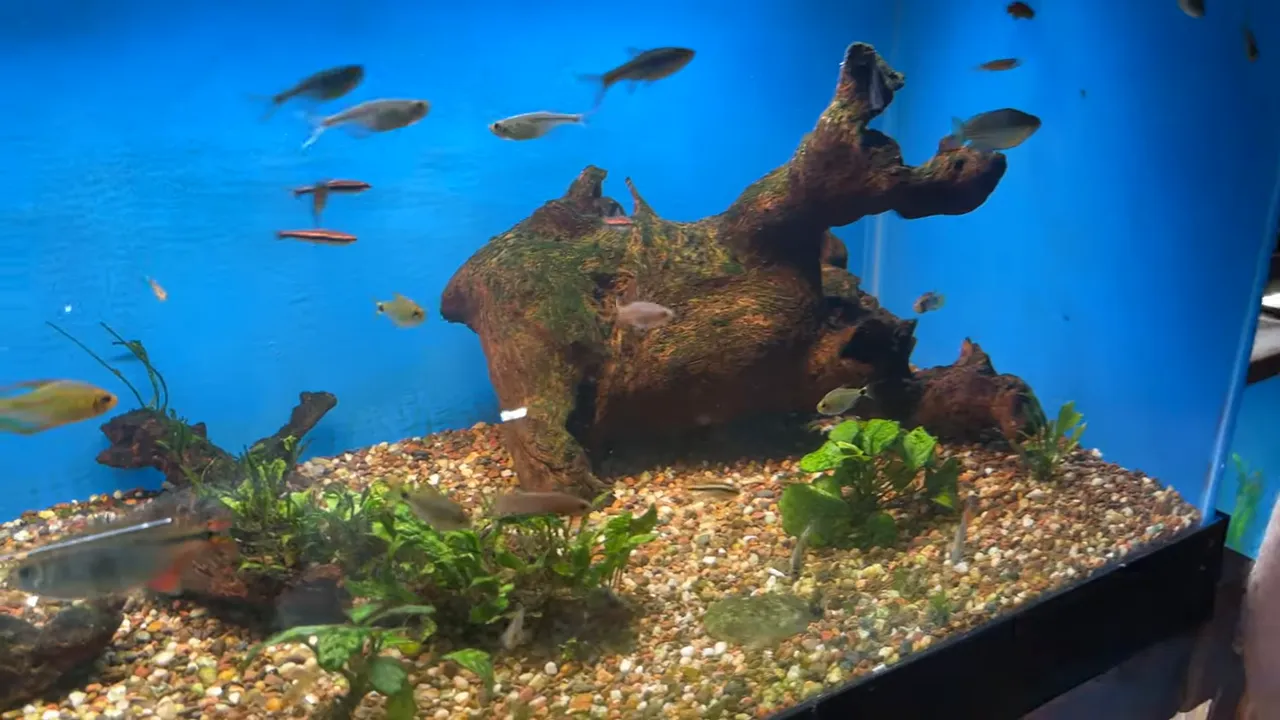
Guppies can work well in a community aquarium when they are housed with similarly sized, non-aggressive fish. Their flowing fins and small size make them poor companions for fish that nip fins or see them as prey.
Tank mates to avoid
- Barbs that nip fins: Fin-nipping behaviour can damage guppies and create stress.
- Large fish: A much larger fish, including a large angelfish, may treat a guppy as food.
- Goldfish: Guppies and goldfish should not be mixed because their water requirements differ.
How to assess a community tank
Do not select tank mates based only on whether both species are commonly sold in aquarium shops. Consider size, temperament, and environmental needs. A peaceful group of small fish is a more appropriate starting point than a tank with known fin nippers or much larger species.
4. Using filtration that is too strong or unsafe for fry
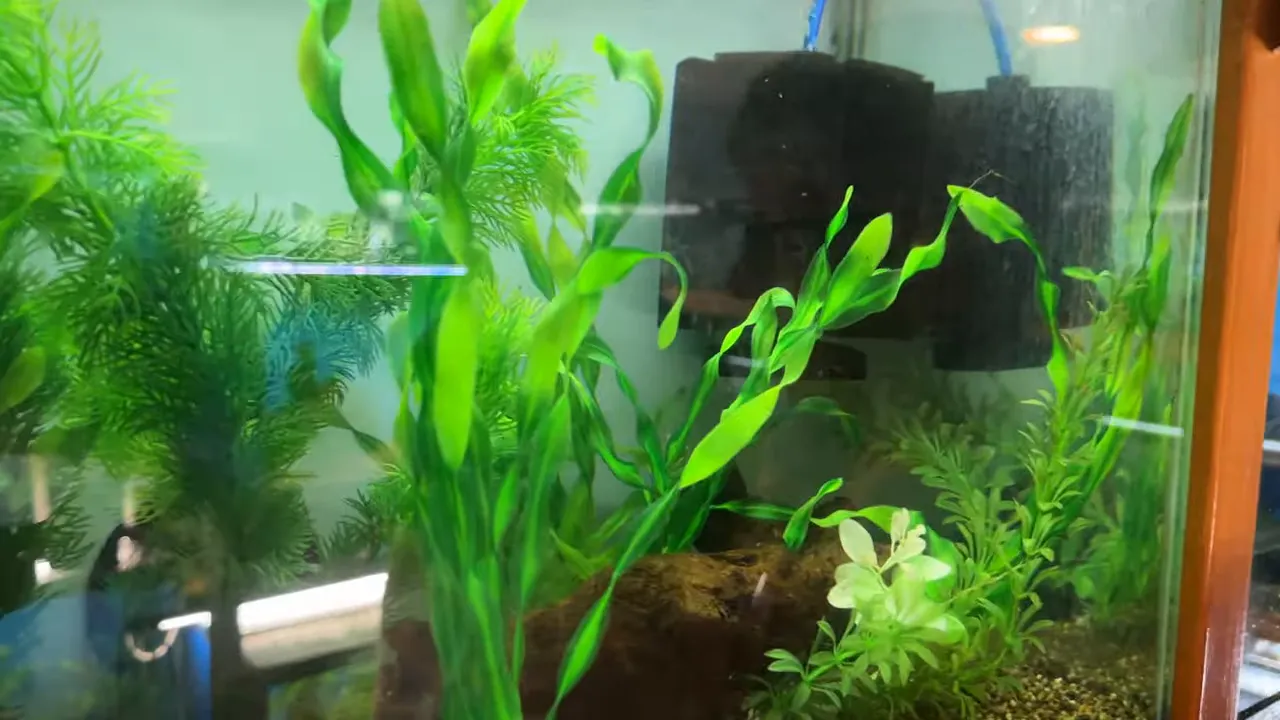
Filtration should keep the aquarium clean without creating hazards for young guppies or exhausting fish with a powerful current. Large canister filters and hang-on-back filters can draw tiny fry into the intake if the setup is not fry-safe.
Sponge filters are a practical option for guppy and fry tanks because they provide filtration while being safer for small fish. They are air-powered, simple to clean, and relatively affordable.
Match water flow to the fish
Strong output flow is not always beneficial. Long-finned guppies can struggle to swim continuously against a strong current. Constant effort may tire and stress them, potentially leaving them more vulnerable to illness.
A larger aquarium may offer calmer areas away from the filter output, but every tank should still provide places where guppies can rest out of the strongest flow.
Check your filtration setup:
- Can fry reach the intake?
- Do adult guppies have to fight the current constantly?
- Are there quieter areas within the aquarium?
- Does the filter provide effective filtration without overpowering the tank?
5. Providing no cover for guppy fry
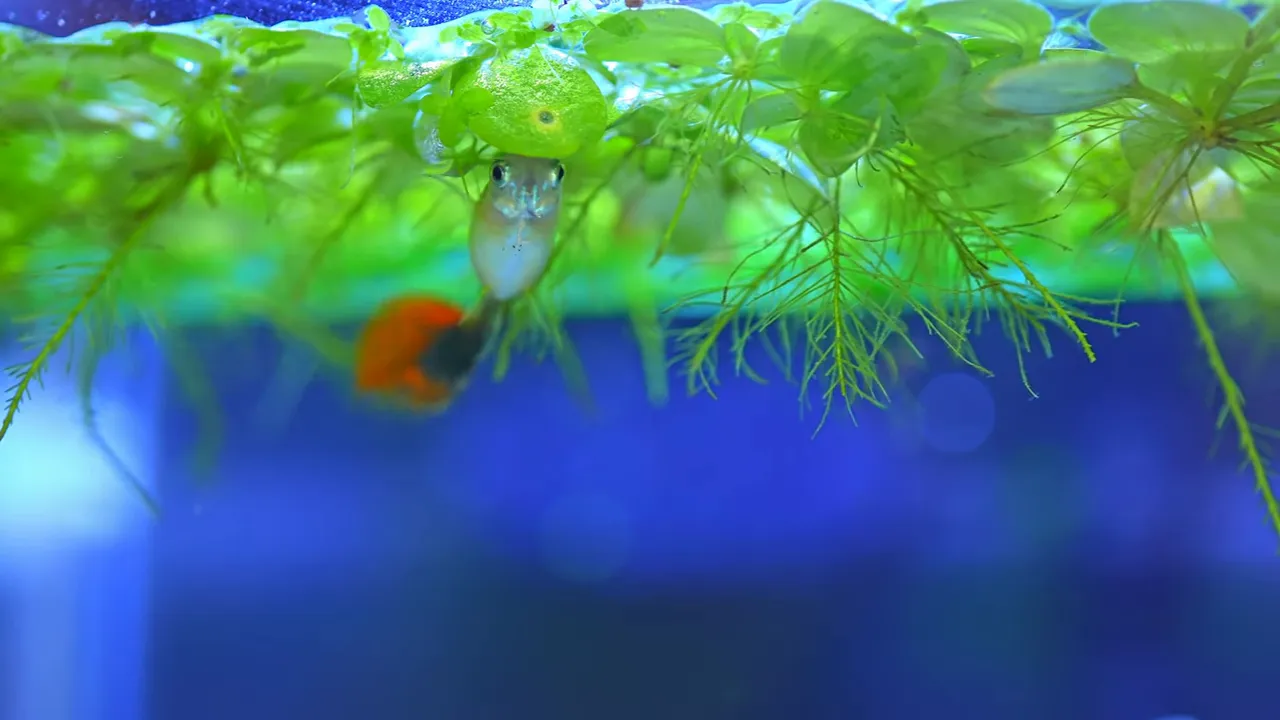
Floating plants are especially useful when the goal is to raise guppy fry. They create a sheltered area near the surface where young fish can retreat if adults begin chasing them. Cover also helps fry locate food away from the larger fish.
Not every guppy tank needs floating plants. If the fry are already large enough or there is no breeding goal, the need is less urgent. However, for a breeding tank, some form of cover is an important part of fry survival planning.
Benefits of floating plants
- Give fry a place to hide.
- Create a safer-feeling feeding area for young fish.
- Diffuse bright lighting.
- Can help limit algae buildup by reducing direct light intensity.
Red root floater is one example of a floating plant used for this purpose. Other plants may also be positioned at the surface to give fry additional cover.
Alternatives when floating plants are unavailable
If a pregnant guppy is due to give birth and there are no floating plants available, a breeding trap can provide a temporary option. A net-style trap can offer more room, and adding plants inside it gives fry somewhere to shelter.
Breeding equipment is not a replacement for good aquarium planning, but it can be useful when a separate protected area is needed quickly.
6. Mixing guppy varieties without considering the outcome
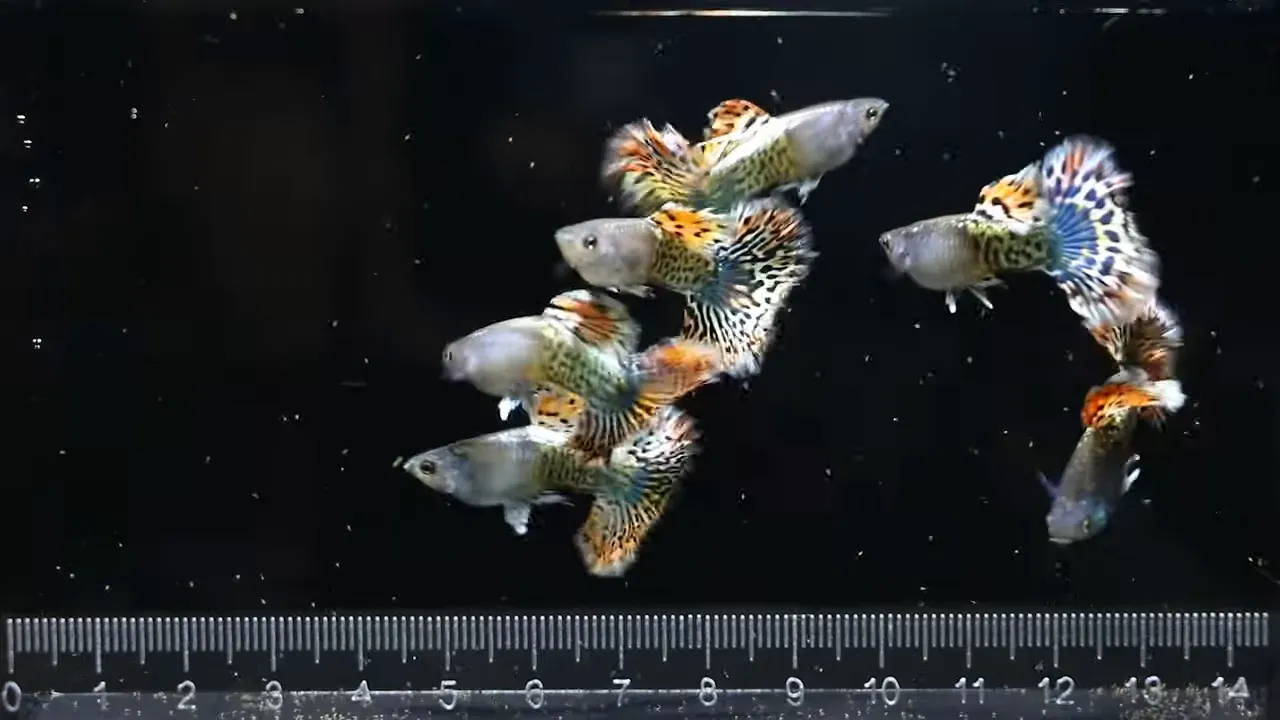
Mixing guppy varieties is not automatically wrong. A mixed group can be enjoyable in a general display aquarium. The concern arises when you want predictable offspring, want to maintain a specific strain, or intend to sell fish as a recognised variety.
When different varieties breed together, it becomes difficult to know which male produced which fry. The offspring can show unpredictable traits, and continued interbreeding can result in fish that do not match the original parent strain.
Keep varieties separate for selective breeding
If the objective is a pure strain, keep each variety in its own breeding group. This makes parentage easier to track and increases the likelihood that the offspring resemble the intended parents.
If you keep mixed guppies, be transparent when giving away or selling the offspring. They should be described as hybrids or mixed guppies rather than presented as a pure variety.
A practical guppy care checklist
Use this checklist when setting up or reviewing a guppy aquarium:
- Stocking: Prepare for fry before keeping males and females together.
- Sex ratio: Keep about two females per male in mixed groups.
- Food: Rotate suitable food types and use fine food for fry.
- Feeding: Avoid large portions and rushed feeding.
- Tank mates: Choose small, peaceful fish and avoid fin nippers, large predators, and goldfish.
- Filtration: Protect fry from intakes and avoid excessive current.
- Fry cover: Add floating plants or another safe refuge when breeding.
- Breeding goal: Separate varieties if predictable strain traits matter.
Key takeaway
Successful guppy keeping comes down to matching the aquarium to the fish’s needs and your own goal. Prevent overcrowding before it starts, feed a varied diet in appropriate sizes, keep the current manageable, choose compatible companions, and provide cover when raising fry. For selective breeding, separation of varieties is as important as daily care.
Frequently asked questions
How many female guppies should be kept with one male?
A useful ratio is two females for each male. Keep in mind that this can also increase the number of fry produced, so aquarium capacity and a fry plan are still essential.
Can guppies live with goldfish?
No. Guppies and goldfish should not be kept together because they require different water conditions.
Are sponge filters good for guppy tanks?
Yes. Sponge filters are a useful choice for guppy tanks because they provide filtration while reducing the risk that tiny fry will be pulled into a filter intake. They also produce a gentler setup than a powerful output stream.
Do guppy fry need floating plants?
Floating plants are particularly helpful when raising fry. They provide cover, help fry avoid chasing adults, and create a sheltered place where young fish can find food.
Can different guppy varieties be kept together?
Yes, if you are happy with mixed offspring. Keep varieties separate if you want to preserve a particular strain and produce fry that reliably resemble the parents.