Starting a planted aquarium does not require expensive lighting, injected CO2, or difficult plant care. The key is choosing hardy freshwater plants that match a simple setup. Live plants can make an aquarium feel more natural while helping absorb nutrients that affect water quality.
For a first planted tank, focus on plants with modest light needs, straightforward planting methods, and slow or manageable growth. Anubias, Java fern, Salvinia, Cryptocoryne wendtii, and Amazon sword are five reliable options that cover hardscape, substrate, surface, foreground, and background planting.
Table of Contents
- What makes an aquarium plant beginner-friendly?
- Quick comparison of the best beginner aquarium plants
- 1. Anubias: the easiest plant for rocks and driftwood
- 2. Java fern: a forgiving rhizome plant with easy propagation
- 3. Salvinia: a fast-growing floating plant for nutrient uptake
- 4. Cryptocoryne wendtii: a slow-growing rooted plant for low-tech tanks
- 5. Amazon sword: a large root feeder for taller aquariums
- How to choose the right beginner plants for your aquarium
- Beginner planted aquarium mistakes to avoid
- Frequently asked questions about easy aquarium plants
- Start with plants that fit your setup
What makes an aquarium plant beginner-friendly?
Easy aquarium plants are not necessarily plants that can be ignored. They are plants that tolerate uncomplicated conditions and do not demand specialist equipment to grow.
- Low to moderate light requirements: They can grow without an intense, high-end lighting system.
- No required CO2 system: A standard low-tech aquarium can support them.
- Simple feeding needs: Some need little fertiliser, while others respond well to liquid fertiliser or root tabs.
- Clear placement options: They can be attached to wood, planted in substrate, or left to float.
- Useful growth habits: They can fill open areas, create height, or provide surface cover.
The most important choice is not just the species, but planting it correctly. Rhizome plants must not be buried, root feeders need nutrition around their roots, and floating plants need occasional thinning so they do not shade everything below.
Quick comparison of the best beginner aquarium plants
| Plant | Best placement | Lighting | Key care point |
|---|---|---|---|
| Anubias | Attached to rock or driftwood | Low | Keep the rhizome above the substrate |
| Java fern | Attached to hardscape | Low to medium | Do not bury the rhizome |
| Salvinia | Water surface | Higher intensity | Thin regularly to prevent shading |
| Cryptocoryne wendtii | Rooted in substrate | Low to medium | Root tabs and liquid fertiliser can help |
| Amazon sword | Substrate, especially taller tanks | Moderate to high | Feed the roots with planted substrate and root tabs |
1. Anubias: the easiest plant for rocks and driftwood
Anubias is a dependable first choice for a low-tech planted aquarium. Popular forms include nana, broadleaf, and petite varieties, offering different leaf sizes for different aquascapes. They have low light requirements and little need for added fertiliser.
Its defining feature is the rhizome, the thick green horizontal stem from which the leaves grow. This part must remain exposed to the water rather than buried in gravel or soil.
How to plant Anubias correctly
- Identify the thick rhizome below the leaf stems.
- Position the plant against driftwood or a rock.
- Glue or tie the rhizome gently in place.
- Allow the roots to anchor naturally over time.
Common mistake: Burying the rhizome. A buried rhizome will eventually die, even if the leaves initially look healthy.
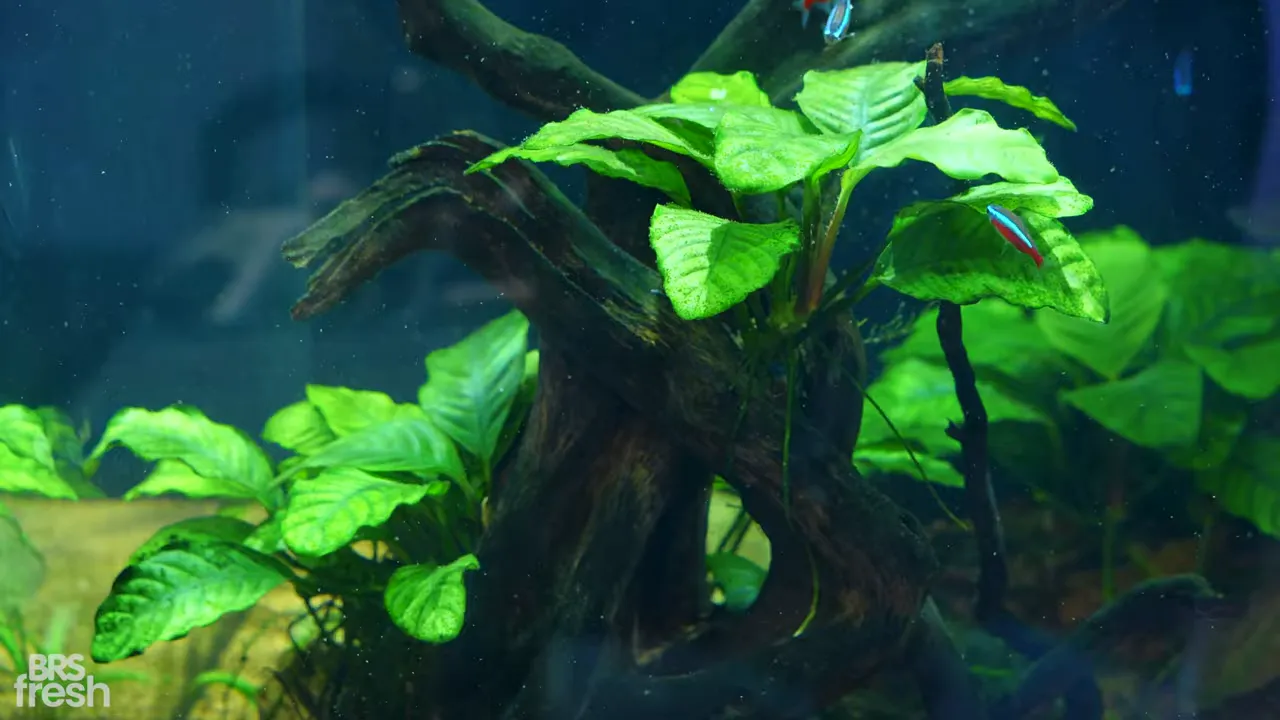
Anubias can occasionally produce flowers. Its compact growth and attachment-based planting make it especially useful for decorating exposed wood and stones without crowding the substrate.
2. Java fern: a forgiving rhizome plant with easy propagation
Java fern is another excellent beginner aquarium plant and follows a similar planting rule to Anubias. It is a rhizome plant, so it should be attached to driftwood or rock rather than planted with the rhizome under the substrate.
Narrowleaf and trident Java fern are examples of varieties that provide different leaf shapes while retaining the same easy-care character. Java fern grows best under low to medium lighting. It does not require fertiliser, although occasional liquid fertiliser can support its growth.
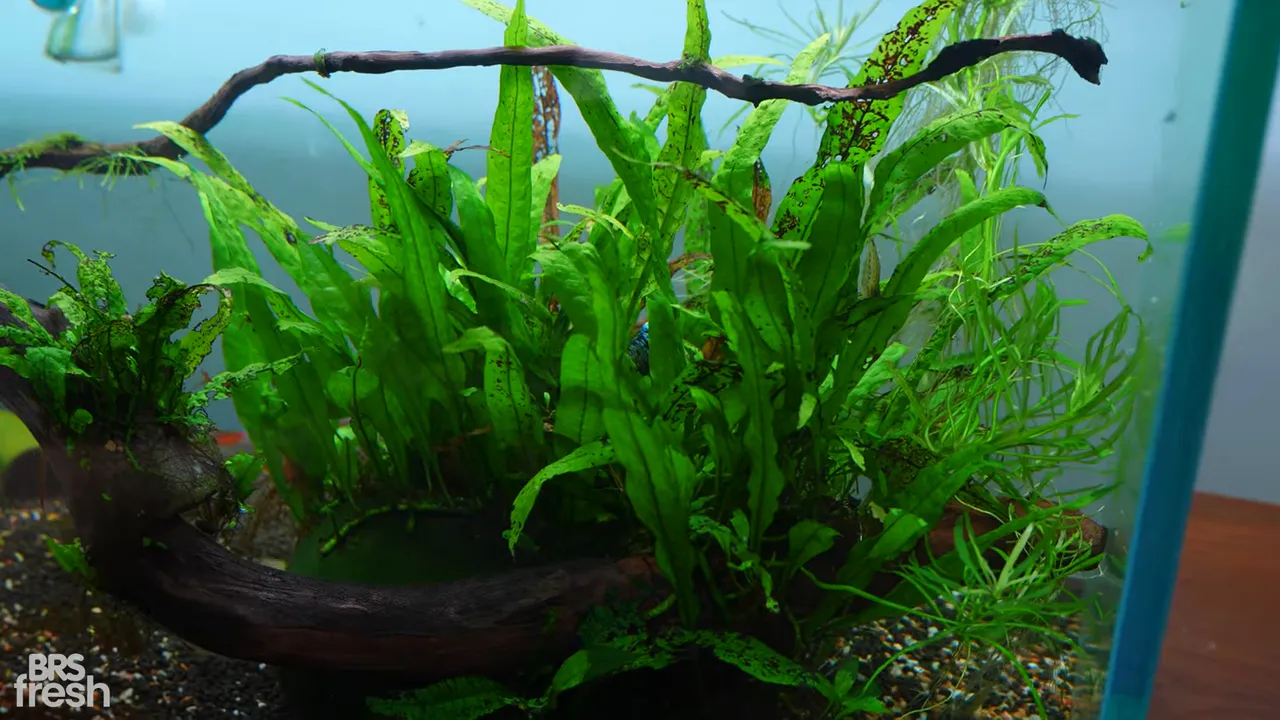
How Java fern creates new plants
Small new plantlets may appear at the tips of mature leaves. These can be removed and placed elsewhere in the aquarium, making Java fern a practical choice for gradually expanding a planted layout.
Best use: Attach it to wood or rocks in the middle or background of the aquarium, where its upright leaves can add height and texture.
3. Salvinia: a fast-growing floating plant for nutrient uptake
Salvinia is a floating aquarium plant that grows at the water surface. It is useful when you want a fast-growing plant that absorbs nitrates and phosphates from the aquarium water.
Unlike duckweed, which can be very difficult to remove once established, the larger Salvinia plants are easier to take out when needed. This makes it a more manageable floating-plant option for many beginners.
Salvinia care requirements
- Tank type: Best suited to an open-top aquarium.
- Light: Prefers higher-intensity light.
- Placement advantage: Its position at the surface gives it access to more light than submerged plants.
- Maintenance: Remove excess growth regularly.
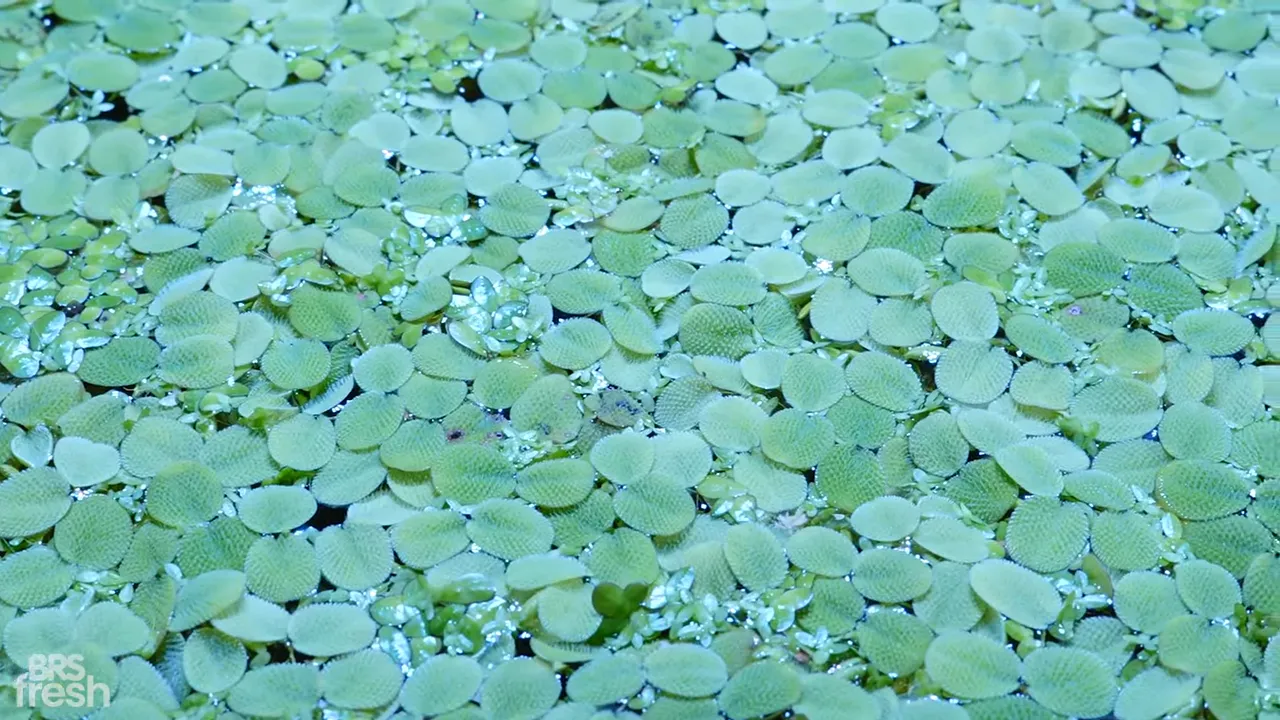
Common mistake: Leaving a dense surface layer unchecked. Salvinia can block light from reaching plants lower in the aquarium, so keep open areas at the surface.
4. Cryptocoryne wendtii: a slow-growing rooted plant for low-tech tanks
Cryptocoryne wendtii, often called crypt wendtii, is a rooted aquarium plant with relatively slow growth. It suits low to medium lighting and is available in several colours, including green, brown, and bronze forms.
A pink flamingo variety is also available, but maintaining its pink colour requires CO2. For a simple low-tech setup, green, brown, or bronze options are a more straightforward fit.
How to care for Cryptocoryne wendtii
Because it feeds through its roots, crypt wendtii can benefit from root tabs. Liquid fertiliser can also support healthy growth. Plant it in the substrate and give it room to establish as a rooted plant.
Best use: Use crypt wendtii to create a planted, natural-looking area around the base of wood, rocks, or open substrate spaces.
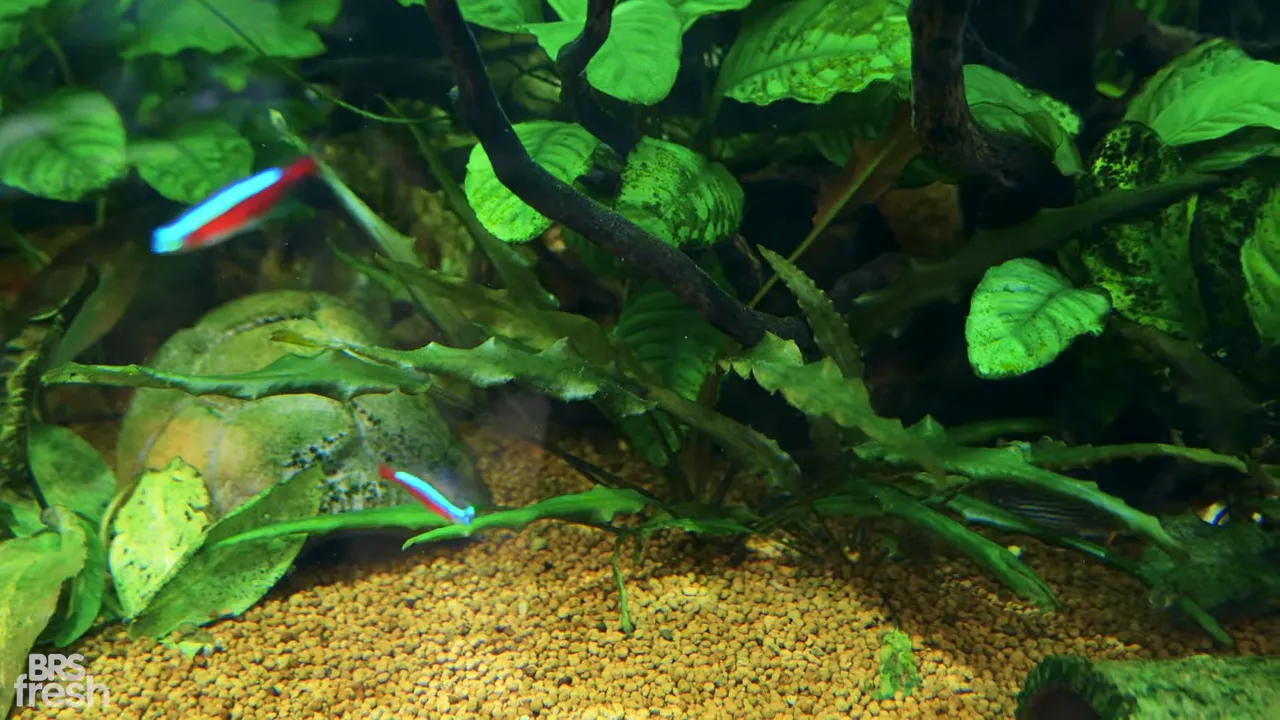
5. Amazon sword: a large root feeder for taller aquariums
Amazon sword is the largest plant on this list and is ideal for filling gaps in taller aquariums. Its long leaves create a substantial focal point and can add height to a planted layout.
This is a heavy root feeder. It does best in planted substrate with root tab fertilisers available around its root system. It also prefers moderate to high lighting.
Amazon sword planting checklist
- Choose an area with sufficient vertical space for a larger plant.
- Plant it in a suitable planted substrate.
- Use root tabs to provide nutrition at the roots.
- Provide moderate to high lighting.
- Allow open space around it as it grows.
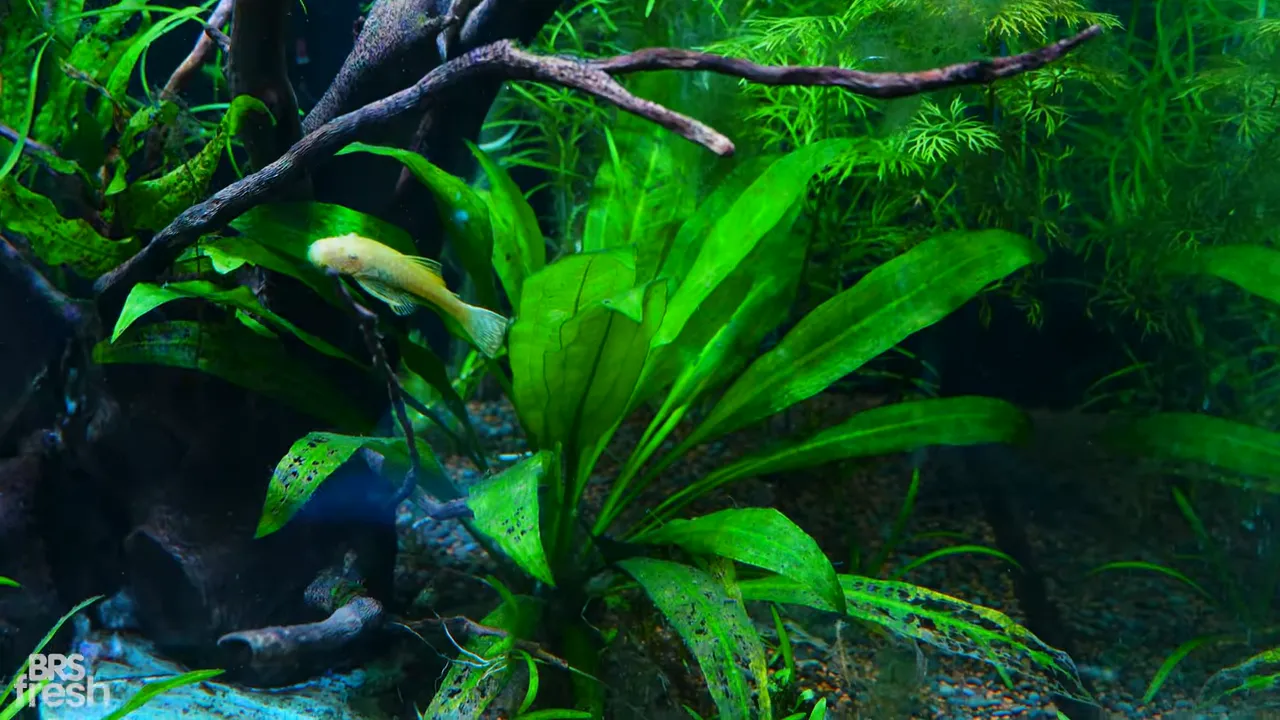
When kept well, an Amazon sword may send out a runner that develops additional plants.
How to choose the right beginner plants for your aquarium
A simple way to build a balanced planted aquarium is to choose plants based on where they grow rather than choosing five plants that all occupy the same space.
A simple low-tech planting plan
- On driftwood or rock: Anubias and Java fern.
- In the substrate under low to medium light: Cryptocoryne wendtii.
- In a tall tank with stronger light: Amazon sword.
- At the surface of an open-top aquarium: Salvinia.
This combination creates layers without requiring every plant to have identical care. Attach rhizome plants to hardscape, root substrate plants where they have room, and maintain floaters so the lower plants continue receiving light.
Beginner planted aquarium mistakes to avoid
Burying a rhizome
Anubias and Java fern are not planted like rooted plants. Their rhizomes need to stay above the substrate and should be tied or glued to rock or driftwood.
Using the wrong fertiliser method
Not all plants take up nutrients in the same way. Anubias and Java fern need very little added fertiliser, though Java fern can benefit from occasional liquid fertiliser. Cryptocoryne wendtii benefits from root tabs and liquid fertiliser, while Amazon sword relies heavily on root nutrition.
Allowing floating plants to cover the whole surface
Salvinia can grow quickly and absorb nutrients effectively, but a thick layer reduces the light available to submerged plants. Remove excess plants as needed.
Buying plants that outgrow the aquarium
Amazon sword becomes larger than the other plants discussed here. It is better suited to taller tanks and spaces that need filling than to a small area with limited vertical room.
Assuming every plant needs CO2
These plants can form the basis of a planted aquarium without an expensive CO2 setup. The notable exception is the pink flamingo form of Cryptocoryne, which needs CO2 to retain its pink colour.
Frequently asked questions about easy aquarium plants
Do beginner aquarium plants need CO2?
No. Anubias, Java fern, Salvinia, Cryptocoryne wendtii, and Amazon sword can be used to create a planted aquarium without a CO2 system. Pink flamingo Cryptocoryne is an exception because it needs CO2 to stay pink.
Can Anubias and Java fern be planted in gravel?
Their roots may rest against or eventually reach the substrate, but their rhizomes should not be buried. Attach the plants to rock or driftwood instead.
Which of these plants is best for low light?
Anubias is a strong low-light choice. Java fern and Cryptocoryne wendtii also do well in low to medium lighting.
Which beginner aquarium plant grows fastest?
Salvinia is fast-growing. Its growth should be managed so it does not cover the surface and shade plants below.
Which plant is best for a taller aquarium?
Amazon sword is especially useful in taller tanks because it grows larger and can fill open gaps with long leaves.
Start with plants that fit your setup
A successful first planted aquarium begins with simple choices. Choose Anubias or Java fern for hardscape, Cryptocoryne wendtii for a rooted low-tech plant, Salvinia for controlled surface cover, and Amazon sword when you have the height and root space for a larger specimen.
Match light level, planting method, and fertiliser type to the plant. With those basics in place, a natural freshwater aquarium can be planted successfully without complex equipment.